



Victorian Tableware Ironstone
These Victorian tableware ironstone pieces offer robust utility and display presence, built for heavy dining rooms through the nineteenth century.
Victorian Tableware Ironstone
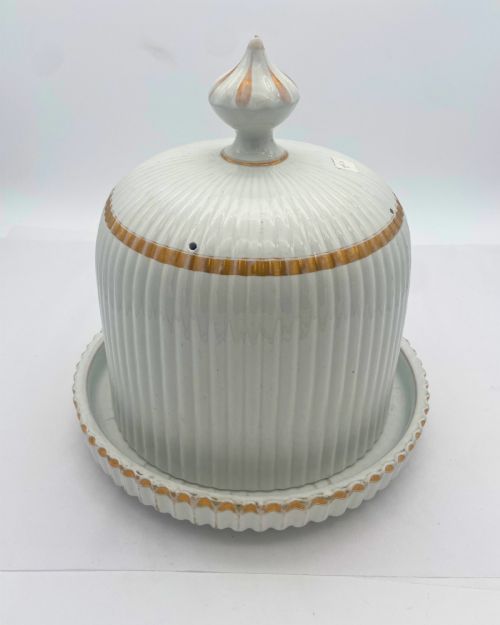
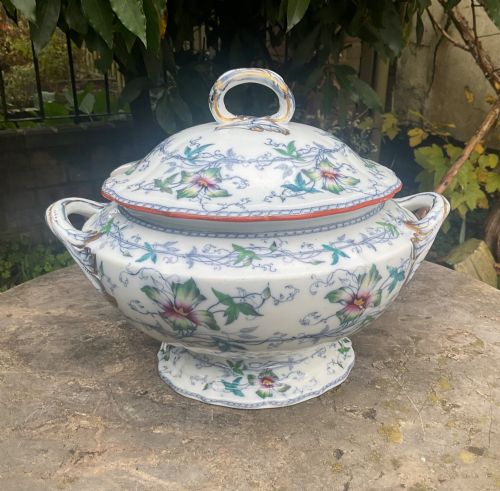
Victorian tableware ironstone comprises durable ceramic vessels and dinnerware designed for daily service and grand dining throughout the nineteenth century. These heavy items include large meat dishes, soup tureens with ladles, dinner service sets, plates, and cheese domes with stands.
The versions most frequently met on this page date from the mid to late nineteenth century, specifically around eighteen fifty to eighteen eighty. They appear in plain white bodies as well as patterned editions featuring decorative motifs like the clematis pattern.
Originating from major potteries, these pieces combine utilitarian strength with distinct decorative styles such as Victorian Imari and Regency influences. Buyers find both individual serving pieces and extensive multi-piece dinner services ready for domestic use.
Making ironstone
Potters formed these items from dense earthenware ceramic bodies known for their exceptional strength and heavy weight. This durable paste was coated in smooth glaze and fired to withstand rigorous daily use in busy nineteenth-century kitchens and dining rooms.
Decoration on select pieces involves hand-applied enamel colours and gilt or gold leaf detailing over the ceramic body. Gilding and enamel highlights add colour and contrast to the robust white ironstone forms.
Victorian Tableware Ironstone Retail Price Guide 2026
Typical asking prices for victorian tableware ironstone among the pieces listed under this phrase on Sellingantiques today, from the lower quarter to the upper quarter. They describe what is for sale here now, not the wider market.
Listings feature ironstone and earthenware materials decorated with glaze, enamel, and gold leaf across nineteenth-century periods.
Judging quality
Quality in these pieces rests upon the crispness of the moulded relief work and the precision of the form, particularly in large items like cheese domes and soup tureens. Sharply defined handles, finials, and foot rims separate superior vessels from softer, more worn examples.
The application of enamel and gilding dictates the visual standard of decorated wares. Even wear across gilt highlights and clean, vibrant enamel placement distinguish better examples from simpler utilitarian stock.
Copeland·Staffordshire·Mason's Ironstone
The Victorian Tableware Ironstone Glossary
- Ironstone
- A heavy, durable type of earthenware ceramic patented in the nineteenth century to imitate Chinese porcelain. It provides a robust body for domestic tableware and large serving vessels.
- Tureen
- A deep covered serving bowl used for soups, sauces, or gravies at the dining table. These vessels often include matching ladles and undertrays.
- Cheese dome
- A large bell-shaped cover with a matching stand designed to protect and store cheese. This form is typically topped with a moulded handle or finial.
- Gilt
- A thin layer of gold leaf or gilding applied to the ceramic surface for decoration. It is frequently found accenting handles, rims, and moulded patterns.
- Enamel
- Opaque vitreous paint fused to the ceramic body during firing to create coloured patterns. It provides durable hues on patterned tableware.
Victorian Tableware Ironstone: Frequently Asked Questions
What was ironstone used for?
Ironstone served as heavy-duty dining ware for nineteenth-century households, engineered to resist chipping during daily meals. Large pieces managed communal food service at the table.
Soup tureens, meat dishes, and cheese domes handled heavy portions of food for large families and guests. Their dense ceramic body kept contents warm and survived rigorous scullery washing.
How do I clean ironstone?
Wash these ceramic pieces gently in warm water using mild soap and a soft cloth. Avoid harsh scrubbing pads that can scratch the glaze or wear away delicate enamel.
Items with gilt or gold leaf decoration require particular care to preserve the metallic surface. Hand washing prevents the fading often caused by modern dishwashers.
How do I date ironstone?
Dating relies primarily on maker marks stamped or impressed into the ceramic base beneath the glaze. Stylistic clues and pattern names also point to specific decades in the nineteenth century.
Heavier potting and specific decorative styles like Victorian Imari help narrow down the period of manufacture. Comparison with documented factory marks provides the most accurate date.
Can I use ironstone daily?
These nineteenth-century ceramics were originally built for heavy daily use and remain remarkably tough. Their thick ceramic walls handle normal dining service without trouble.
However, pieces featuring delicate enamel work or gold leaf gilding benefit from careful handling to preserve their finish. Many owners reserve decorated service sets for special occasions.