

Victorian Table Urn
A victorian table urn brings classical poise to a room, serving as a striking decorative centrepiece on a side table or mantel.
Victorian Table Urn
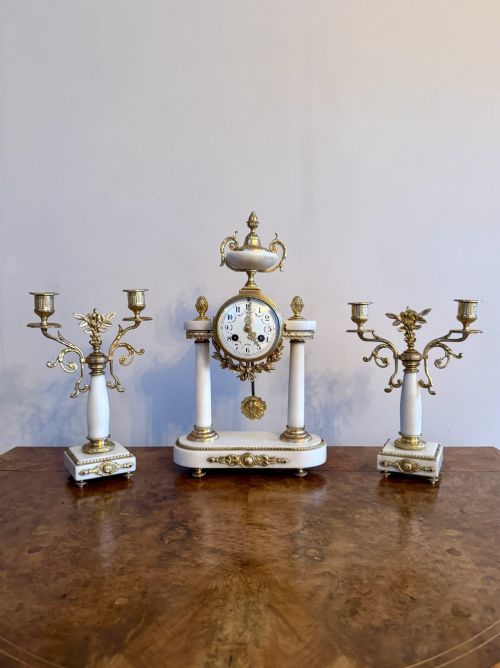
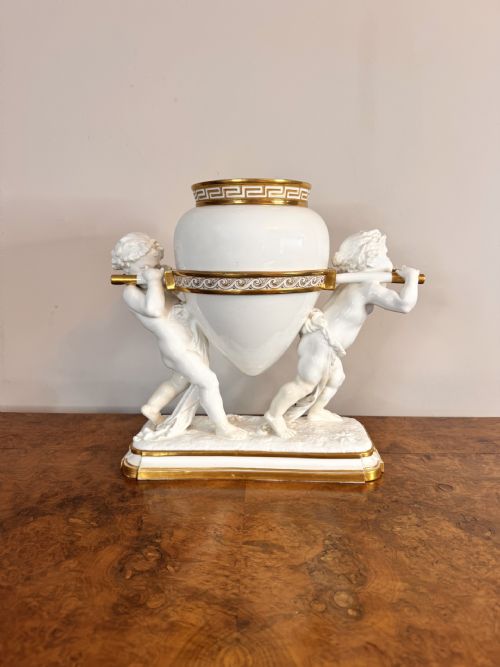
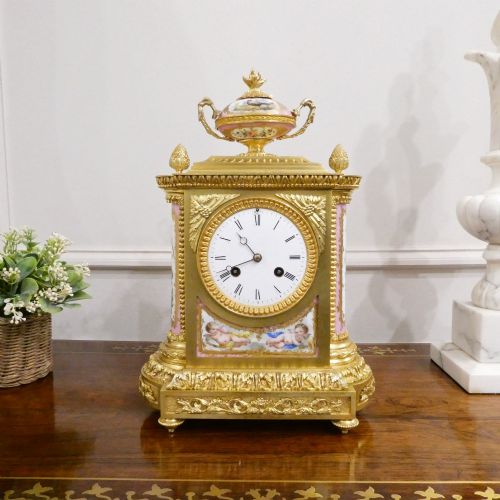
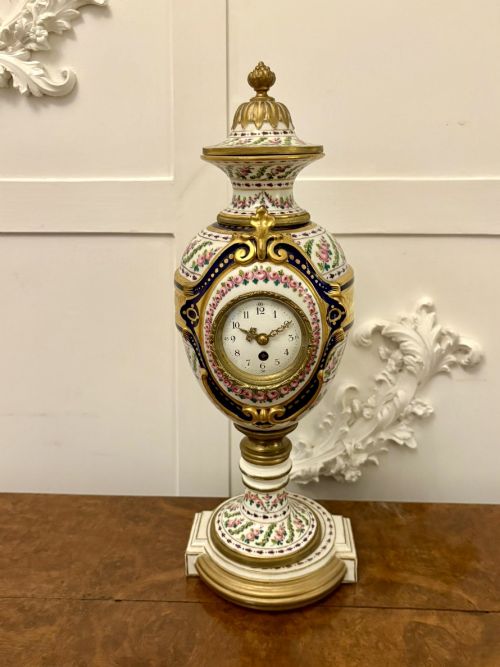
A victorian table urn encompasses decorative vessels, mantel clock garnitures, and centrepieces derived from classical antiquity. These items emerged from the nineteenth century in various forms, including porcelain and metal bodies designed for display on furniture.
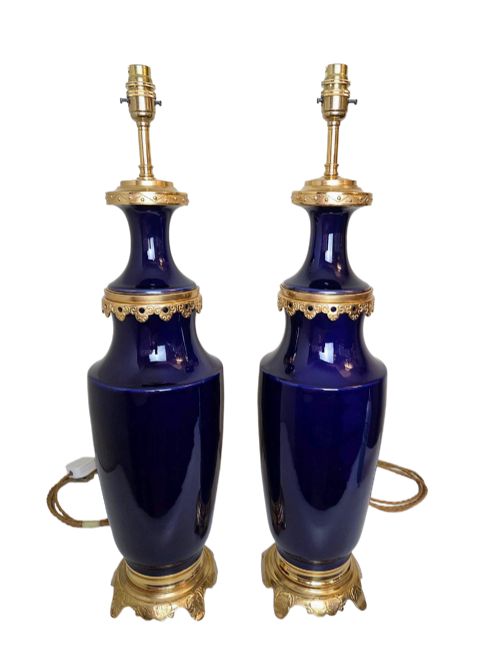
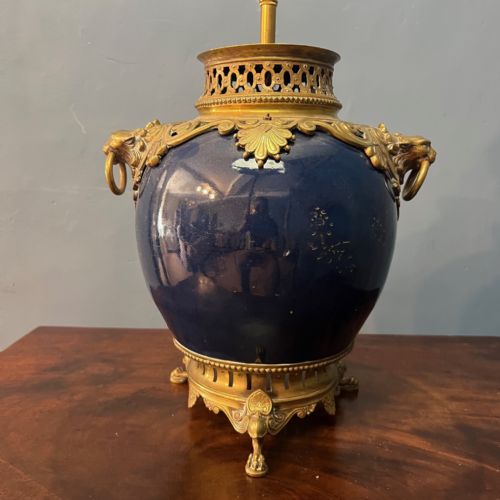
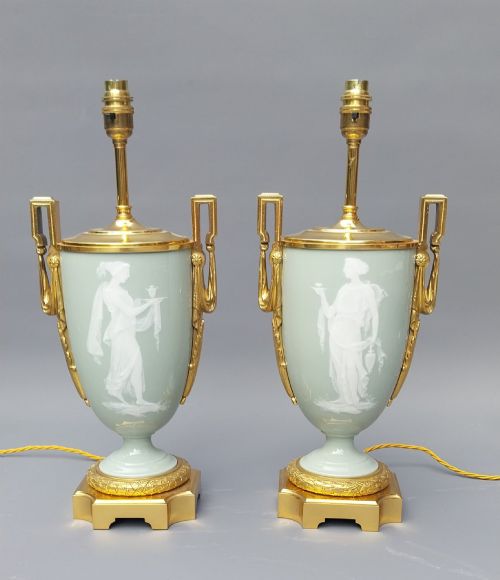
The selections on this page span the Victorian and Edwardian eras, incorporating styles such as French Rococo Revival, Louis XVI Revival, and Victorian Neoclassical. Makers utilised materials ranging from porcelain and enamel to brass, bronze, and marble to create ornamental focal points for the home.
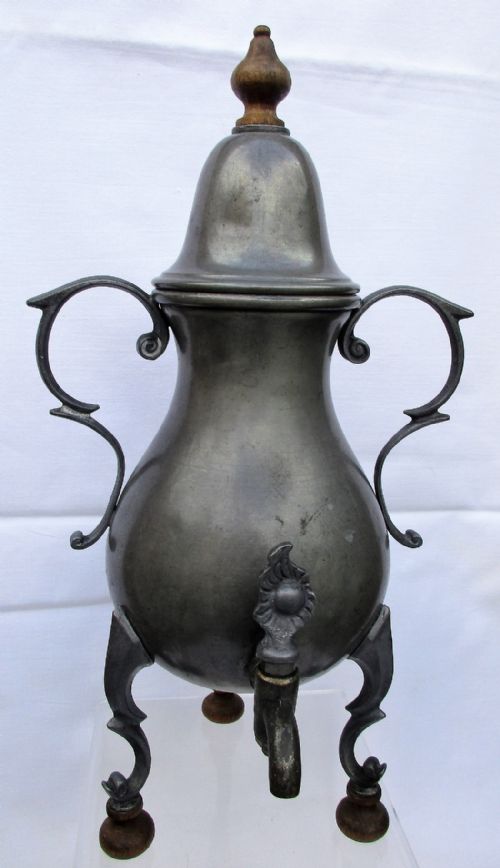
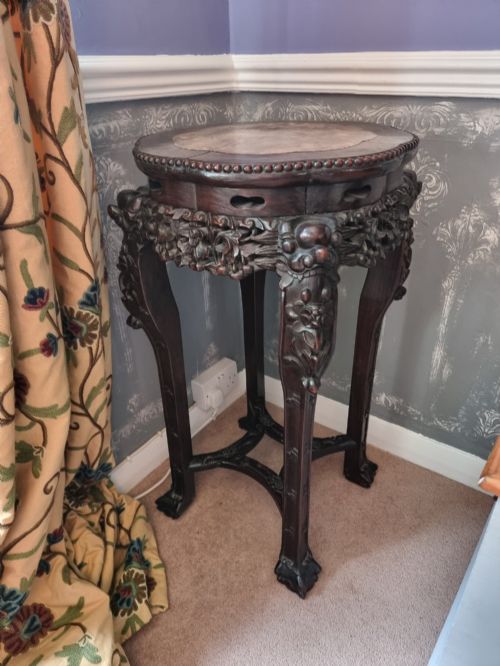
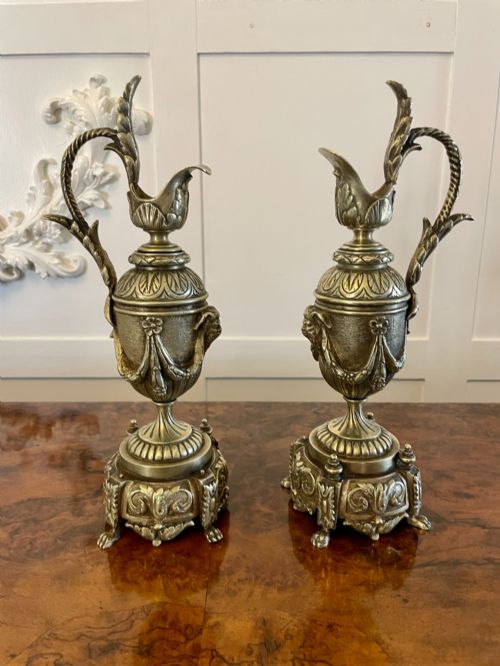
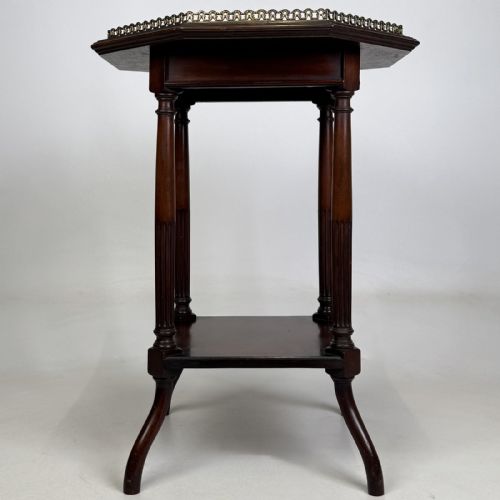
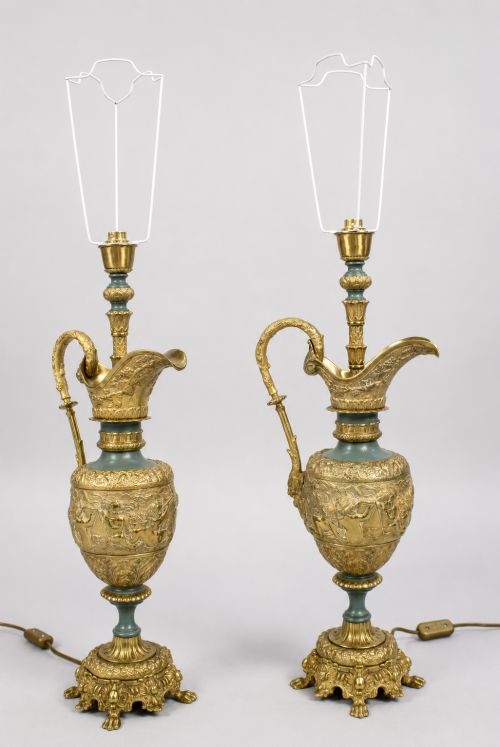
Buyers frequently encounter ceramic urn-shaped vessels, cast metal ewers, and samovars alongside stands and jardiniere tables. These decorative objects reflect the period preference for ornate domestic display and classical revival motifs.
How they were made
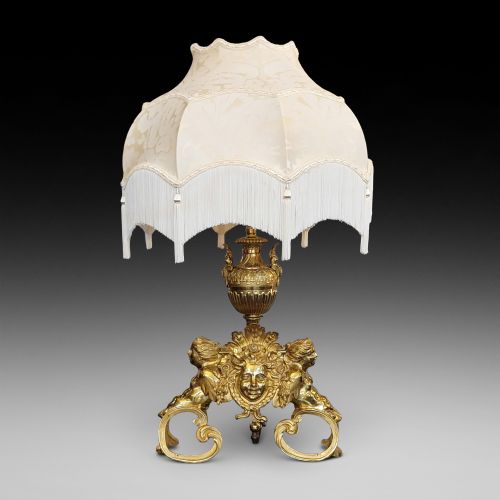
Artisans constructed these decorative objects using a combination of cast metals, carved hardwoods, and fired ceramics. Gilt bronze and brass components were cast and chased, while porcelain bodies received hand-painted floral or figural decoration before glazing.
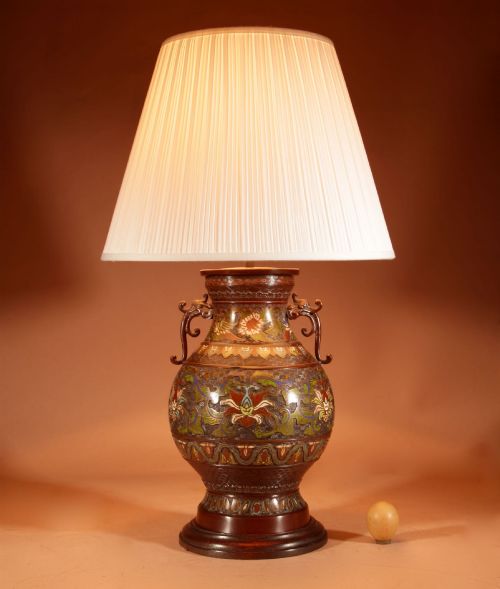
Enamelling techniques, such as champlevé, added intricate surface patterns to metal mounts and clock garnitures. Stoneware and porcelain were shaped using traditional throwing and moulding methods, often paired with silver-plated or gilt metal mounts.
Victorian Table Urn Retail Price Guide 2026
Typical asking prices for victorian table urn among the pieces listed under this phrase on Sellingantiques today, from the lower quarter to the upper quarter. They describe what is for sale here now, not the wider market.
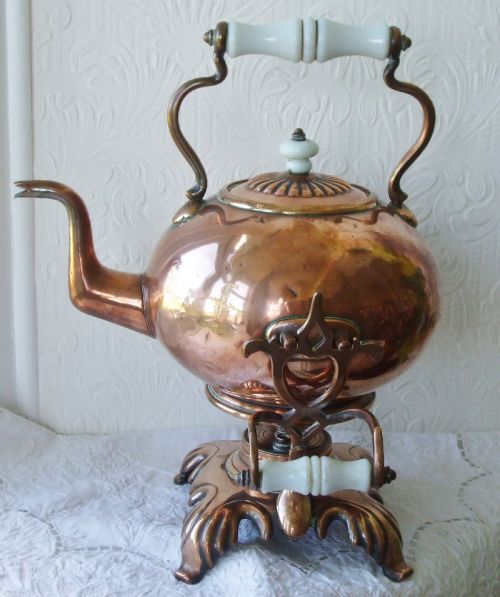
Several items on this page began life as tea vessels or water carriers before finding permanent retirement as stately mantel ornaments.
What varies in quality
The standard of a piece depends on the crispness of the cast metal ornamentation and the finesse of the hand-painted porcelain decoration. Finer examples display meticulous detail in chased bronze mounts and carefully controlled enamel work.
Materials dictate much of the distinction, with solid hardwoods, heavy gilt bronze, and quality porcelain outperforming lighter alloys and plain timber. The integration of decorative elements, such as matched garniture sets or coordinated stands, elevates the overall execution.
Mappin & Co·Jean-Baptiste Delettrez·Druce & Co London·Shoolbred·Walker & Hall Sheffield
The Victorian Table Urn Glossary
- Garniture
- A set of ornamental vessels, typically comprising a central clock or vase flanked by matching companions for a mantelpiece.
- Champlevé
- An enamelling technique where troughs are dug into a metal surface and filled with vitreous enamel before firing.
- Samovar
- A heated metal urn traditionally used to boil water, often fitted with a tap and handles.
- Ewer
- A large jug with a wide spout, historically used for water but frequently produced in decorative metal or porcelain as an ornamental display piece.
- Jardiniere
- An ornamental pot or stand designed to hold plants or flowers within a domestic interior.
Victorian Table Urn: Frequently Asked Questions
Where should I place a table urn?
These vessels suit prominent surfaces such as side tables, mantelpieces, or dedicated plant stands where their decorative form is visible. They anchor a room by introducing classical height and sculptural detail.
Keep them away from direct sunlight or heavy foot traffic to protect delicate hand-painted surfaces and gilt metal finishes.
How do I care for porcelain and bronze?
Dust surfaces gently with a soft, dry cloth to prevent the accumulation of grit in crevices and chased metal details. Avoid chemical cleaners or moisture, which can damage exposed gilding and hand-painted enamel.
Maintain stable indoor humidity to preserve both the ceramic body and any wooden stands supporting the piece.
What is a clock garniture?
A clock garniture consists of a central mantel clock accompanied by two matching side vessels or candelabras. These sets were designed to create a balanced display across a fireplace mantel.
Individual pieces often share identical motifs, materials, and maker marks, completing a unified decorative scheme.
How can I tell Victorian from Edwardian pieces?
Victorian items typically feature heavier, more ornate ornamentation with deep classical revival influences, dark woods, and rich gilding. Edwardian examples often lean towards lighter proportions and brighter floral palettes.
Examining the underlying materials, manufacturing stamps, and stylistic nuances helps distinguish between the two overlapping eras.