




Victorian Table Jugs
These Victorian table jugs bring utility and presence to any interior, offering robust craftsmanship across diverse materials from silver to cut glass.
Victorian Table Jugs
When searching for victorian table jugs, buyers encounter a diverse array of utilitarian vessels designed for service at the dining table or washstand. These pieces range from functional cream jugs and sauce boats to decorative ewers and claret jugs.
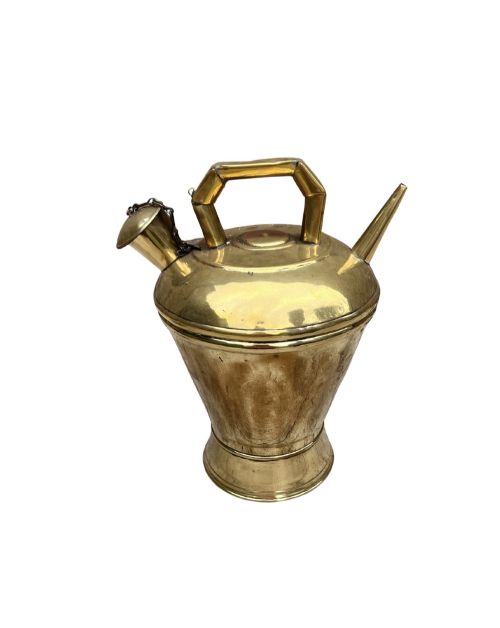
The selection here encompasses forms spanning the nineteenth century and into the Edwardian era. You will find everyday domestic servants alongside ornate display pieces created in brass, silver plate, and ceramics.
Makers utilised various stylistic influences, moving from Victorian Rococo Revival and Gothic interpretations to clean Arts and Crafts designs. Most common among these are practical cream jugs and water vessels suited to period dining arrangements.
Materials and construction
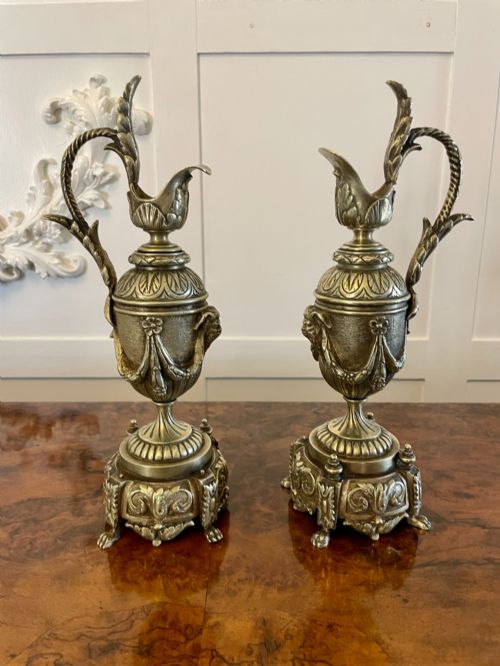
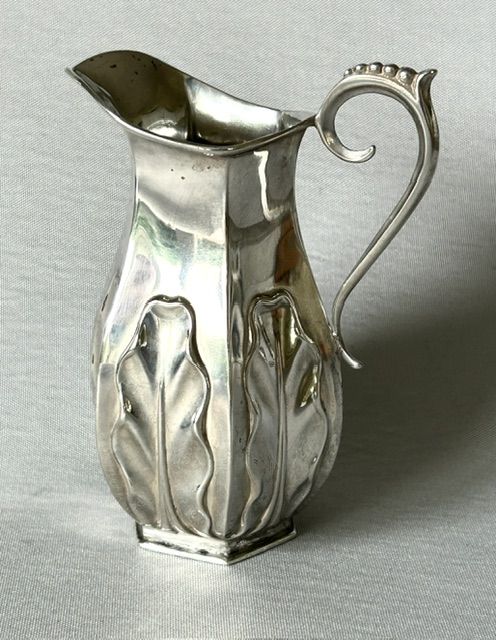
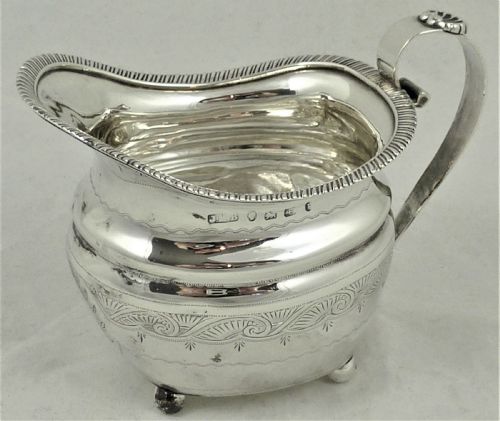
Silversmiths shaped solid sterling silver and silver plate into cream jugs and sauce boats, often employing naturalistic casting methods for acorn and floral motifs. Metalworkers also worked in brass and bronze, producing durable ewers and pouring vessels.
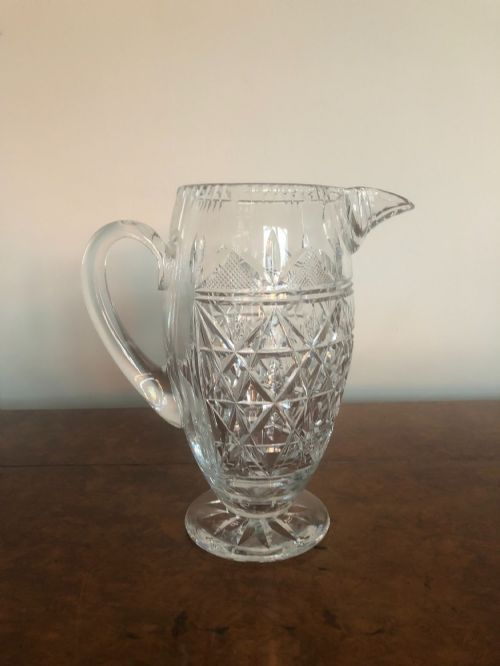
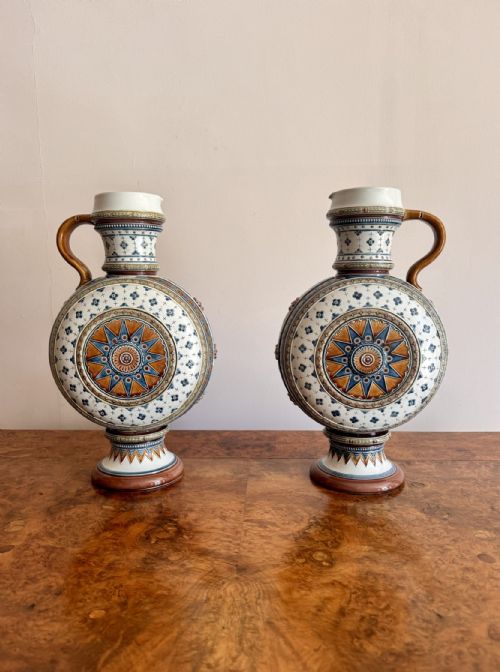
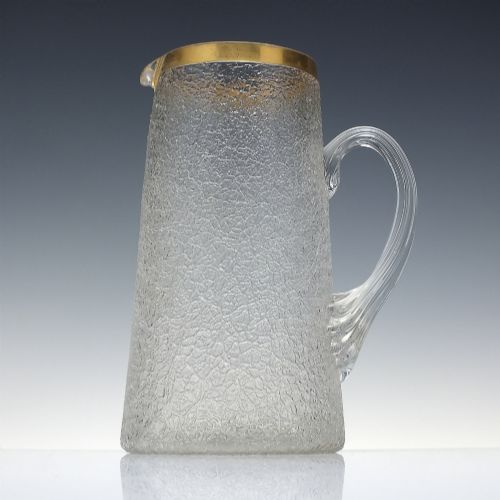
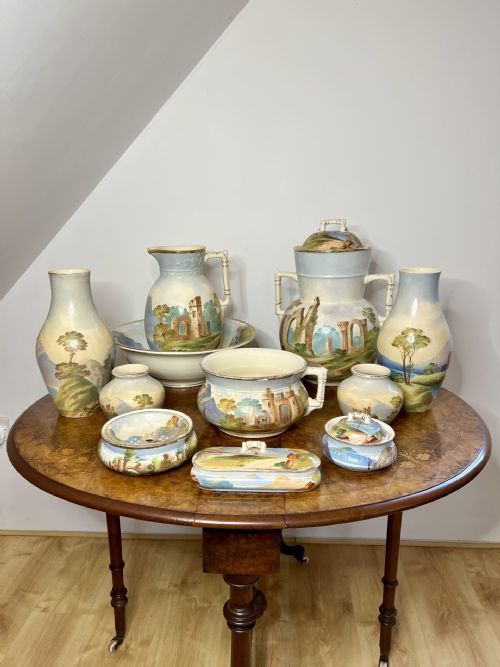
Glassmakers blew overshot glass and coloured vessels in amber and cranberry, frequently adding gilded rims or pairing the glass with metal mounts. Potteries and ceramic houses shaped earthenware and glaze into decorative ewers and wash sets.
Makers combined these diverse materials with applied enamel and cut glass detailing to finish utilitarian objects for the dining table.
Victorian Table Jugs Retail Price Guide 2026
Typical asking prices for victorian table jugs among the pieces listed under this phrase on Sellingantiques today, from the lower quarter to the upper quarter. They describe what is for sale here now, not the wider market.
Listings feature sterling silver, silver plate, brass, bronze, earthenware, and cut glass forms spanning the Victorian and Edwardian periods.
Assessing quality and execution
The distinction between standard domestic wares and superior pieces lies in the crispness of the casting and the weight of the metal. Solid sterling silver items exhibit sharp hallmarks and detailed hand-chased ornamentation, whereas lesser vessels rely on simpler pressed construction.
Glass vessels show quality through even wall thickness, precise hand-cutting, and secure mountings. Ceramic and porcelain ewers display refined glaze consistency and careful integration of painted or applied decoration.
Villeroy and Boch·Stevens and Williams·Padley Parkin and Staniforth·Dr Christopher Dresser·Minton·Coalport
The Victorian Table Jugs Glossary
- Ewer
- A large jug or pitcher with a wide spout and a handle, historically used for pouring water or wine at table.
- Claret jug
- A vessel specifically designed for serving claret or other red wines, often combining cut glass bodies with metal mounts.
- Sauce boat
- A small boat-shaped vessel with a lip and handle, used for serving gravy or sauce during meals.
- Overshot glass
- Glass decorated with a fine, thread-like trail of molten glass wound around the surface while hot.
- Argyll
- A type of gravy warmer featuring an internal cylindrical chamber to hold hot water and keep sauces warm.
Victorian Table Jugs: Frequently Asked Questions
What is the difference between a jug and an ewer?
Jugs generally feature a narrow neck and a simple handle for everyday pouring tasks like serving milk or water at the table. Ewers are more decorative vessels characterised by a wide spout, flared lip, and often elaborate handles intended for display or ceremonial use.
While both share domestic utility, ewers lean towards ornamental craftsmanship, whereas jugs prioritize direct functional service during meals.
How were silver cream jugs used historically?
Cream jugs formed part of tea and coffee service sets on nineteenth-century tables. They held fresh cream to be added directly to hot beverages by the host or guests during formal gatherings.
Their small scale allowed servants to pass them easily around the table alongside sugar bowls and teapots.
Can antique glass claret jugs still hold wine?
Antique glass claret jugs remain structurally capable of holding wine provided the interior is clean and free from residue. Care must be taken with metal mounts and gilded rims during washing to preserve the original finish.
Many collectors prefer to use them for display or formal dining service rather than daily utility.
How do I identify an Edwardian piece from a Victorian one?
Edwardian vessels often reflect lighter, more restrained Neo-Classical or Arts and Crafts sensibilities compared to heavier Victorian styles. Hallmarks on silver and plated items provide exact dates for manufactured pieces.
Form and decorative motifs also offer clues, with later pieces favouring simpler geometric lines over ornate Rococo Revival flourishes.