
Victorian Table Holder
These pieces gather the small, functional silver and brass items placed upon dining and occasional furniture.
Victorian Table Holder
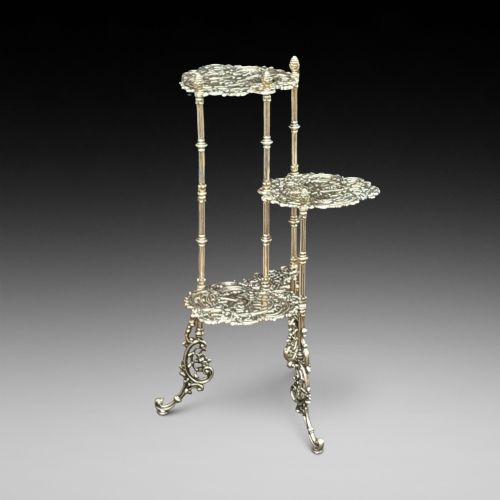
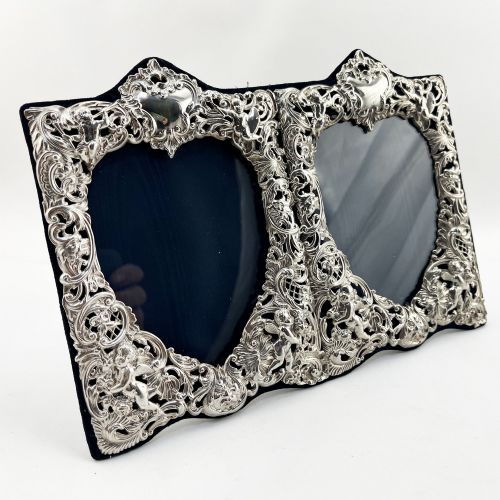
A victorian table holder encompasses small tabletop items designed to hold menus, cards, napkins, matches, or candles during dining and entertaining. The evidence shows these pieces appearing in silver, silver plate, and brass, spanning the nineteenth century alongside related occasional furniture.
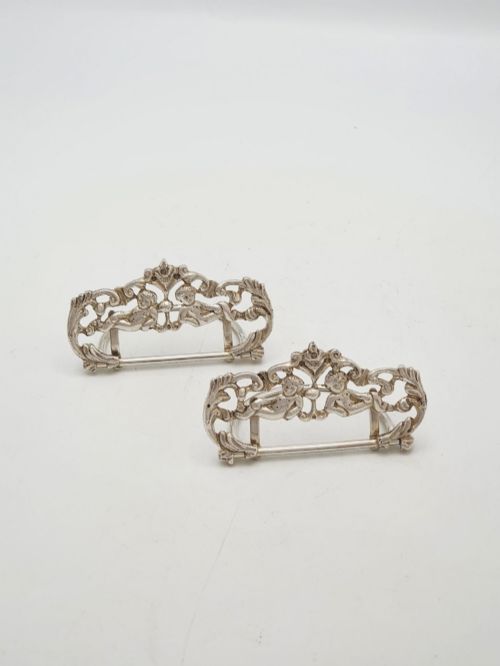
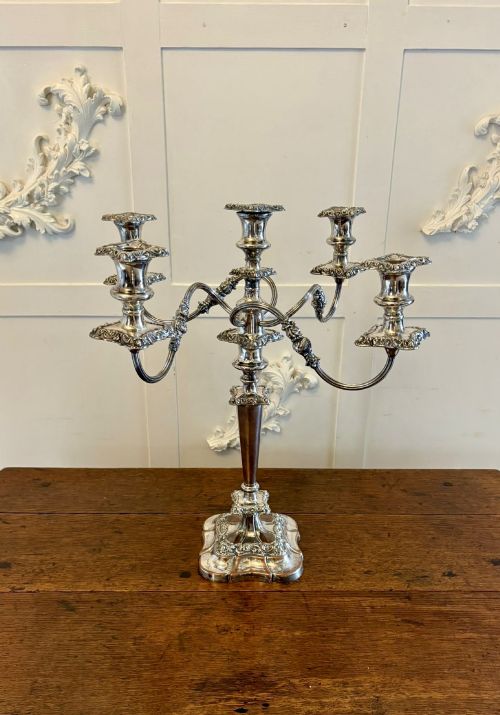
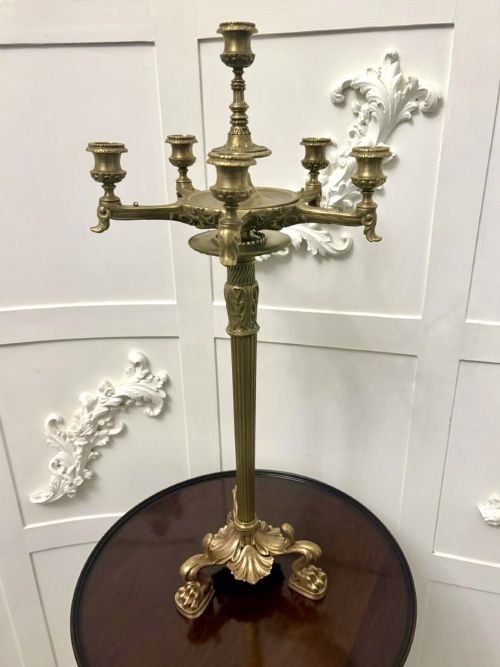
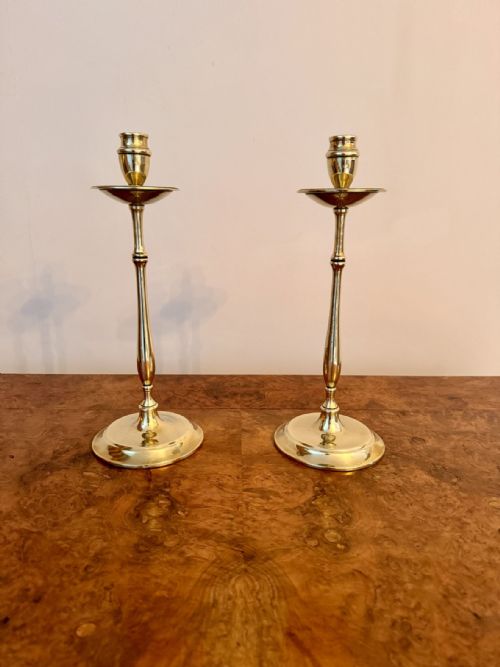
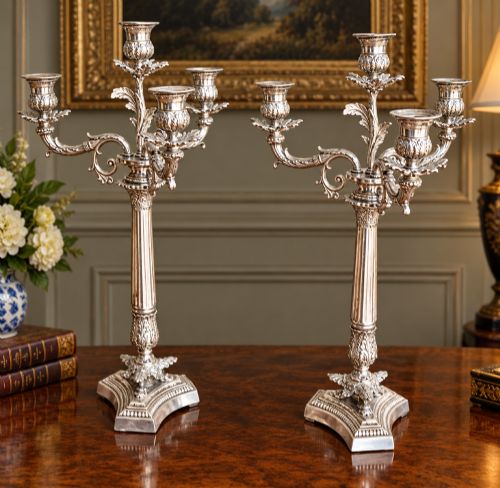
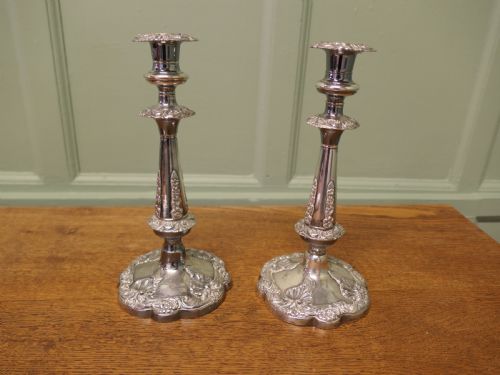
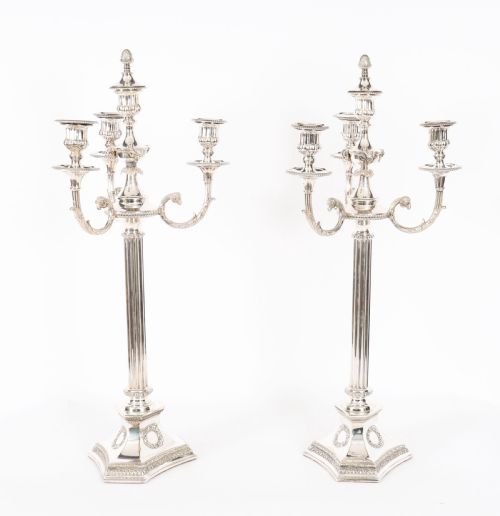
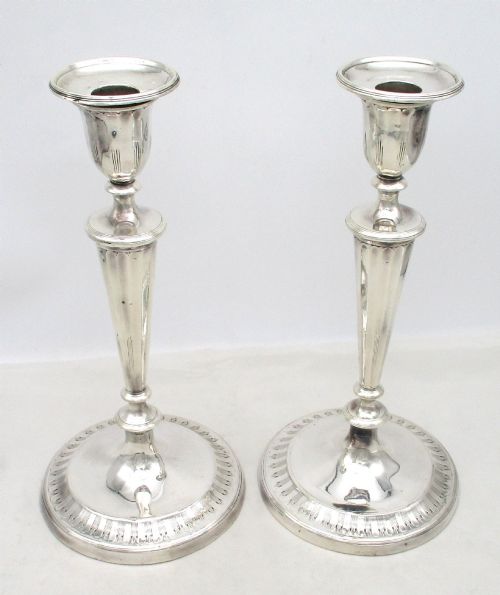
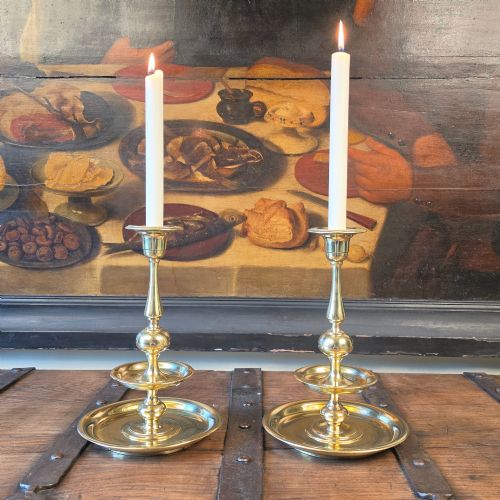
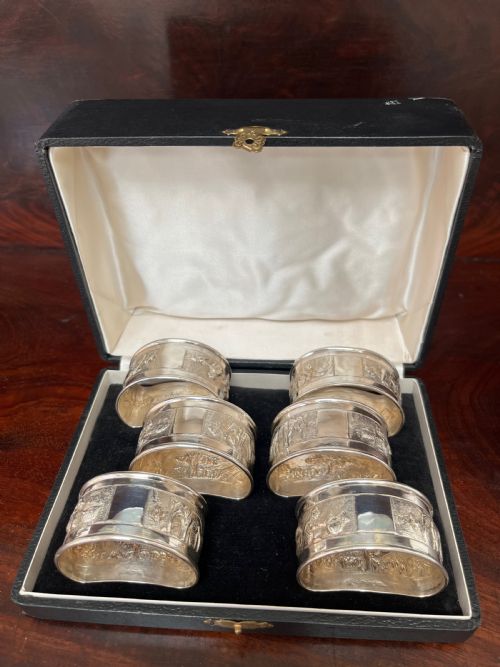
The most frequent examples encountered on this page are menu holders, napkin rings, and candle holders fashioned from sterling silver or silver plate. Dining tables and occasional stands also appear paired with candle or leaf holders in the archive record.
Makers and silversmiths utilised styles ranging from plain classical columns to figural designs, incorporating aesthetic movement and egyptian revival motifs into everyday dining accessories.
Materials and Construction
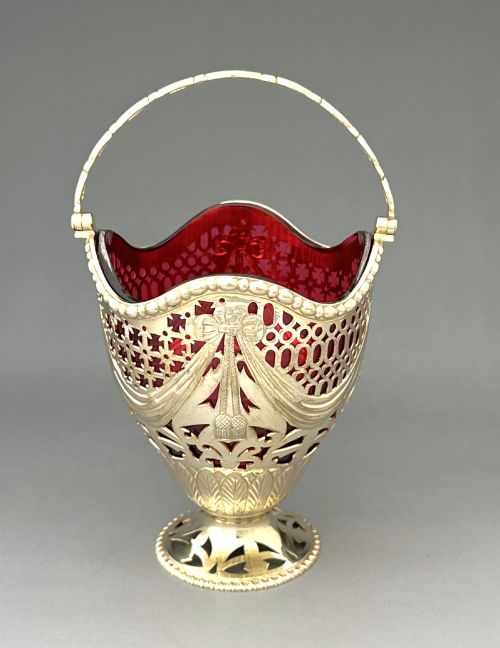
Metals form the core of these items, utilising sterling silver, silver plate over a base metal, and cast brass. Silversmiths employed techniques such as piercing, chasing, and gilding to decorate menu holders and napkin rings.
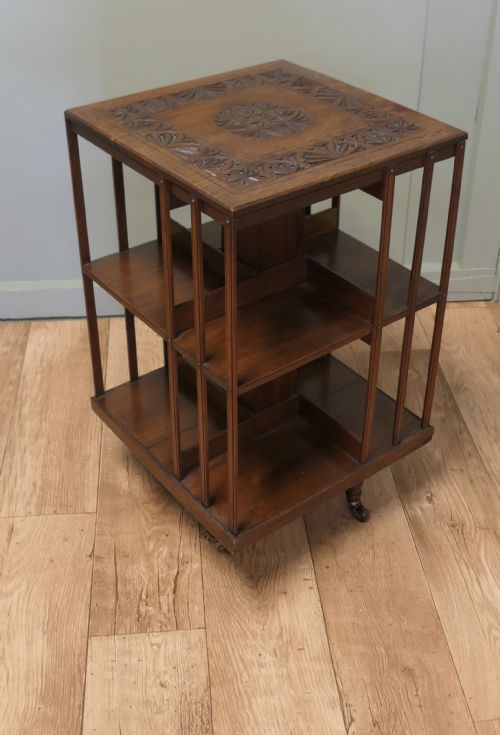
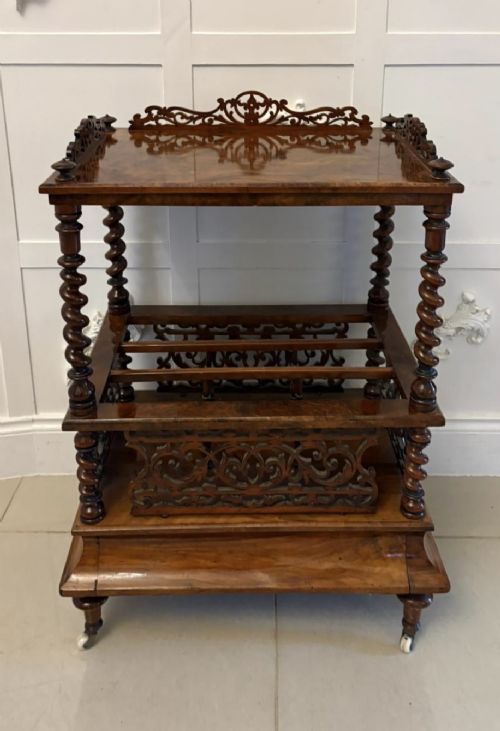
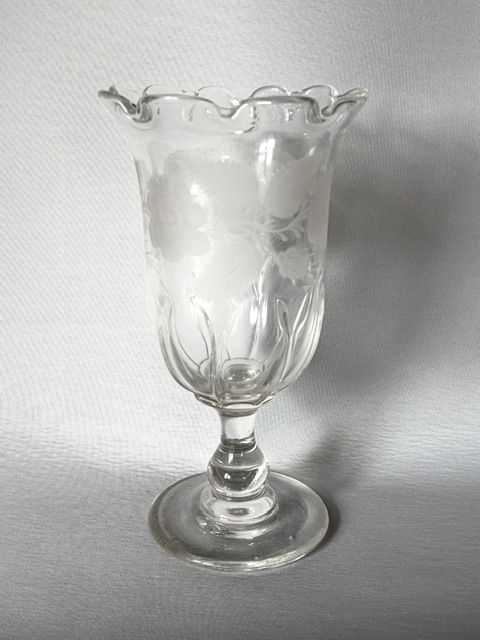
Where glass or wood appears, as in glass liners and burr walnut furniture stands, craftsmen combined turned timber and fitted metal mounts to create sturdy accessories for the nineteenth-century interior.
Object forms include menu holders, napkin rings, candlesticks, and occasional furniture with integrated holders.
Judging Quality in Tableware
Quality rests in the crispness of the casting and the depth of the chased or engraved detail on silver and brass surfaces. Figural pieces and Corinthian column candlesticks show superior execution when proportions remain balanced and cast elements retain sharp definition.
Weight and gauge of metal distinguish heavier sterling pieces from lighter plated alternatives, while maker marks from established workshops indicate higher standards of period craftsmanship.
William Comyns·Hawksworth Eyre·Garrard & Co
The Victorian Table Holder Glossary
- Menu holder
- A small desk or table stand designed to display printed menu cards during formal dinners. These often feature figural or architectural motifs.
- Candlestick
- A portable device with a socket or spike to hold a candle upright. Victorian examples frequently take the form of classical columns or ejector designs.
- Napkin ring
- A small ring used to identify individual table napkins between meals. They appear in matched sets of sterling silver or silver plate.
- Vesta
- A small pocket or tabletop box designed to hold safety matches. Silver examples often incorporate hinged lids and striker bases.
- Silver plate
- A layer of silver fused or electroplated onto a base metal such as copper or brass. This technique allowed makers to produce ornate dining wares at lower cost.
Victorian Table Holder: Frequently Asked Questions
What is a table holder used for?
These items served specific practical functions during nineteenth-century dining and domestic routines. They kept menus upright, held napkins in order, or secured candles and matches near occasional furniture.
Such accessories helped organise the dining table and added decorative detail to formal meals and drawing-room gatherings.
How do I identify silver plate?
Silver plate consists of a thin layer of silver applied over a base metal, usually copper, brass, or nickel silver. Over time, heavy use may reveal the base metal beneath the worn silver surface.
Makers often stamped plated items with distinctive trade marks rather than standard sterling hallmarks, indicating the metal composition used in production.
What styles are common in these pieces?
The listings show a range of nineteenth-century design movements, from plain regency forms to ornate victorian classical revival and aesthetic movement patterns. Makers also drew inspiration from egyptian revival motifs and classical columns.
This variety reflects changing tastes in interior decoration throughout the nineteenth and early twentieth centuries.
How should I clean silver table items?
Silver and silver plate require gentle cleaning with specialised cloths and non-abrasive polishes to preserve the underlying metal and any chased detail. Harsh chemical dips can strip original patination and damage delicate engraved surfaces.
Regular, careful dusting and occasional polishing keep silver accessories in good condition for display and use.