

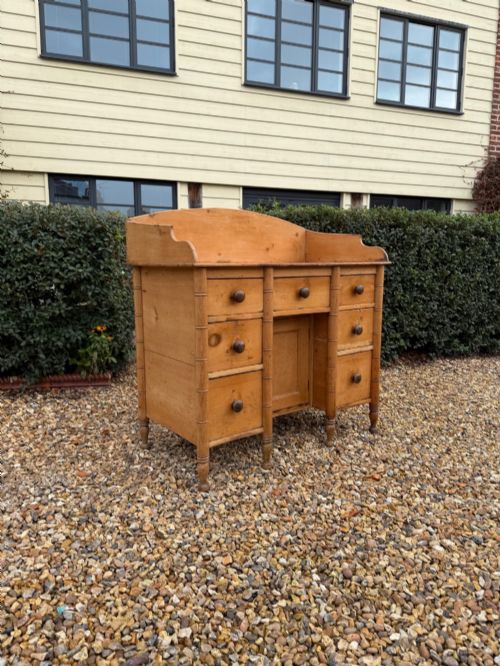
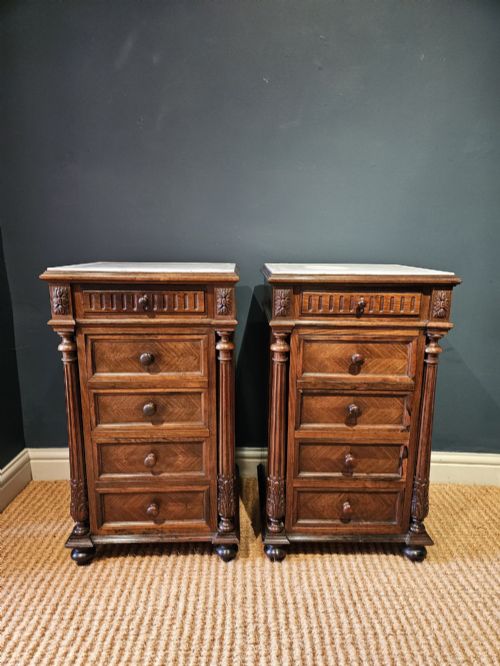
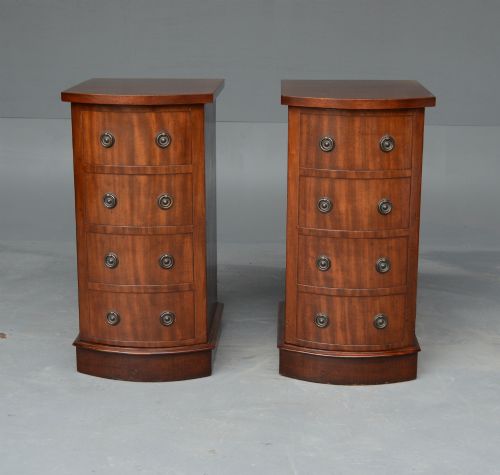
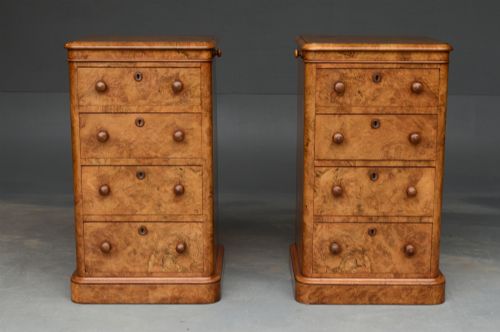
Victorian Table Chest
A victorian table chest brings compact, portable storage to a desk or tabletop, offering neat drawers for letters and small valuables.
Victorian Table Chest
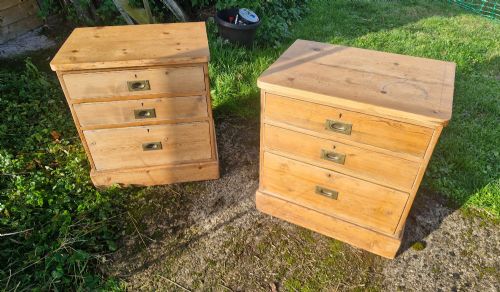
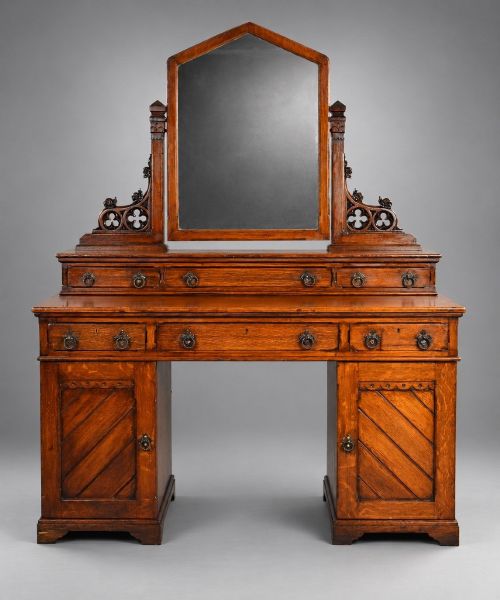
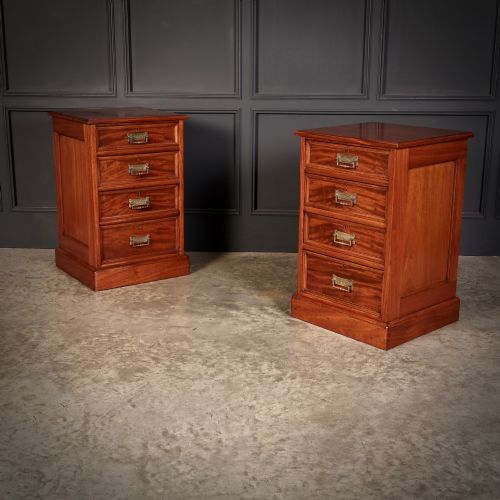
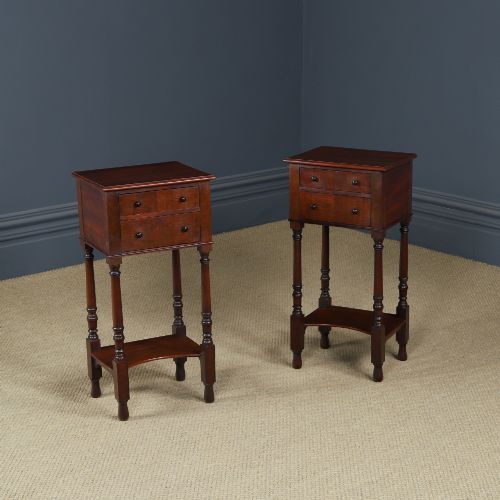
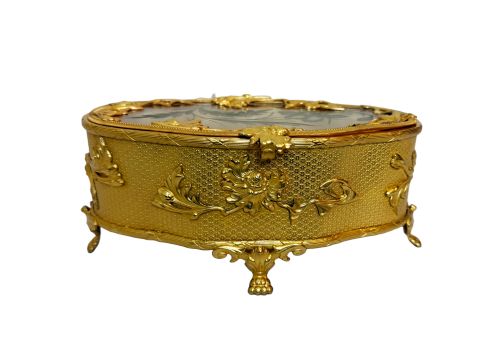
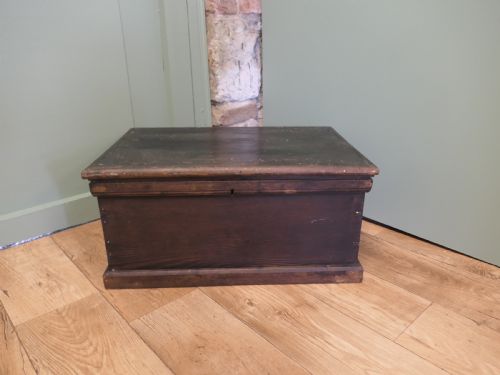
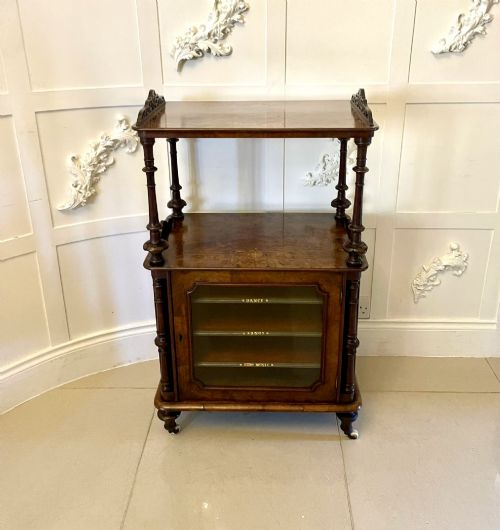
A victorian table chest is a scaled-down piece of furniture designed to sit upon a desk, counter, or larger surface rather than stand directly on the floor. These items emerge primarily from the nineteenth century, encompassing compact bedside chests, miniature apprentice pieces, and collectors' cabinets.
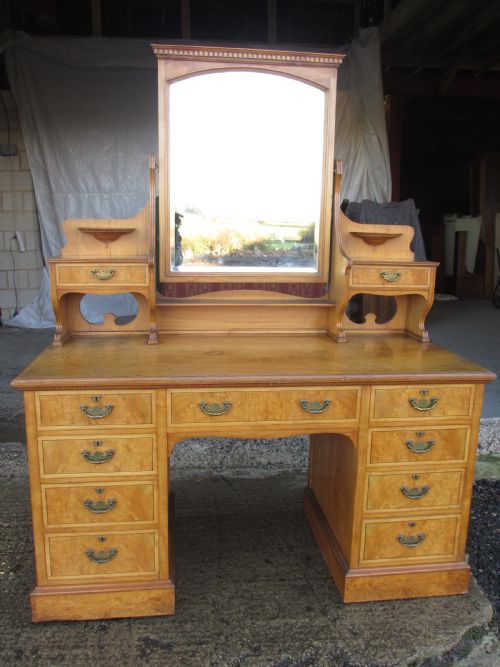
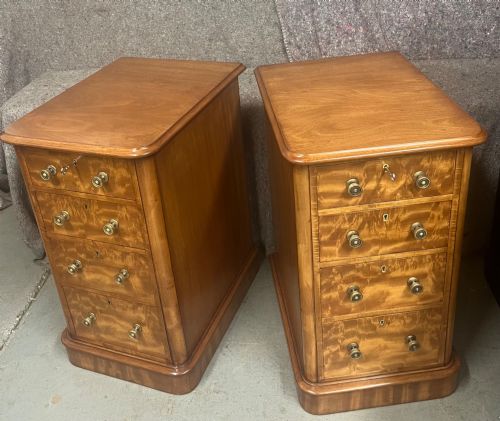
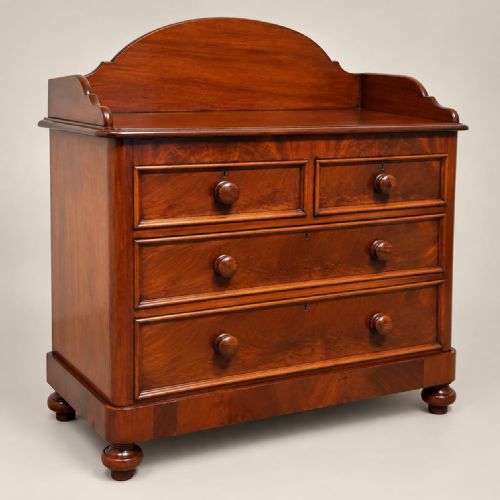
The most common versions encountered on this page are mahogany or burr walnut bedside chests and small table-top cabinets with multiple drawers. They reflect the period's taste for orderly storage and domestic organisation, often mirroring the proportions of larger case furniture in miniature.
How they were made
Cabinetmakers constructed these chests using solid timbers and decorative veneers such as mahogany, walnut, burr walnut, and oak, often reinforced with brass corners and flush handles for durability. The joinery relies on traditional dovetail techniques for drawer construction, ensuring stability through frequent use.
Surfaces received wax or polished finishes that highlighted the natural grain of the wood, particularly on figured veneers like burr walnut. Brass fittings, locks, and bound edges point to a utilitarian strength shared by domestic furniture and travel-ready campaign pieces.
Victorian Table Chest Retail Price Guide 2026
Typical asking prices for victorian table chest among the pieces listed under this phrase on Sellingantiques today, from the lower quarter to the upper quarter. They describe what is for sale here now, not the wider market.
Listings feature walnut, mahogany, oak, and camphor wood alongside brass and glass elements across nineteenth-century periods.
What varies in quality
Quality rests upon the selection of timber, the crispness of the joinery, and the integrity of the original hardware. Superior examples display carefully matched wood veneers and finely cut dovetails that remain tight after generations of opening and closing.
Finer pieces retain their original brass locks, escutcheons, and polished surfaces without heavy modern intervention. The proportion and balance of miniature and table-top forms also dictate standing; the best pieces look entirely resolved rather than awkwardly shrunk from larger designs.
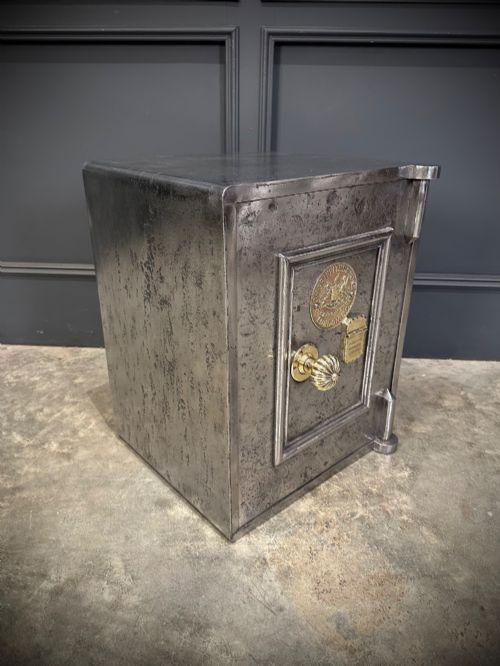
Warings Liverpool·Tanns Defiance London
The Victorian Table Chest Glossary
- Apprentice piece
- A small-scale item created by a trainee craftsman to demonstrate mastery of joinery and proportion before admission to a guild.
- Campaign trunk
- A portable storage chest designed for military officers or travellers, typically featuring recessed brass handles and reinforced corners.
- Burr walnut
- A highly prized wood veneer taken from the growth excrescences of walnut trees, noted for its swirling, decorative grain patterns.
- Dovetail
- A traditional interlocking joint used in drawer construction, valued for its tensile strength and resistance to being pulled apart.
- Collectors cabinet
- A specialist tabletop cabinet fitted with multiple shallow drawers designed for organising natural history specimens, coins, or small objects.
Victorian Table Chest: Frequently Asked Questions
What is a Victorian table chest?
A Victorian table chest is a small storage unit designed to sit on a desk, dressing table, or floor-standing cabinet rather than directly on the ground. These pieces include miniature chests, collectors' cabinets, and compact bedside units.
They provide compartmentalised storage for letters, trinkets, or specific collections while displaying the fine timber veneers typical of nineteenth-century cabinetmaking.
How were these small chests used?
Victorians utilised these compact chests for organising personal papers, jewellery, sewing accessories, or natural history specimens close to hand. Table-top models kept daily necessities accessible on writing desks and dressing surfaces.
Bedside variants served to hold night-time items, combining functional surface space with concealed drawer storage in modest domestic spaces.
Where should I place a table chest?
These versatile pieces suit dressing tables, sideboards, large desks, or dedicated display surfaces where their detailed timber grain can be appreciated. Their compact footprint allows them to sit comfortably without dominating a room.
Position them away from direct heat sources and strong sunlight to protect polished wood surfaces and delicate veneers from drying out.
How do I identify a period piece?
Examine the construction methods, noting hand-cut dovetails on the drawer sides and the use of period timbers like mahogany, oak, and burr walnut. Original hardware such as brass locks and keyplates also offers strong clues to nineteenth-century origin.
Look for signs of genuine age in the timber patina and interior wear patterns rather than relying solely on applied surface finishes.