


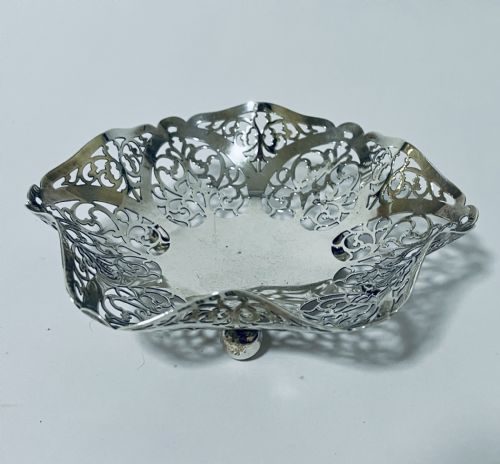


Victorian Sweetmeat Bowl
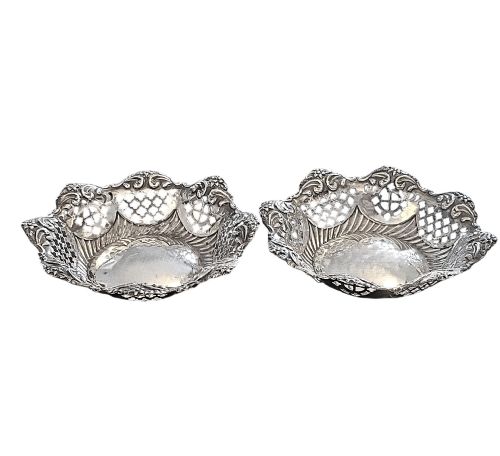
These Victorian sweetmeat bowl pieces are refined serving vessels for small treats, bringing distinct nineteenth-century craftsmanship to the dining table.
Victorian Sweetmeat Bowl
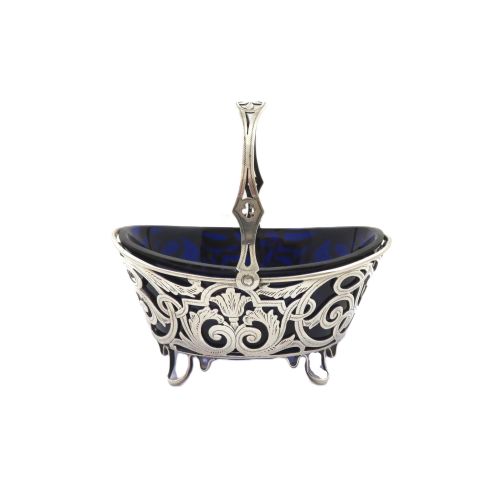
A Victorian sweetmeat bowl is a small, ornate vessel designed for serving confectioneries, nuts, or preserves during formal dining. When you search for this phrase, you meet a variety of forms including bonbon dishes, sugar baskets, tazzas, and serving dishes.
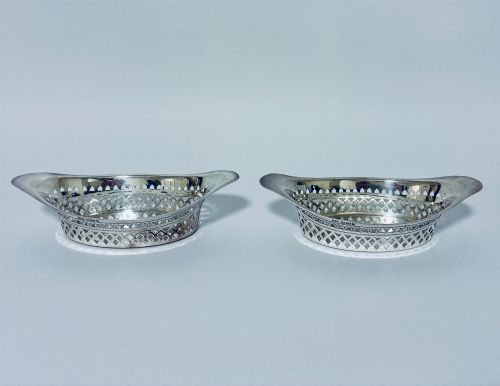
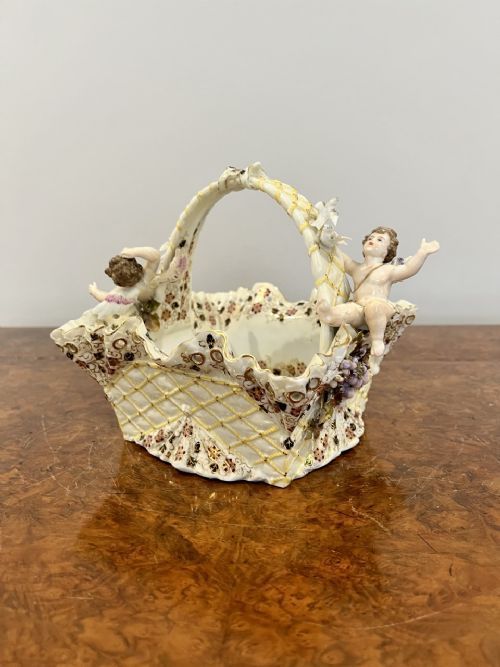
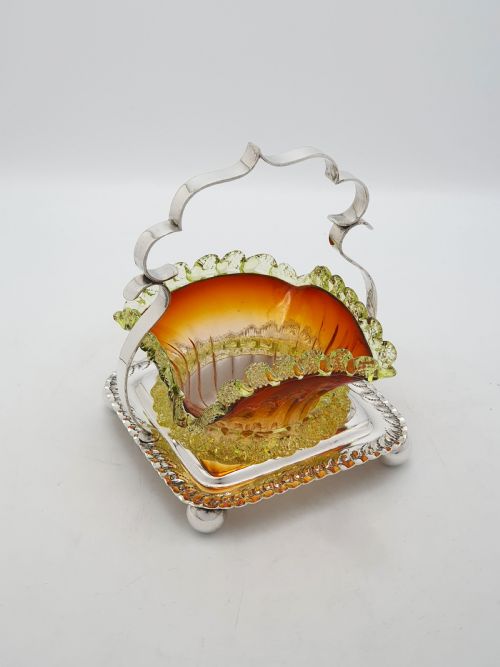
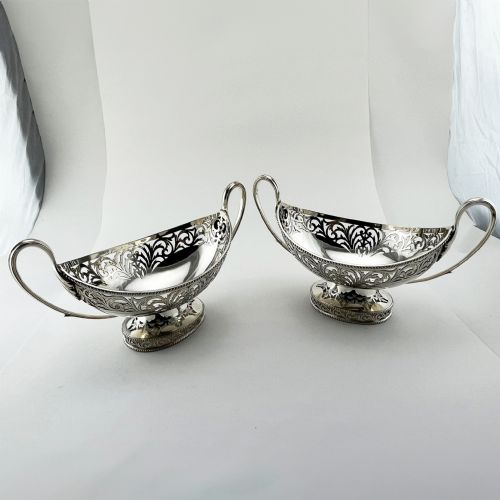
The pieces appearing on this page span several decades of the nineteenth century alongside related Edwardian examples. They take shapes ranging from simple oval pierced baskets to footed glass vessels and silver-mounted crystal bowls.
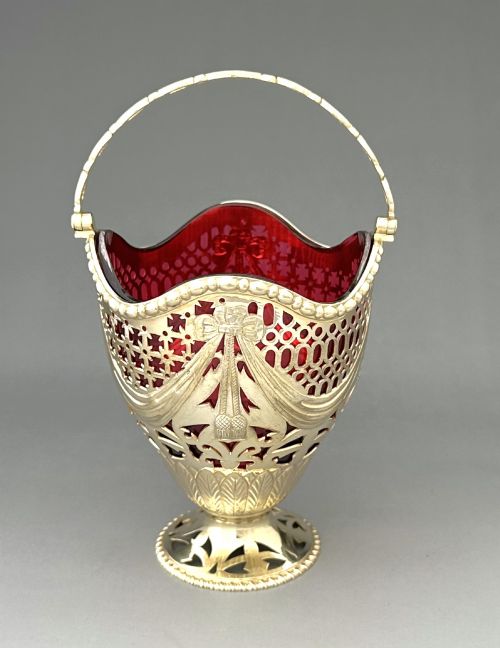
Silver and silver plate predominate among the metalwork, frequently paired with liners in cranberry glass, ruby glass, amber glass, or cut crystal. Porcelain and opaque glass versions also surface, demonstrating the broad material scope of the category.
Materials and Techniques
Silver elements involve sterling silver and silver plate, often worked through piercing, chasing, and casting to create intricate floral handles and openwork galleries. Makers utilise techniques like gilding to produce silver gilt surfaces and rich interior tones.
Glass components rely on cutting, moulding, and crystal blowing, incorporating decorative elements such as red cane, blue cane, latticinio threads, and etched patterns. Coloured glass, particularly cranberry and ruby varieties, gains its hue through specialised mineral additions during melting.
Victorian Sweetmeat Bowl Retail Price Guide 2026
Typical asking prices for victorian sweetmeat bowl among the pieces listed under this phrase on Sellingantiques today, from the lower quarter to the upper quarter. They describe what is for sale here now, not the wider market.
Listings feature items spanning the Victorian, Edwardian, and Regency periods, utilising sterling silver, silver plate, cranberry glass, and porcelain.
Assessing Quality and Execution
Quality in these pieces rests upon the crispness of the metalwork piercing and the weight of the silver or crystal. Superior items demonstrate precise casting in elements like floral handles and firm mountings that secure glass liners without friction.
Glass quality appears in the depth of the cut crystal facets, the uniformity of moulded honeycomb patterns, and the clarity of coloured glass liners. Master glasswork shows clean cane integration and smooth, polished pontil marks where applicable.
Thomas Bradbury·William Comyns·Martin Hall·Dr Christopher Dresser·Roberts and Belk·George Fox·Minton·James Deakin
The Victorian Sweetmeat Bowl Glossary
- Bonbon dish
- A small open vessel specifically intended for holding sweets or bonbons. These often feature low profiles and delicate handles.
- Tazza
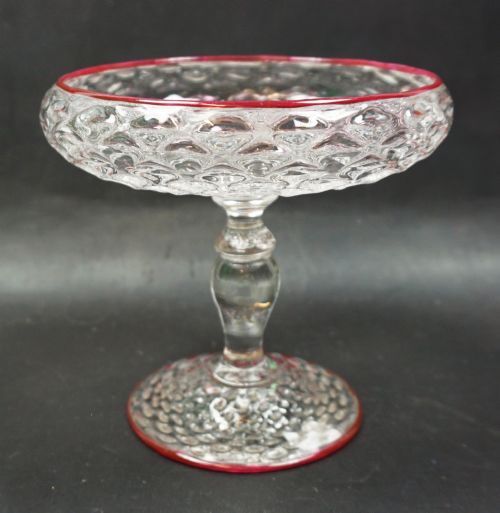
- A shallow ornamental bowl raised on a high foot or pedestal. They are frequently fashioned from cut crystal or glass with coloured cane decoration.
- Pierced basket
- A vessel body perforated with decorative geometric or floral patterns. This technique lightens the metal and displays coloured glass liners placed inside.
- Latticinio
- A glassblowing technique involving fine opaque white or coloured glass threads embedded within clear glass. It creates delicate net-like patterns across the body.
- Sweetmeat
- An archaic term for a confection containing high amounts of sugar, such as candied fruit, dried plums, or small sweets. Serving them required specialised vessels designed for small portions.
Victorian Sweetmeat Bowl: Frequently Asked Questions
What is a Victorian sweetmeat bowl used for?
These vessels were created to hold small confections, sweetmeats, nuts, or sugar lumps during formal Victorian dining and drawing-room gatherings.
Guests would help themselves to the contents from small spoons or directly by hand as part of the dessert course or afternoon tea.
How do I clean silver and glass sweetmeat dishes?
Silver components require a gentle polish with a soft cloth and proprietary silver cleaner, avoiding harsh abrasives that wear down hallmarked details.
Glass liners and crystal bowls should be washed separately in warm soapy water and dried immediately with a lint-free cloth to preserve their clarity.
How can I tell the difference between silver and silver plate?
Sterling silver pieces generally feature standard hallmarks indicating the assay office, standard mark, and maker, confirming solid precious metal construction.
Silver plated items show a base metal beneath the silver layer where wear occurs over time, or carry maker marks specific to electroplating firms.
Are glass liners original to the metal baskets?
Original liners fit securely within the contours of the silver or plated frame without excessive movement or gaps.
Matching the glass type, such as cranberry or cut crystal, to the period of the metal mount helps confirm their original pairing.