






Victorian Sweetmeat Basket
A victorian sweetmeat basket brings ornamental charm to a dining table, holding small confections or sweetmeats for guests.
Victorian Sweetmeat Basket
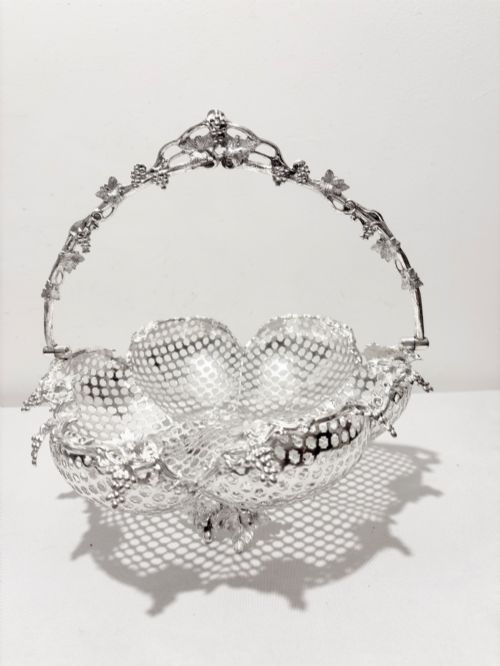
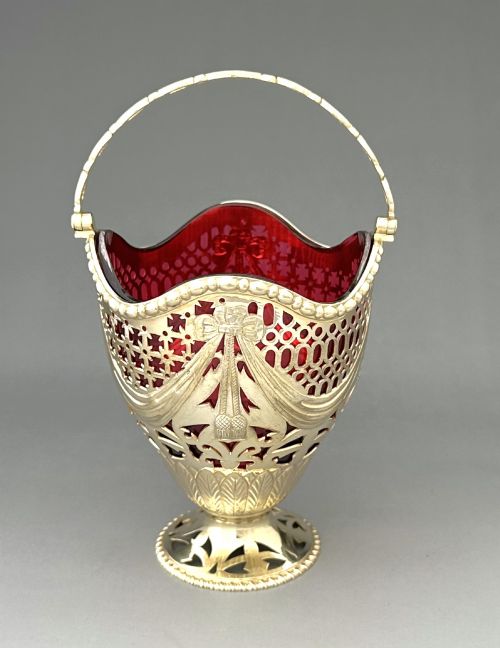
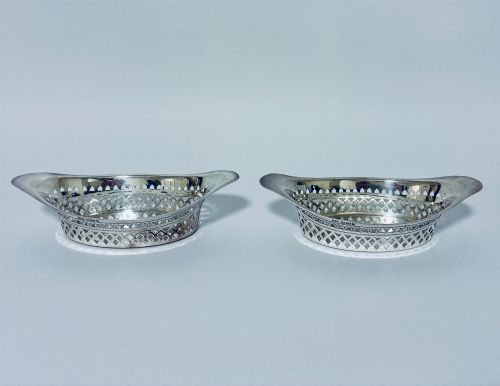
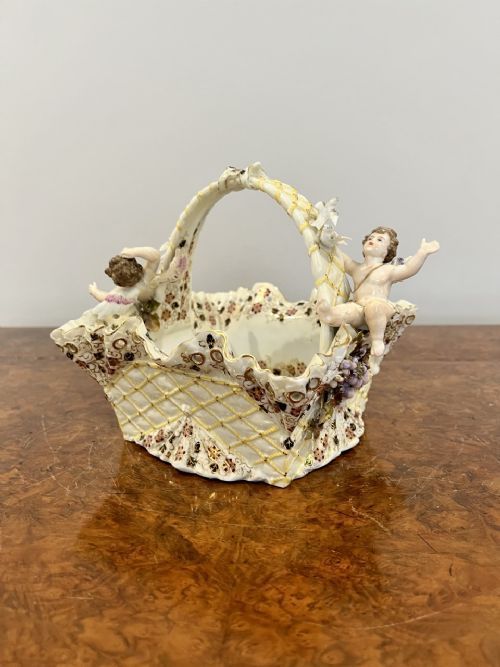
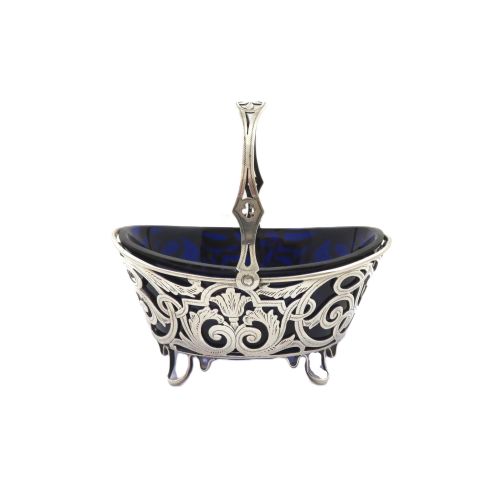
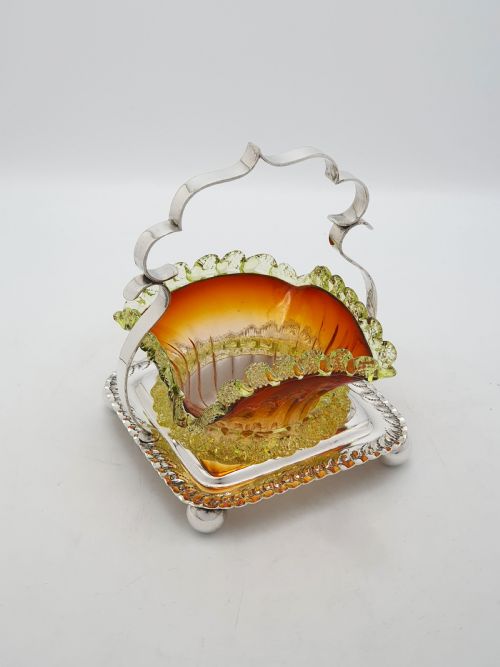
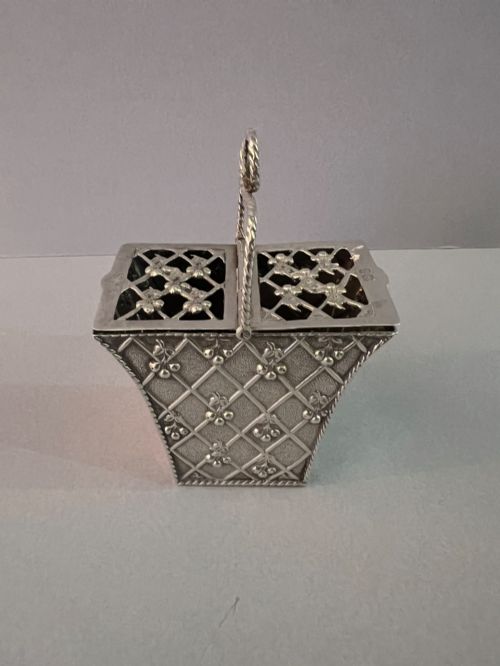
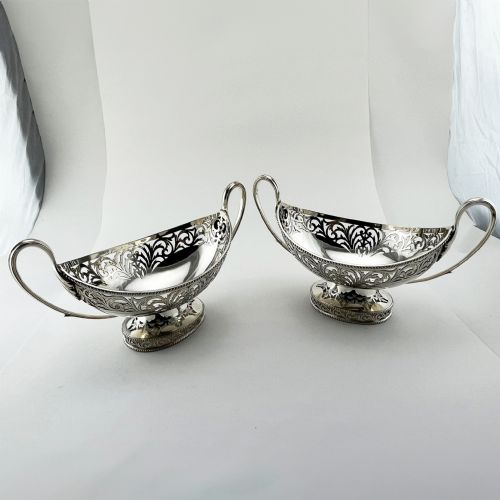
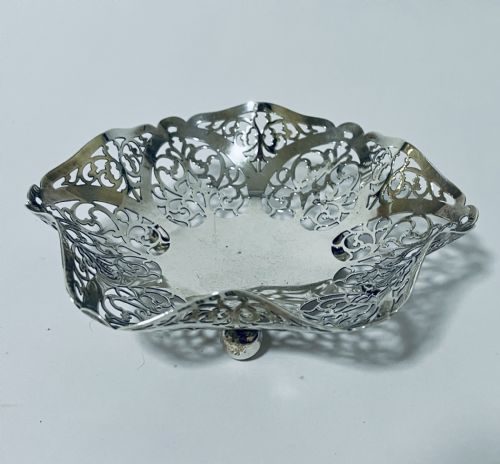
A victorian sweetmeat basket is a decorative tableware item designed for serving small sweets, bonbons, or sugar pieces during formal dining. These items appear primarily in solid silver, sterling silver, or silver plate, frequently incorporating coloured glass liners in cranberry, cobalt, ruby, or amber hues. Porcelain examples and sweet stands also emerge across the selection, reflecting the varied tastes of the nineteenth and early twentieth centuries.
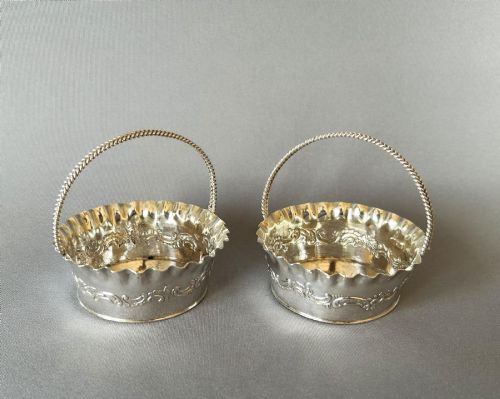
The forms span from oval pierced dishes and sugar baskets to miniature baskets and bonbon dishes. Many items date from the Victorian era, alongside Edwardian examples and pieces from the later nineteenth century. Makers and designers utilised diverse aesthetic approaches, ranging from Rococo Revival and Victorian Rococo Revival to the cleaner lines of the Aesthetic Movement.
How they were made
Silversmiths constructed silver baskets using techniques such as piercing, embossing, and casting to create detailed floral handles and openwork bodies. Sterling silver and silver plate form the primary metal framework, often paired with blown or moulded glass liners in vibrant shades like cranberry and cobalt.
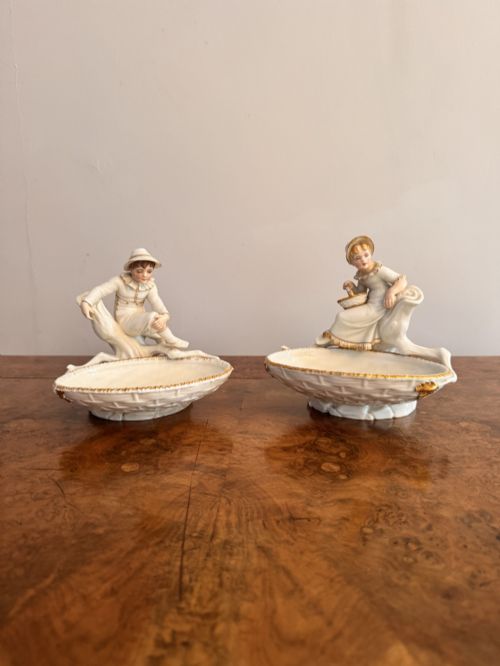
Porcelain variants, including pieces from Thuringia and factories like Volkstedt, rely on traditional ceramic moulding and hand-painting. Artisans integrated gilt finishes, known as silver gilt, to add interior richness to silver bowls and baskets.
Victorian Sweetmeat Basket Retail Price Guide 2026
Typical asking prices for victorian sweetmeat basket among the pieces listed under this phrase on Sellingantiques today, from the lower quarter to the upper quarter. They describe what is for sale here now, not the wider market.
Victorian diners enjoyed so many sweetmeats that silversmiths designed baskets with handles specifically shaped like twisted vine stems.
What varies in quality
Quality rests upon the crispness of the pierced or embossed detailing and the weight of the silver used in the construction. Cast floral handles and intricate openwork demonstrate superior craftsmanship compared to plain or pressed metal alternatives.
The condition and colour intensity of the glass liner influence the overall standard of the piece, particularly with cranberry, cobalt, and amber glass. Signed work by notable silversmiths or designers elevates the standing of an individual basket.
Thomas Bradbury·William Comyns·James Deakin and Sons·Martin Hall·Roberts and Belk·George Fox·Dr Christopher Dresser·Volkstedt Porcelain
The Victorian Sweetmeat Basket Glossary
- Sweetmeat
- A small confection, such as a sweet, candied fruit, or nut, served during dessert courses. These small items required specialised miniature baskets or dishes for presentation.
- Pierced silver
- Metalwork decorated by cutting or piercing patterns directly through the silver sheet. This technique created light, openwork designs popular on Victorian baskets.
- Silver gilt
- Silver objects that have been coated with a thin layer of gold on the interior or exterior surfaces. This finish provided a rich contrast against coloured glass liners.
- Cranberry glass
- A distinctive red-pink transparent glass created by adding gold chloride to the molten glass batch. It appears frequently in late nineteenth-century sweet dishes and liners.
- Bonbon dish
- A small vessel intended specifically for holding small sugar confectionery or bonbons. These pieces match the scale and function of sweetmeat baskets.
Victorian Sweetmeat Basket: Frequently Asked Questions
What were sweetmeat baskets used for?
These baskets served small confections, sugar lumps, and sweetmeats during formal Victorian dining and drawing-room gatherings. Guests selected treats directly from the table containers.
They functioned as both functional tableware and decorative centrepieces, often featuring brightly coloured glass liners to display the sweets effectively.
How do I clean silver baskets?
Silver baskets require gentle cleaning with a soft cloth and specialised silver polish to preserve the embossed and pierced details. Harsh abrasives can damage delicate engraved patterns or gilt surfaces.
Glass liners should be removed and washed separately in warm soapy water. Avoid submerging any weighted or glued components in water.
Are glass liners original to the baskets?
Many surviving baskets retain their original cranberry, cobalt, or amber glass liners, which were blown or moulded specifically for the metal frame. Finding a piece with a matching liner adds to its completeness.
Replacements do occur due to breakage over time, so examining the fit inside the basket helps determine authenticity.
How do I distinguish Victorian from Edwardian pieces?
Victorian pieces often display heavier ornamentation, including Rococo Revival scrolls, cast floral handles, and intricate pierced silverwork. Hallmarks provide exact dating codes for British silver.
Edwardian items frequently lean towards lighter Aesthetic Movement designs or simpler Edwardian styles, reflecting changing decorative preferences around the turn of the twentieth century.