

Victorian Style Tables
Victorian style tables bring solid timber and revival forms into rooms needing a firm centrepiece.
Victorian Style Tables
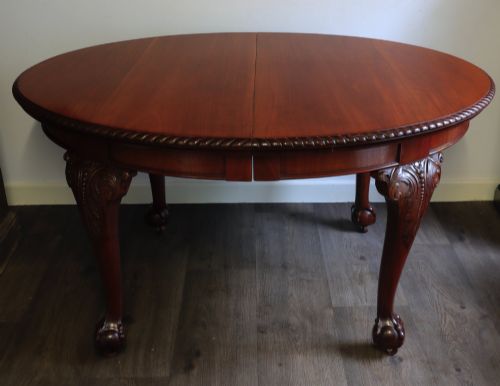
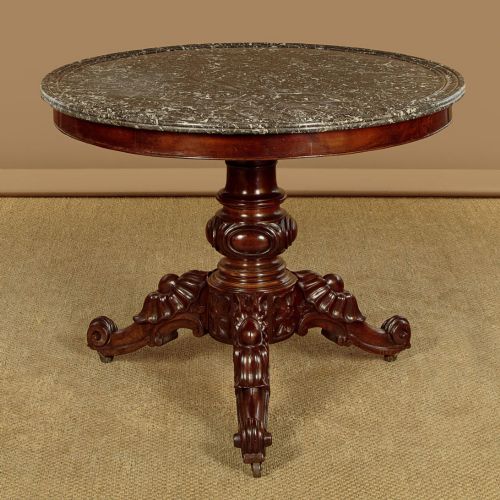
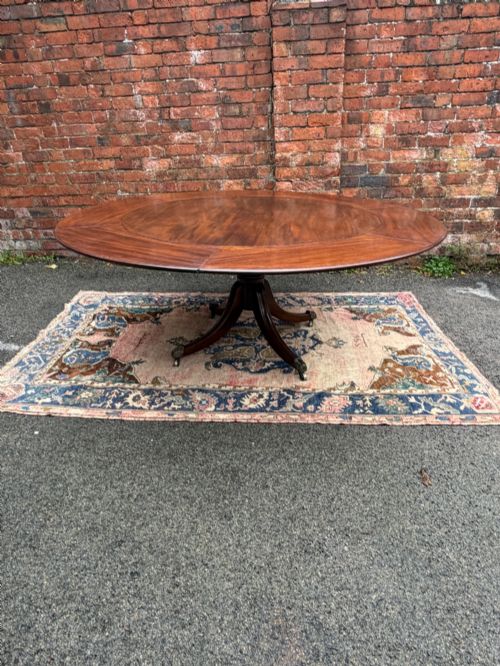
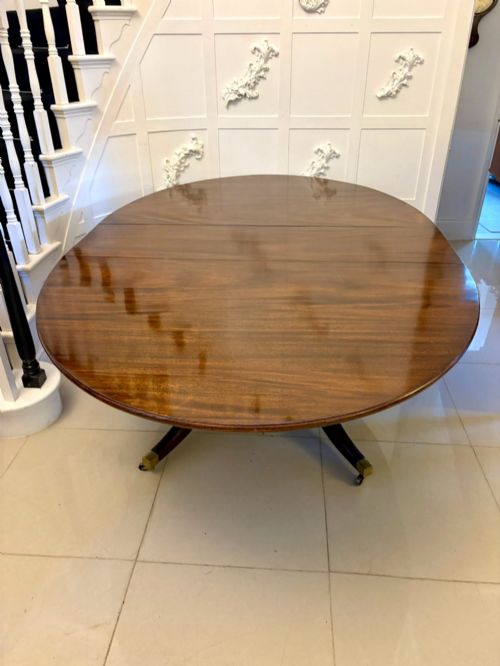
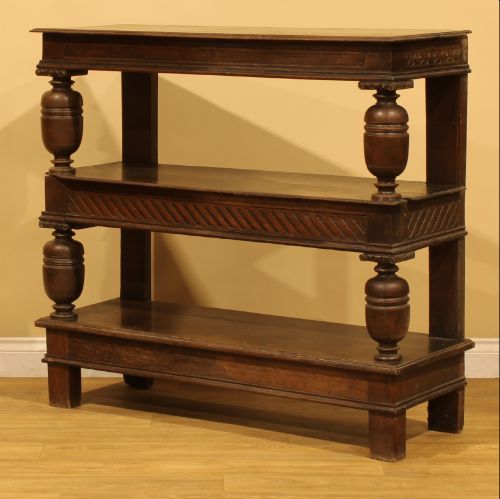
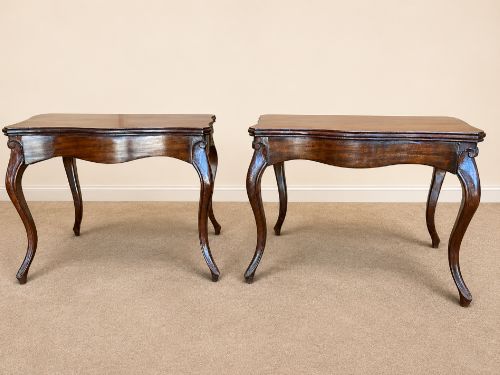
When searching for victorian style tables, buyers encounter a range of timber furniture spanning occasional pieces, side tables, and dining formats. The items appearing under this heading draw on nineteenth century periods and revival aesthetics, including Sheraton and Louis XV influences.
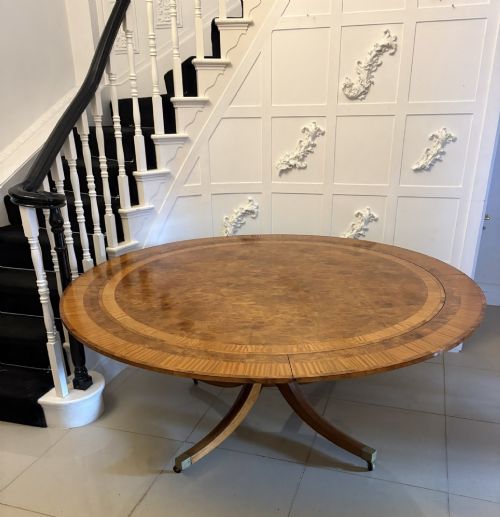
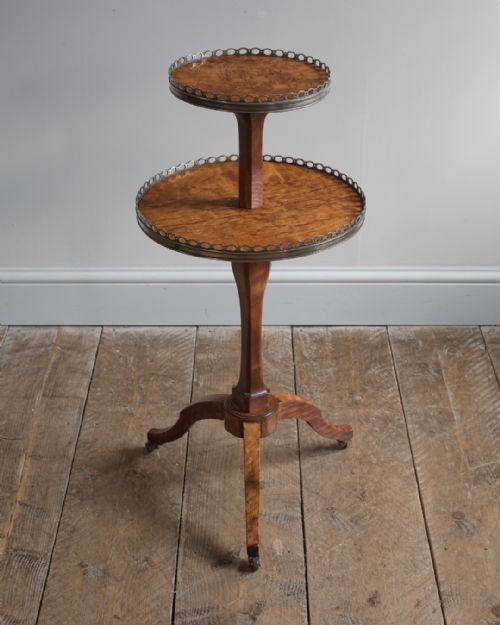
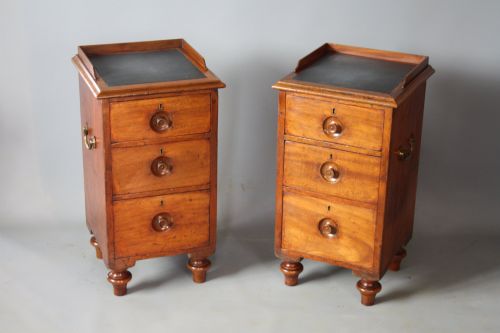
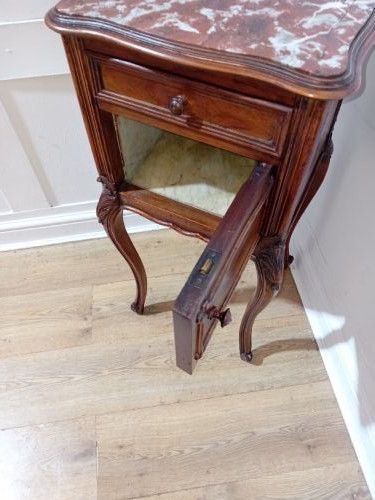
The most common formats on this page are side tables, lamp tables, and occasional tables fashioned from walnut, mahogany, and burr walnut. These smaller pieces offer practical surfaces while displaying the figured timbers and marquetry favoured during the period.
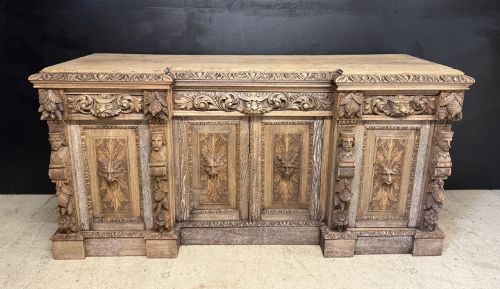
Larger examples include extending dining tables and library desks which utilise solid woods and complex grain patterns. These larger formats often incorporate extension mechanisms or pedestal supports suited to formal reception rooms.
How they were made
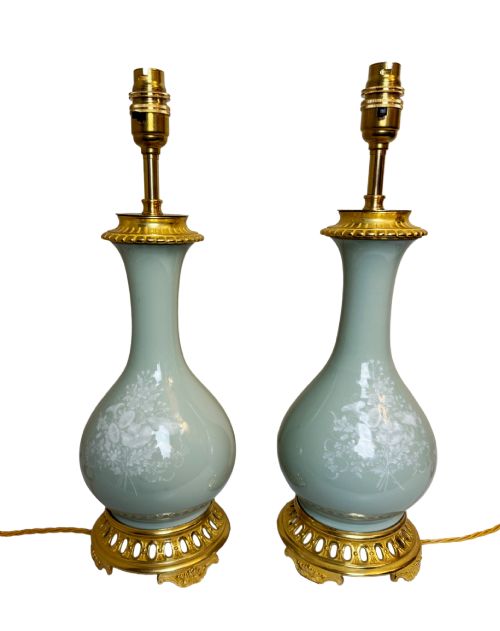
Cabinet makers utilised dense hardwoods such as mahogany, walnut, and kingwood, frequently applying burr walnut or satinwood veneers to create patterned surfaces. Brass and ormolu mounts, along with porcelain plaques, were added to formal French-influenced pieces of the nineteenth century.
Construction relied on traditional joinery techniques combined with turned elements like barley twist legs or carved tripod bases. Marquetry inlay and lacquer decoration were applied by hand to enhance the visual depth of tables and side pieces.
Victorian Style Tables Retail Price Guide 2026
Typical asking prices for victorian style tables among the pieces listed under this phrase on Sellingantiques today, from the lower quarter to the upper quarter. They describe what is for sale here now, not the wider market.
Some tables double as sewing boxes or conceal hidden compartments for needlework.
What varies in quality
The distinction between standard production and superior examples rests on the selection of timber veneers and the crispness of hand carving. Tables featuring matched burr walnut or intricate marquetry inlay demonstrate greater workshop skill than plain timber variants.
Structural integrity depends on the precision of the joints and the stability of extension mechanisms on dining tables. Finer pieces maintain smooth operation in their drawers and drop-leaf supports alongside balanced proportions in the turned or carved pedestals.
Gillows
The Victorian Style Tables Glossary
- Burr walnut
- A figured timber harvested from the tree growths, highly prized for its swirling grain patterns on table tops and cabinet fronts. It was sliced into thin veneers to cover larger surfaces.
- Marquetry
- The art of applying pieces of veneer to a structure to form decorative patterns and pictures. Craftsmen used various coloured woods to create floral or geometric designs.
- Ormolu
- Gilded bronze mounts applied to furniture and decorative objects during the nineteenth century. This technique added metallic ornamentation to French-influenced designs.
- Barley twist
- A turned wooden furniture leg or column resembling a spiral rope. This decorative turning style appears frequently on seventeenth century revival pieces.
- Drop leaf
- A table design featuring hinged flaps that fold down to reduce the surface area when not in use. Supporting brackets swing out to hold the leaves level.
Victorian Style Tables: Frequently Asked Questions
How do I identify a Victorian style table?
Examine the timber selection and decorative motifs to determine the period characteristics. Pieces often feature dense hardwoods like walnut or mahogany alongside turned legs or inlaid veneers.
Look closely at the construction methods underneath the top surface. Hand-cut joints and traditional fixings typically point towards nineteenth century manufacturing standards.
Where should I place an occasional table?
Occasional tables fit well beside seating areas or in hallways where surface space is needed without blocking movement. Their compact dimensions allow them to function as lamp stands or display points.
Keep these timber items away from direct heat sources and strong sunlight to protect the polished finish and veneer surfaces from drying out.
Can I use an antique dining table daily?
Extending dining tables from the nineteenth century are built to handle regular use if treated with basic care. Using protective mats helps guard the polished timber surface against heat and moisture.
Check the extension mechanisms periodically to ensure the runners operate smoothly without placing undue stress on the central joints.
What is the difference between side and console tables?
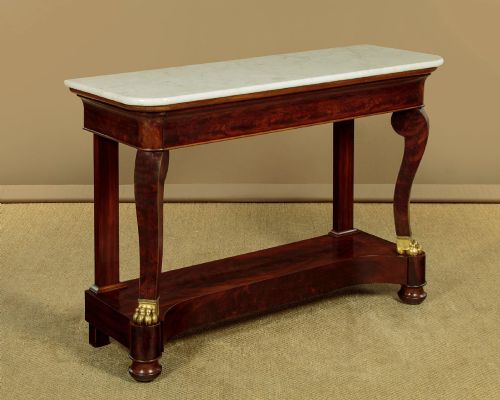
Side tables are freestanding pieces designed to be placed anywhere in a room, often featuring four legs and occasional drawers. Console tables are traditionally built to stand flush against a wall.
Console variants frequently rely on wall attachment or feature decorative pillar supports at the front while maintaining a shallow depth for narrow spaces.