
Antique Style Table
These pieces give an antique style table its substance, offering functional surfaces shaped by decades of woodturning, marquetry and joinery.
Antique Style Table
An antique style table encompasses a broad sweep of domestic furniture designed for dining, writing, or resting objects upon in the parlour or hall. When exploring this phrase, buyers encounter formats ranging from compact occasional stands and Pembroke tables to substantial extending dining tables and writing desks.
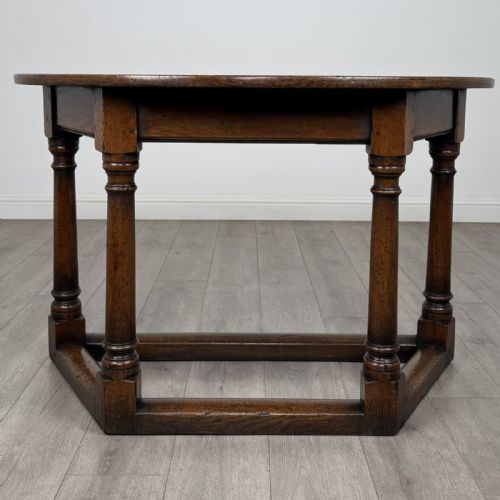
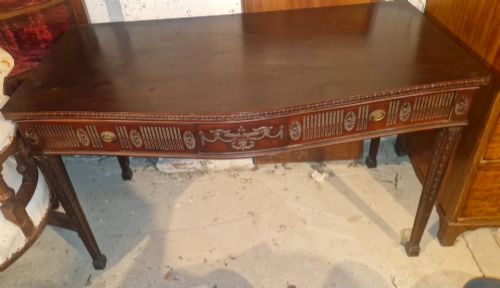
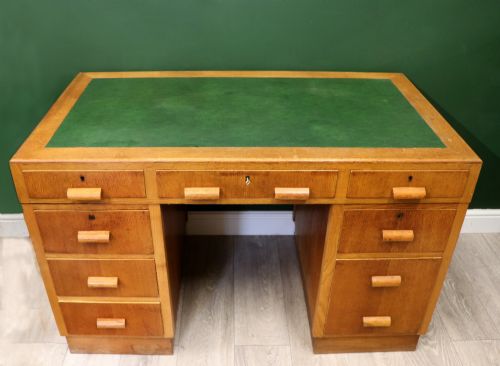
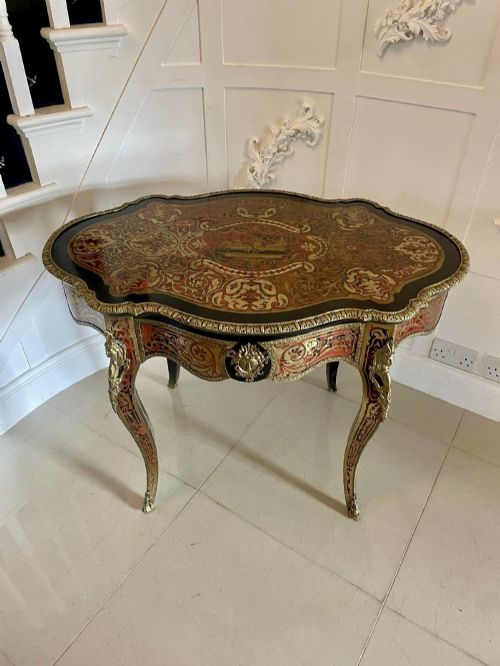
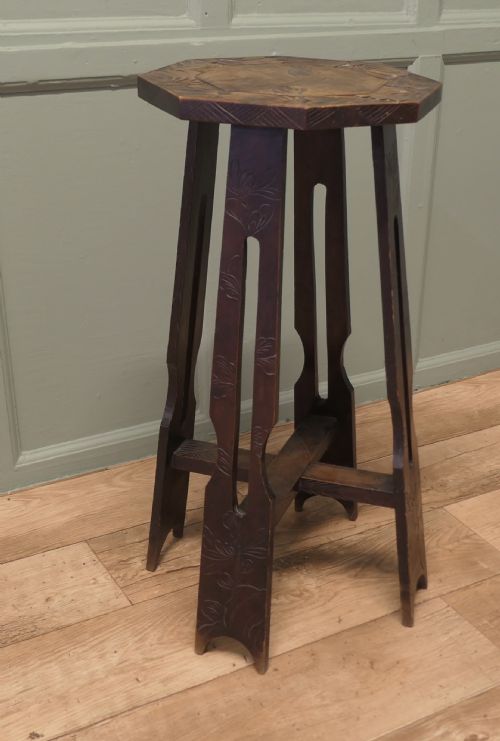
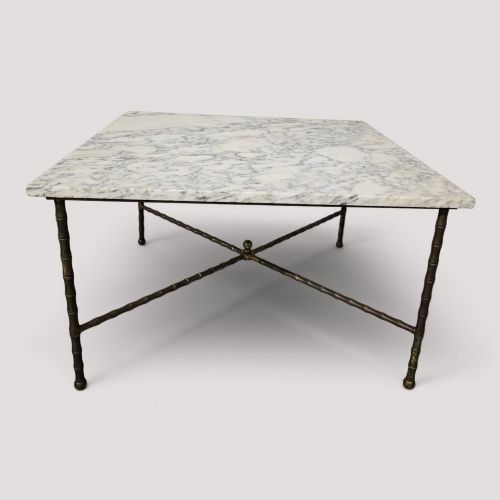
The selection on this page relies heavily on nineteenth-century pieces alongside Edwardian and early twentieth-century revivals. Oak, mahogany, and walnut dominate the offerings, appearing alongside specific regional interpretations such as French coffee tables and Italian stands.
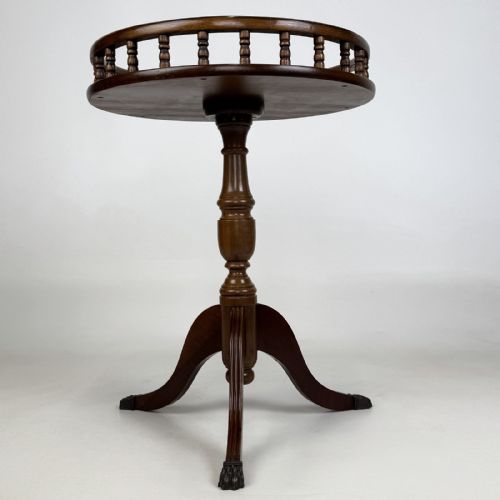
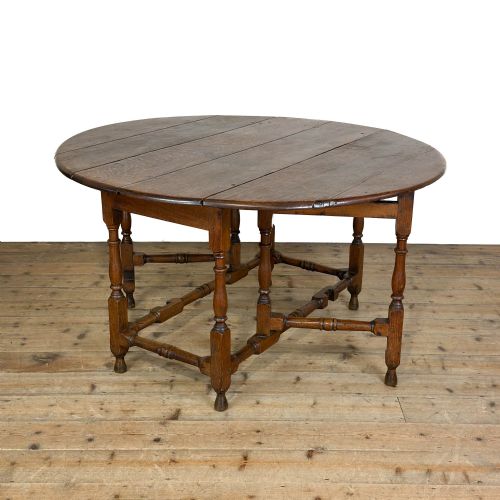
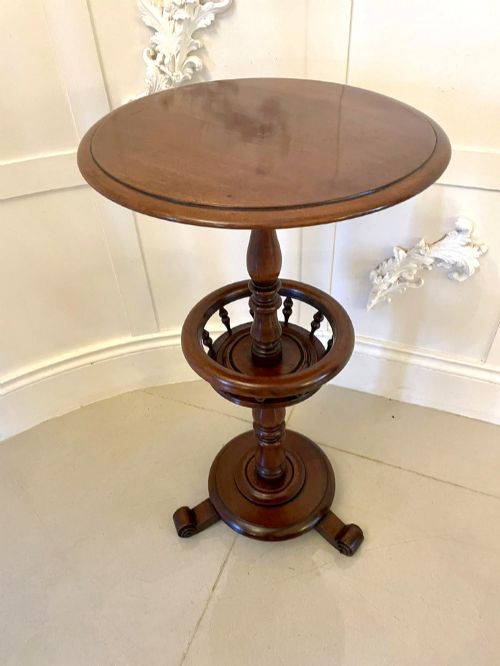
Form follows function across these examples, with drop leaves, gatelegs, and fold-over tops adapting to the changing space requirements of historic rooms. Buyers frequently meet circular lamp tables, bedside cabinets, and side tables that bridge decorative presence and everyday utility.
Materials and construction methods
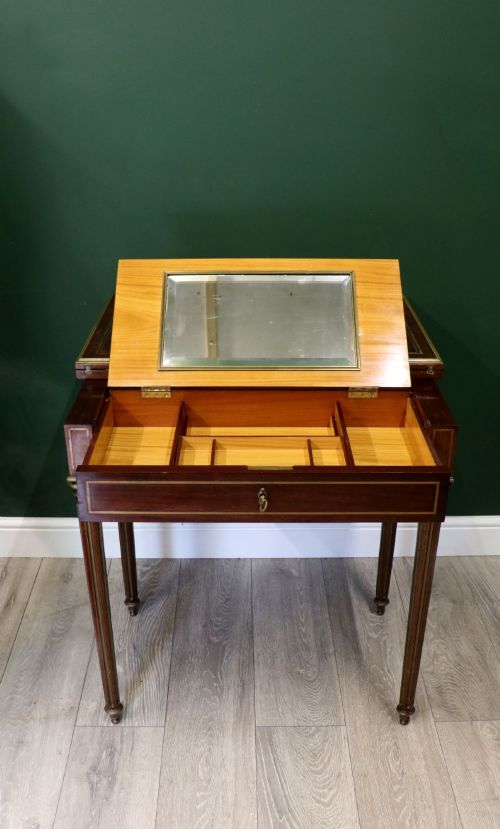
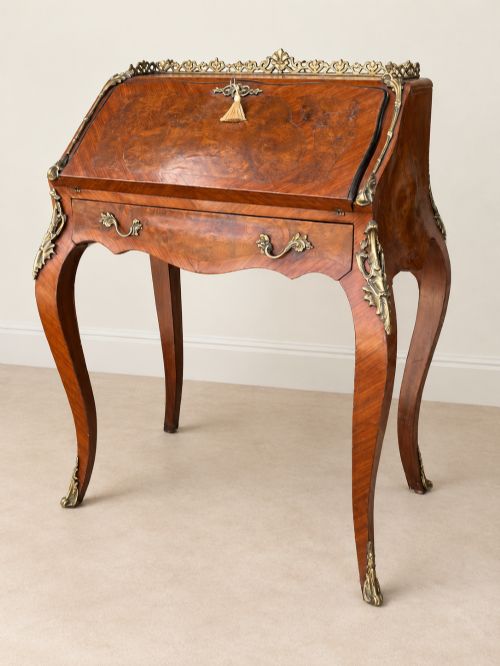
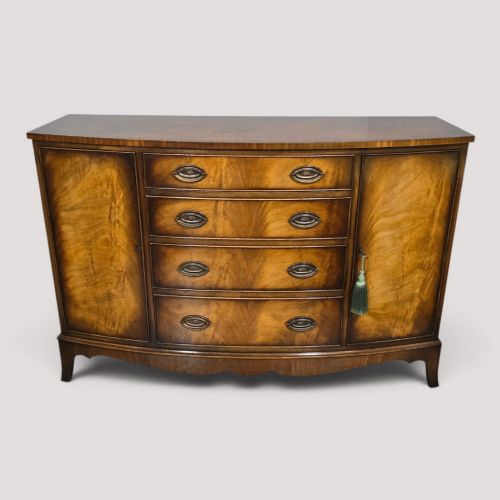
Cabinet makers utilised dense hardwoods including mahogany, oak, walnut, and satinwood, often selecting veneers for geometric parquetry or intricate marquetry patterns. Secondary timbers provided internal framing for drawers and structural support beneath table tops.
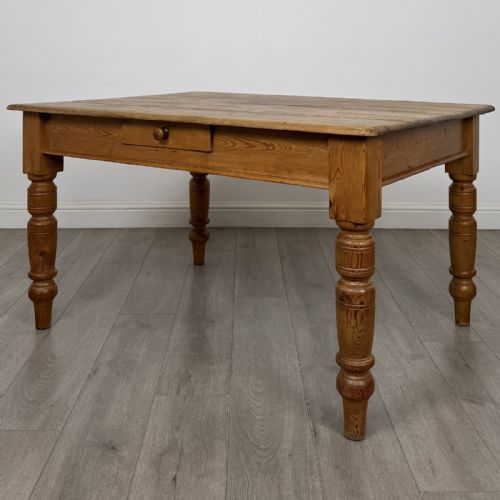
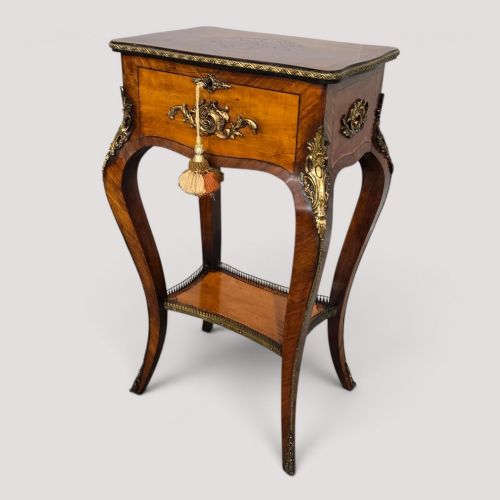
Joinery techniques involved mortise and tenon frames, dovetailed drawer construction, and turned components such as barley twist legs or tapered supports. Metal fittings in brass, ormolu, and cast bronze added functional hinges, handles, and decorative mounts.
Surface treatments ranged from polished timber grains to painted and gilded finishes on French and Italian decorative stands. Inlaid crossbanding and raised galleries completed the detailed embellishments recorded across the periods.
The listings on this page span the Georgian period, the nineteenth century, and twentieth-century revivals, utilising mahogany, oak, walnut, and brass.
Distinctions in quality and execution
The standard of timber selection sets individual examples apart, visible in the grain movement of burr walnut, figured mahogany, and quarter-sawn oak. Superior pieces display carefully matched veneers and consistent colour across table tops and drop leaves.
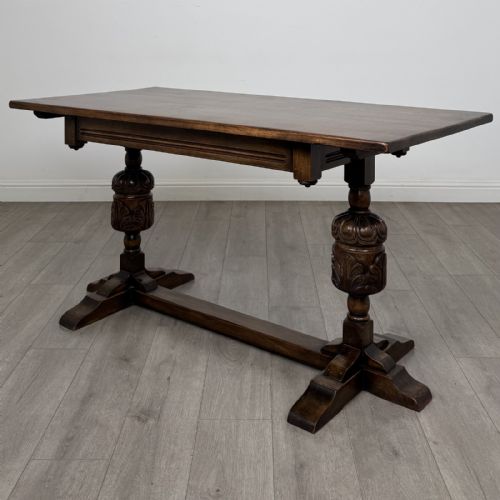
Hand-cut joinery and precise carving define the better items in this category. Crisp execution on stretcher bases, turned legs, and carved mouldings indicates the hand of a skilled maker rather than mass production.
Proportion and structural integrity govern the upper tier of these furnishings. Well-balanced dimensions in smaller lamp tables and extension mechanisms that operate smoothly demonstrate thoughtful initial design and careful retention of original parts.
Liberty and Co·Leonard Wyburd
The Antique Style Table Glossary
- Gateleg table
- A table with hinged drop leaves supported by legs that swing outward like a gate. This form allows the surface area to expand or contract according to room use.
- Pembroke table
- A small rectangular table featuring two hinged drop leaves on opposing sides. Many examples include a single drawer and tapered legs.
- Marquetry
- Decorative inlay work using various coloured veneers to create pictorial or geometric designs. Artisans cut these wooden pieces to fit flush within a prepared surface.
- Crossbanding
- A decorative border of veneer laid around the perimeter of a table top or drawer front so the grain runs perpendicular to the main panel. This technique frames the primary wood selection.
- Stretcher base
- A system of horizontal wooden bars connecting the legs of a table to improve rigidity. These members often feature turned details or central joints.
Antique Style Table: Frequently Asked Questions
What defines a Pembroke table?
A Pembroke table uses hinged drop leaves on the long sides to adjust its surface area. It typically includes a small drawer and stands on four legs.
Purchased for parlour use, these versatile items functioned as writing surfaces or tea tables when space was at a premium.
What is marquetry inlay?
Marquetry is an ornamental technique where fine veneers are cut and fitted together to form pictorial or geometric patterns. Craftsmen applied these designs to table tops and cabinet doors.
The process demands precise cutting of contrasting timbers like satinwood, walnut, and mahogany.
Where should I place an occasional table?
An occasional table suits corners, beside seating, or beneath a window for lamps and small objects. Their modest proportions allow them to fit easily into secondary living spaces.
Pairing these with larger furniture helps break up floor plans while adding useful surface space.