



Victorian Style Seating
Victorian style seating brings robust timber frames and upholstered comfort together, offering enduring character for dining rooms and studies.
Victorian Style Seating
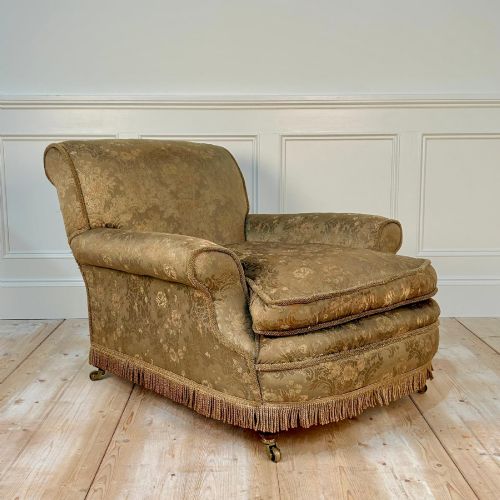
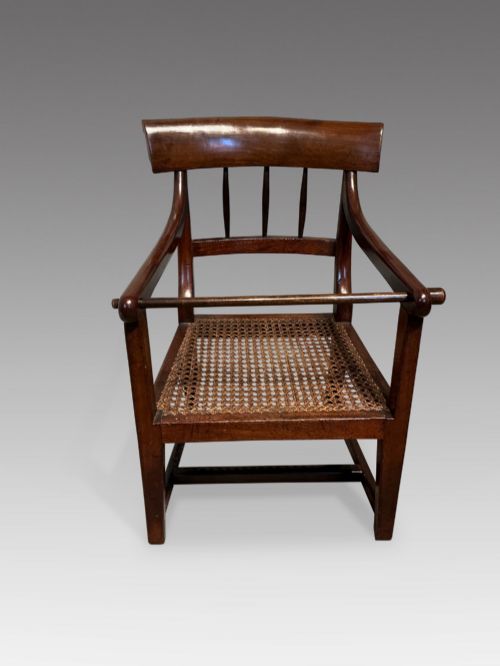
Victorian style seating encompasses a diverse range of chairs, armchairs, sofas, and benches originating from the nineteenth century and subsequent revival periods.
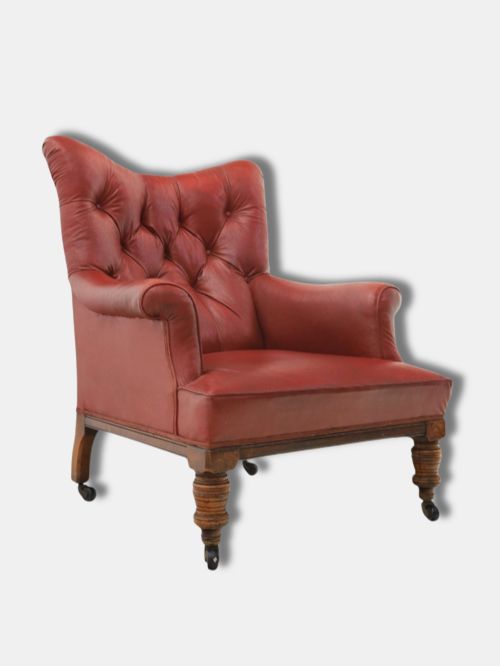
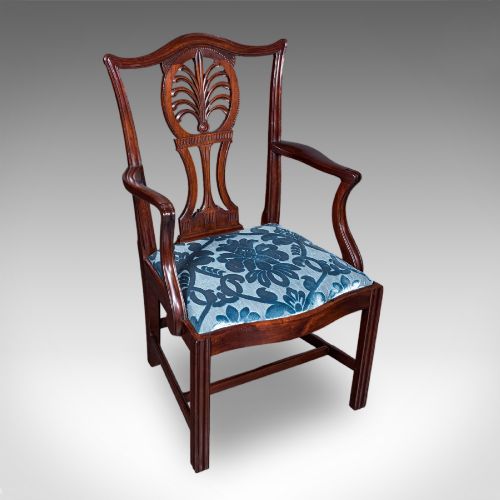
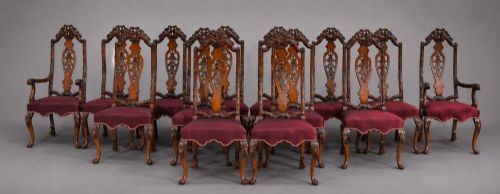
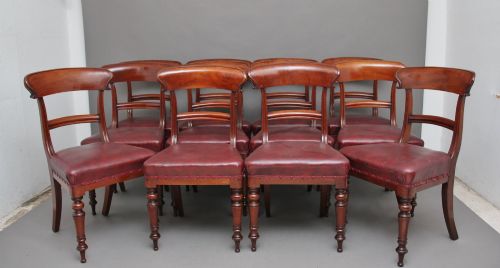
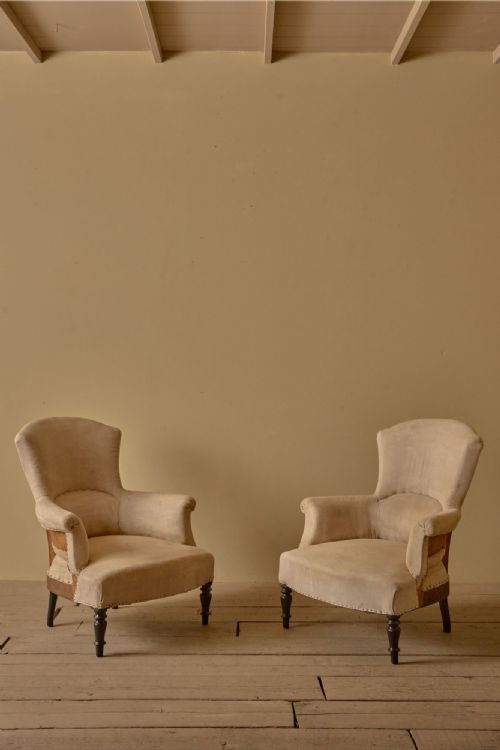
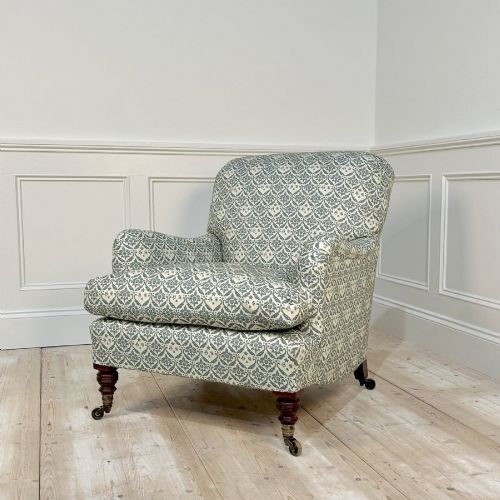
Buyers seeking victorian style seating will frequently encounter mahogany and walnut dining chairs, alongside deep-seated armchairs and sturdy oak benches.
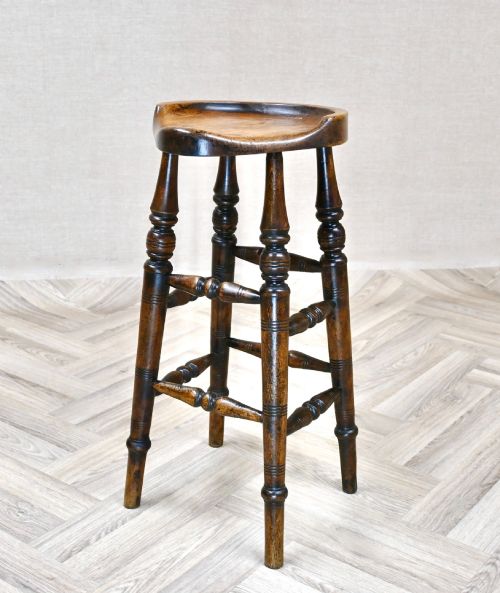
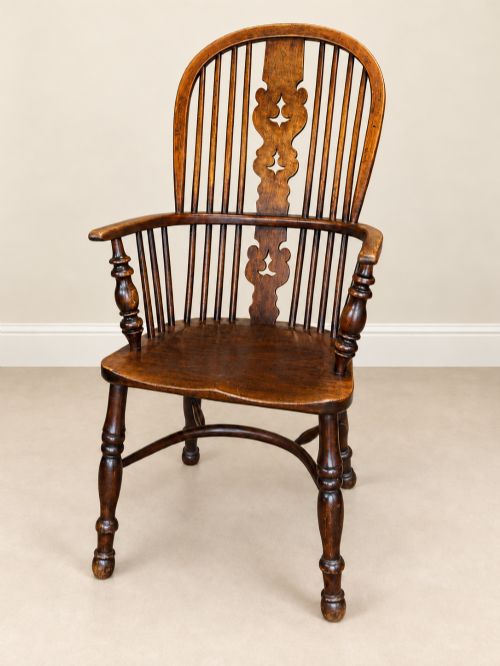
The selection ranges from formal balloon back and shield back dining sets to utilitarian Windsor chairs and iron garden conversation seats.
How they were made
Frames are constructed predominantly from hardwoods such as mahogany, walnut, oak, and beech, often shaped with detailed hand carving.
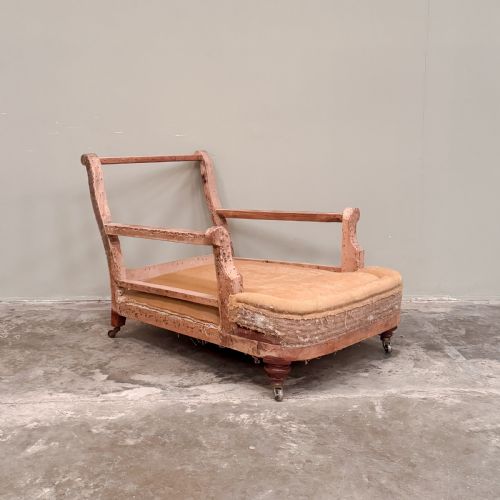
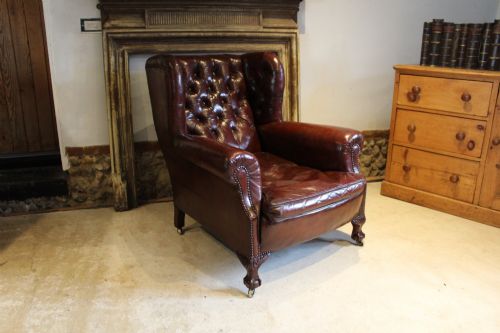
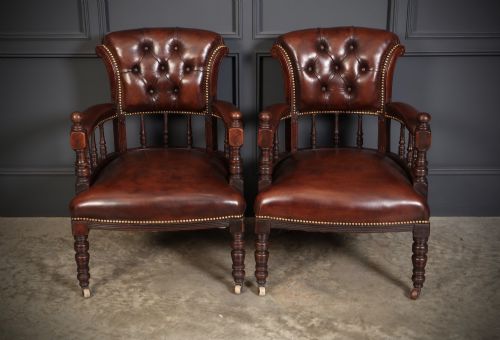
Upholstery relies on traditional stuffing secured with Hessian and finished with leather, fabric, or buttoned coverings, occasionally accented with brass details.
Victorian Style Seating Retail Price Guide 2026
Typical asking prices for victorian style seating among the pieces listed under this phrase on Sellingantiques today, from the lower quarter to the upper quarter. They describe what is for sale here now, not the wider market.
What varies in quality
The integrity of the timber frame and the crispness of the hand-carved ornamentation distinguish finer pieces from simpler workshops.
The choice of primary wood, such as burr walnut or figured mahogany compared to basic oak or beech, marks the division between standard and superior examples.
Howard and Sons·E.W Godwin·Christopher Dresser·Guillows·Minton
The Victorian Style Seating Glossary
- Balloon back
- A rounded, oval-shaped chair back resembling a balloon, popular in mid-nineteenth-century dining chairs. This design provided comfortable lumbar support while showcasing figured mahogany or walnut veneers.
- Windsor
- A traditional wooden chair featuring a solid moulded seat into which the legs and spindled back are wedged. These sturdy chairs often utilise elm or ash for the seats and bentwood for the bows.
- Wingback
- An armchair with side panels or wings attached to the armrests designed to shield the occupant from drafts. They frequently feature deep leather or fabric upholstery with button detailing.
- Bentwood
- Wood softened by steaming and bent into curved shapes, commonly utilised for lightweight chair frames. This technique allowed for elegant, flowing lines without relying on complex joinery.
Victorian Style Seating: Frequently Asked Questions
How do I identify a genuine nineteenth-century dining chair?
Examine the timber underneath and behind the seat for hand-cut joinery marks and tool traces rather than modern machine fixings. The wood should show natural oxidation and consistent wear appropriate to its age.
Check the timber species used for secondary parts, as period makers typically utilised local secondary woods alongside primary veneers like mahogany or walnut.
What is the difference between an armchair and a club chair?
Standard armchairs from this era generally feature open wooden frames with upholstered seats and backrests, suitable for drawing rooms or desks. Club chairs are heavily padded, deep-seated low armchairs designed primarily for lounging and relaxation.
Club chairs often incorporate substantial interior stuffing hidden beneath leather or heavy fabric coverings.
Can I use these antique chairs for everyday dining?
Many nineteenth-century dining chairs were built with robust hardwood frames designed for daily domestic use. Ensuring the joints remain tight and stable is key to safe modern usage.
Checking that the seat frames and supporting stretchers are secure will prevent structural failure during meals.
How should I care for leather upholstery on desk chairs?
Apply a suitable leather balm periodically to maintain suppleness and prevent the hide from drying out and cracking. Avoid placing leather seating in direct sunlight or near heat sources.
Regular dusting with a soft, dry cloth helps preserve the finish and prevents abrasive particles from settling into the grain.