


Victorian Style Fireside Chair
A victorian style fireside chair brings deep low-slung comfort and period presence to a room, rooted in nineteenth-century designs.
Victorian Style Fireside Chair
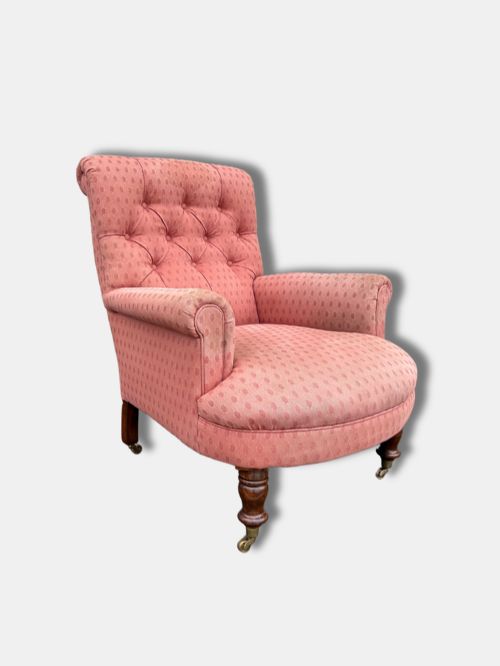
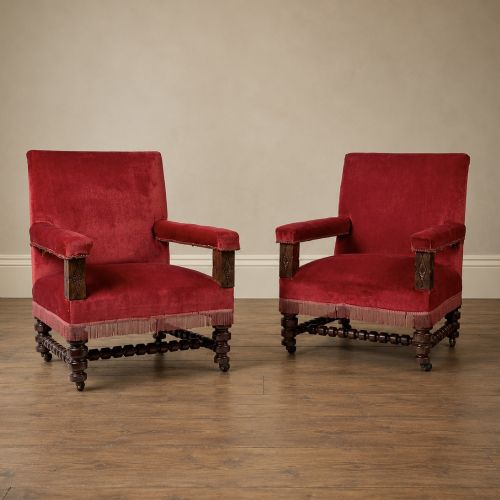
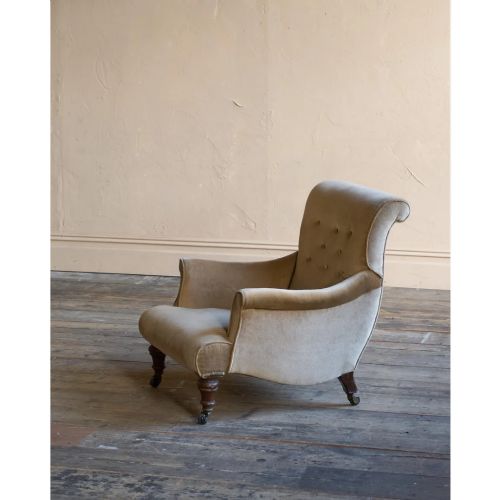
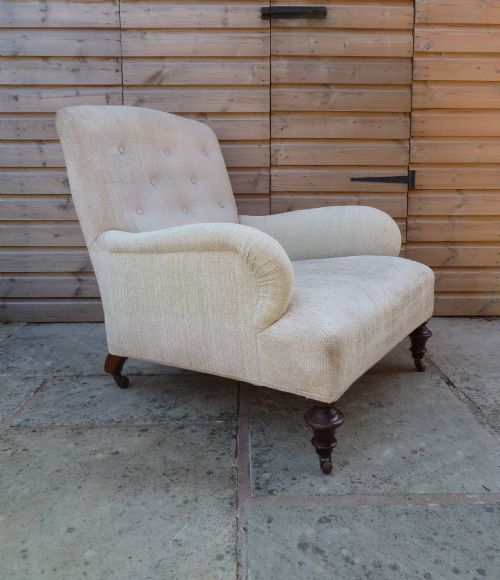
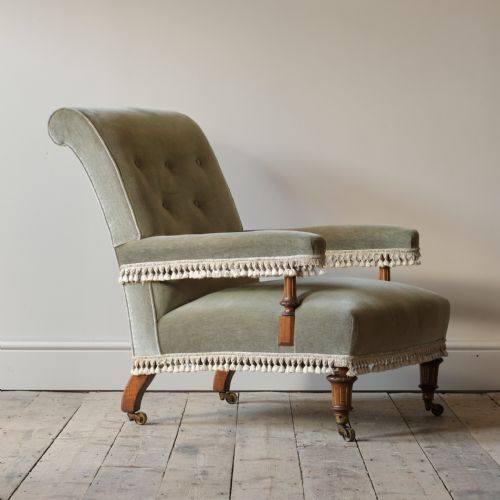
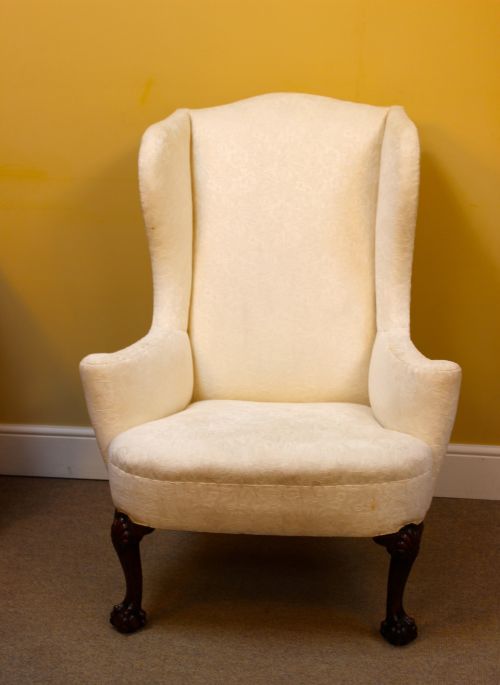
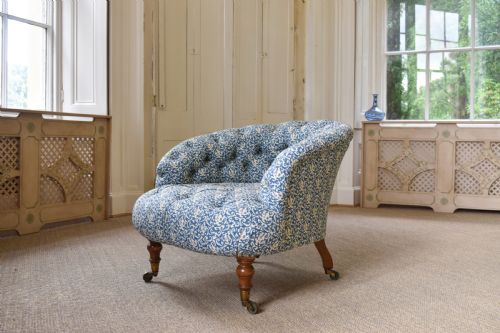
When you search for a victorian style fireside chair, you encounter a variety of nineteenth-century seating designed for parlour and drawing room warmth. These include low button-back armchairs, generous low-slung library chairs, and upholstered wing armchairs built for comfort near a hearth.
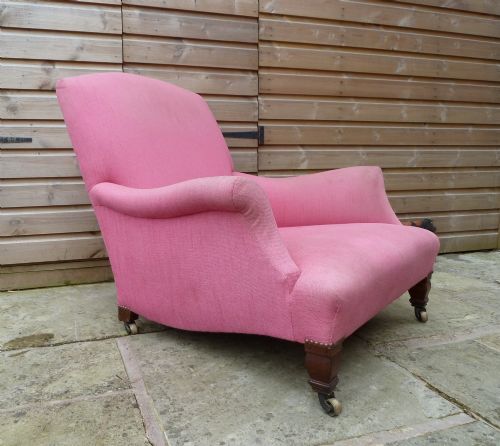
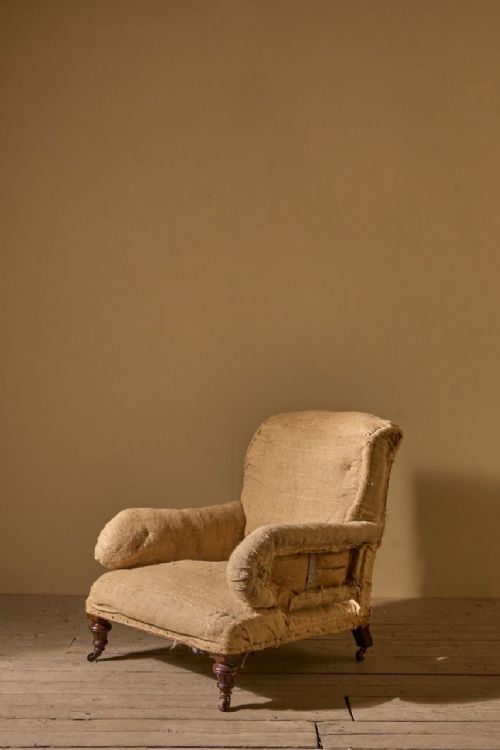
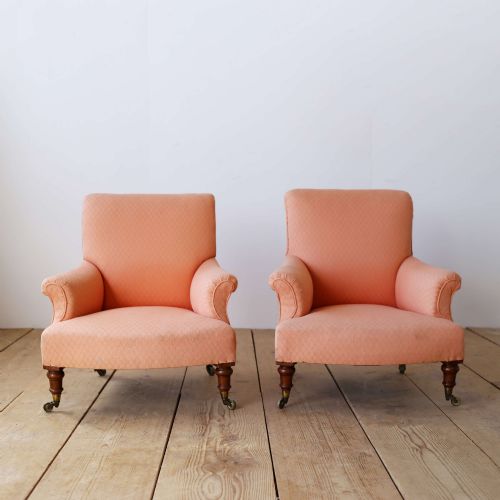
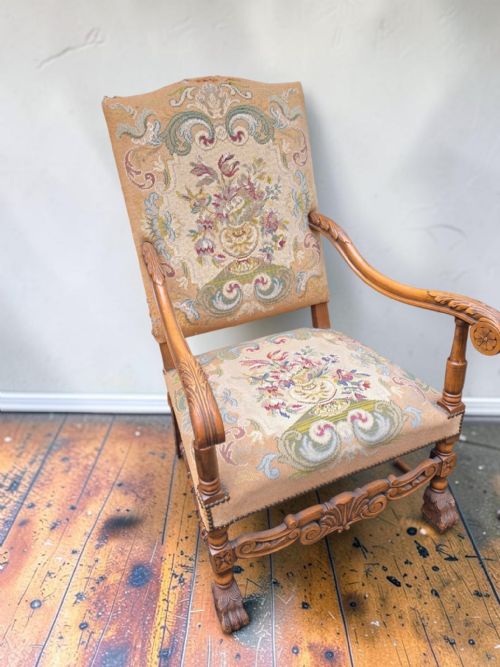
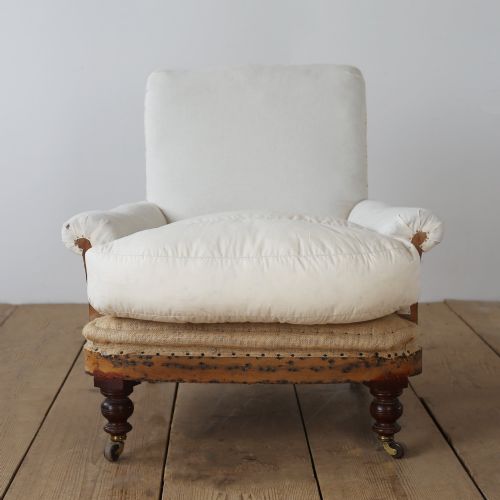
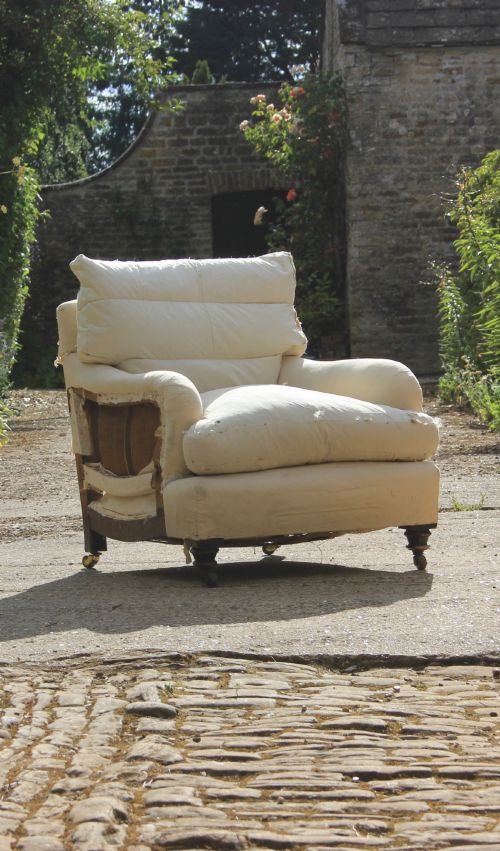
The version you are most likely to meet on this page is an upholstered armchair from the nineteenth century, often reflecting the deep-sprung comfort popularised by makers such as Howard and Sons. Many examples arrive covered in calico, ready for final upholstery, while others feature velvet, cotton, hessian, or tapestry.
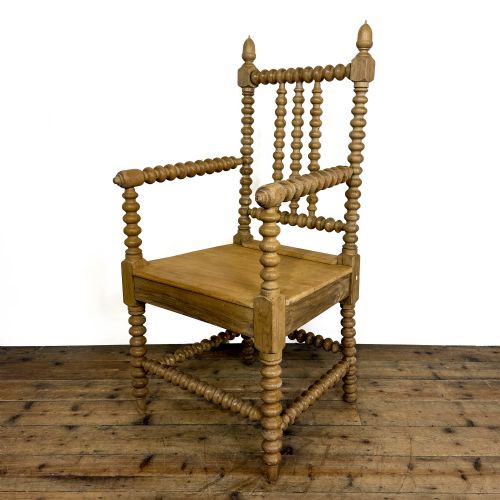
Origins stretch across English country houses and town residences, encompassing styles from Queen Anne revival and Chippendale revival to French Napoleon III and Arts and Crafts spindlebacks. Alongside standard armchairs, you also find occasional slipper chairs and broader country house seating.
Materials and construction
Frames are constructed from sturdy timbers including mahogany, walnut, oak, ash, elm, and goncalo alves, providing a robust structural skeleton for heavy upholstery. Brass castors frequently finish the feet of larger nineteenth-century armchairs, allowing easy movement across carpets.
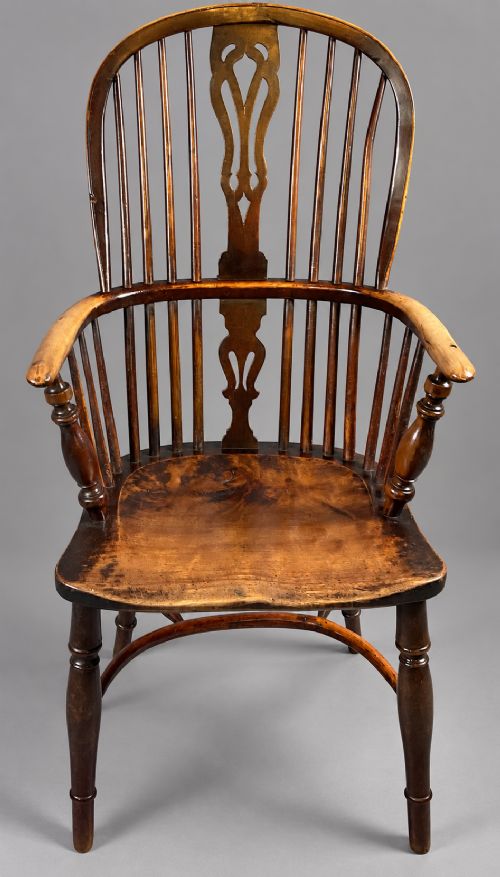
Traditional upholstery methods involve webbing, springs, and stuffing layered beneath outer textiles like velvet, calico, and cotton. Rush seating and spindle backs appear on lighter country variants such as Arts and Crafts Sussex chairs and Windsor forms.
Victorian Style Fireside Chair Retail Price Guide 2026
Typical asking prices for victorian style fireside chair among the pieces listed under this phrase on Sellingantiques today, from the lower quarter to the upper quarter. They describe what is for sale here now, not the wider market.
Several chairs arrive ready in calico, looking like ghosts waiting for their velvet wardrobes.
Quality and proportion
The distinction between ordinary and exceptional seating lies in the integrity of the wooden frame and the depth of the springing system. Superior examples maintain firm structural joinery and well-balanced proportions, whether grandly scaled or compactly built.
Refinement in carving, the selection of dense timbers like walnut or mahogany, and the survival of original brass hardware or maker markings elevate certain pieces above standard vernacular workshops.
Howard and Sons·Gillows·James Shoolbred·SF Cullen
The Victorian Style Fireside Chair Glossary
- Calico
- A plain-woven cotton fabric used extensively as an inner lining or base cover on upholstered armchairs before final decorative textile application.
- Goncalo Alves
- A dense, highly figured tropical hardwood occasionally utilised for distinctive nineteenth-century furniture frames.
- Hessian
- A coarse woven fabric typically manufactured from jute fibres, employed inside traditional upholstery builds to contain stuffing materials.
- Slipper chair
- A low-seated bedroom or fireside chair designed historically without arms to ease the task of putting on footwear.
- Wing armchair
- A comfortable fireside seat featuring protective side panels designed originally to shield the sitter from draughts.
Victorian Style Fireside Chair: Frequently Asked Questions
How do I identify a Howard style armchair?
Look for low, deep-sprung seating with scrolled arms and turned wooden legs finished with brass castors. These pieces prioritise generous comfort and are frequently found upholstered in ticking or calico.
Original examples often bear stamped brass castors or manufacturer markings on the back leg, though many later nineteenth-century workshops adopted the same comfortable proportions.
What is a calico covered armchair?
A calico covered armchair is a seat upholstered in plain cotton fabric that acts as a foundation layer. This leaves the final choice of decorative textile entirely open to the buyer.
Buying in calico allows you to inspect the underlying frame and springs directly while offering a blank canvas for interior customisation.
Are these chairs comfortable for daily use?
Nineteenth-century fireside chairs were engineered specifically for relaxed sitting and extended lounging. Deep springing and padded backs offer substantial support.
Many surviving pieces have been professionally re-sprung and restuffed using traditional methods, ensuring they handle modern daily use with ease.
How do I tell a wing armchair from a library chair?
Wing armchairs feature distinct protective side panels attached to the backrest, designed historically to trap heat and block draughts near a fireplace. Library chairs generally feature open arms and a lower, more rectangular profile.
Both forms utilise robust hardwood frames and deep upholstery, but their upper silhouettes serve different functional aesthetic roles in a room.