

Victorian Style Clock
A victorian style clock brings nineteenth-century craftsmanship into a room, offering both reliable timekeeping and ornate period design.
Victorian Style Clock
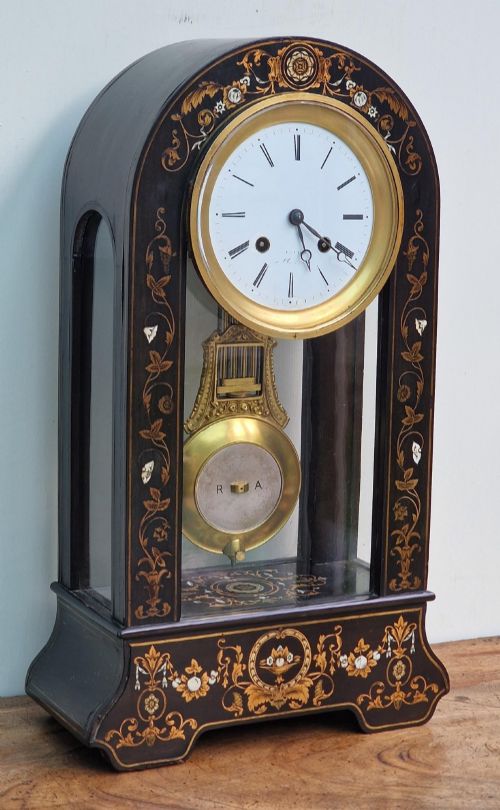
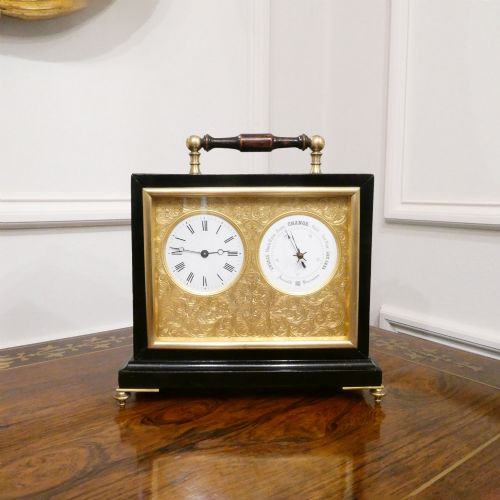
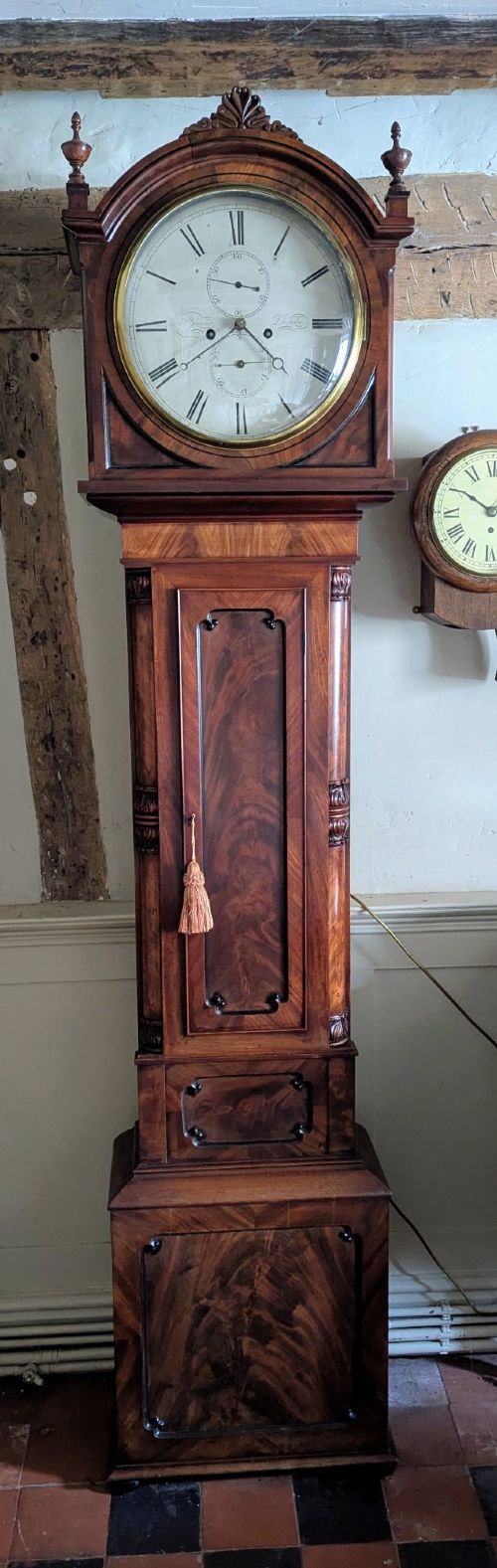
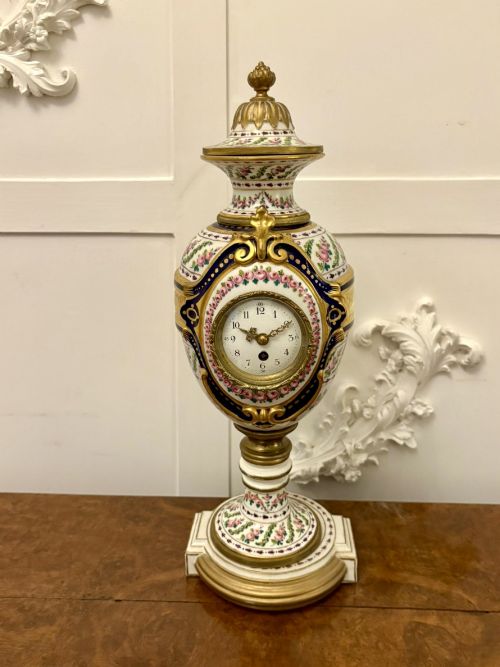
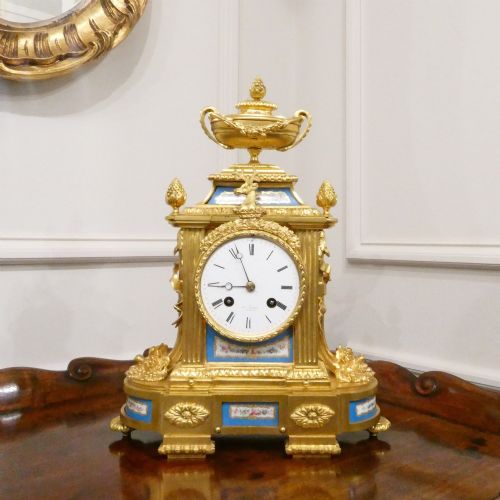
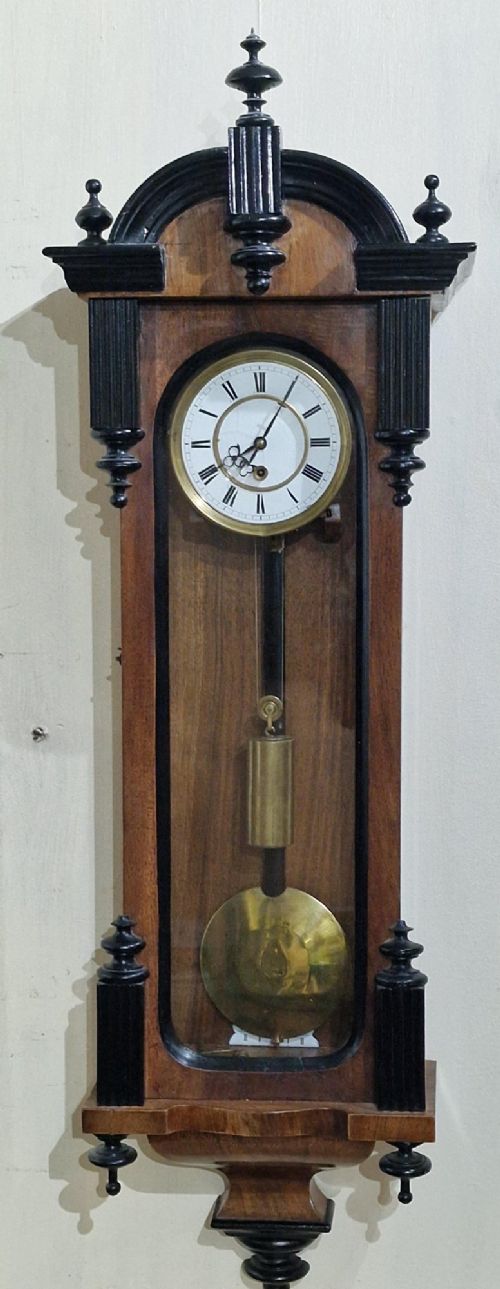
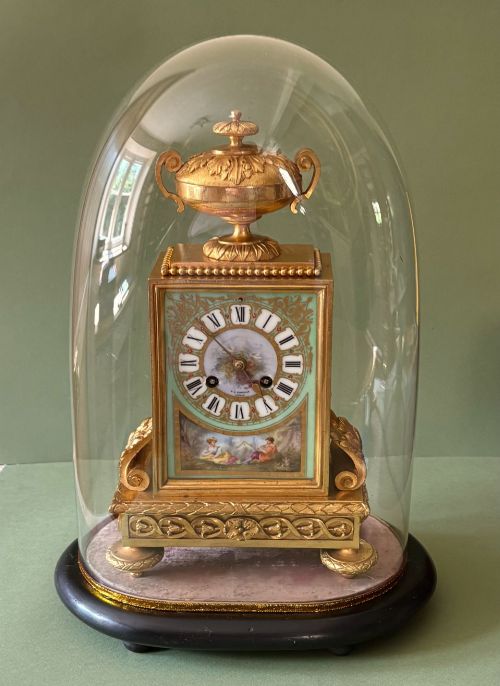
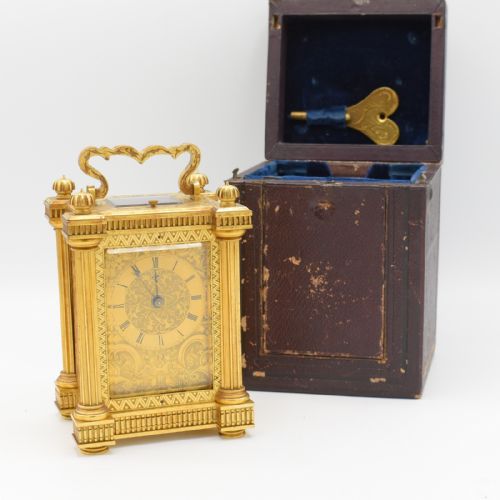
When searching for a victorian style clock, buyers encounter a diverse selection of timepieces spanning the nineteenth century, including mantel clocks, wall clocks, carriage clocks, and clock garnitures. These objects reflect various revivalist movements and domestic practicalities of the period.
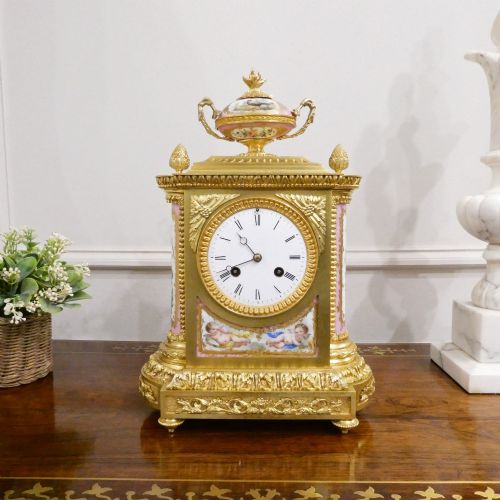
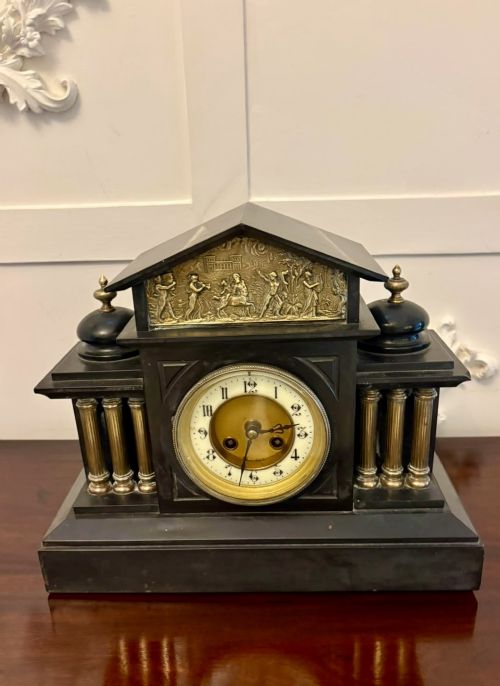
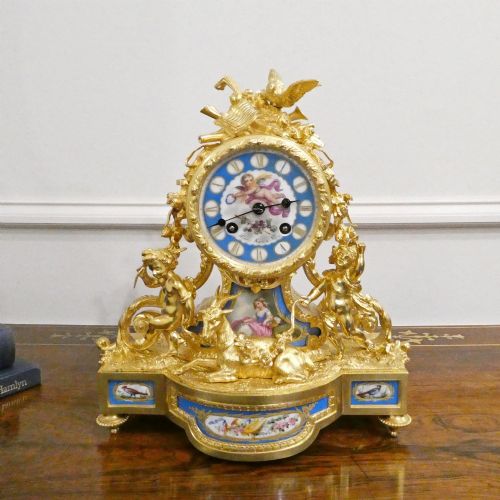
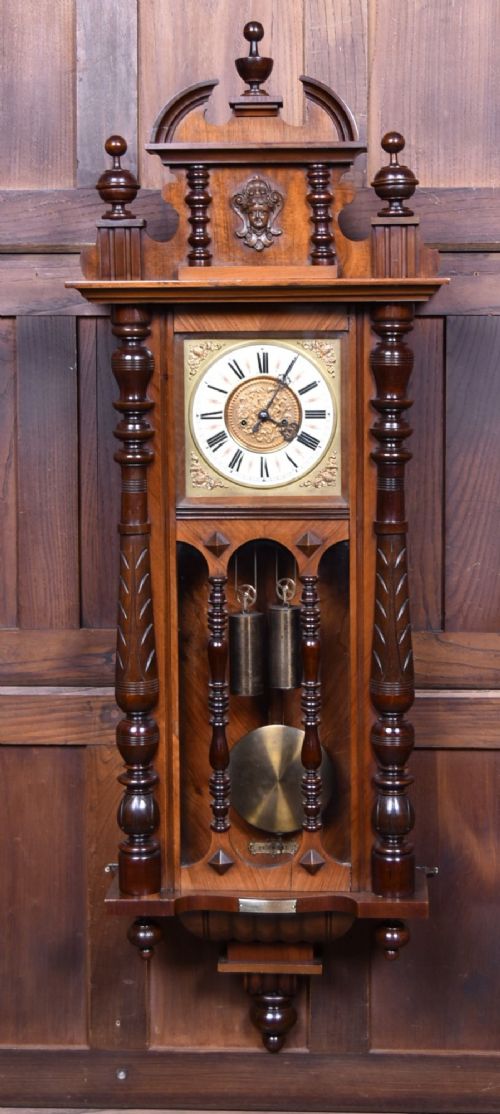
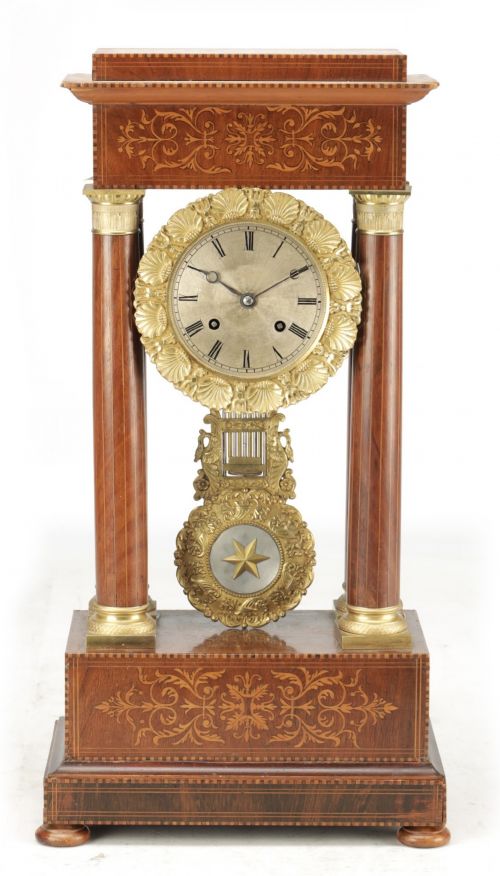
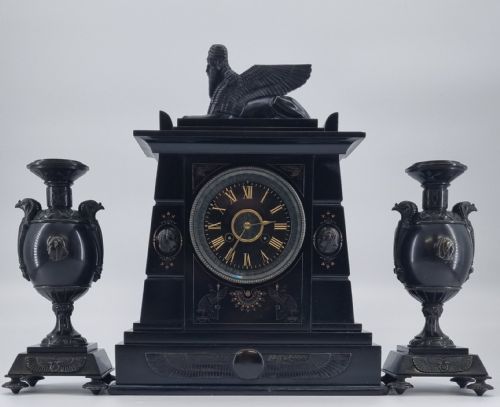
Mantel clocks form the largest group on this page, frequently rendered in French Rococo, Louis XVI, or Egyptian Revival styles. Alongside these, buyers find architectural marble pieces, striking wall regulators, and portable brass carriage clocks.
Originating largely from British, French, German, and Austrian workshops, these timepieces range from simple domestic regulators to ornate porcelain-mounted mantel sets complete with matching garnitures.
Materials and Construction
The construction of these timepieces relies on combinations of cast metals, natural stone, and timber. Workshops utilised heavy brass, gilt bronze, or ormolu mounts paired with polished black marble, white marble, or carved walnut cases.
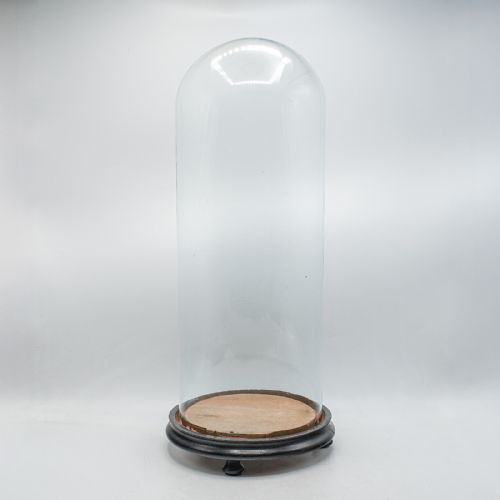
Visual richness comes from hand-painted porcelain panels, enamel dials, and glass domes or cloches. Mechanics inside these cases involved precision brass gear trains, twin fusee movements, and occasionally repeater or alarm complications.
Some nineteenth-century carriage clocks arrived with built-in alarms, ensuring travellers woke up on time despite rumbling stagecoaches.
Markers of Quality
Quality in these timepieces rests upon the crispness of the casting, the depth of the gilding, and the artistic merit of hand-painted porcelain elements. Architectural stone cases show refinement through precise mitring, balanced proportions, and integrated metal mounts rather than applied decoration.
The reputation of the maker and the complexity of the movement also dictate standard. Signed dials and movements from recognised makers indicate higher workshop standards than unsigned, mass-produced counterparts.
Jean-Baptiste Delettrez·Henry Marc·Howell & James·Richard Winter·AG Lenzkirch·Leroy Paris
The Victorian Style Clock Glossary
- Ormolu
- Gilded bronze, typically achieved through a mercury amalgamation process on cast bronze. This technique imparts a durable, luminous golden finish characteristic of French decorative arts.
- Garniture
- A set of decorative matching objects, usually a central clock flanked by matching urns or vases. These sets create symmetrical focal points on mantelpieces.
- Fusee
- A conical pulley used in spring-driven clocks to equalize the diminishing power of the mainspring as it unwinds. This mechanism ensures consistent torque and accurate timekeeping.
- Carriage clock
- A small, portable spring-driven clock with a carrying handle, originally designed for travel. They often feature glass panels exposing the escapement.
- Boulle
- Marquetry technique involving tortoiseshell and brass inlay, popularised in France. Pieces utilising this method display intricate metallic patterns against dark organic backgrounds.
Victorian Style Clock: Frequently Asked Questions
Where should I place a mantel clock?
These timepieces suit stable, level surfaces away from direct heat sources and sunlight, which can damage delicate porcelain or wood finishes. Mantelpieces, sideboards, and dedicated console tables provide traditional display locations.
Ensure the surface supports the weight of heavier marble or bronze models safely without vibration that might interfere with the pendulum swing.
How do I wind a mechanical clock?
Identify the winding arbours on the dial face and insert the appropriate key gently. Turn the key smoothly until you feel firm resistance, avoiding over-winding.
Keep track of winding intervals according to the movement type, whether the clock requires attention daily, weekly, or after longer periods.
What is a clock garniture set?
A clock garniture is a decorative grouping consisting of a central timepiece accompanied by matching side ornaments such as urns, candelabras, or vases. These sets were designed for symmetrical placement on mantelpieces.
Originating largely in nineteenth-century French drawing rooms, they unified the decorative scheme of a domestic interior.
How do I distinguish French and English styles?
French pieces often favour ornate gilt bronze, painted porcelain panels, and Rococo or neoclassical revival styling with decorative flourishes. English examples tend to prioritize architectural restraint, mahogany woodwork, and functional precision.
Examining the signature on the dial or movement usually confirms the country of origin.