


Victorian Style Centre Table
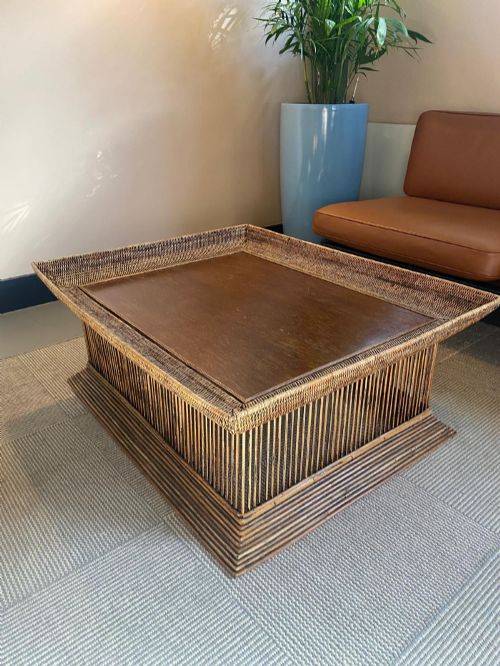
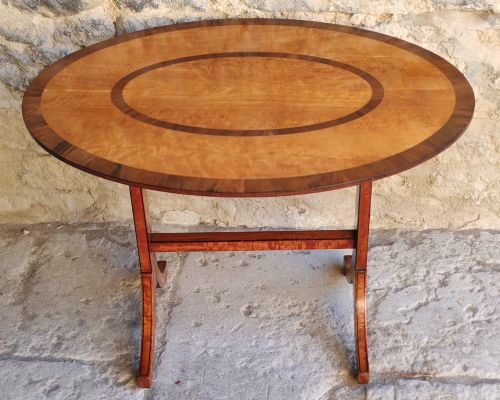
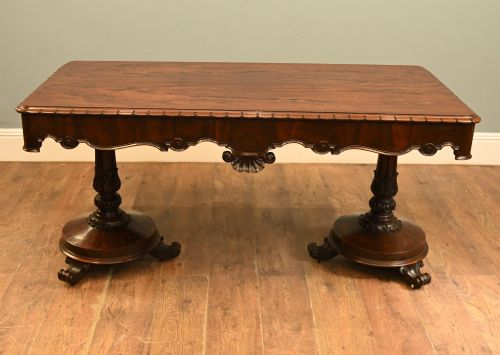
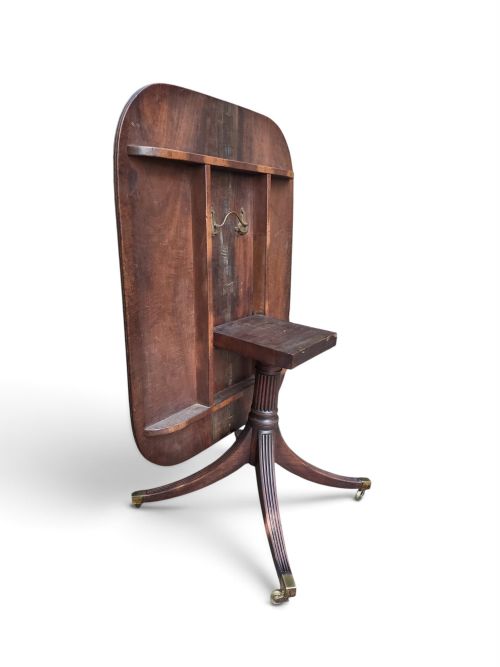
A victorian style centre table stands ready to anchor a principal room, offering a freestanding piece designed to be viewed from every side.
Victorian Style Centre Table
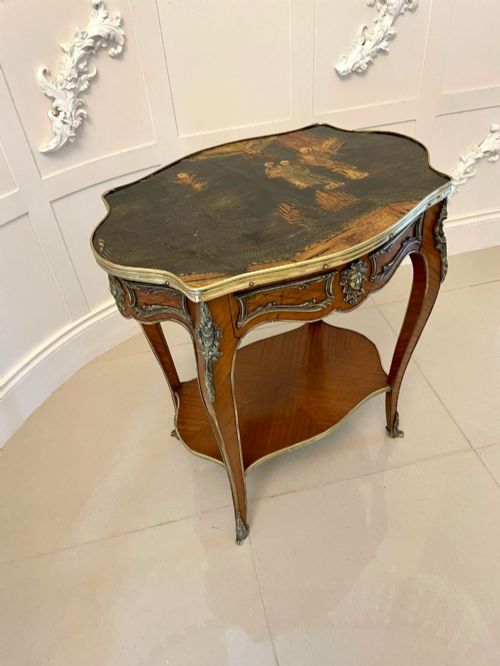
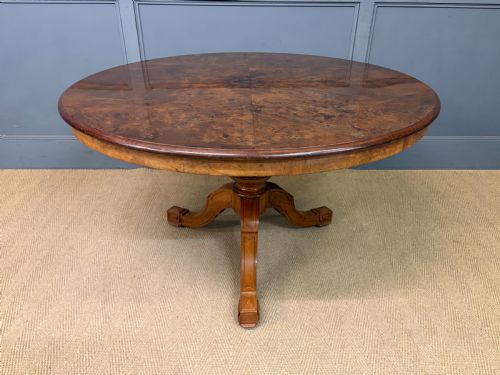
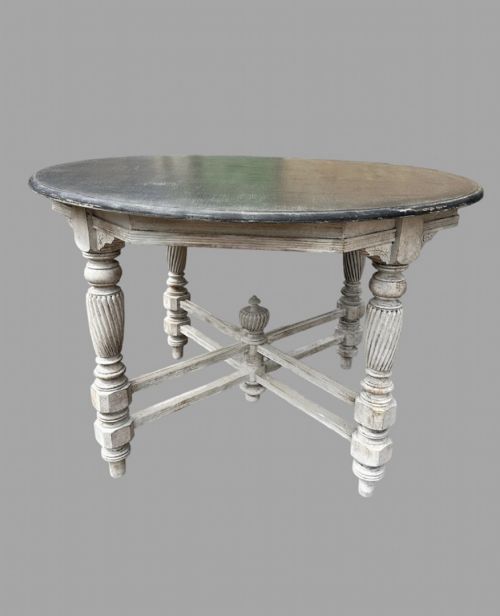
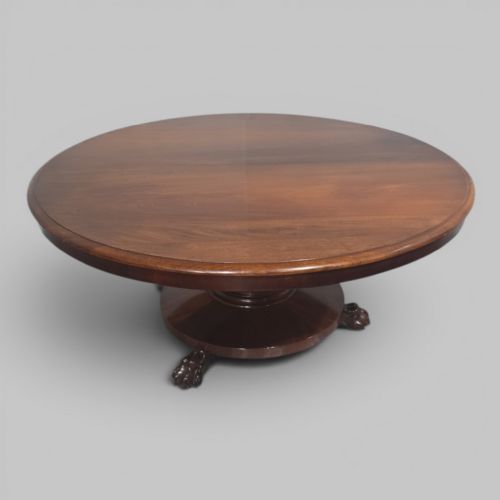
A victorian style centre table brings together freestanding tables designed for the middle of a room, spanning the nineteenth century and later revivals. Buyers encounter forms such as circular occasional tables, drum tables, and library desks intended to sit away from walls.
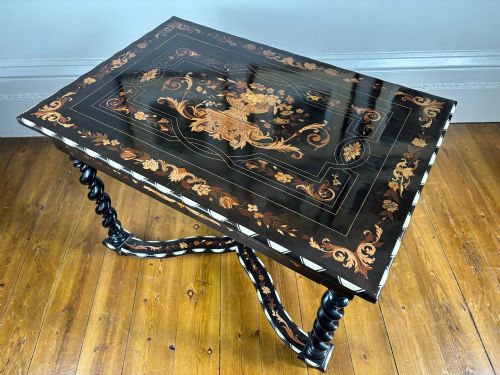
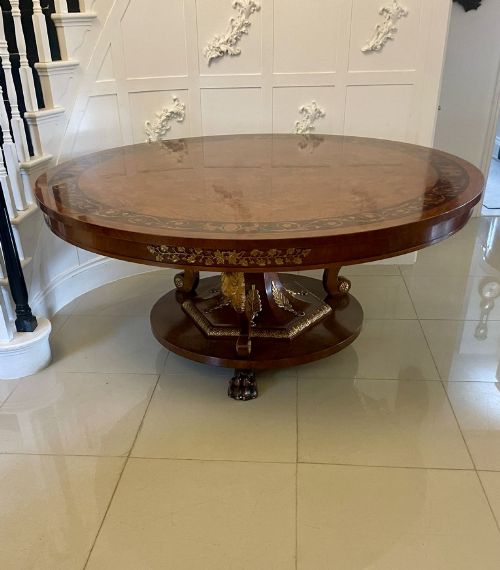
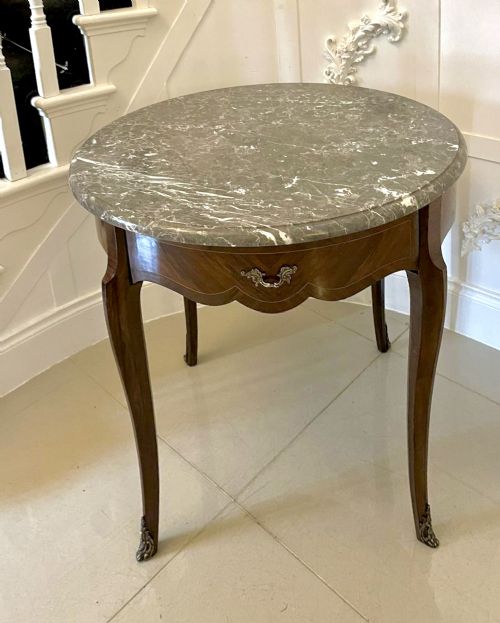
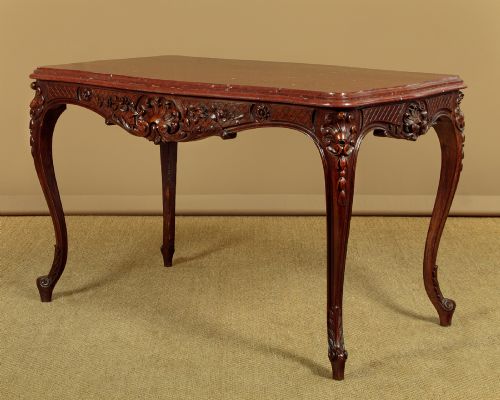
The selection includes pieces influenced by French tastes, Rococo revivalism, and Gothic styles. Walnut, mahogany, and exotic timbers dominate the forms, frequently paired with marble tops or intricate marquetry.
Materials and construction
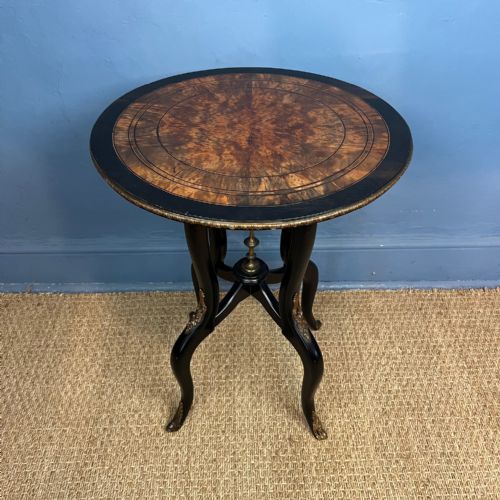
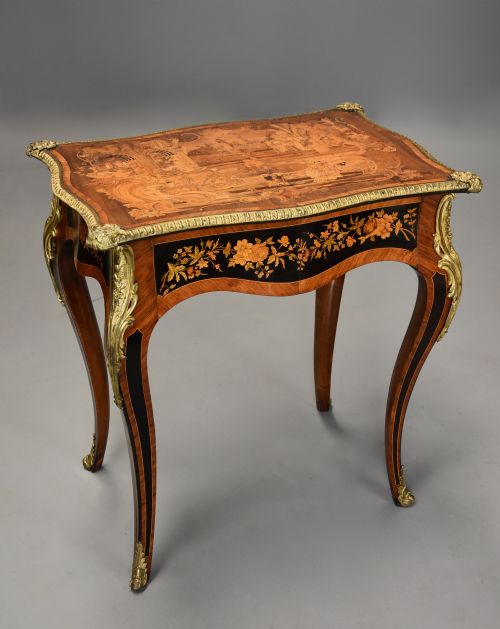
Cabinet makers utilised dense hardwoods like mahogany and walnut, often applying veneers of burr walnut, kingwood, satinwood, and amboyna to create striking geometric or floral patterns. Ormolu mounts, gilt decoration, and brass details accent many examples.
Surface treatments range from intricate marquetry and inlaid brass to tooled leather inserts and hand-carved linden or oak. Marble tops, porcelain plaques, and painted finishes add further decorative layers to the structural woodwork.
Victorian Style Centre Table Retail Price Guide 2026
Typical asking prices for victorian style centre table among the pieces listed under this phrase on Sellingantiques today, from the lower quarter to the upper quarter. They describe what is for sale here now, not the wider market.
One extraordinary nineteenth-century table manages to incorporate a working clock directly into its centre.
Judging the execution
Quality rests upon the precision of the timber selection and the integration of secondary materials such as ormolu mounts and marble slabs. Superior examples show seamless veneer matching and crisp, deep carving rather than shallow machine work.
The sophistication of the internal framing and the finish applied to hidden surfaces dictate the longevity and standing of a piece. Finer tables maintain structural integrity across freestanding joints while displaying harmonious proportions.
Gillows·Eugene Clauss
The Victorian Style Centre Table Glossary
- Ormolu
- Gilded bronze mounts applied to furniture for decoration. This technique gained widespread favour in French-influenced nineteenth-century pieces.
- Marquetry
- Decorative patterns formed by inserting pieces of contrasting veneer into a wood foundation. Craftsmen utilised various exotic woods to achieve pictorial designs.
- Gueridon
- A small French freestanding pedestal table designed for a specific room placement. These tables frequently feature round marble tops.
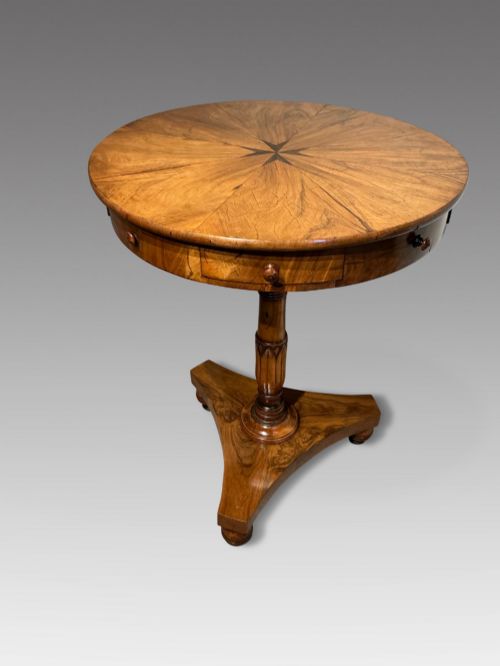
- Drum table
- A circular library table with a deep top containing drawers, supported on a central pillar and tripod base. The cylindrical apron resembles the shape of a drum.
Victorian Style Centre Table: Frequently Asked Questions
Where should a centre table go?
These pieces suit placement in the middle of a room, library, or hallway where they can be appreciated from all angles.
Because they are finished on every side, they function well away from walls as display surfaces or writing desks.
How do I care for a wood table?
Polished wood surfaces benefit from consistent dusting and occasional application of appropriate wax to maintain the grain.
Protecting tabletops from direct heat and moisture preserves both the veneer and the underlying timber structure.
What is a marble top used for?
Marble slabs provide a durable, cool surface suited for holding lamps, vases, and decorative objects without risking heat or water marks.
This material adds weight and stability to freestanding tables while introducing contrasting colour and veining.
How do I identify revival styles?
Revival pieces borrow motifs from earlier periods such as French Rococo, Gothic, or Regency designs, reinterpreting them with nineteenth-century methods.
Examining the secondary timbers and construction joints helps distinguish original period work from later interpretations.