

Victorian Style Bedside Tables
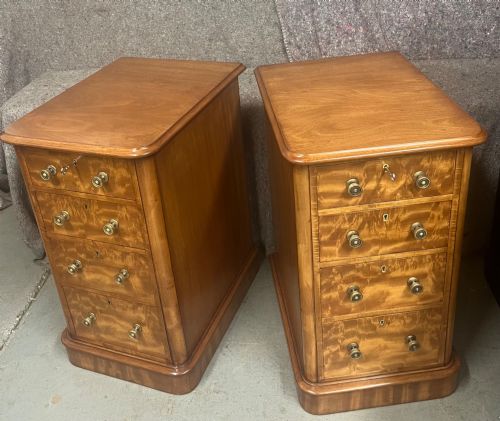
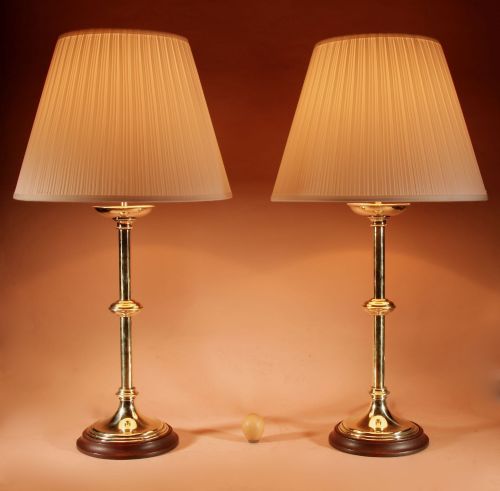
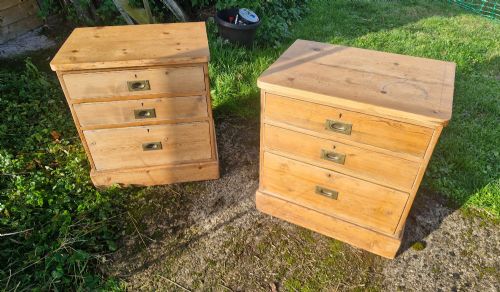
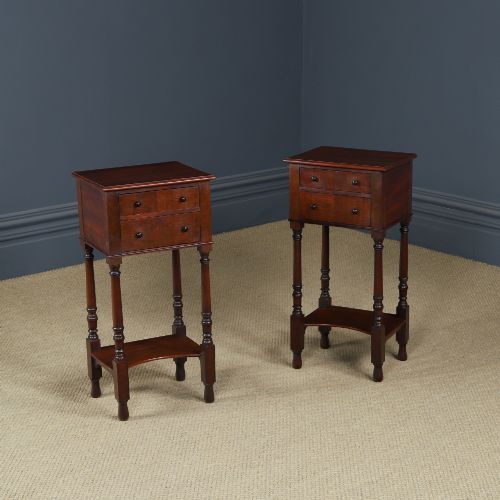
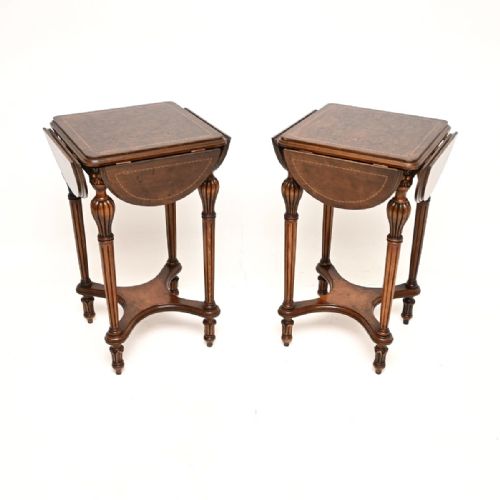
These Victorian style bedside tables bring period timber and brass detail to the bedroom, offering practical storage beside a bed.
Victorian Style Bedside Tables
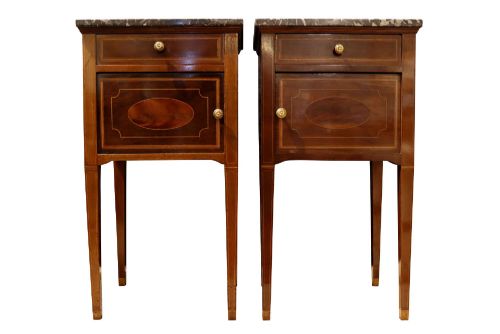
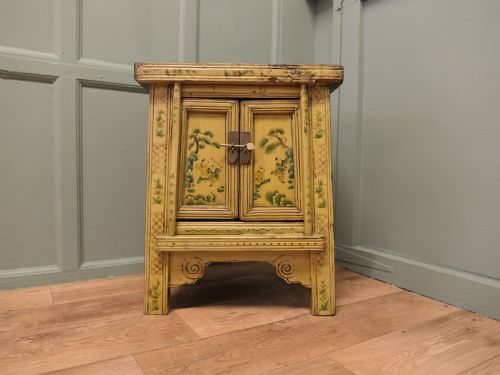
When searching for victorian style bedside tables, buyers encounter compact storage items designed for nineteenth and early twentieth century chambers. The selection includes enclosed cupboards, small chests of drawers, and open tables originating from diverse periods up to the early twentieth century.
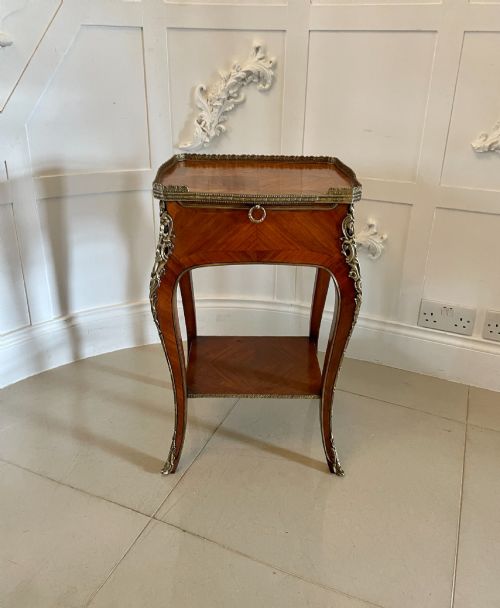
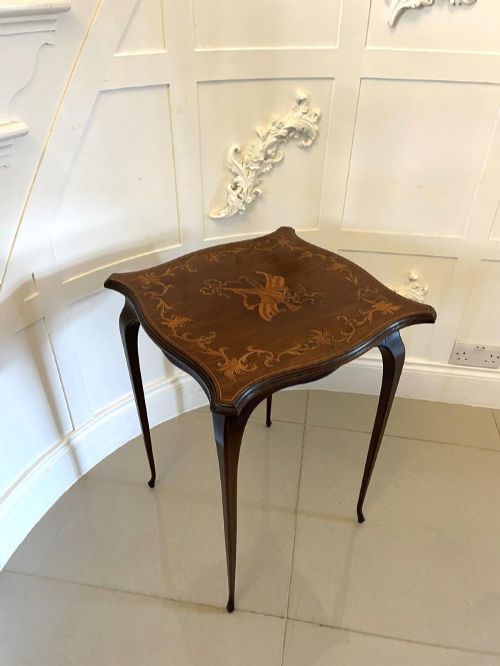
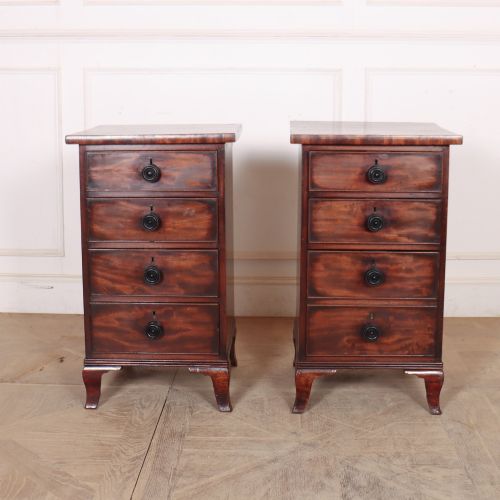
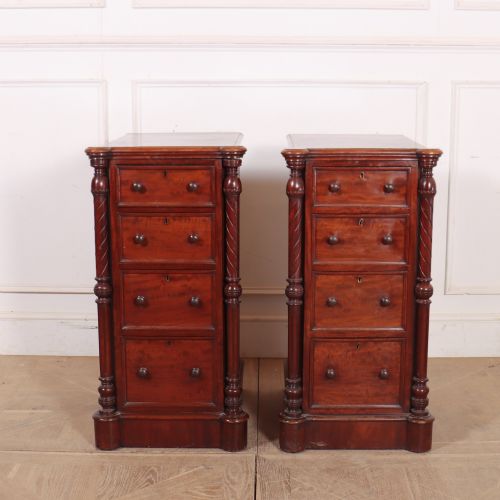
Mahogany and walnut form the core of the selection, frequently shaped into bedside chests with multiple drawers or cupboards. Pieces range from plain timber constructions to examples featuring marquetry inlay, satinwood details, and marble tops.
Design influences stretch across various revival styles including Sheraton, Gothic, and French taste. Many items appear as matched pairs, providing symmetrical arrangements for either side of a bed.
Materials and Construction
Cabinet makers utilised dense hardwoods like mahogany and walnut as the primary structural timbers, often enhanced by contrasting satinwood inlay or intricate marquetry patterns. Brass fixtures, handles, and mounts provide functional accents across many pieces.
Surface treatments include polished timber finishes alongside painted decoration and chinoiserie motifs. Marble tops appear on specific French style cabinets, offering a durable and decorative upper surface.
Victorian Style Bedside Tables Retail Price Guide 2026
Typical asking prices for victorian style bedside tables among the pieces listed under this phrase on Sellingantiques today, from the lower quarter to the upper quarter. They describe what is for sale here now, not the wider market.
Period dates span the nineteenth century through to the 1930s.
Craftsmanship and Proportion
Superior examples demonstrate refined timber selection, such as burr walnut veneers or well-matched mahogany grains, alongside crisp marquetry and inlay work. The finesse of brass mounts and the precision of drawer joinery separate standard utility pieces from finer creations.
Proportion and decorative restraint dictate the distinction between basic workshop items and high quality outputs. Original brass hardware, sound structural framing, and integrated stylistic details define the upper tier of the range.
The Victorian Style Bedside Tables Glossary
- Marquetry
- Decorative veneer work arranged in pictorial or geometric patterns using various woods. This technique adorns the surfaces of finer cabinets and tables.
- Satinwood
- A durable, lustrous timber with a pale yellowish colour. It frequently provides contrasting stringing or inlay panels on mahogany furniture.
- Ormolu
- Gilded bronze used for decorative mounts and fittings on furniture. It adds metallic detail to French style and revival pieces.
- Bowfront
- A convex curved front profile found on specific cabinets and chests. This shape softens the angles of bedroom furniture.
- Campaign
- Portable furniture designed for travel, typically featuring recessed brass handles and corner brackets. These pieces utilise sturdy timbers to withstand movement.
Victorian Style Bedside Tables: Frequently Asked Questions
Are these bedside tables sold in pairs?
Many listings comprise matched pairs designed to sit symmetrically on either side of a bed. Single items also appear for smaller rooms or alternative layouts.
Buyers seeking balanced bedroom decor frequently look for these matched sets of two.
What wood types are common?
Mahogany and walnut predominate among the listed timber items. Satinwood and kingwood also feature as secondary woods or decorative veneers.
These dense hardwoods provided durability and a dark, polished finish suited to period interiors.
Do these tables include storage?
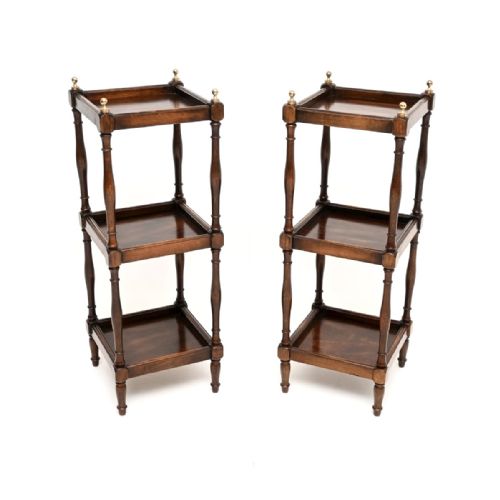
Configurations vary between enclosed cupboards, small chests of drawers, and open three-tier side tables. Cupboard styles typically open to reveal an internal shelf for bedside essentials.
Drawer versions offer concealed storage for smaller personal items.
How do revival styles differ?
Revival items incorporate design elements from earlier eras such as Sheraton cabinet making or French Louis XIV aesthetics. These pieces interpret historical motifs through nineteenth and early twentieth century craftsmanship.
Details like marble tops or brass gallery rails often accompany specific continental influences.