


Victorian Stripped Pine Chest
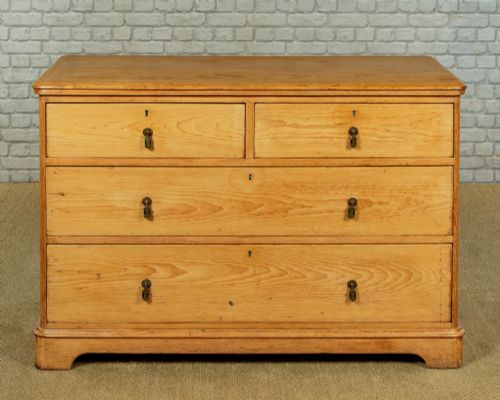
A victorian stripped pine chest brings practical storage and honest country character to a bedroom.
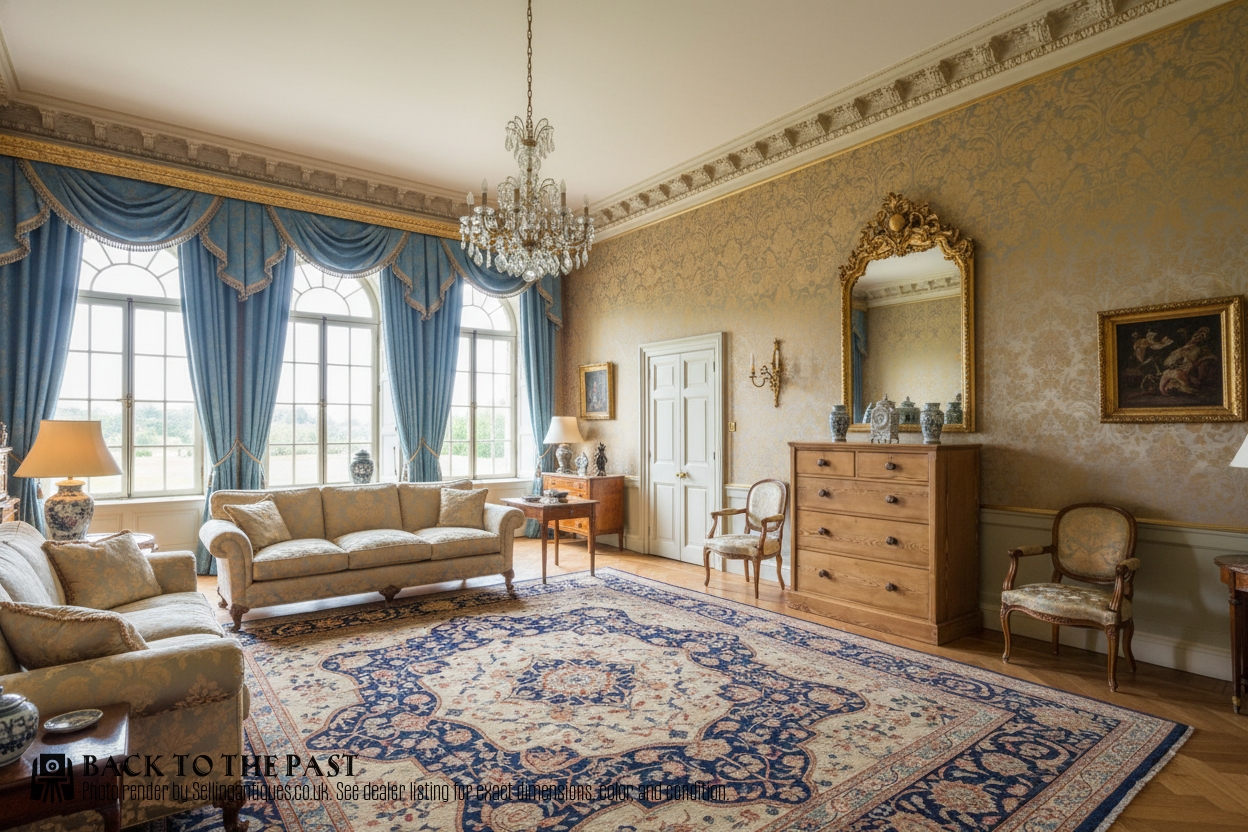
Victorian Stripped Pine Chest
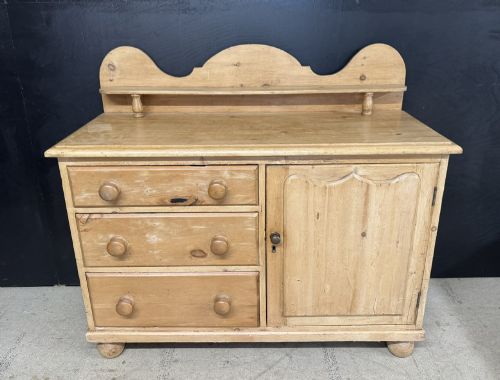
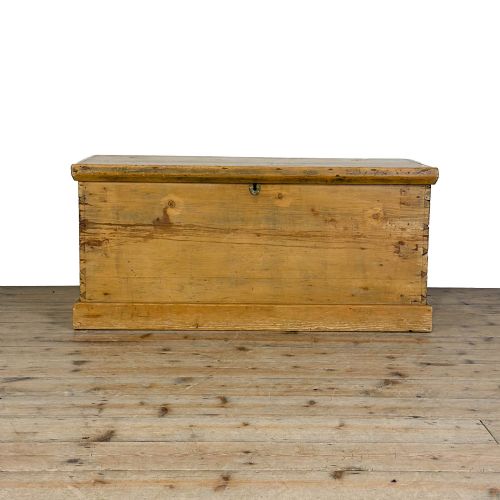
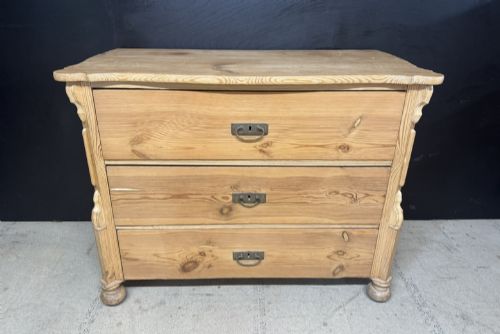
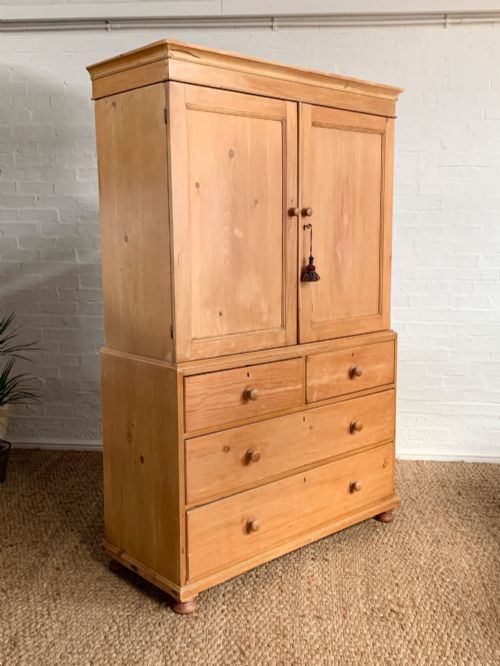
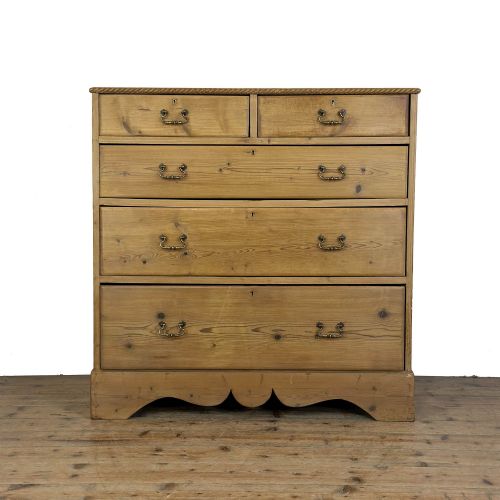
A victorian stripped pine chest is a functional storage item built from softwood and stripped of later paint to expose the pale timber grain. These pieces span compact proportions suitable for smaller rooms and large five drawer formats equipped with deep blanket drawers.
The material originates largely from the nineteenth century, taking forms that include rustic farmhouse designs, country styles, and traditional chests of drawers. Surviving examples reflect domestic utility, often standing on simple feet with moulded edges to the top.
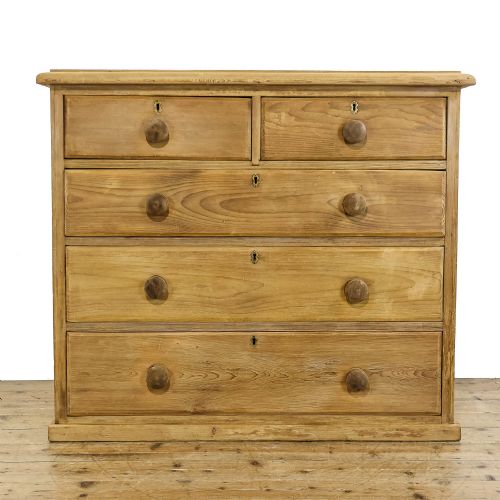
Buyers meet variations ranging from smaller nineteenth century dressers to tall five drawer units and collectors chests. The construction prioritises everyday utility, pairing simple drawer configurations with turned wooden or ceramic handles.
Materials and Construction
Construction relies primarily on pine timber, selected for domestic furniture production and finished through surface stripping to reveal the natural grain. Hardware components incorporate brass, iron, glass, and ceramic elements, adding functional detail to drawers and doors.
Joinery techniques focus on sturdy assembly to withstand daily domestic use, utilising tongue and groove boards alongside dovetailed drawer construction. Surfaces are often finished with a coat of wax or left ready for further painting.
Some chests arrive with partially dismantles structures, offering a practical puzzle for getting bulky furniture up narrow nineteenth century staircases.
Assessing Quality and Proportion
Quality rests in the balance of proportions, the crispness of moulded edges, and the smooth operation of the drawers within their frames. Better examples maintain original backboards and timber integrity without excessive replacement of structural elements.
Finer pieces show careful attention to detail in the turned wooden knobs or white ceramic handles, alongside sound drawer runners that glide properly. The depth and utility of the lower drawers further distinguish standard domestic utility from superior workshop output.
The Victorian Stripped Pine Chest Glossary
- Pine
- A softwood timber commonly utilised for nineteenth century domestic furniture due to its accessibility and workability. It takes wax and paint finishes readily.
- Blanket Drawer
- A deep lower drawer integrated into larger drawer chests specifically designed for bulky linens and blankets. This feature maximises the storage capacity of the piece.
- Stripped Pine
- Furniture that has undergone the removal of accumulated layers of paint to reveal the raw softwood beneath. This finish highlights the natural knots and grain of the timber.
- Dovetail
- A traditional wood joint formed by interlocking wedges that secures drawer corners with high tensile strength. Its presence indicates standard cabinet-making competence.
Victorian Stripped Pine Chest: Frequently Asked Questions
How do I clean a stripped pine chest?
Dust the surface regularly with a soft, dry cloth to prevent dirt accumulation in the grain. Apply a clear beeswax polish occasionally to nourish the exposed pine and maintain a soft sheen.
Avoid placing the chest near direct heat sources or strong sunlight, which can dry out the softwood and cause splitting over time.
What periods do these chests come from?
Most pieces originate from the Victorian era and the broader nineteenth century, with occasional examples dating from around nineteen hundred or the Edwardian period. Construction details and hardware often provide clues to the specific decade of manufacture.
Later Victorian versions frequently display machine-sawn elements, whereas earlier nineteenth century items may show more hand-finished joinery traits.
Will the drawers run smoothly?
Original pine drawers can sometimes stick due to seasonal humidity changes affecting the softwood runners and carcase. Traditional maintenance involves applying a small amount of beeswax or paraffin wax to the sliding surfaces to ease friction.
Well-adjusted drawers align evenly within the frame and close flush against the frontage without requiring excessive force.
Can I paint or wax the pine?
Many surviving chests are sold ready to wax or paint, allowing customisation to suit individual interior schemes. Applying a traditional beeswax finish darkens the pine slightly and enhances the natural grain patterns.
Preparation for painting involves light sanding to ensure proper adhesion, using primers suitable for softwood to prevent resin bleed through.