




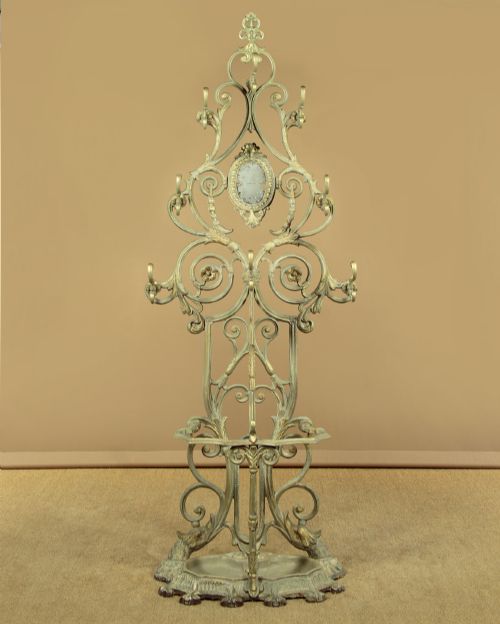
Victorian Storage Rack
These robust victorian storage rack designs bring order to halls and kitchens through practical timber and heavy metal forms.
Victorian Storage Rack
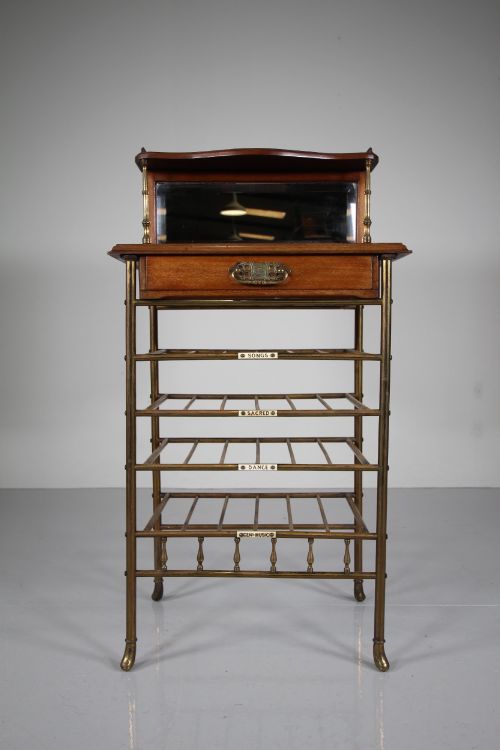
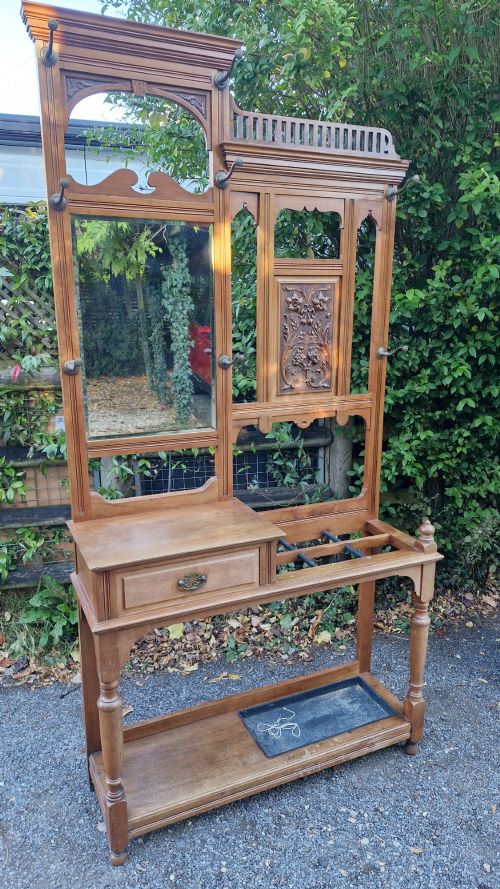
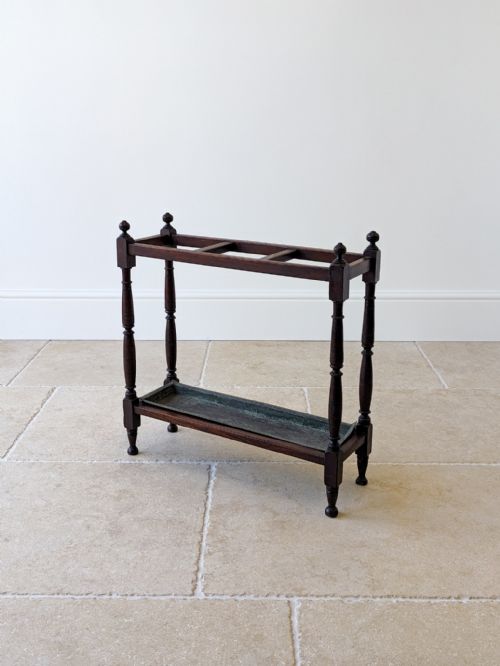
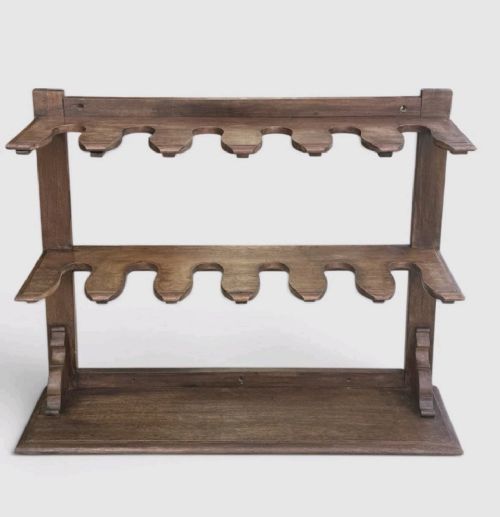
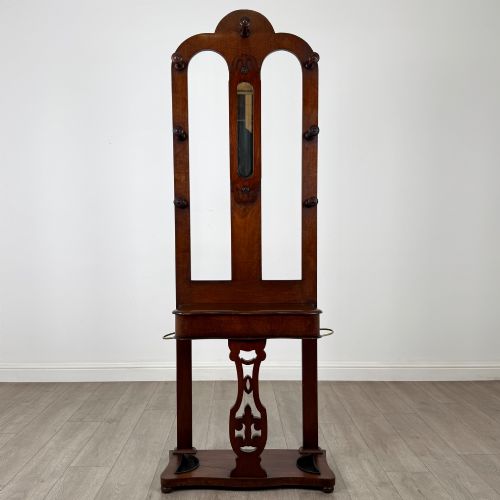
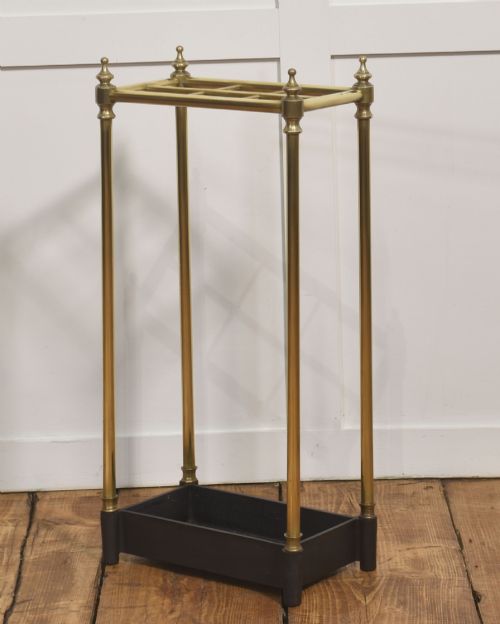
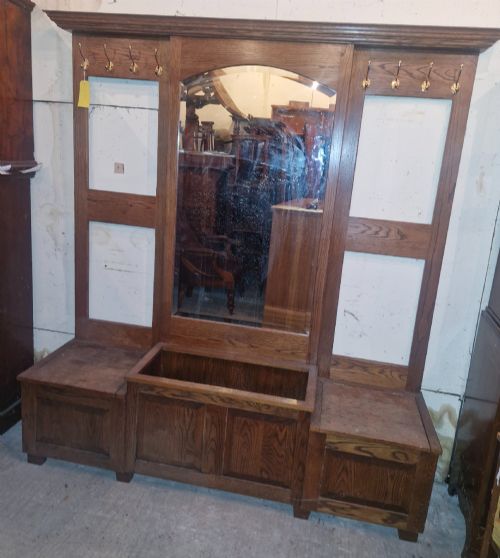
A victorian storage rack encompasses everything from hall stands and umbrella holders to boot stands and tiered pan holders, designed to manage outdoor gear and household accessories. These pieces serve daily utility while anchoring the entranceway or kitchen with period character.
The selections here feature heavy cast iron frames alongside rich mahogany, oak, and pine structures. Buyers will frequently encounter umbrella stands, umbrella and stick combinations, and robust coat racks dating from the nineteenth century into the Edwardian era.
Originating largely from British and continental workshops, these items reflect the practical domestic requirements of nineteenth-century households. Their varied forms span utilitarian cast iron hallway furniture to polished mahogany boot racks.
Materials and construction
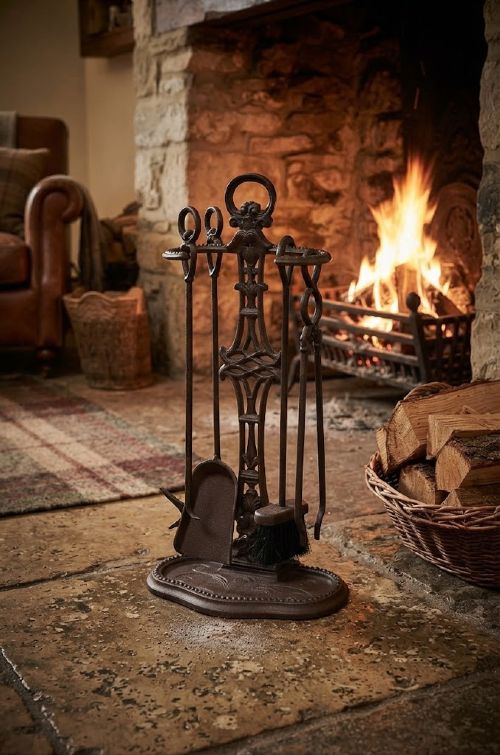
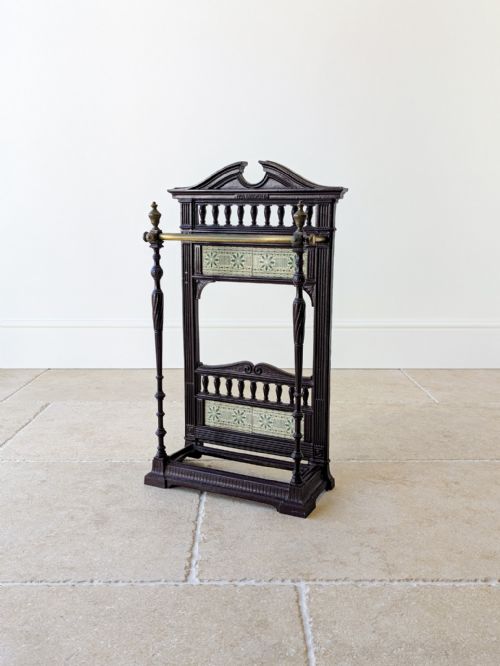
Makers utilised durable metals like cast iron, brass, and wrought iron alongside dense hardwoods such as mahogany, oak, and walnut. Cast iron components were typically poured in moulds to achieve intricate scrollwork and structural rigidity, often finished with black paint.
Timber elements relied on traditional joinery, turning, and carving to shape hall stands, boot racks, and wall-mounted coat rails. Brass fittings, drip trays, and mounting plates added both corrosion resistance and decorative contrast to the darker woods and painted metals.
Victorian Storage Rack Retail Price Guide 2026
Typical asking prices for victorian storage rack among the pieces listed under this phrase on Sellingantiques today, from the lower quarter to the upper quarter. They describe what is for sale here now, not the wider market.
The inventory spans multiple decades from the Victorian era through the Edwardian period into the early twentieth century.
Assessing quality and finish
Quality rests upon the crispness of casting detail in ironwork and the selection of dense, well-figured timber for mahogany and oak frames. Superior pieces retain their original drip trays, secure mounting hardware, and uncompromised structural joints.
Plain utilitarian examples contrast with items bearing sophisticated aesthetic movement ornamentation or distinctive foundry marks. The integrity of the materials, from heavy brass feet to solid pine backing, determines the enduring stability of each rack.
Coalbrookdale·Thonet·A. Kenrick & Sons
The Victorian Storage Rack Glossary
- Demi-lune
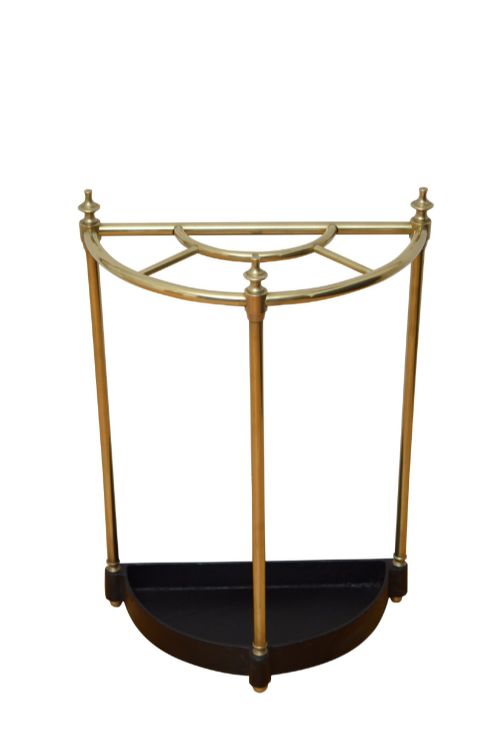
- A half-moon shape commonly found in the footprint of wall-hugging brass and iron stick stands. This curved profile allows the rack to sit flush against hallway panelling.
- Cast iron
- An iron-carbon alloy poured into moulds to create rigid, decorative frames. This material provides the heavy weight necessary to stabilise tall umbrella stands.
- Bentwood
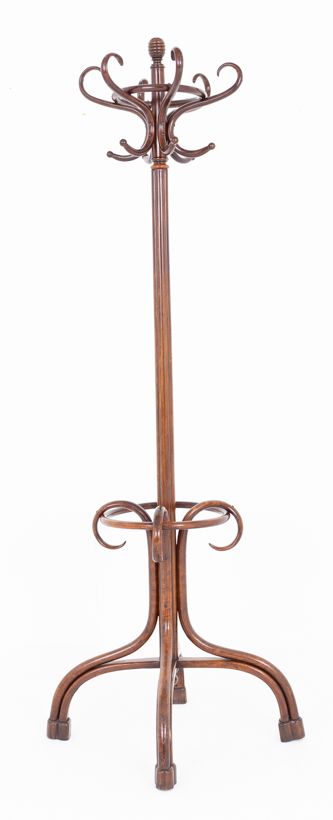
- Timber softened by steam and bent into curved structural forms, frequently utilised in umbrella stands and hat racks. This technique creates lightweight yet resilient frames.
- Drip tray
- A removable metal basin positioned at the base of stick stands to catch moisture from wet umbrellas. These trays protect interior flooring from water damage.
Victorian Storage Rack: Frequently Asked Questions
Where should I place a hall stand?
These pieces suit entrance halls and boot rooms where coats, umbrellas, and footwear require daily organisation.
Ensure adequate wall clearance and floor space for the heavy iron or timber base before positioning.
How do I maintain cast iron stands?
Dust regularly with a dry cloth and apply light protective wax to painted or bare metal surfaces to prevent corrosion.
Keep removable drip trays clean and dry to avoid moisture accumulation near the base.
Are these racks suitable for modern umbrellas?
Most nineteenth-century stick stands comfortably accommodate standard walking sticks, canes, and modern umbrellas.
Check the ring diameters and depth of the lower drip tray to ensure larger golf umbrellas fit securely.
How do I identify a Victorian piece?
Look for dense timber construction, traditional cast iron foundry marks, and period brass hardware without modern fixings.
Examine the wear patterns and patination on the wood and metal to confirm nineteenth-century origin.