

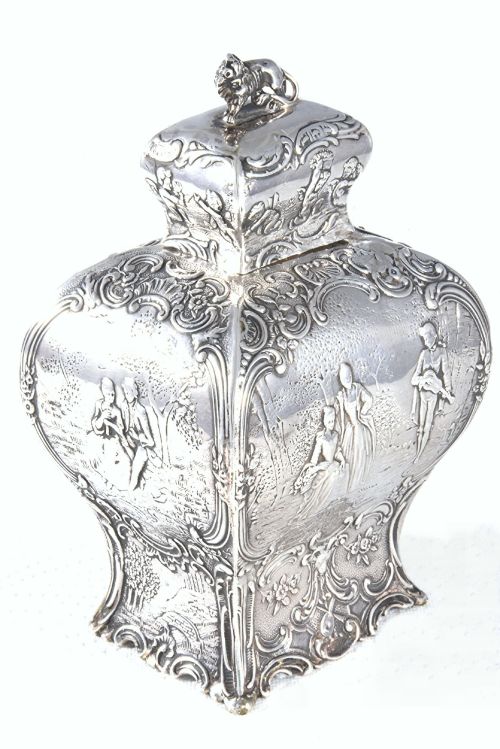


Victorian Sterling Tea Box
These victorian sterling tea box pieces are solid silver containers for dry tea, built to keep precious leaves secure and fragrant.
Victorian Sterling Tea Box
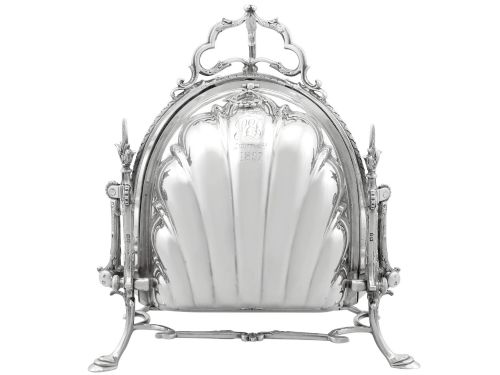
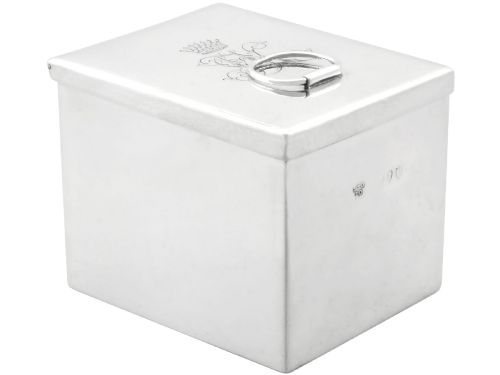
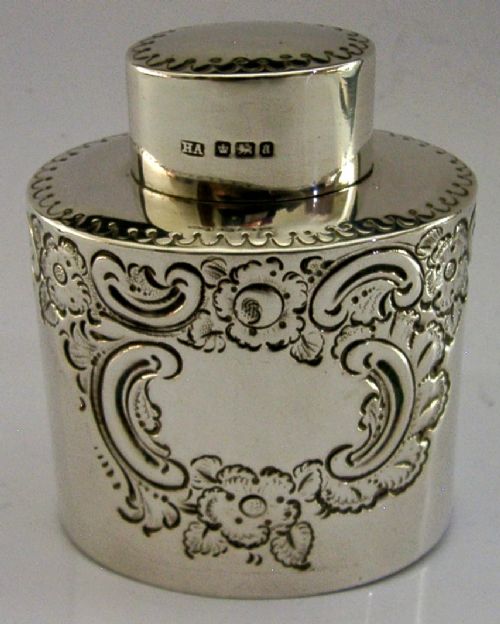
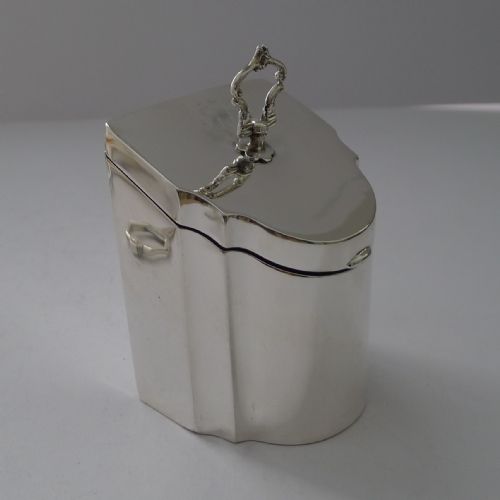
A victorian sterling tea box is typically encountered as a caddy, formed to hold dry leaf tea on the dining table or sideboard. These items date primarily from the Victorian era, spanning the late nineteenth century and into the early twentieth century.
While tea caddies form the core of these listings, related items associated with tea and table service also appear. This includes silver spoons, sugar tongs, sugar bowls, cream jugs, and butter knives.
The prevailing style across these pieces is Victorian, alongside late Victorian iterations and Georgian revival designs. Most examples originate from English workshops using sterling silver, sometimes accompanied by fitted interiors lined with materials like velvet, silk, and satin.
How They Were Made
These pieces are constructed from sterling silver and solid silver, frequently shaped into bombé bodies or knife box forms. Metalworking techniques involve hammering, pressing, and soldering to create rigid containers and hinged lids.
Interior elements incorporate textiles such as velvet, silk, satin, and leatherette to line the caddies and protect their contents. Some items also feature silver-gilt finishes, applying a thin layer of gold over the silver surface.
Victorian Sterling Tea Box Retail Price Guide 2026
Typical asking prices for victorian sterling tea box among the pieces listed under this phrase on Sellingantiques today, from the lower quarter to the upper quarter. They describe what is for sale here now, not the wider market.
Tea was once so valuable that these silver boxes were kept locked on the sideboard.
What Varies in Quality
Quality in a victorian sterling tea box is determined by the thickness and weight of the silver used. Heavier gauge silver provides a more substantial feel and greater durability over decades of handling.
The refinement of the form and the crispness of any applied decoration separate standard utility pieces from finer work. Bombe profiles and specialised shapes like knife box forms demonstrate greater skill in metal shaping.
Robert Stebbings
The Victorian Sterling Tea Box Glossary
- Sterling silver
- A silver alloy containing 92.5 percent pure silver and 7.5 percent other metals, usually copper, chosen for strength. This is the standard metal composition for these boxes and caddies.
- Tea caddy
- A small container designed to store loose tea leaves securely. These boxes were often fitted with locks to protect expensive tea.
- Bombe
- A swollen, convex shape with rounded sides popular in nineteenth-century decorative arts. This contour gives tea caddies a curved, voluminous appearance.
- Silver-gilt
- Silver that has been coated with a thin layer of gold on its surface. This treatment provides a rich gold appearance inside or outside the silver item.
- Apostle spoons
- Decorative spoons featuring figures of the apostles on the handle ends. These antique sets often accompany tea and dining services.
Victorian Sterling Tea Box: Frequently Asked Questions
What is a silver tea caddy?
A silver tea caddy is a small box or container made to hold loose tea leaves in nineteenth-century households. Because tea was an expensive commodity, these containers were often built with secure lids.
Most examples seen here date from the Victorian period and utilise sterling silver. They range from simple rectangular boxes to curved bombé shapes.
How were tea caddies used?
Tea caddies were kept in the dining room or drawing room to store dry tea leaves before brewing. The lady of the house typically kept the key to control access to the valuable tea.
Inside, the containers kept the leaves dry and protected from strong household odours. Some versions included internal compartments or were paired with sugar tongs and spoons.
How do I date a Victorian silver box?
Dating these items involves examining the hallmarks stamped into the silver, which indicate the assay office and year of production. The listings here include dates from the 1880s through to the early 1900s.
Stylistic markers also help, as late Victorian and Georgian revival pieces exhibit different decorative details. Maker marks point to specific workshops active during these decades.
What materials are inside these caddies?
Many of these silver boxes feature textile linings inside the main compartment. Materials such as velvet, silk, satin, and leatherette appear in the construction of fitted interiors.
These fabrics cushioned the interior and protected delicate items like spoons or knife sets stored alongside the caddies.