







Victorian Steel Fire Irons
Victorian steel fire irons are essential hearth accessories that bring authentic period character and utility to a fireplace.
Victorian Steel Fire Irons
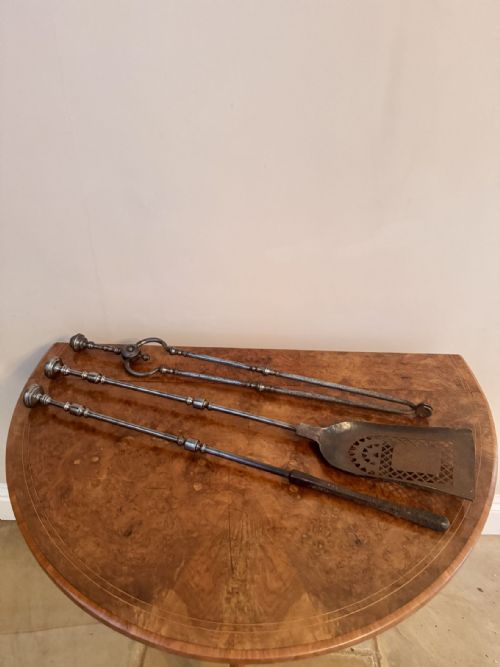
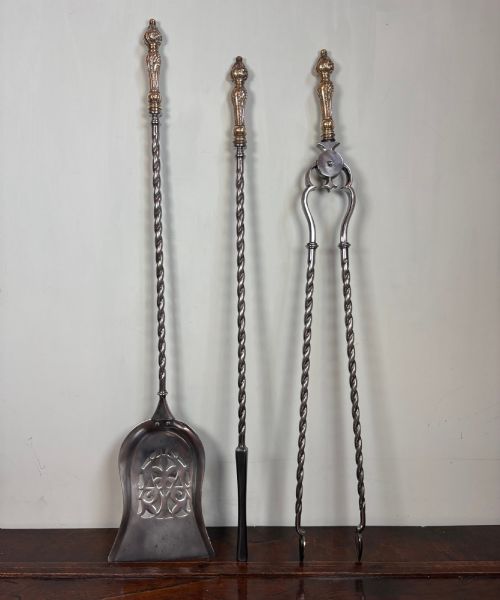
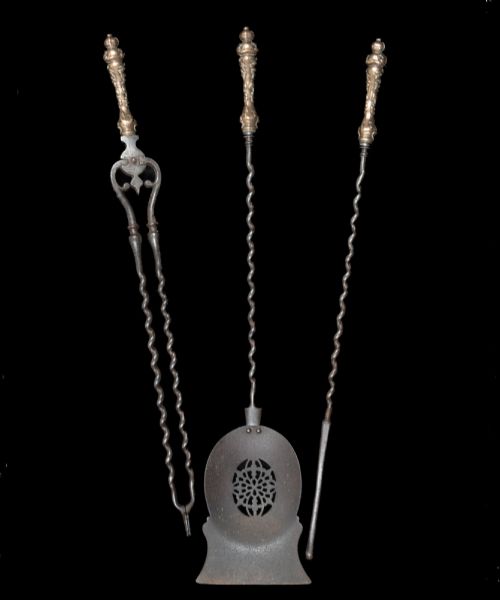
When you search for victorian steel fire irons, you encounter hearth implements designed to manage coal and wood fires during the nineteenth century. These sets typically include a poker, tongs and a shovel, often found alongside companion stands or hanging fenders.
The versions most common on this page date from the nineteenth century, ranging from early Victorian examples through to Arts and Crafts interpretations. Many incorporate brass accents or mixed metal construction alongside the core steel material.
Buyers select these items to complete period fireplaces or to introduce genuine historic craftsmanship into a room. The forms reflect the shifting aesthetic preferences of the nineteenth century, moving from classical Regency influences to ornate Victorian revivalism and later Arts and Crafts simplicity.
Materials and construction
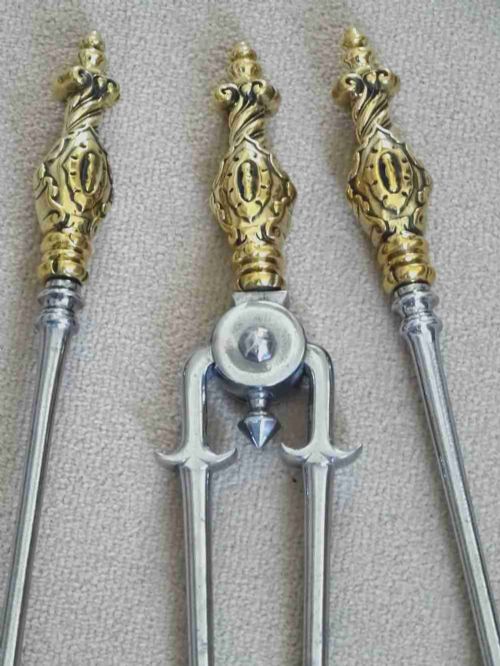
The primary material across these pieces is steel, frequently polished to a bright finish or combined with iron and gunmetal. Makers also integrated brass, gilt metal, bronze and ormolu details to create visual contrast against the dark metal hearth tools.
Forging and polishing techniques defined the production of nineteenth century hearth equipment, requiring skilled metalworking to shape durable pokers, shovels and tongs. Surface finishes varied from polished steel and iron to patinated gunmetal and leather accents on related fender pieces.
Victorian Steel Fire Irons Retail Price Guide 2026
Typical asking prices for victorian steel fire irons among the pieces listed under this phrase on Sellingantiques today, from the lower quarter to the upper quarter. They describe what is for sale here now, not the wider market.
Listings feature steel, brass, gunmetal and polished iron across nineteenth century periods.
Assessing quality and craftsmanship
The distinction between standard hearth tools and superior examples rests on the weight of the metal and the precision of the forging. Heavier sets with solid brass and steel construction demonstrate higher grade manufacture.
Refinement in decorative detailing, such as ormolu mounts, Gothic brass elements or balanced triple companion sets, separates standard production items from finer workshop pieces. The consistency of the polished steel finish and the integrity of the joins indicate the original maker's standard.
The Victorian Steel Fire Irons Glossary
- Companion set
- A collection of fireplace tools, usually consisting of a poker, tongs and a shovel, designed to be used together. These sets often hung from a dedicated stand or fit into a matching fender.
- Fire dog
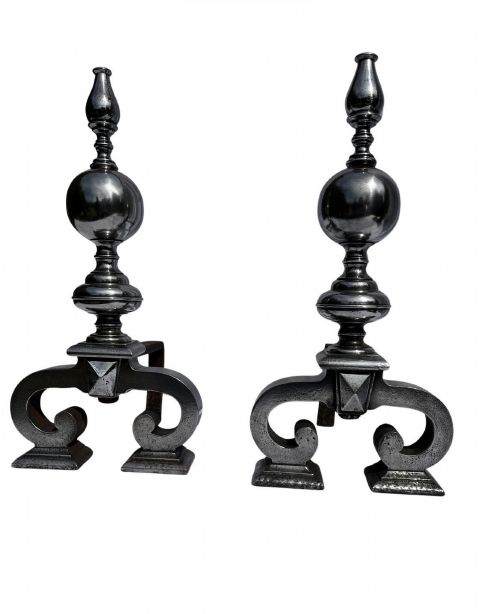
- A metal support used to hold logs in an open fireplace, frequently paired with matching fire irons. Pairs of fire dogs sat on the hearth and added decorative metalwork to the fireplace opening.
- Club fender
- A low, upholstered seat built around the perimeter of a fireplace fender. Nineteenth century examples frequently incorporated steel and brass frames with leather or fabric seating.
- Ormolu
- Gilded bronze or brass applied as decorative mounts to metalwork. This technique added metallic lustre and ornamental detail to select nineteenth century hearth accessories.
- Gunmetal
- A type of bronze alloy utilised in select nineteenth century fire tools for its durability and distinctive dark grey colour.
Victorian Steel Fire Irons: Frequently Asked Questions
How do I date a set?
Dating relies on stylistic markers, material combinations and manufacturing techniques associated with nineteenth century design periods. Regency, early Victorian, and Arts and Crafts examples each display distinct decorative vocabularies.
Examining the type of steel, brass accents and overall form helps place the pieces within the broader nineteenth century timeline.
Can these tools be used?
Many nineteenth century hearth implements remain sturdy enough for regular use in open fireplaces. Their robust steel and iron construction was originally intended for daily fire management.
Careful handling ensures these historic metal items continue to function while retaining their decorative surface finish.
What is a club fender?
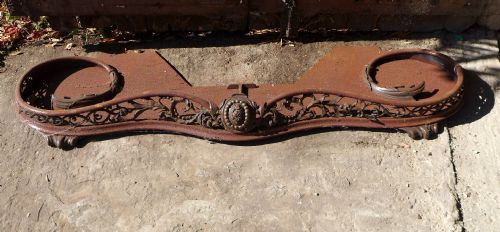
A club fender is a low hearth surround featuring integrated upholstered seats on either side. Nineteenth century versions often combined a steel frame with leather padding.
These structures allowed people to sit close to the fire while keeping stray embers safely contained within the hearth area.