
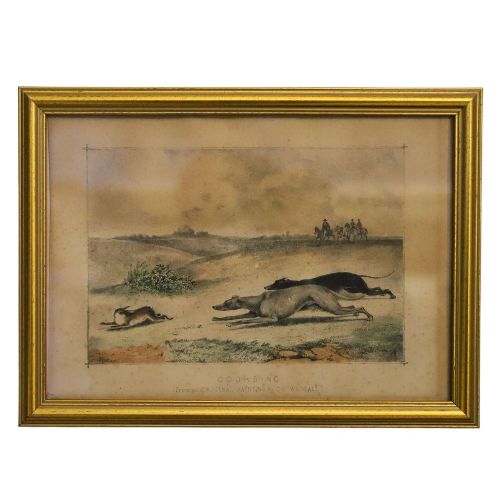


Victorian Sporting Dog
These pieces capture the vibrant heritage of the victorian sporting dog, offering collectors classic depictions of hounds, pointers and gun dogs across varied mediums.
Victorian Sporting Dog
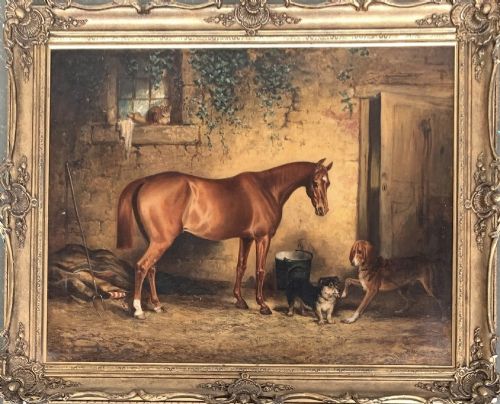
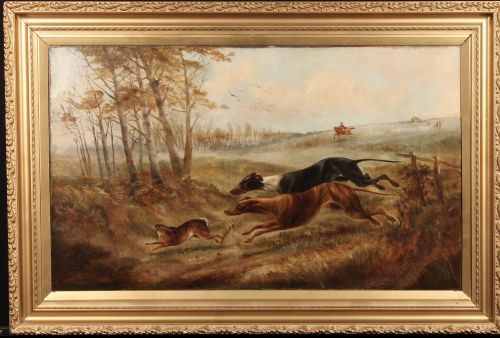
A search for a victorian sporting dog reveals a diverse array of nineteenth-century depictions centred on hounds, spaniels, setters and terriers. Collectors encounter everything from framed oil paintings on canvas and watercolours to bronze sculptures, parian figures and cast iron stick stands.
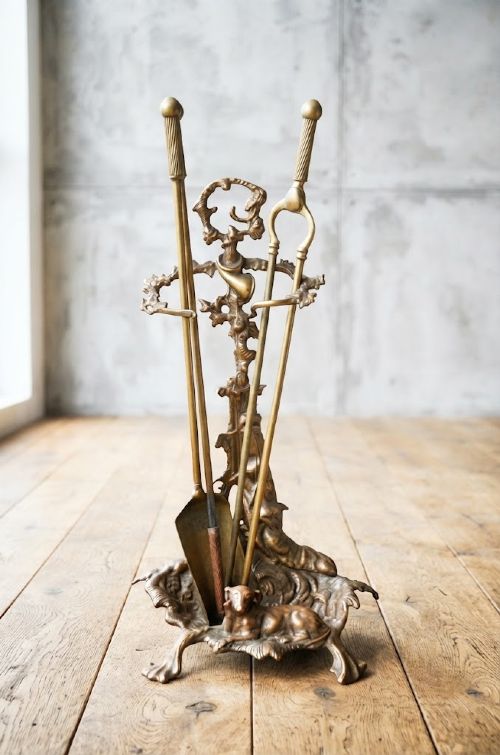
The material record spans traditional fine art alongside functional metalwork, including brass fire companion sets, silver whistles and ceramic figures. These objects document canine companions in landscapes, field sports and quiet domestic settings from the nineteenth century.
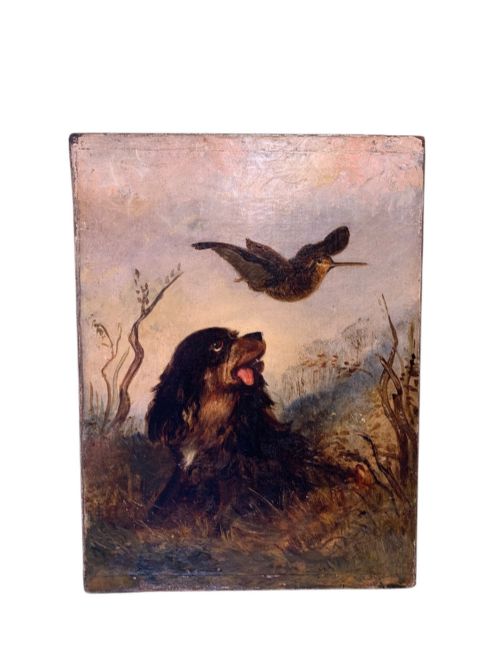
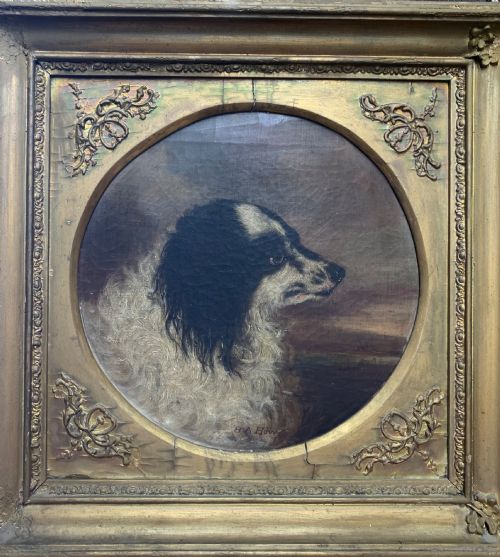
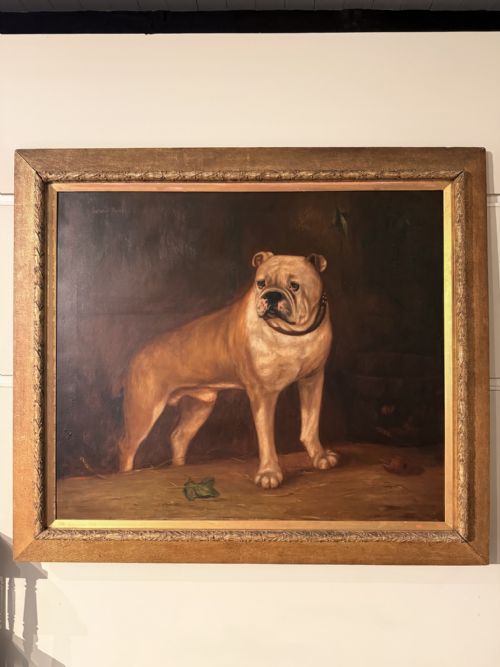
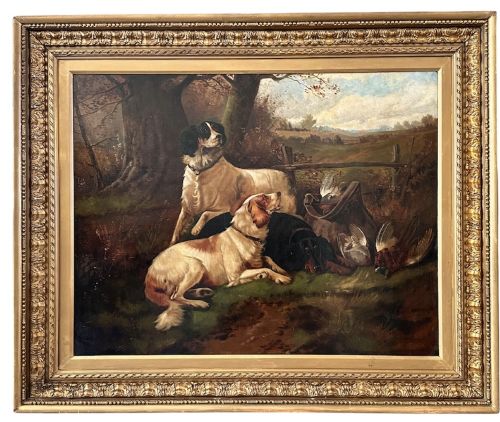
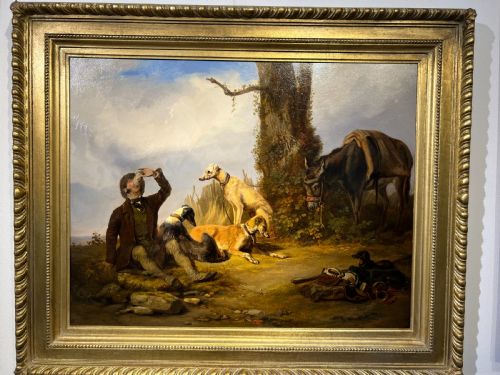
Oil paintings form the core of the selection, showing gun dogs with their day's bag or individual portraits of working dogs by notable animal artists. Alongside paintings, sculptural works in bronze and cast iron capture the muscular build and alertness of hunting hounds.
Materials and Techniques
Painters utilised oil paint and watercolour on canvas, board or artist's palettes to render the texture of dog coats and rural landscapes. Giltwood frames frequently house these oil paintings, employing gold leaf to finish the presentation.
Sculptural works rely on casting techniques in bronze, cast iron and parian porcelain to achieve anatomical precision in animal figures. Metal items such as fire stands and whistles incorporate brass and sterling silver components.
Listings feature oil paintings, bronzes, cast iron stick stands and sterling silver dog whistles from the nineteenth century.
Factors Determining Quality
The distinction in oil paintings rests upon the artist's ability to render canine anatomy, expression and texture within a naturalistic landscape. Works bearing attribution to established painters command attention through superior brushwork and compositional depth.
In sculptural pieces, the definition in the casting process dictates the overall standard, separating standard production items from finely detailed animalier bronzes. Material choice also influences the grade, with sterling silver whistles and heavy bronze casts representing higher tiers of craftsmanship.
Henry Barraud·George Armfield·John Sargent Noble·Sir Edwin Henry Landseer·John Emms·John Frederick Herring Senior·Arthur Wardle·Jules Moigniez·William Barraud·George E Sharpe·Colin Graeme Roe·Valentine Thomas Garland·John Trivett Nettleship·Fannie moody·Edwin Frederic Holt·Robert cleminson·Auguste Nicholas Cain·Alfred Duke
The Victorian Sporting Dog Glossary
- Animalier
- A nineteenth-century artistic movement dedicated to the realistic portrayal of animals, particularly predators and sporting dogs. Sculptors in this genre focused on dynamic movement and accurate musculature.
- Parian
- A fine-grained unglazed porcelain resembling white marble, widely utilised during the nineteenth century for portrait busts and animal figures. It allowed manufacturers to replicate the smooth finish of carved stone.
- Lithograph
- A planographic printing process used to produce multiple copies of original artworks, common in nineteenth-century sporting prints. Artists drew directly onto limestone plates to transfer the image.
- Giltwood
- Wood that has been treated with gold leaf or metallic powder to create a decorative golden surface. It is commonly found framing nineteenth-century oil paintings.
Victorian Sporting Dog: Frequently Asked Questions
What subjects appear in these paintings?
Artworks predominantly feature gun dogs, pointers, setters, spaniels and hunting hounds depicted in field sports or quiet rural landscapes. Many compositions show dogs with their day's bag or resting beside hunters.
Other pieces capture terriers guarding spaces or working packs of hounds in motion across open countryside.
How were brass fire companion stands used?
These functional objects served hearths by holding fire irons, pokers and tongs while incorporating hunting dog motifs into domestic interiors. They combined utility with decorative themes popular during the period.
Similar cast iron stands functioned as umbrella and stick holders in hallways.
How do I identify the period of a bronze dog sculpture?
Nineteenth-century bronze animalier pieces generally exhibit rich patination and signatures or foundry marks associated with the era. The casting quality and weight reflect the manufacturing standards of the period.
Stylistic cues include realistic anatomical detailing rather than stylised modern interpretations.
Where were sterling silver dog whistles utilised?
Handlers and hunters carried these whistles in the field to command sporting dogs over long distances during shoots. Their construction incorporated hallmarked sterling silver for durability and prestige.
Collectors today preserve them as small accessories reflective of nineteenth-century field sports.