


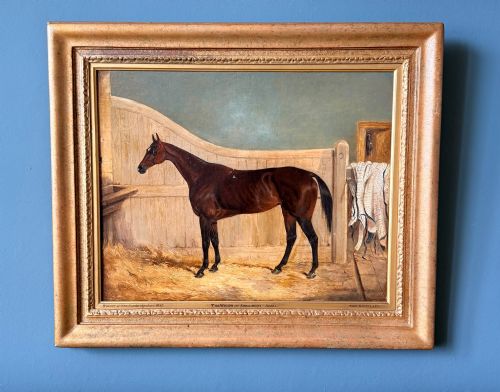
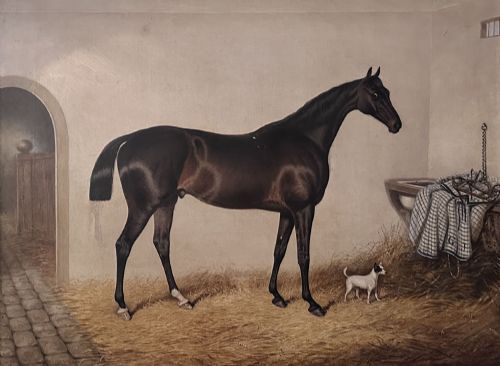
Victorian Sporting Art Canvas
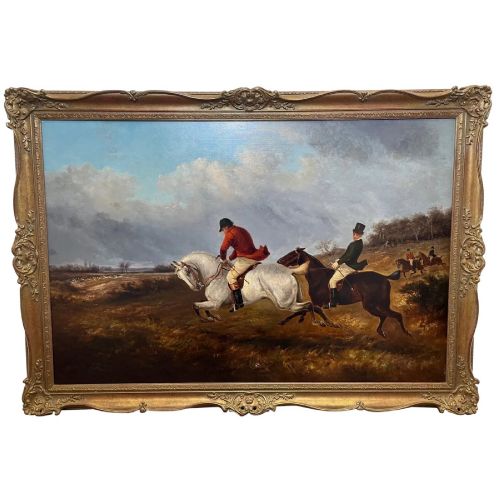
A victorian sporting art canvas captures the energy and prestige of nineteenth-century equestrian and field pursuits through detailed oil painting.
Victorian Sporting Art Canvas
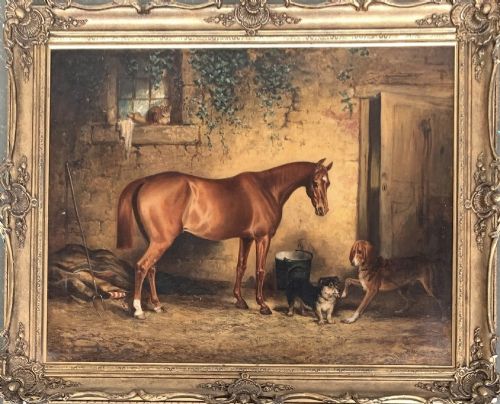
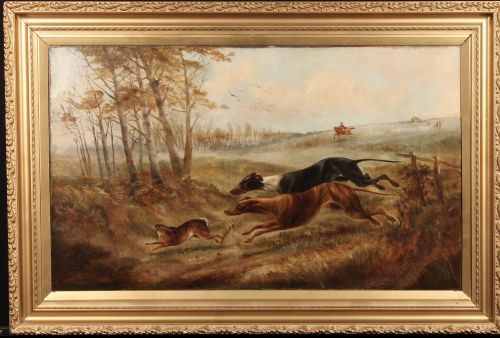
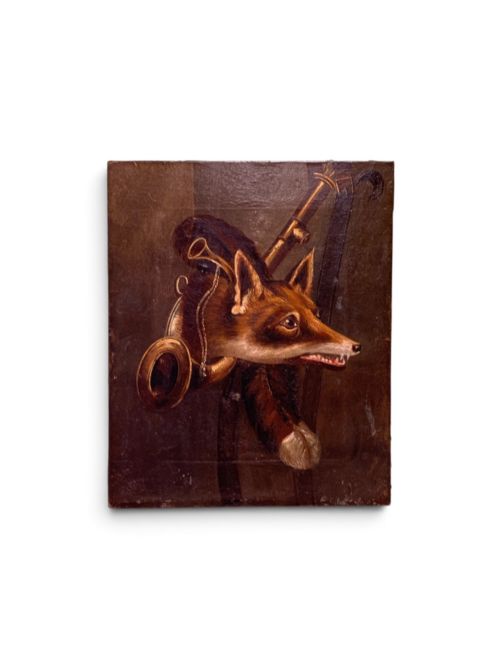
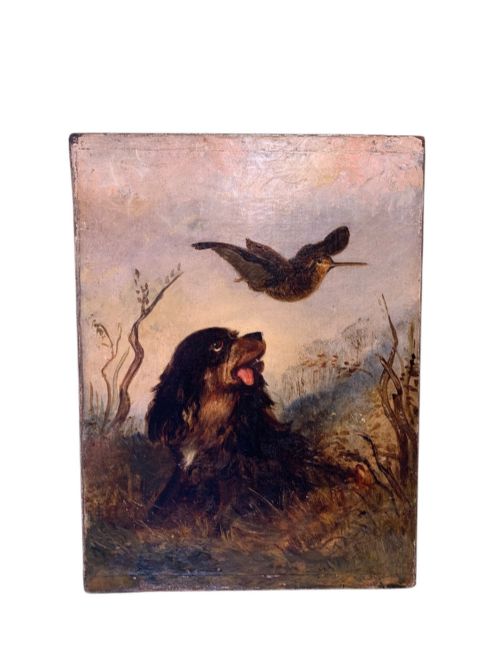
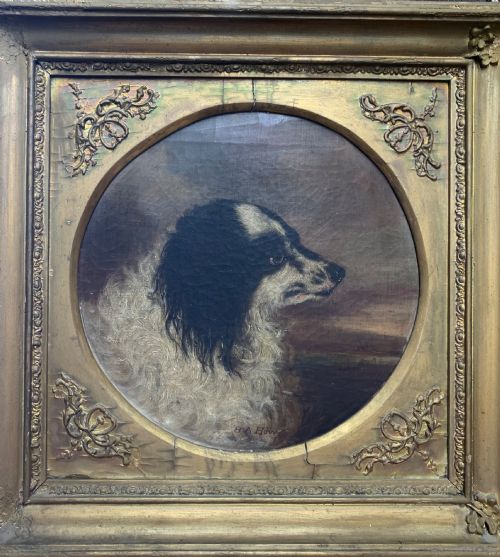
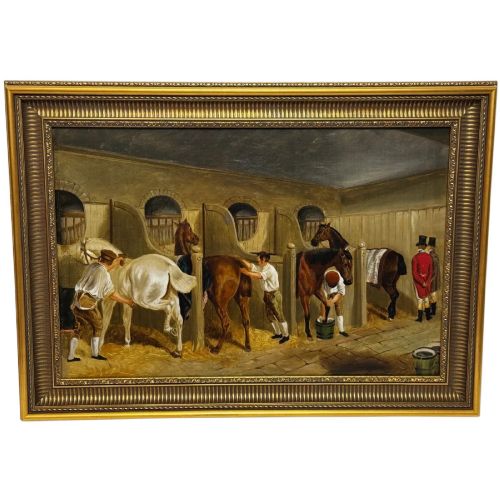
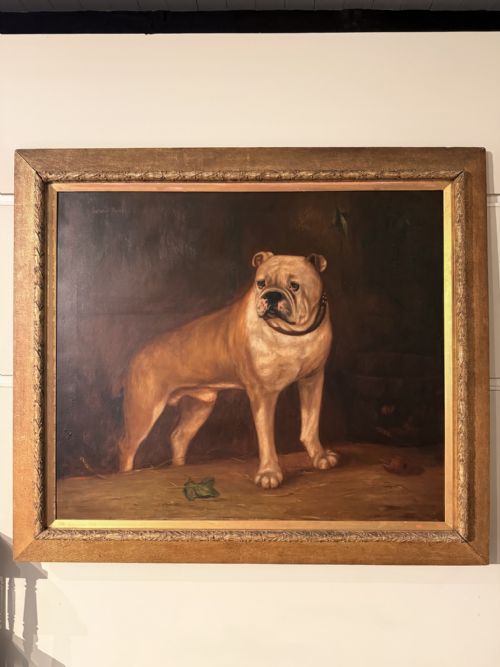
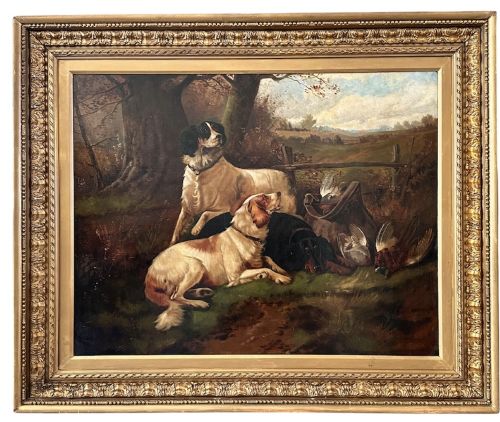
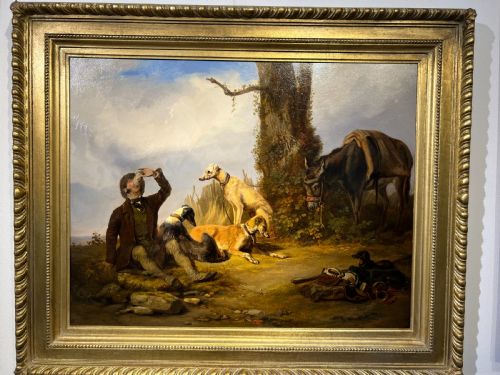
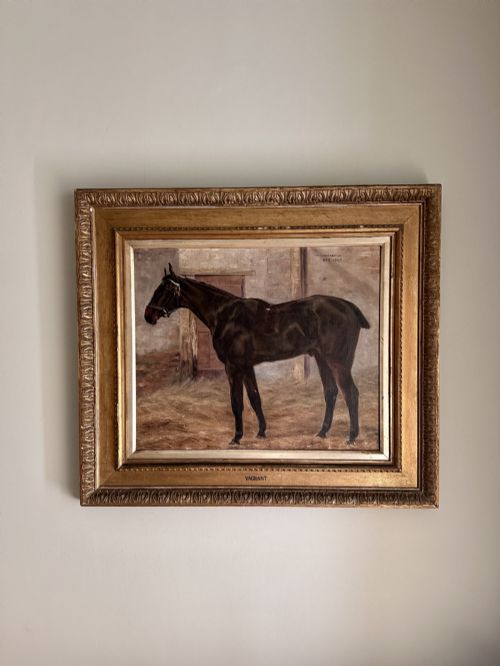
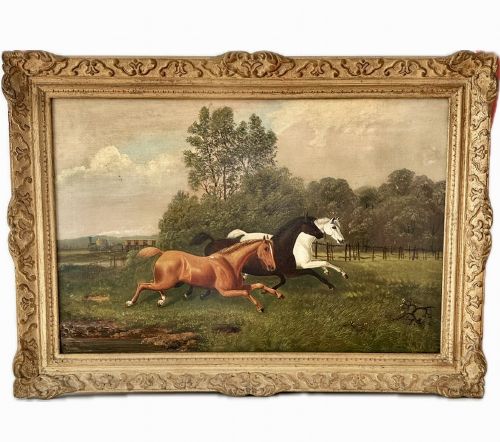
When you search for a victorian sporting art canvas, you encounter painted scenes of horses, hounds, gun dogs and field sports set within nineteenth-century landscapes and stables. These works record prized hunters, racehorses and working dogs created during the Victorian period.
The pieces on this page lean heavily towards individual animal portraits and dynamic hunting scenes produced across the nineteenth century. You will find oil paintings on canvas depicting named thoroughbreds, spaniels, collies and hare coursing moments executed by period artists.
How They Were Made
Artists built these works using oil paint applied to stretched canvas, often mounted on wooden stretcher frames and housed within gilt wood or gold leaf surrounds. The ground layers typically consisted of a primed canvas surface that held the rich pigment of the oil media.
Brushwork ranged from fine, detailed rendering of horse coats and dog fur to looser, atmospheric handling of rural backgrounds and winter snow. Skilled hands manipulated the oil paint to capture the light reflecting off a horse flank or the texture of a retriever coat.
Listings feature nineteenth-century oil paintings on canvas utilising wood, giltwood, and gold leaf frames across various Victorian art styles.
What Varies in Quality
Anatomical precision and the liveliness of the subject separate standard works from the finest productions. The master painter captures the distinct musculature of a galloping hunter or the intelligent gaze of a spaniel with convincing depth.
The integrity of the canvas and the preservation of the original oil paint layer determine the durability of the piece. Superior examples retain their original gilt frames and show minimal canvas relining or extensive overpaint.
Henry Barraud·George Armfield·Thomas Smythe·John Emms·John Ferneley Senior·George E Sharpe·Colin Graeme Roe·Alfred Wheeler
The Victorian Sporting Art Canvas Glossary
- Canvas
- A heavy woven fabric stretched across a wooden frame to serve as the foundation for oil paintings. It provides the tensile strength needed for large nineteenth-century sporting works.
- Giltwood
- Wood carved and coated with a thin layer of gold leaf or metallic gilt. This material formed the ornate frames typical of Victorian fine art.
- Oil Paint
- A slow-drying paint made by mixing pigments with oils such as linseed. This medium allowed artists to achieve rich tones and smooth blending in animal portraits.
- Provenance
- The documented history of ownership of an artwork. It traces the journey of a painting from its original commission through estates and galleries.
Victorian Sporting Art Canvas: Frequently Asked Questions
What subjects appear most often?
Horses and dogs dominate these works, ranging from named racehorses and hunters to spaniels, setters and foxhounds.
Scenes also include hunting meets, stable interiors and working dogs in rural landscapes.
How should I clean the canvas?
Dust gently with a soft, dry brush and avoid all liquids, chemical cleaners or abrasive cloths.
Consult a professional art conservator if the surface requires deeper cleaning or varnish removal.
Are these paintings original period works?
The listings consist primarily of nineteenth-century oil paintings created during the Victorian era by period artists.
Some pieces reflect the styles of prominent painters or record specific historical racehorses and estates.
How do I identify the artist?
Look for signatures, monograms or inscriptions directly on the canvas surface, often found near the lower corners.
Examine the stretcher frames and canvas backs for labels, stamps or written attribution notes left by previous owners or galleries.