
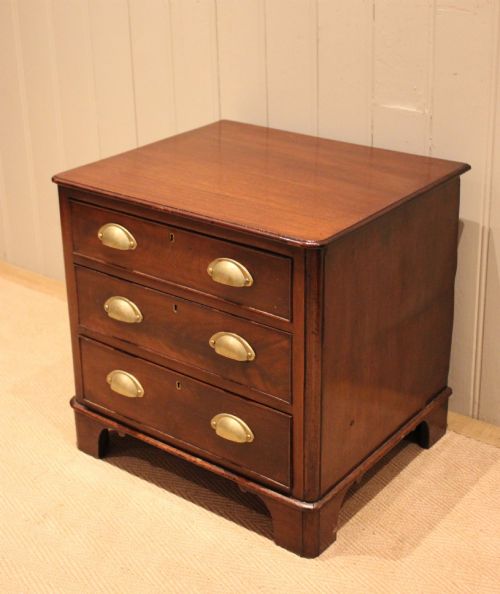
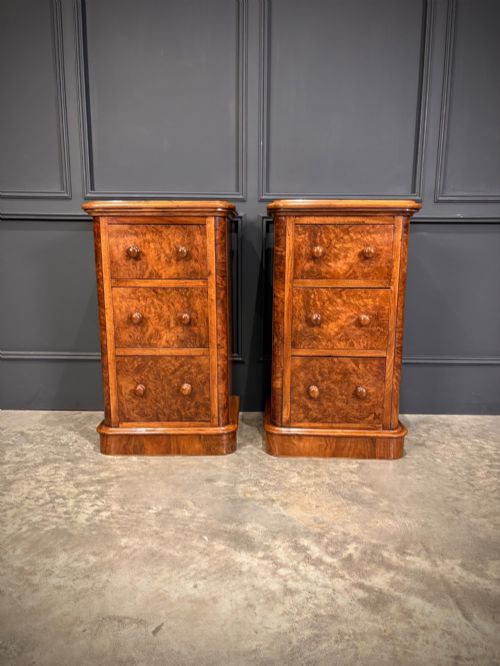

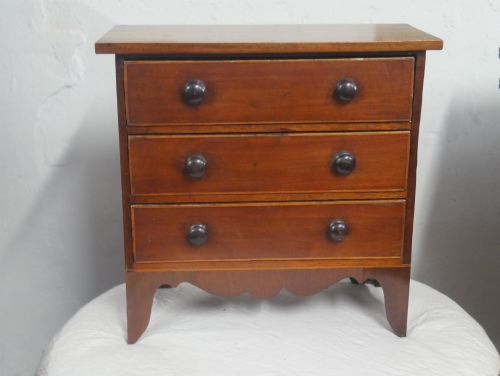
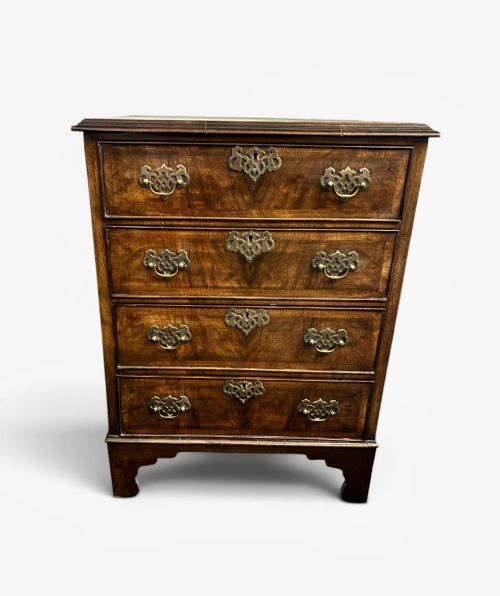
Victorian Small Chest Drawers
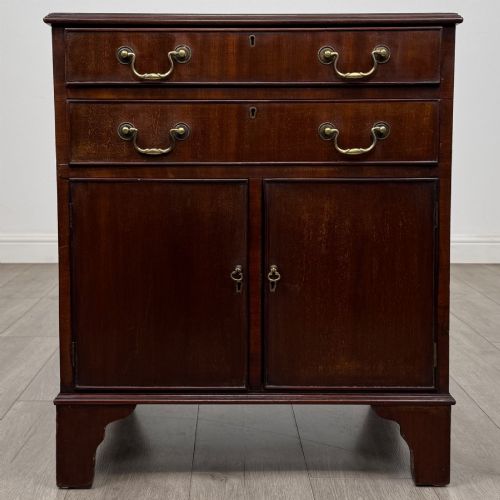
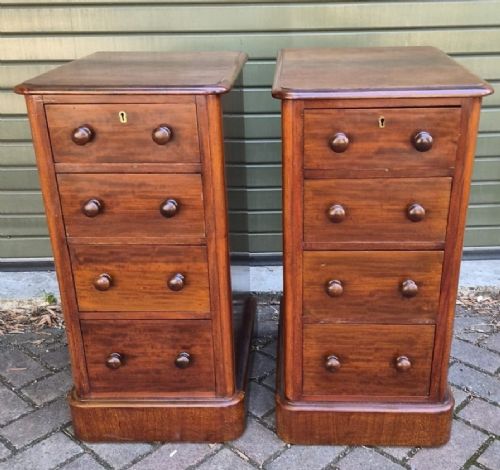
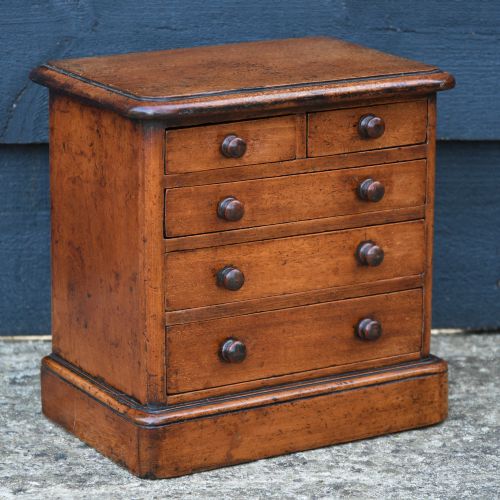
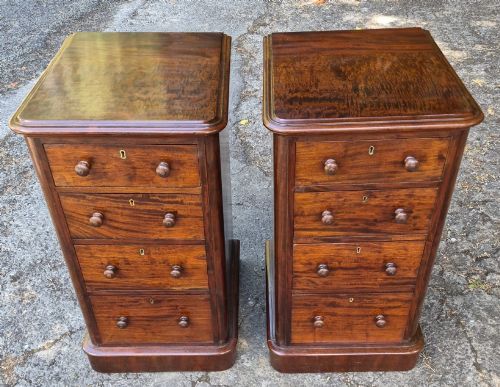
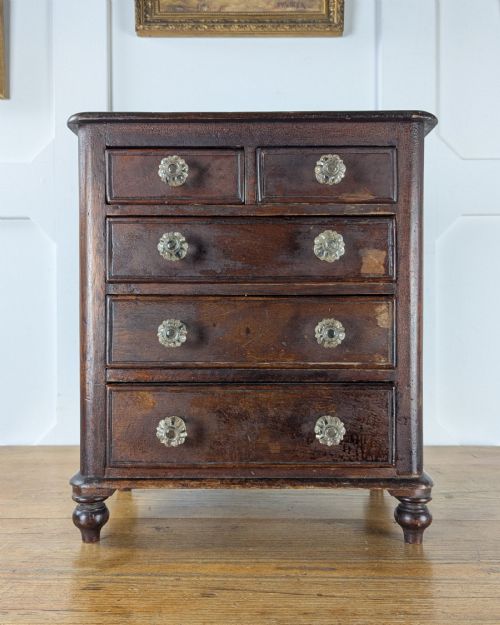
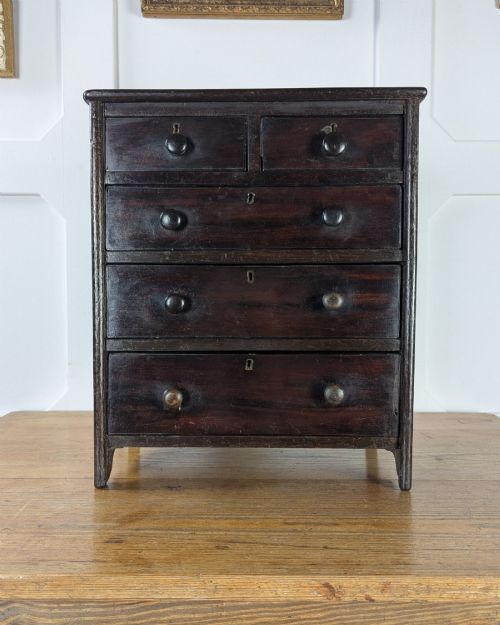
When you search for victorian small chest drawers, you encounter compact case furniture made for bedside use, miniature study, or tight domestic spaces.
Victorian Small Chest Drawers
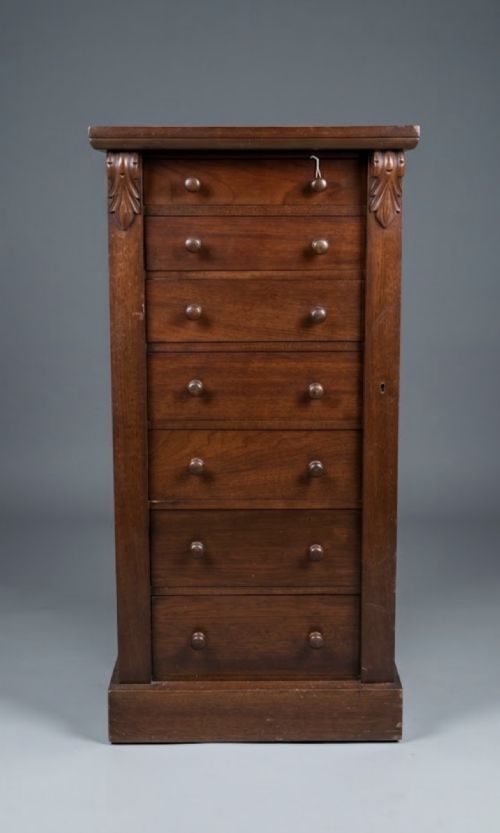
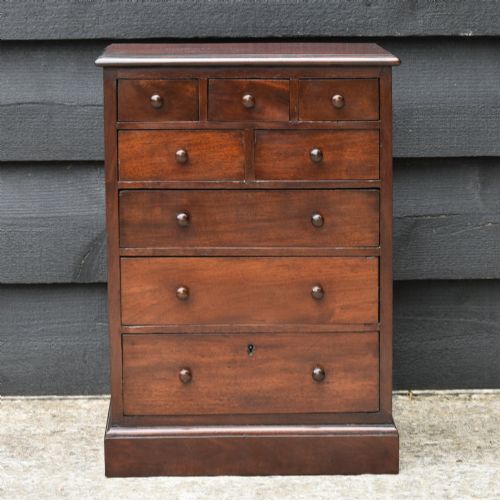
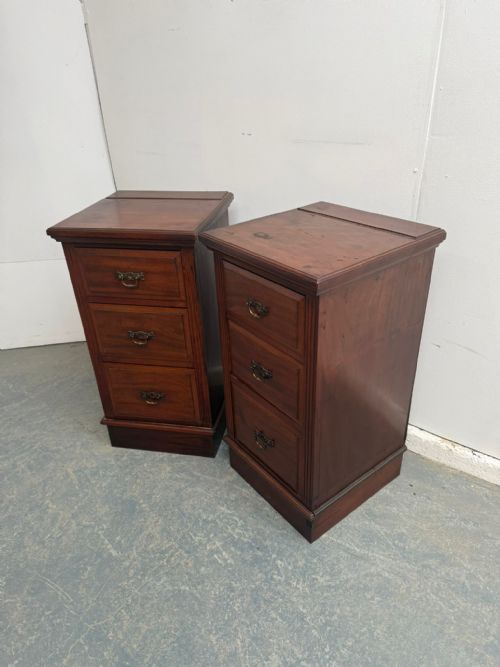
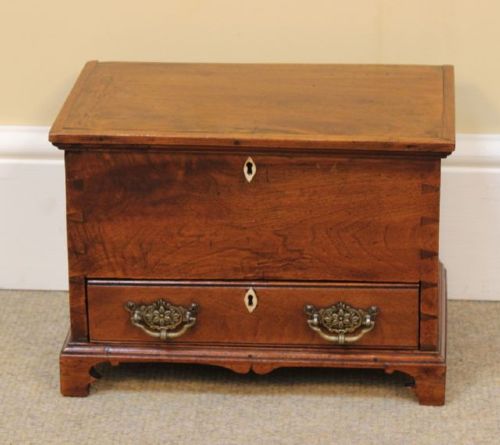
A victorian small chest drawers serves multiple domestic roles, appearing as bedside chests, miniature apprentice pieces, table top storage, and narrow Wellington chests.
The pieces emerge primarily from the nineteenth century, utilising compact proportions designed to fit modest chambers rather than grand reception rooms.
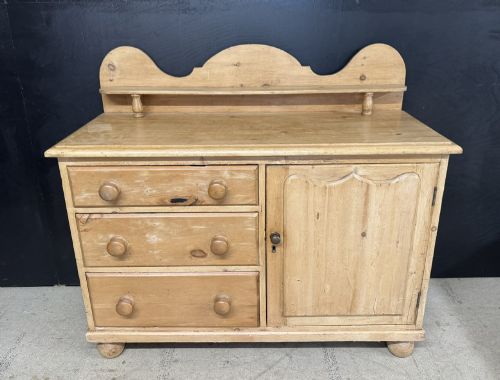
Makers constructed these items in forms ranging from plain country pine to refined burr walnut and flame mahogany veneer, reflecting the varied status of nineteenth-century households.
How They Were Made
Joiners relied on solid hardwoods like mahogany, oak, and walnut, frequently applying figured veneers such as burr walnut and flame mahogany to primary surfaces.
Secondary timbers like pine provided sturdy framing and drawer linings, whilst turned wooden feet, brass handles, and occasionally porcelain knobs finished the construction.
Listings feature woods including mahogany, burr walnut, pitch pine, oak, and ash, spanning the Victorian era and Edwardian period.
What Varies in Quality
Superior examples demonstrate meticulous timber selection, where book-matched veneers and fine grain alignment dictate the visual harmony of the facade.
Construction methods distinguish standard utility pieces from exceptional work, seen in the precision of the drawer dovetailing, the integrity of secret locking mechanisms, and the retention of original brass hardware.
The Victorian Small Chest Drawers Glossary
- Apprentice piece
- A small-scale item created by a craftsman to demonstrate skill for guild admission or training completion. These miniature chests replicate full-size furniture with exact proportions.
- Wellington chest
- A tall, narrow chest of drawers secured by a locking side flap that fastens over the drawer edges. This form originates from the nineteenth century and maximises storage in restricted footprints.
- Bow front
- A convex curved cabinet front that projects outward in an arc. This shaping requires specialised joinery to bend veneers and solid timbers smoothly.
- Burr walnut
- Timber taken from the gnarled growths of a walnut tree, yielding intricate swirling grain patterns. Cabinetmakers prized this material for high-status drawer fronts and table tops.
Victorian Small Chest Drawers: Frequently Asked Questions
Where were these small chests placed?
These compact chests suited secondary spaces such as bedrooms, dressing rooms, and nurseries where full-sized furniture proved too bulky. Many served directly as bedside tables or nightstands.
Others functioned as tabletop or miniature storage for trinkets, letters, or medical preparations in apothecary and household settings.
How do I care for a waxed wood surface?
Maintain the finish by applying a traditional beeswax polish sparingly and buffing gently with a soft cloth. Avoid synthetic sprays and moisture.
Keep the timber away from direct heat sources and strong sunlight to prevent the veneers from drying out or lifting over time.
What is the difference between an apprentice piece and a regular chest?
Apprentice pieces are built to a fraction of standard scale, often featuring the same complex joinery and locking mechanisms found on full-sized examples. They served as mastery tests rather than everyday storage.
Standard small chests, such as bedside cabinets or compact drawer banks, were built for practical domestic use from the outset.