

Victorian Silver Vanity Box
When you search for a victorian silver vanity box, you open a world of intricate craftsmanship designed for personal grooming and storage.
Victorian Silver Vanity Box
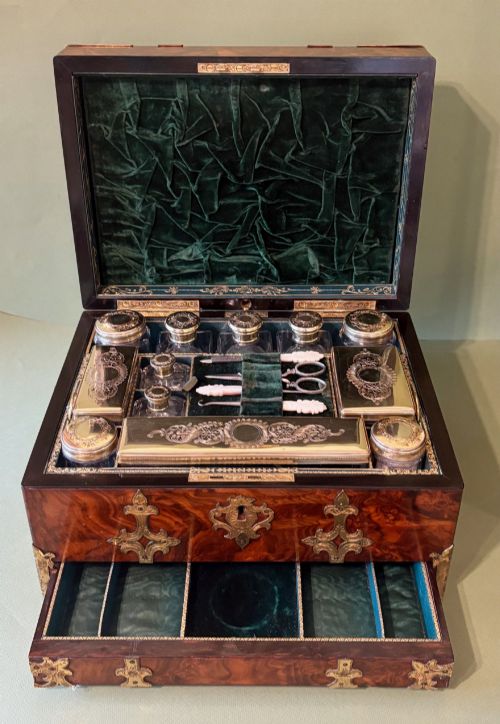
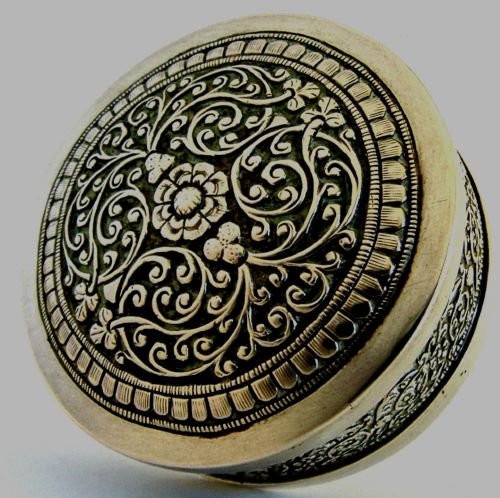
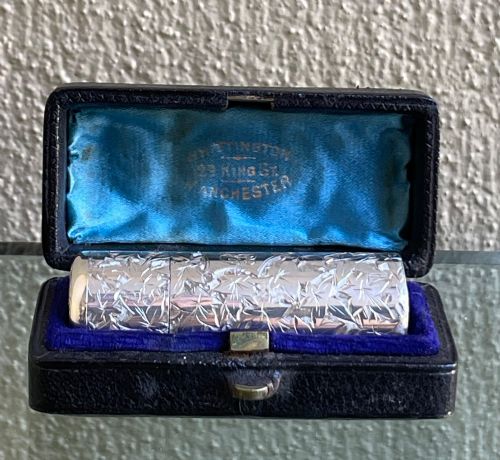
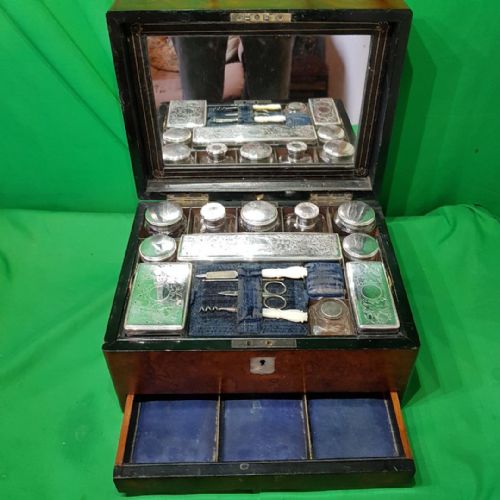
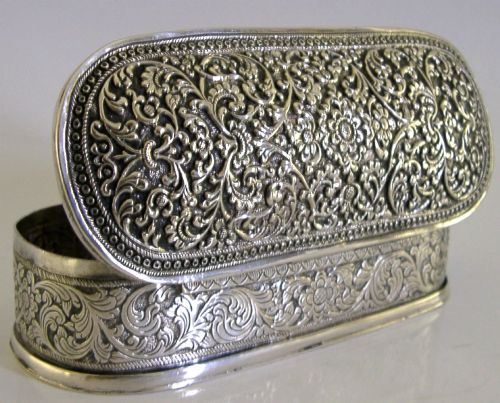
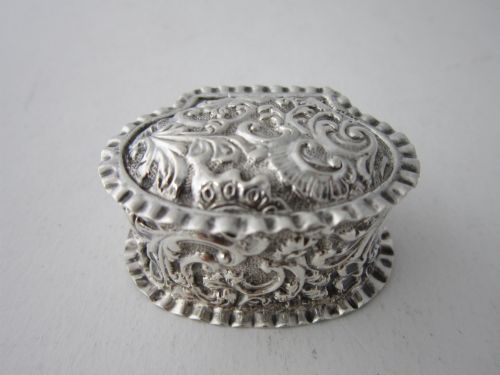
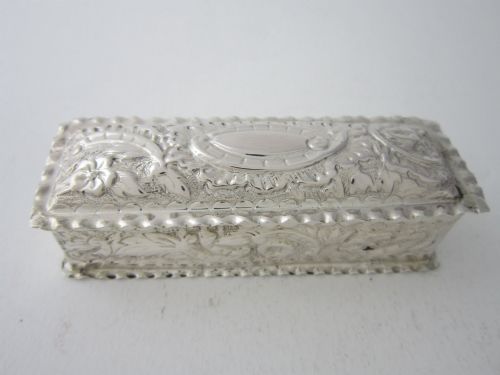
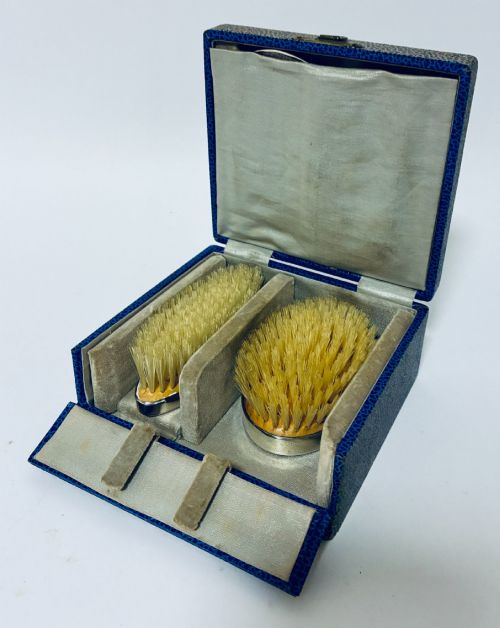
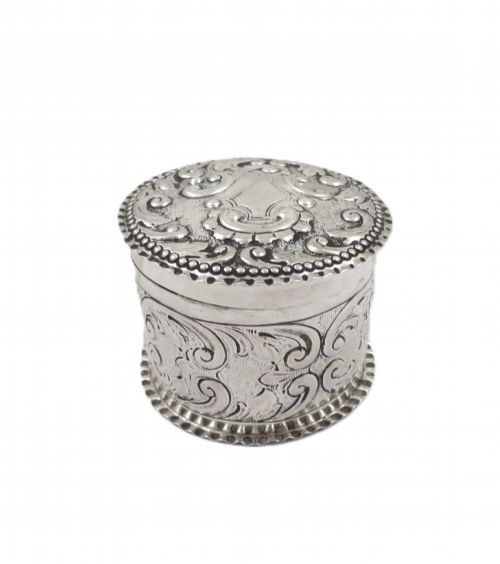
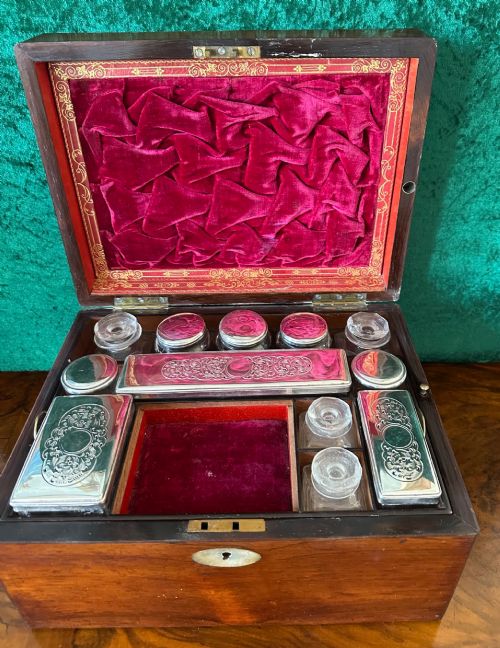
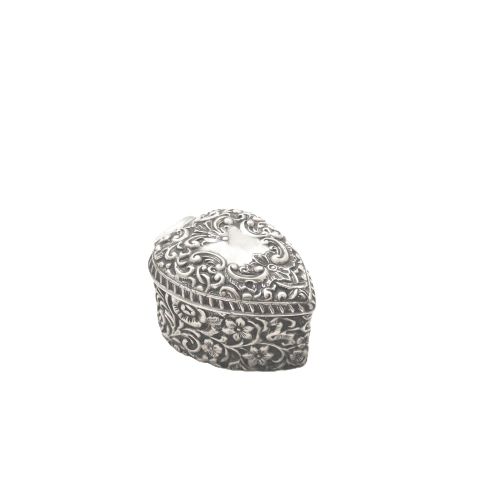
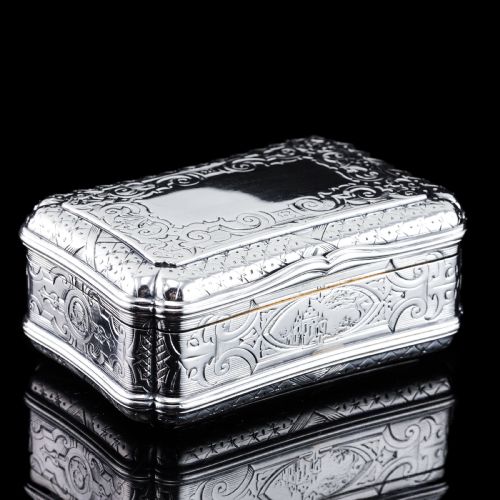
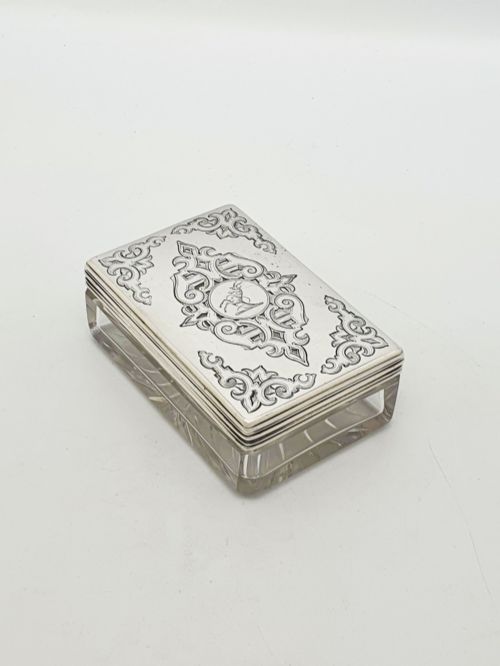
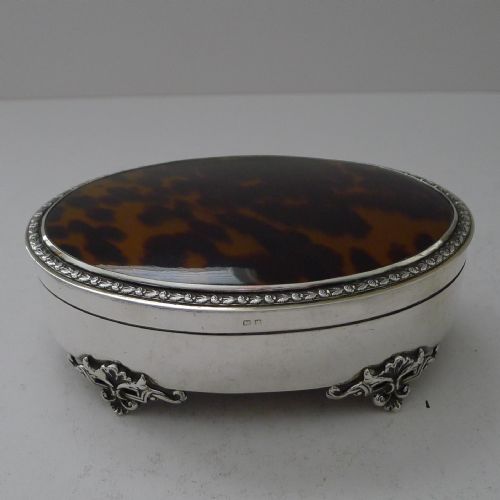
A victorian silver vanity box encompasses a diverse group of portable containers, dressing cases, and smaller trinket holders used for grooming items and personal valuables. You will frequently encounter sterling silver mounted jars alongside heart-shaped pill containers, hinged dressing table boxes, and larger fitted travelling cases made of timber.
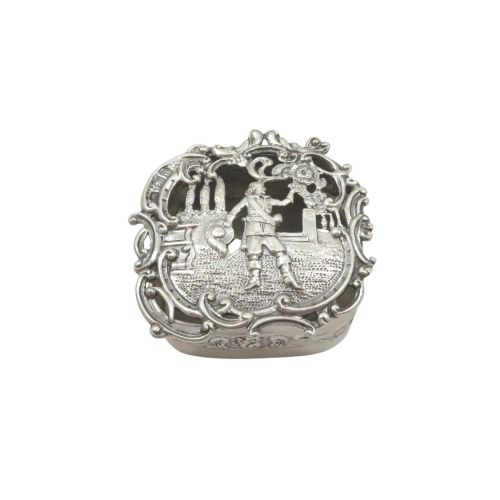
The objects span multiple periods, with the Victorian era heavily represented alongside Edwardian and late nineteenth-century examples. Forms range from simple pierced silver trinket boxes to elaborate wooden cases lined with velvet and fitted with glass and silver gilt accessories.
How they were made
Silversmiths utilised sterling silver and silver plate for mounts, lids, and structural bodies, often combining metalwork with cut glass, brass, and tortoiseshell. Wood varieties such as burr walnut, mahogany, and rosewood form the structural carcases of larger travelling boxes, frequently accented with mother of pearl inlay.
Techniques include repoussé embossing, engine-turned guilloche engraving, and pierced silver detailing, alongside internal velvet or leather linings designed to secure glass vanity pots and scent bottles.
Object types include trinket boxes, jewellery boxes, dressing cases, scent bottles, vanity sets, snuff boxes, and pill containers.
What varies in quality
Quality rests in the cohesion of materials and the depth of decorative work, such as hand-engraved cartouches versus simple machine stamping. The integration of fitted interiors - where silver-gilt fittings, cut glass, and lined compartments remain complete and undisturbed - distinguishes finer examples.
The weight of the solid silver elements and the precision of joinery in wooden carcases such as coromandel or burr walnut dictate the standing of individual pieces within the historical range.
Horton and Allday·Edward Smith·A and J Zimmerman Ltd·William Hutton·William Comyns·Jane Brownett Alexander Jones·Asprey
The Victorian Silver Vanity Box Glossary
- Sterling silver
- A silver alloy containing 92.5 percent pure silver and 7.5 percent other metals, usually copper, providing durability for boxes and vanity fittings.
- Repoussé
- A metalworking technique where the silversmith hammers the design from the reverse side to form a raised pattern on the lid or body.
- Guilloche
- An ornamental pattern produced by a mechanical engraving engine that etches precise geometric motifs onto metal surfaces.
- Gilt
- A thin layer of gold applied to the interior or exterior of silver objects, often described as silver gilt.
- Carcase
- The main structural framework of a wooden travelling box or vanity case before the application of veneers, fittings, and linings.
Victorian Silver Vanity Box: Frequently Asked Questions
What is a victorian silver vanity box used for?
These boxes served to organise personal grooming paraphernalia, cosmetics, and small jewellery items on dressing tables or during travel.
They housed items like glass scent bottles, pill boxes, and vanity pots securely within fitted compartments.
How do I care for silver and wood boxes?
Keep the wooden bodies and leather or velvet linings away from direct sunlight and excessive moisture to prevent warping and fading.
Polish the sterling silver elements gently with a suitable cloth while avoiding abrasive cleaners on engraved or gilded surfaces.
Were these boxes made for travel?
Many larger examples function as travelling cases featuring secure locks, brass bindings, and robust wooden carcases made of rosewood or walnut.
Smaller silver trinket boxes and pill containers remained stationary on dressing tables rather than enduring the rigours of transit.
How can I tell a Victorian box from an Edwardian one?
Victorian pieces often display heavier Rococo Revival or Gothic ornamentation, alongside deep repoussé work and substantial sterling silver mounts.
Edwardian examples frequently lean towards lighter aesthetics, simpler lines, and distinct stylistic touches influenced by the Art Nouveau period.