







Victorian Silver Trinket Bowl
These victorian silver trinket bowl examples bring nineteenth-century craftsmanship directly to your dressing table or desk.
Victorian Silver Trinket Bowl
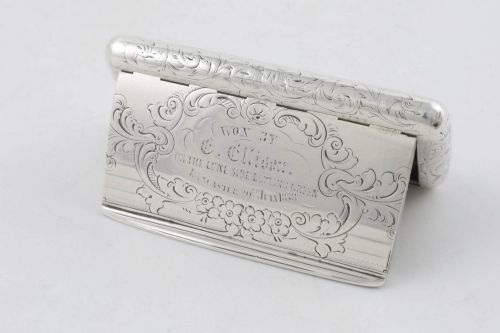
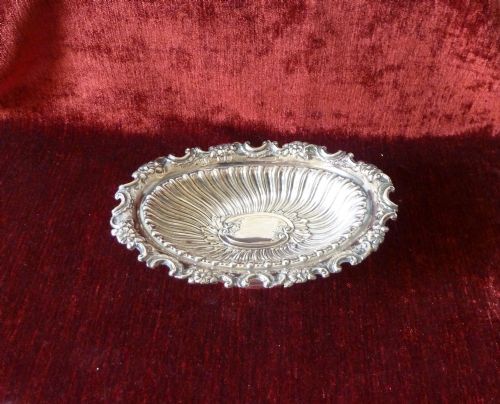
A victorian silver trinket bowl encompasses small decorative dishes, sweetmeat dishes, bonbon dishes, and snuff boxes fashioned primarily during the nineteenth century. Buyers seeking this phrase encounter small receptacles designed for holding precious items, sweets, or personal effects.
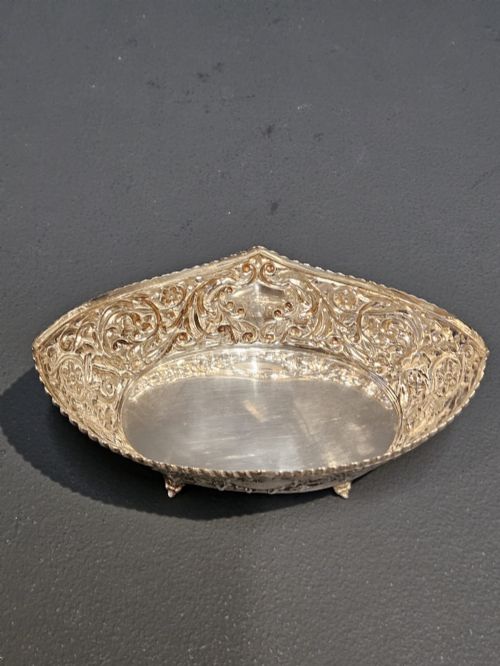
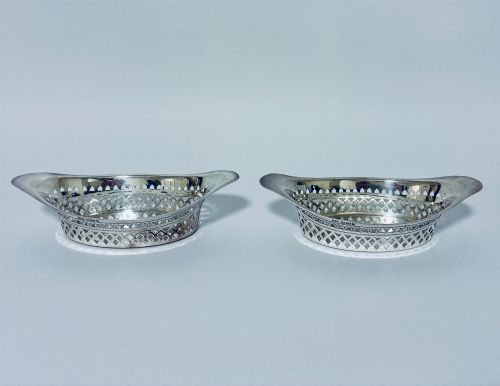
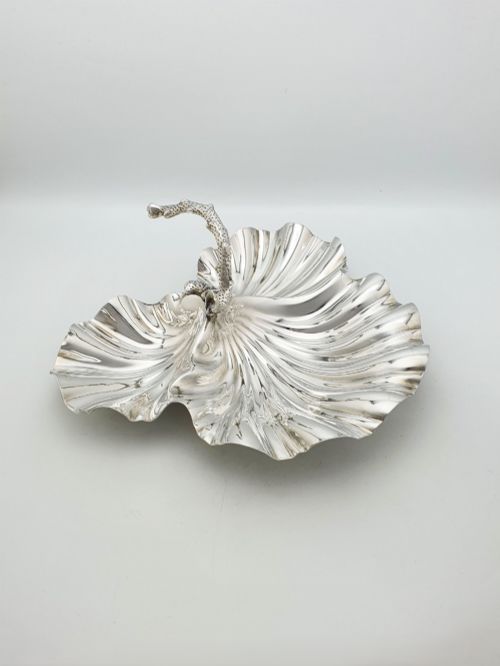
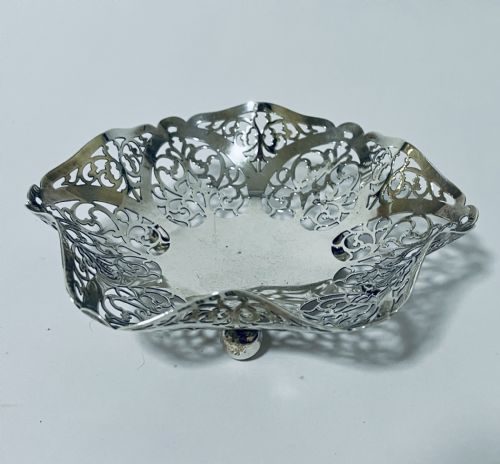
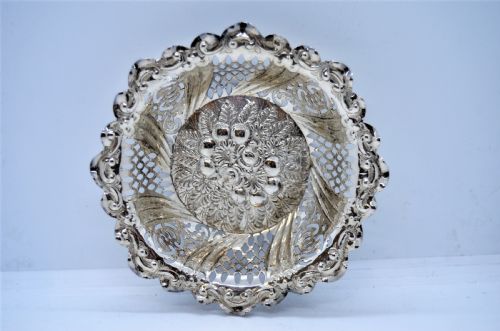
The pieces listed here span the Victorian era, late nineteenth-century styles, and occasional Edwardian or mid-century adaptations. Forms range from simple pierced dishes and baskets to naturalistic shell designs and figural works.
Materials and construction
Maker workshops utilised sterling silver and silver plate, alongside electroplated nickel silver, cut glass, and occasional interior linings of velvet or satin. Metals were shaped, pierced, and chased to create intricate surface patterns.
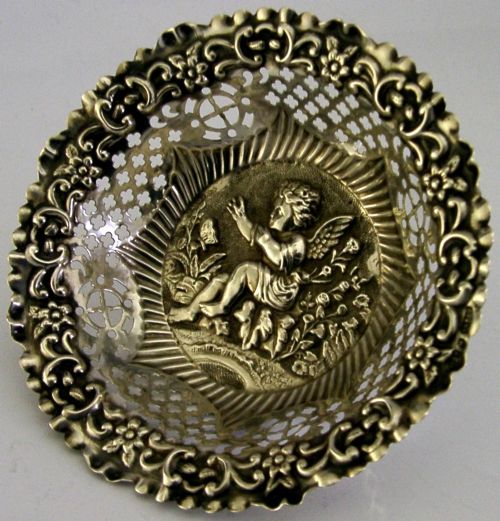
Artisans also incorporated naturalistic motifs, such as stylized coral handles, cherub figures, and leaf shapes. These techniques combined metalworking skill with distinct period aesthetics.
Victorian Silver Trinket Bowl Retail Price Guide 2026
Typical asking prices for victorian silver trinket bowl among the pieces listed under this phrase on Sellingantiques today, from the lower quarter to the upper quarter. They describe what is for sale here now, not the wider market.
The listings show materials spanning sterling silver, silver plate, electroplated nickel silver, cut glass, velvet, and satin.
Judging quality and craftsmanship
Quality rests upon the crispness of piercing, the weight and gauge of the metal, and the clarity of hallmarks. Finer examples display deliberate hand-chasing and balanced proportions rather than flat, stamped decoration.
The presence of original fitted cases, specialist maker attribution, and imaginative figural elements elevate a piece above standard domestic production. Material integrity, such as undamaged cut glass or intact silver plating, further distinguishes better specimens.
Yapp & Woodward·James Hennell·William Padley
The Victorian Silver Trinket Bowl Glossary
- Sterling Silver
- A standard alloy consisting of ninety-two point five percent silver by mass, with the remainder composed of copper or other metals. This alloy provides durability while maintaining a bright, lustrous appearance.
- Bonbon Dish
- A small decorative vessel originally intended for holding small sweets or confections. These pieces frequently feature pierced openwork or raised pedestal bases.
- Sweetmeat Dish
- A shallow receptacle designed for serving small sweet delicacies during formal dining or tea. They share similar forms with bonbon dishes.
- Hallmark
- An official stamp or marks struck on items of precious metals, certifying their purity and origin. British marks typically include symbols for the maker, assay office, and date.
Victorian Silver Trinket Bowl: Frequently Asked Questions
What were victorian silver trinket bowl pieces used for?
These small bowls and dishes served practical and decorative functions on dressing tables, desks, and dining surfaces. Owners kept pins, small jewellery, snuff, or sweet confections inside them.
Their portable nature allowed them to move easily between rooms as household habits changed during the nineteenth century.
How do I date a silver dish?
Dating relies heavily on official hallmarks stamped into the metal, which indicate the assay office and year of testing. Stylistic clues, such as Victorian naturalism or Edwardian restraint, also point toward specific decades.
Comparing the manufacturing technique and decorative motifs with known period pieces helps narrow down the timeframe further.
Are these bowls made of solid silver?
The listings include both solid sterling silver and silver-plated or electroplated nickel silver alternatives. Descriptions specify the exact metal composition used for each individual dish.
Solid pieces carry traditional hallmarks, while plated items typically feature alternative manufacturer stamps denoting their plating method.
How should I clean my silver dish?
Cleaning requires a soft cloth and a gentle, non-abrasive silver cleaner formulated to remove tarnish without stripping the metal surface. Harsh scrubbing or chemical dips can damage delicate chased details and piercings.
Storing pieces away from direct moisture and strong light helps preserve the finish between occasional polishings.