




Victorian Silver Pin Tray
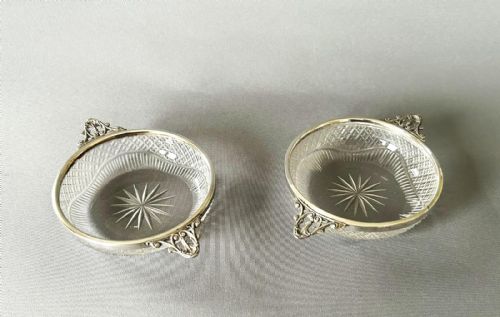
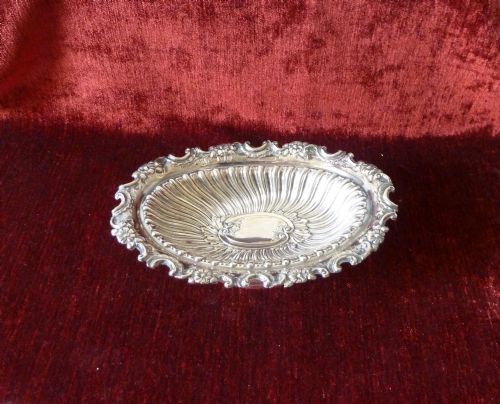
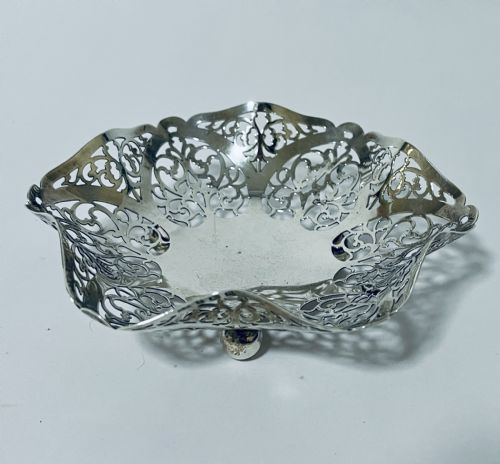
These Victorian silver pin trays are small, decorative receptacles crafted to hold dressing table essentials.
Victorian Silver Pin Tray
A victorian silver pin tray is a compact vessel designed to hold small dressing table accessories such as pins and trinkets. These pieces appear in various configurations, including heart shapes, oval formats, leaf designs, and novelty horse shoe or figural motifs.
The selections span standard sterling silver and plated options, often accompanied by related items like bonbon dishes, cut glass jars, and carved horn bowls with silver mounts. Makers and assay offices from London, Birmingham, and Chester stamped many of these works during the late nineteenth century.
Methods and materials
Makers utilised sterling silver and silver plate, frequently shaping the metal through casting, pressing, and detailed repoussé work. Some examples combine silver mounts with organic materials like carved horn, or pair sterling elements with cut glass.
Assay office hallmarks stamped directly onto the silver indicate the year of creation and the town of origin, such as London or Birmingham. Engraved decoration and figural reliefs depicting cherubs or historical figures were applied by hand to the surface.
One unexpected tray takes the exact shape of a horse shoe, ready to catch dropped pins and bring a touch of stable luck to the dressing table.
Distinguishing finer examples
The crispness of the chased or cast ornament separates standard productions from superior works, particularly in detailed figural subjects like cherubs or portraits. Thicker gauge metal provides a more substantial weight in the hand.
Clarity and legibility of the hallmarks add confidence to the piece, while original fitted cases or surviving pairs enhance the integrity of the surviving set.
William Comyns·James Hennell·William Padley·Mappin And Webb
The Victorian Silver Pin Tray Glossary
- Sterling silver
- A silver alloy containing 92.5 percent pure silver and 7.5 percent other metals, usually copper. This standard metal forms the bulk of traditional British tablewares.
- Hallmark
- A series of official marks stamped on precious metals. These marks indicate the maker, the assay office, the purity standard, and the year of production.
- Repoussé
- A metalworking technique where the artisan hammers the metal from the reverse side to form a raised design in relief on the front.
- Bonbon dish
- A small ornamental dish originally intended to hold sweets or confectionery. These share similar sizes and decorative treatments with pin trays.
Victorian Silver Pin Tray: Frequently Asked Questions
What were victorian silver pin trays used for?
These small trays sat upon dressing tables and sideboards to hold common personal items like pins, rings, and small trinkets.
They kept loose accessories contained and accessible in the bedroom or parlour.
How do I know if my tray is sterling silver?
Look for the standard hallmarks stamped into the metal surface, which typically include a lion passant and assay office symbols.
These tiny marks verify the metallic composition and point to the specific town and year of testing.
Can I use a pin tray daily?
Silver pin trays function well for holding modern jewellery and small pocket items on a bedside table or desk.
Regular use requires only gentle cleaning with a soft cloth to maintain the polish without wearing down the chased details.
Why do some trays feature figural designs?
Late nineteenth-century makers frequently utilised popular cultural motifs, cherubs, and historical figures to decorate household silver.
These pictorial scenes reflected the Victorian taste for narrative and decorative ornamentation on functional objects.