




Victorian Silver Top Bottle
A victorian silver top bottle combines heavy glass or crystal bodies with hallmarked metal mounts, offering practical utility and decorative colour.
Victorian Silver Top Bottle
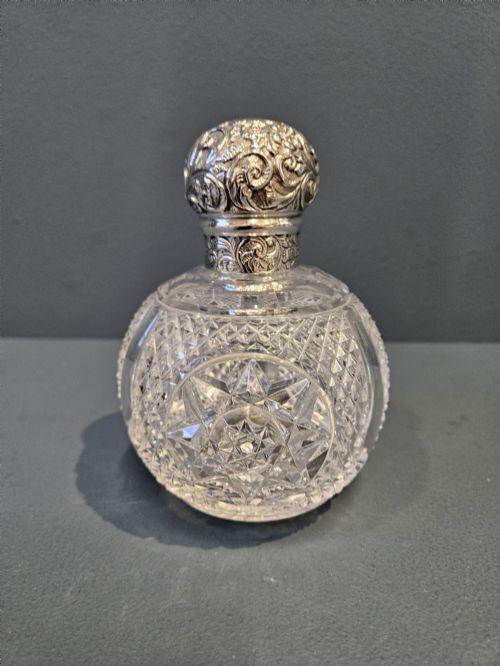
When you search for a victorian silver top bottle, you encounter small personal scent flasks, larger decanters, and desk accessories designed for daily nineteenth-century use. These vessels range from pocket-sized perfume holders in vibrant colours to dining table cruets and inkwells fitted with metal lids.
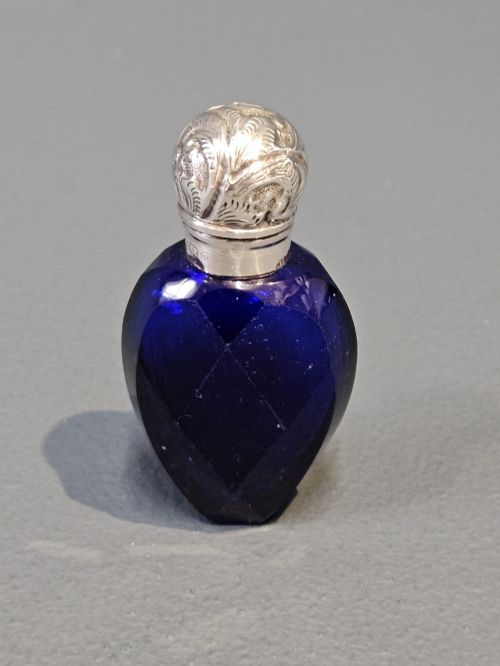
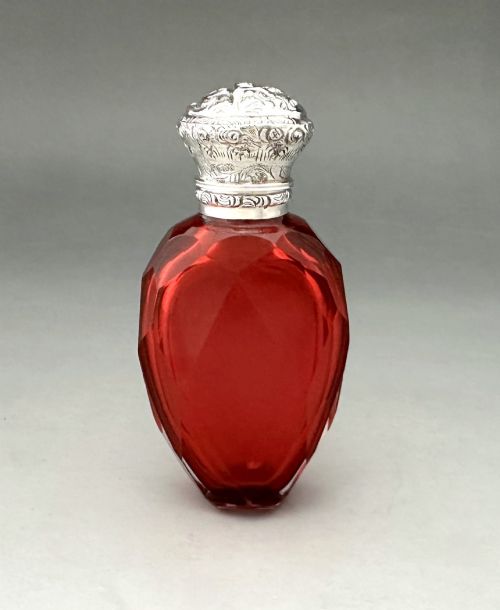
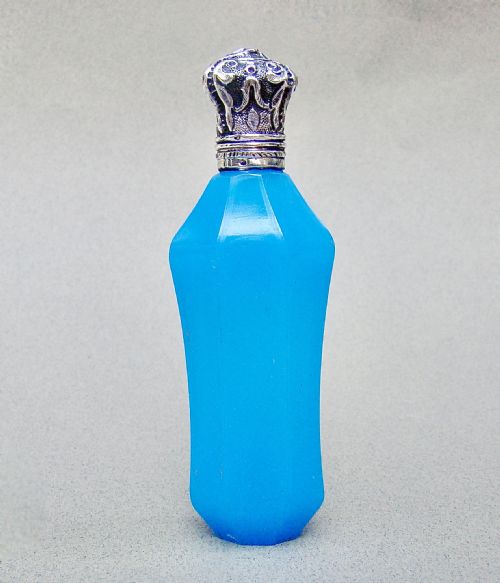
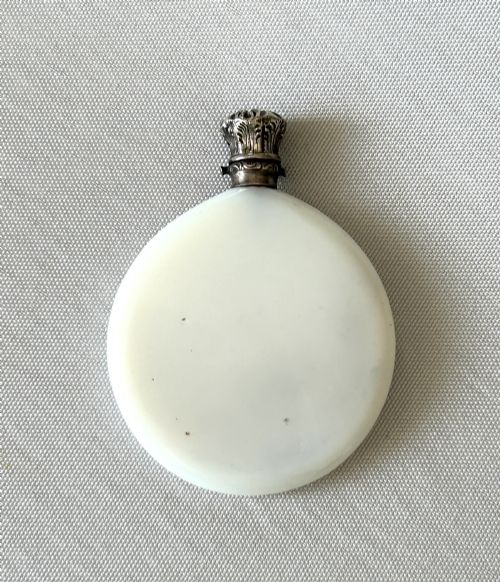
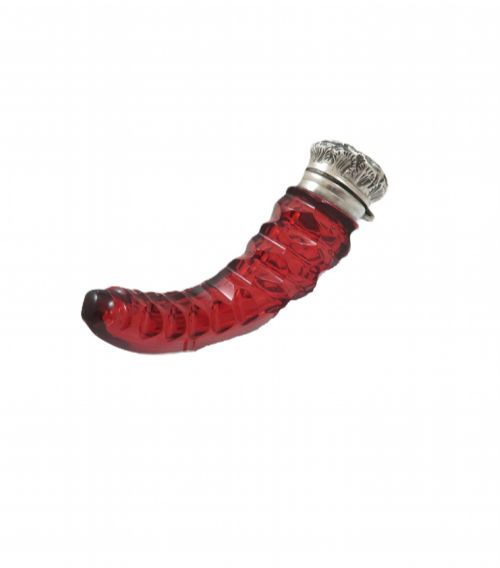
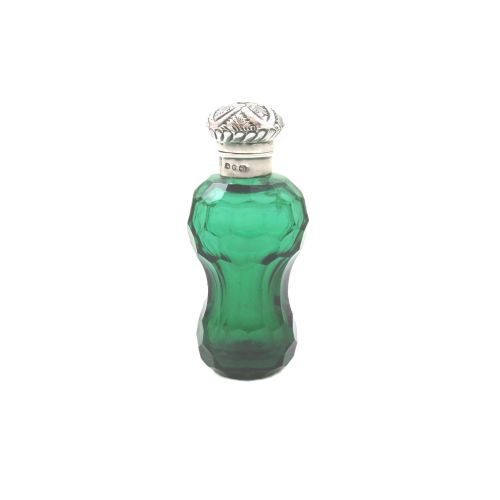
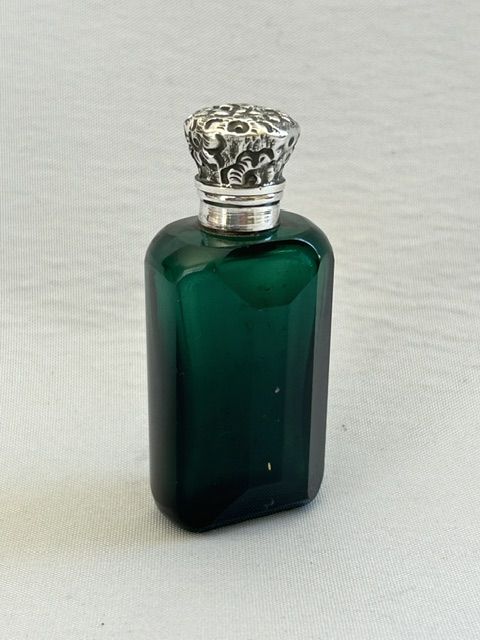
The version you meet most frequently on this page is the glass scent bottle, rendered in shades of blue, cranberry, green, and opaline, secured by a hinged or screw-on metal cap. Many date from the middle and late nineteenth century, reflecting the periods of Victorian and Edwardian production.
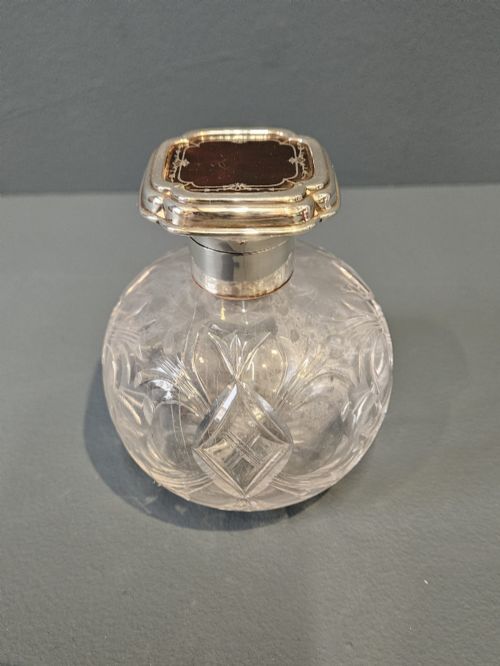
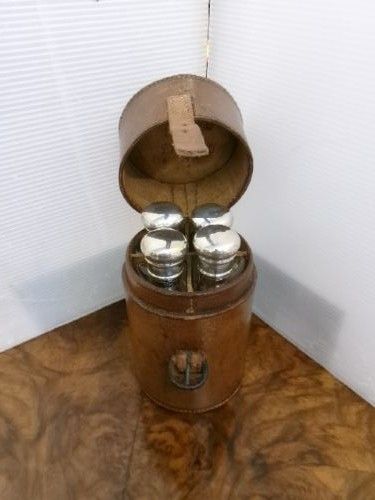
Beyond scent bottles, the selection includes desk items such as glue pots and ink wells alongside table decanters, all utilising silver mounts to cap or collar the glass body.
Materials and construction
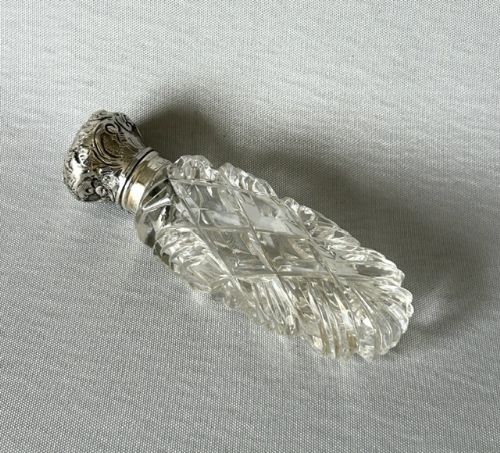
Makers combined blown or cut glass with sterling silver, utilising materials like Bristol blue, cranberry, amethyst, and opaline glass to form the vessel bodies. The metal components were shaped, sometimes engraved or embossed, and fitted tightly to the glass necks with cork or friction liners.
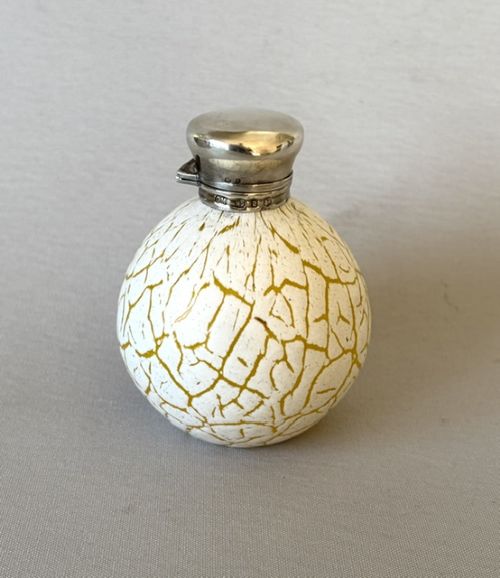
Certain pieces display specialised techniques such as glass overlay, crackle glass, or intricate murrine work from Murano, paired with hallmarked silver tops produced in Birmingham, London, or by firms like Hukin & Heath.
Victorian Silver Top Bottle Retail Price Guide 2026
Typical asking prices for victorian silver top bottle among the pieces listed under this phrase on Sellingantiques today, from the lower quarter to the upper quarter. They describe what is for sale here now, not the wider market.
Listings feature items spanning the Victorian, Edwardian, and nineteenth-century French periods, incorporating sterling silver alongside clear cut crystal and coloured glass.
Assessing the craftsmanship
Quality rests in the weight and clarity of the glass, the depth of its colour, and the precision with which the silver mount fits the neck. Hand-blown bodies with crisp wheel-cut facets or dense coloured layers demonstrate superior manufacture compared to simpler pressed glass alternatives.
The finish of the metal mount matters significantly, where crisp hallmarks, tight hinge action, and detailed chasing distinguish standard commercial production from finer silversmith work.
Hukin & Heath·Franchini & Bigaglia
The Victorian Silver Top Bottle Glossary
- Sterling Silver
- An alloy of silver containing 92.5% pure silver and 7.5% other metals, typically copper. This standard grade is verified by official assay office hallmarks.
- Opaline Glass
- An opaque or translucent art glass developed in nineteenth-century France, known for its milky pastel tones of white, blue, or turquoise.
- Cranberry Glass
- A rich red glass produced by adding gold chloride to the molten batch, widely utilised for Victorian scent bottles and tableware.
- Hallmark
- An official stamp applied to precious metals indicating the standard of purity, the maker, and the assay office of origin.
- Murrine
- Coloured glass cane heated and drawn out, then sliced to reveal complex patterns within the body of the glass.
Victorian Silver Top Bottle: Frequently Asked Questions
What is a victorian silver top bottle used for?
These vessels originally held liquid perfumes, smelling salts, ink, or wine for personal grooming and domestic service.
Portable scent flasks fitted easily into reticules or travel cases during the nineteenth century.
How do I know if the silver top is real?
Look closely at the metal surface for stamped assay office marks, maker initials, and the lion passanger denoting sterling silver.
Unmarked mounts may be silver-plated rather than solid sterling metal.
Why are the glass colours so varied?
Victorian glasshouses experimented extensively with metallic oxides to produce distinct hues such as deep cobalt blue, cranberry, and vaseline yellow.
These rich tones served both decorative display and practical protection of light-sensitive contents.
How should I clean a glass bottle with a silver top?
Wipe the glass body with a damp cloth and mild soap, taking care to keep moisture away from any internal cork or paper liners.
Polish the silver mount gently with a dry microfiber cloth, avoiding abrasive cleaners that might scratch the surrounding glass.