



Victorian Silver Table Ornament
A victorian silver table ornament brings character to a dining room, taking the form of charming animals, figures, and functional centrepieces.
Victorian Silver Table Ornament
A victorian silver table ornament encompasses a diverse group of objects designed to decorate the dining table, ranging from novelty pepper pots and menu holders to figural groups and candelabras. Buyers searching for these pieces encounter items spanning the Victorian era alongside related Edwardian and later examples, incorporating materials such as sterling silver, silver plate, glass, and wood.
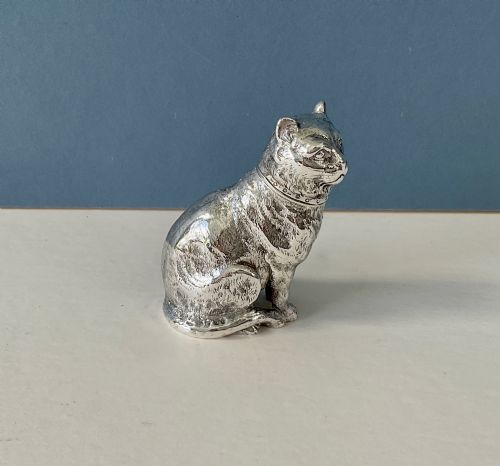
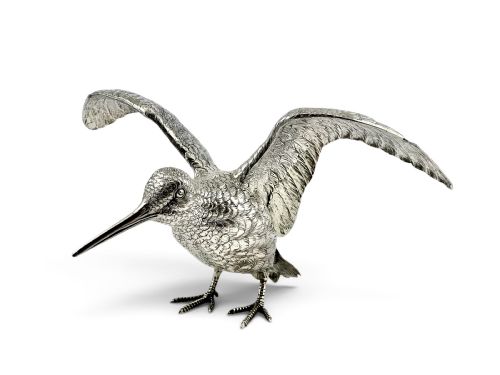
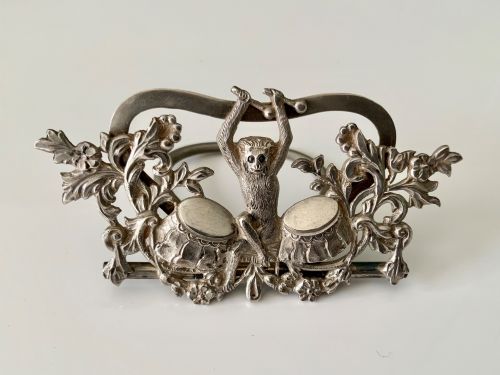
The assortment on this page relies heavily on naturalistic and figural representations, featuring birds such as woodcocks, grouse, cockerels, and owls, alongside monkeys, cats, and human figures. Functional items like toothpick holders, cream pails, and photo frames with velvet backs also appear amongst the decorative table ornaments.
Stylistic influences stretch from Victorian naturalism to Renaissance revival and Assyrian revival, demonstrating the varied tastes of the nineteenth and early twentieth centuries. Pieces originate from workshops in London, Sheffield, and Hanau, as well as Belgian makers.
Materials and construction methods
Composites are common in these objects, combining solid sterling silver or silver plate with backing materials like blue velvet, glass inserts, or wooden components to create functional items like picture frames and potpourri baskets.
Victorian Silver Table Ornament Retail Price Guide 2026
Typical asking prices for victorian silver table ornament among the pieces listed under this phrase on Sellingantiques today, from the lower quarter to the upper quarter. They describe what is for sale here now, not the wider market.
Object types seen include menu holders, novelty pepper pots, candelabras, photo frames, and figural animal statues.
Distinctions in craftsmanship
Quality in a victorian silver table ornament rests on the crispness of the casting and the sensitivity of the modelling, particularly in animal and human figures where anatomical accuracy defines the piece. Finer examples display meticulous hand-chasing on feathers and surfaces rather than soft, mass-produced textures.
The reputation of the maker and the clarity of the hallmarking contribute significantly to the standing of an object. Pieces bearing marks from established silversmiths command greater attention from collectors.
Edward & John Barnard·Bernard Muller·Sampson Mordan
The Victorian Silver Table Ornament Glossary
- Sterling silver
- A silver alloy containing 92.5 percent pure silver by mass and 7.5 percent other metals, usually copper. This standard is universally used for British table ornaments.
- EPNS
- Electroplated Nickel Silver, a base metal alloy coated with a layer of pure silver. This method provided a more affordable alternative to solid silver.
- Novelty pepper pot
- A condiment container shaped to resemble an animal, figure, or object rather than a traditional shaker. These functional items often double as decorative shelf or table pieces.
- Menu holder
- A small desk or table accessory designed to display cards listing the courses of a meal. They frequently take imaginative shapes like animals or musicians.
- Chasing
- A metalsmithing technique where a hammer and punches push the metal from the front to create low relief surface decoration. This adds texture and detail to cast figures.
Victorian Silver Table Ornament: Frequently Asked Questions
What is a victorian silver table ornament?
A victorian silver table ornament is a decorative or functional object placed on dining tables during the nineteenth century and later. These items include figural pepper pots, menu holders, candelabras, and small statues.
They reflect the Victorian appetite for elaborate table settings, combining novelty with fine silversmithing techniques to impress guests during formal meals.
How were silver table ornaments used?
These ornaments served both practical and aesthetic purposes in the dining room. Items like toothpick holders, cream pails, and menu holders performed specific functions during a course.
At the same time, figural animals and decorative baskets acted as conversation pieces, arranged across the table cloth to beautify the dining environment.
How do I care for antique silver ornaments?
Caring for antique silver involves gentle cleaning with a soft cloth and specialised silver polish only when necessary. Avoid abrasive materials that can wear away thin plating or delicate hand-chased details.
Store or display them away from direct sunlight and damp environments to protect secondary materials like velvet backing or wooden components.
How can I tell the age of a silver ornament?
Dating silver ornaments relies heavily on hallmarks stamped into the metal, which indicate the assay office, date letter, and maker's mark. Researching these stamps provides a precise year of manufacture.
Stylistic cues, such as the naturalistic forms popular in the Victorian period or the revival styles of the late nineteenth century, also offer strong indications of age.