



Victorian Silver Shakers
Victorian silver shakers bring character and utility to the dining table, combining period craftsmanship with charming forms.
Victorian Silver Shakers
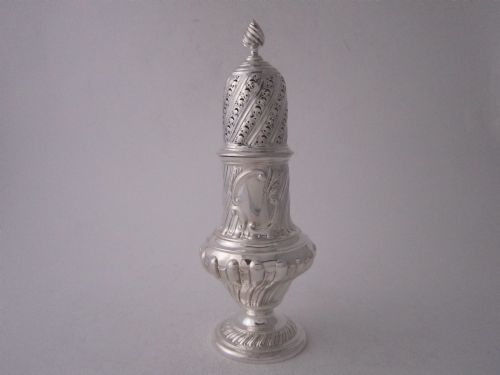
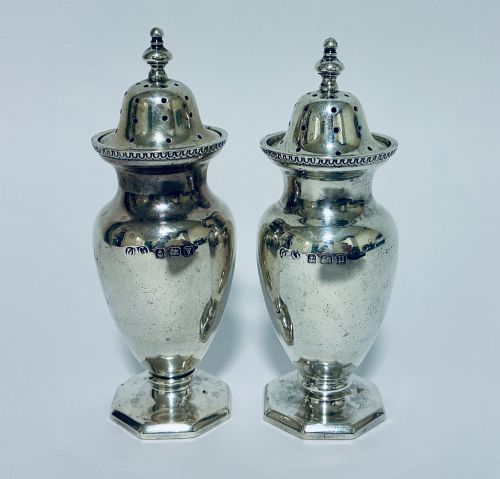
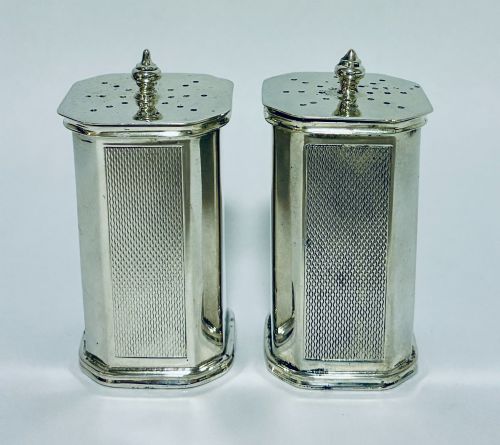
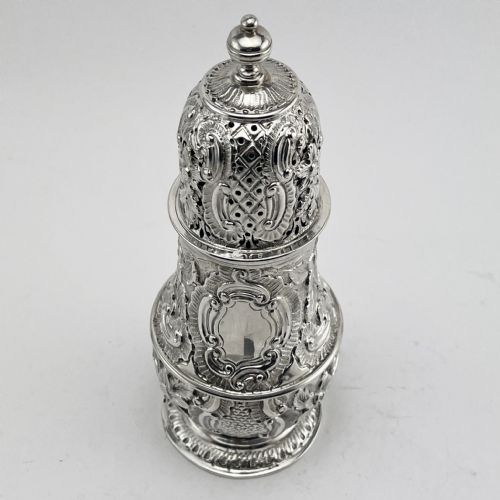
Victorian silver shakers encompass salt and pepper shakers, pepper pots, pepperettes, and larger sugar casters designed for dining and table service.
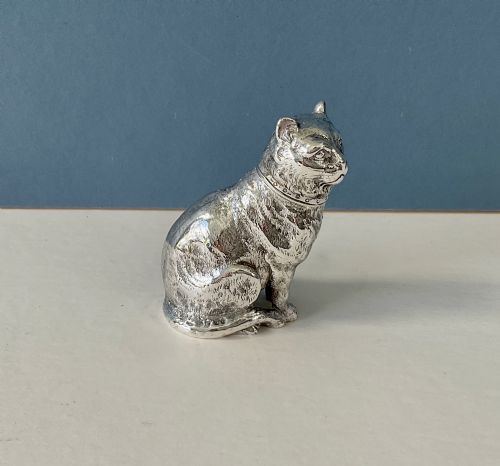
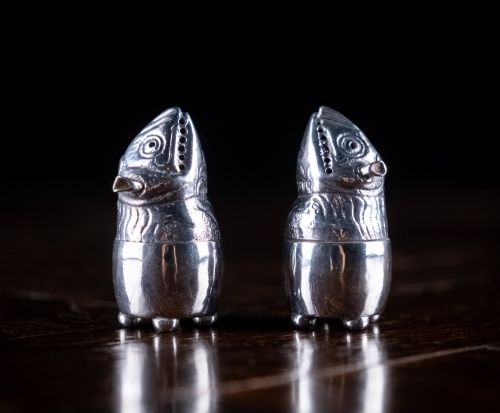
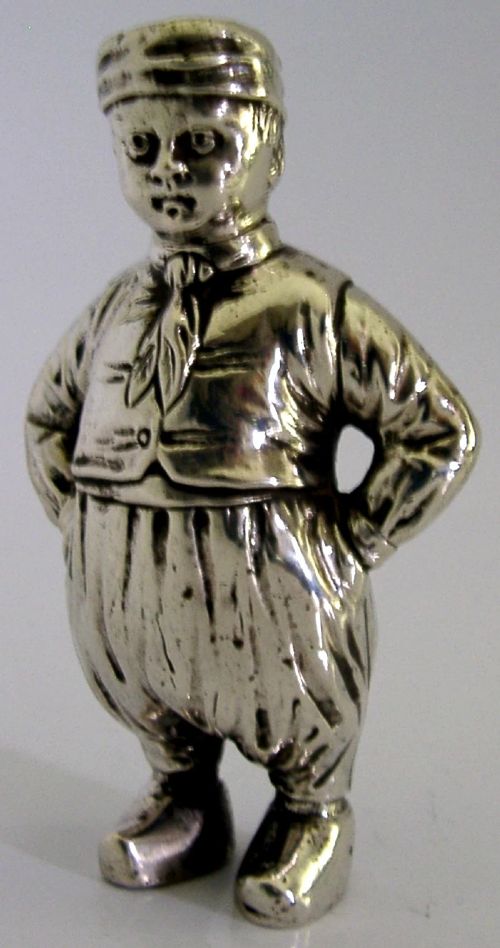
The pieces appear in standard domestic forms as well as inventive novelty shapes depicting animals, birds, and figures.
Most examples originate from the nineteenth century, alongside related Edwardian and silver-plated cruet sets.
Materials and construction
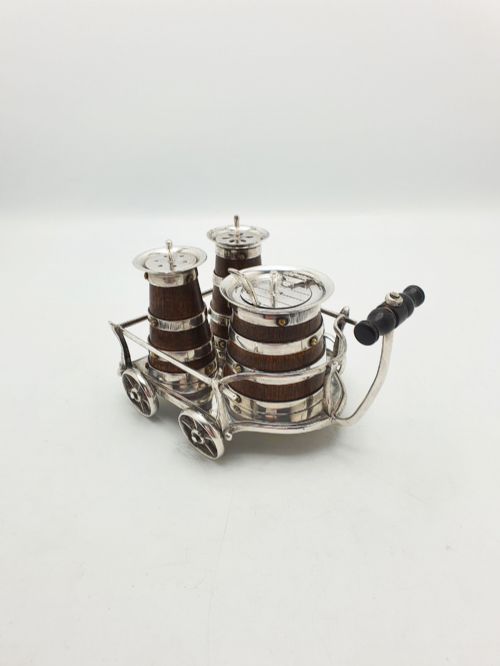
Makers utilised sterling silver, solid silver, and silver plate over base metals, often pairing the metalwork with clear or cut glass bodies.
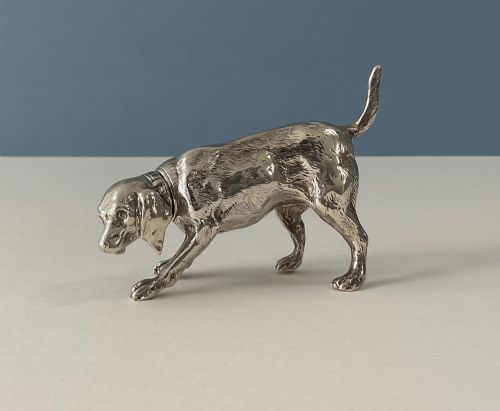
Novelty pieces employ detailed casting techniques to shape figures such as cats, dogs, owls, and human characters with textured surfaces.
Finishes include silver gilt highlights and fitted interior velvet linings within presentation boxes.
Tabletop humour thrived in the nineteenth century through silver pepper pots shaped like Mr Punch's dog Toby and wide-eyed owls.
Distinguishing quality
Quality rests in the crispness of the chased and cast details, particularly on figural novelty items where feather and fur textures remain sharp.
Substantial weight in the silver and clear hallmarks indicating specific makers and assay dates elevate the standing of a piece.
Frederick Brasted·Horace Woodward and Co Ltd·Sampson Mordan·Thomas Johnson·Mappin and Webb·Berthold Muller
The Victorian Silver Shakers Glossary
- Caster
- A tall container with a pierced lid used for sprinkling sugar or spices onto food. These vessels often feature weighted bases and screw-on tops.
- Cruet set
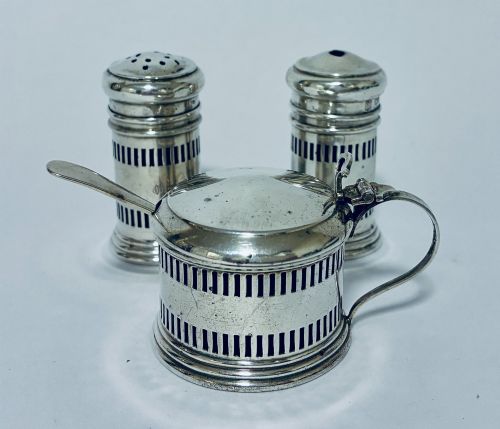
- A collection of condiment bottles or shakers held together in a fitted stand or frame. They typically service vinegar, oil, mustard, salt, and pepper.
- Pepperette
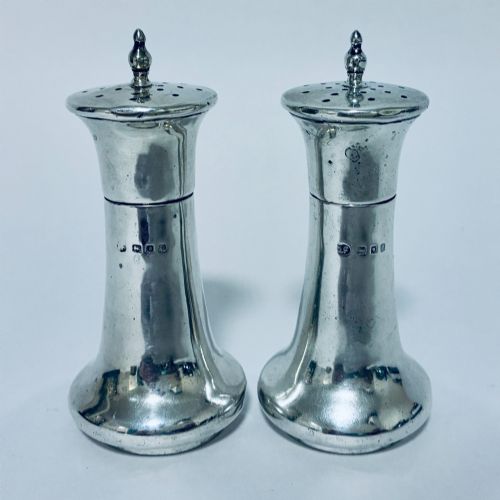
- A small nineteenth-century vessel intended specifically for dispensing ground pepper at the table. They frequently occur as pairs or matched sets.
- Silver gilt
- Silver objects that have been coated with a thin layer of gold on the surface. This technique adds a warm internal and external sheen.
- Pounce pot
- A small container with a perforated top used to sprinkle resin powder onto rough paper. This preparation created a smooth writing surface for ink.
Victorian Silver Shakers: Frequently Asked Questions
What are novelty silver shakers?
Novelty silver shakers are functional condiment containers cast in whimsical shapes rather than standard cylindrical or urn forms. Makers designed them to resemble animals, birds, and characters to amuse diners.
These pieces function as fully usable shakers while doubling as decorative tabletop objects. Collectors prize them for their sculptural detail and inventiveness.
How do I date a silver shaker?
Dating relies upon reading the hallmarks stamped onto the silver body or lid. These marks typically include a maker's mark, standard marks for purity, and a date letter corresponding to the assay office.
Stylistic cues also help narrow the period. Pieces incorporating heavy casting and naturalistic forms often point to the Victorian era.
Were these shakers used as pairs?
Many pepper pots and salt shakers were produced and sold as matched pairs for placement at opposite ends of the dining table. Larger collections appeared as part of multi-piece cruet sets.
Surviving cased sets often kept these pairs together alongside mustard pots. Single shakers also occur frequently among domestic tableware.
How should I clean silver shakers?
Cleaning requires a soft cloth and a gentle silver polish formulated to lift tarnish without removing the underlying metal. Avoid harsh abrasive cleaners that scratch detailed cast surfaces.
Keeping the shakers dry prevents moisture from lingering inside the pierced lids. Regular, light dusting maintains the polish of displayed pieces.