


Victorian Silver Scent Flask
When you search for a victorian silver scent flask, you are tracking down portable pocket vessels designed for fragrant oils and smelling salts.
Victorian Silver Scent Flask
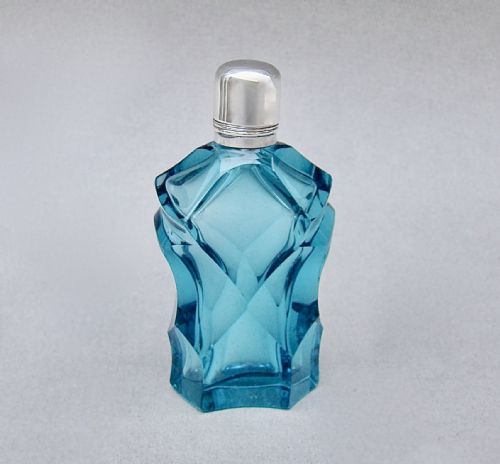
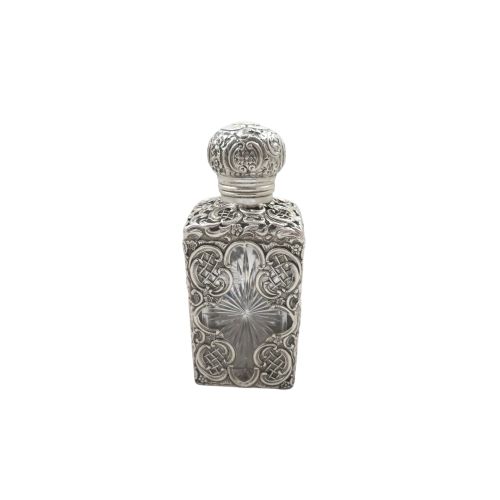
A victorian silver scent flask typically combines a hollow glass body with a tight metal cap, designed to carry perfume safely in a pocket or handbag. The majority belong to the nineteenth century, spanning decades from eighteen seventy to eighteen ninety, alongside occasional Edwardian and French nineteenth century pieces.
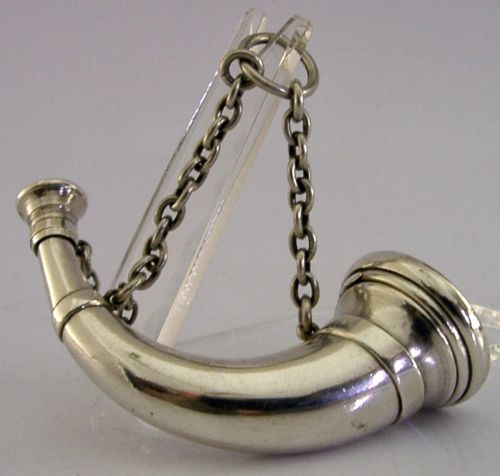
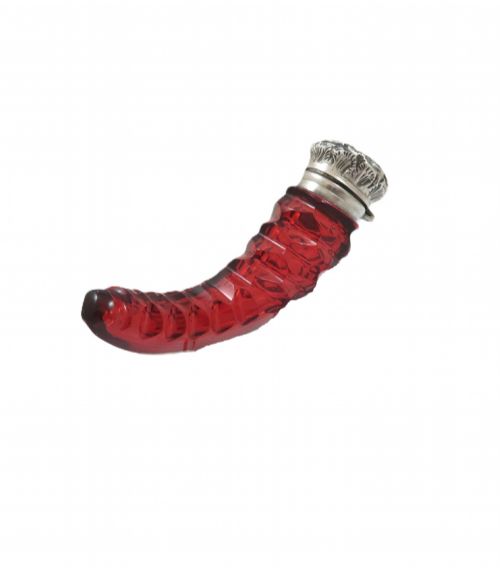
Forms range from straightforward cylindrical and slice-cut glass cylinders to novelty shapes such as hunting horns, violins, eggs, and owls. Many survive as double-ended bottles or flat pocket flasks intended to fit snugly inside a waistcoat pocket.
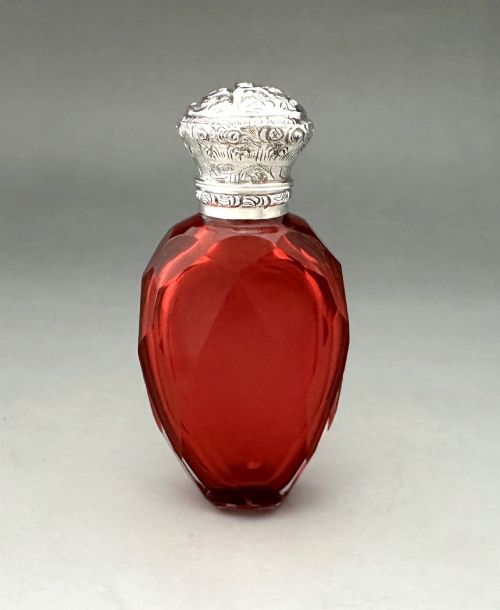
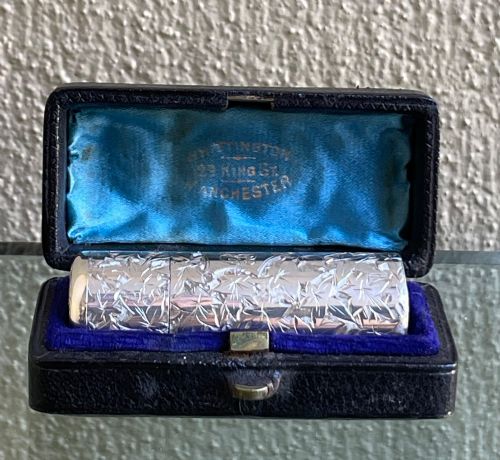
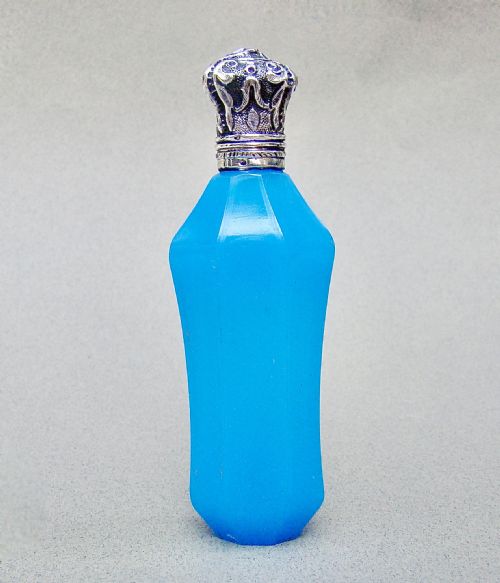
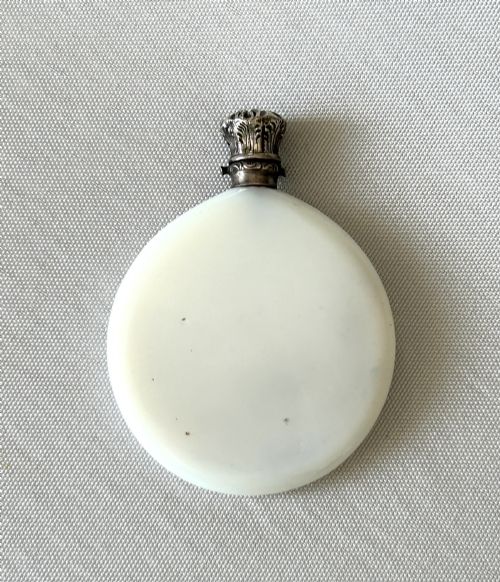
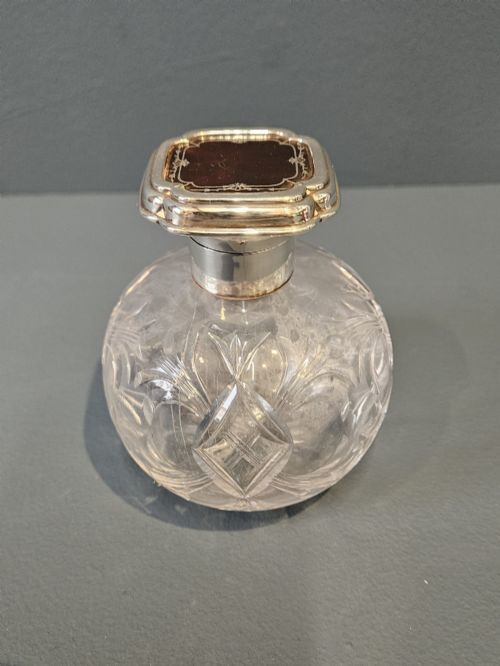
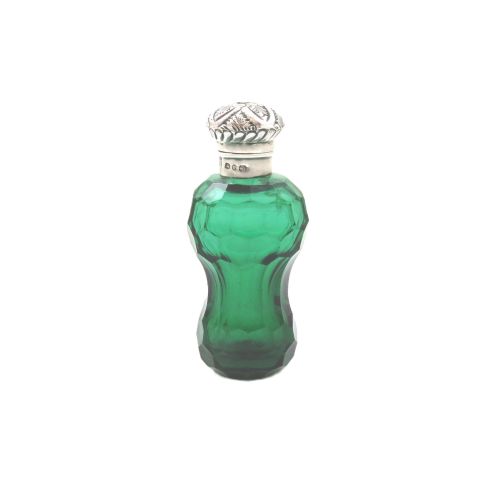
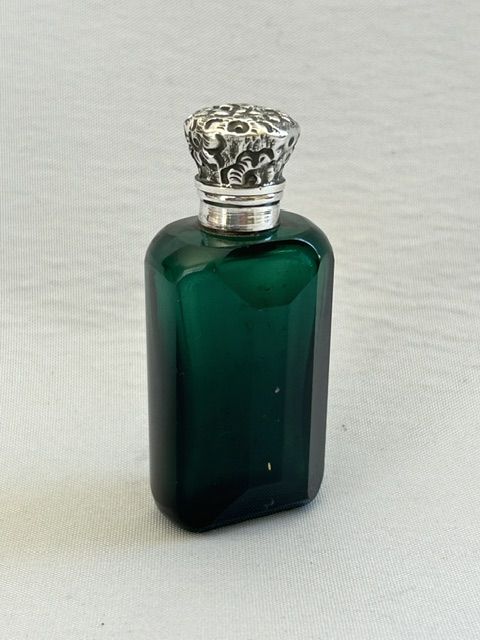
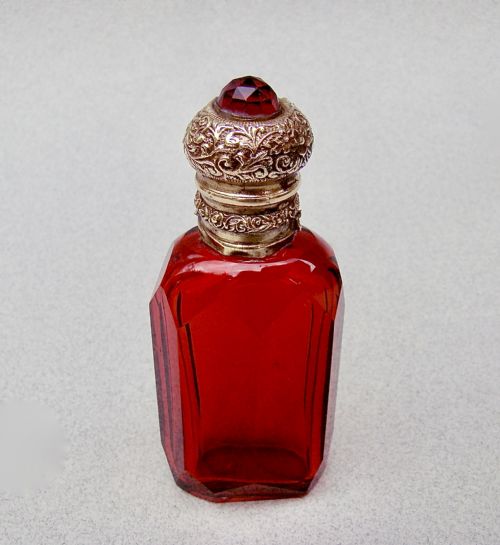
The glass bodies appear in varied shades including cranberry, ruby, amethyst, green, teal, and opaline, encased in pierced or engraved sterling silver mounts. Some incorporate leather cases, tortoiseshell tops, or internal memento compartments for small keepsakes.
Materials and Technique
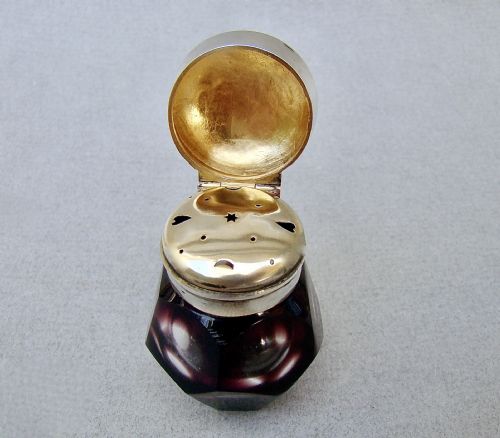
Silversmiths formed the mounts from sterling silver, employing techniques such as piercing, repoussé, engraving, and ormolu casting to secure the bottle necks and hinged lids. These metal components frequently carry hallmarks indicating English assay offices including Birmingham and Chester.
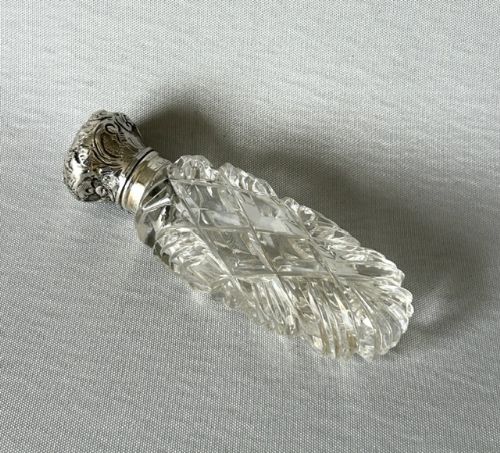
Glassmakers produced the coloured, opaline, and cut crystal bodies through blowing and moulding, sometimes layering multiple colours to create triple overlay effects. Sliced-cut patterns and etched details scatter light across the coloured surfaces.
Specialist variants combine glass with tortoiseshell, leather, or ceramic egg forms, fitted with internal stoppers of glass or cork to prevent leakage.
Some nineteenth century owners tucked miniature glass violins into their pockets, smelling softly of lavender.
Distinctions in Quality
Quality rests upon the crispness of the silver chasing and the depth of the glass cutting, where deeply faceted crystal or intricate pierced mounts demonstrate superior craftsmanship. Novelty shapes that depict animals, horns, or miniature instruments demand greater artisan skill than standard cylindrical bottles.
The integrity of the hinged lid and the original internal stopper heavily influence the desirability of a piece. Well-preserved makers' marks provide clear attribution, elevating items produced by prominent silversmiths above unmarked domestic wares.
Horton & Allday·Sampson Mordan·Franchini & Bigaglia
The Victorian Silver Scent Flask Glossary
- Vinaigrette
- A small ornamental hinge-lidded box containing a perforated grille, originally used to hold a sponge soaked in aromatic vinegar.
- Chatelaine
- A decorative belt hook worn with suspended chains carrying household utilities such as keys, scissors, and scent bottles.
- Opaline glass
- An opaque or translucent glass developed in nineteenth century France, valued for its milky pastel hues.
- Double ended
- A bottle featuring two separate hinged compartments accessed from opposite ends, typically holding two distinct scents.
- Overlay
- A technique where a layer of coloured glass is fused over a clear or contrasting base layer before being cut away to reveal patterns.
Victorian Silver Scent Flask: Frequently Asked Questions
What is a victorian silver scent flask used for?
These vessels carried liquid perfume or smelling salts to counter unpleasant odours or fainting spells in crowded public spaces.
Owners kept them close at hand in pockets, handbags, or suspended from chatelaine hooks during social outings.
How do I spot a novelty scent flask?
Novelty pieces depart from standard cylindrical bottles by taking recognisable shapes such as hunting horns, violins, owls, or eggs.
Silversmiths modelled these unusual forms to amuse the owner and display high levels of metalworking skill.
What colours of glass are common?
Common glass colours include rich cranberry, ruby, amethyst, deep green, and opaque white or turquoise opaline.
Maker workshops also utilised clear cut crystal and layered overlay glass to create striking visual contrast against the silver mounts.
How do I care for antique silver and glass?
Clean the sterling silver mounts gently with a soft cloth while avoiding harsh polishes that might damage aged hallmarks or glass surfaces.
Store the flasks away from direct sunlight and extreme temperature shifts to protect the integrity of historical glass and internal stoppers.