

Victorian Silver Pocket Watch Fob
A victorian silver pocket watch fob brings tangible history to a waistcoat, connecting precision timepieces with the personal mementos of the period.
Victorian Silver Pocket Watch Fob
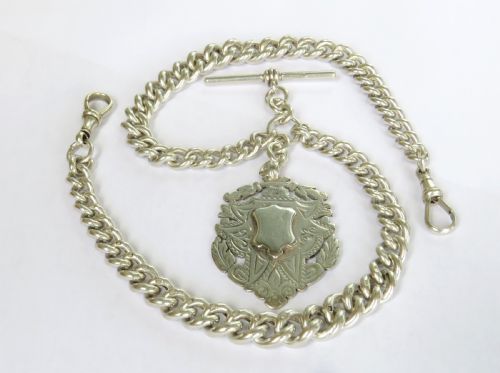
When you search for a victorian silver pocket watch fob, you encounter an array of accessories designed to secure and adorn nineteenth-century timepieces. These items range from standalone pendants to intricate hanging elements attached to substantial albert chains.
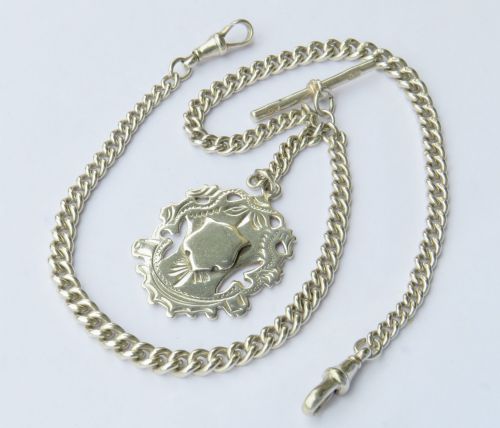
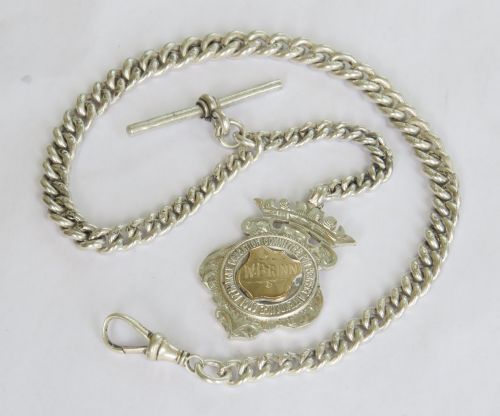
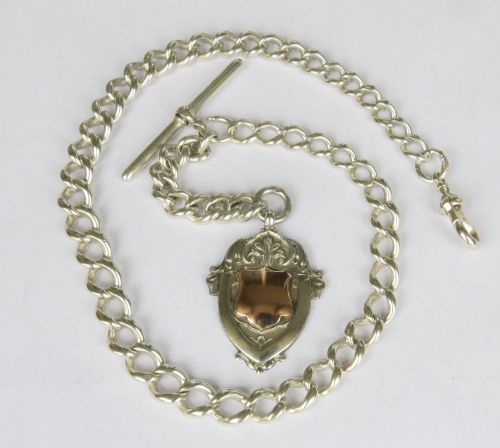
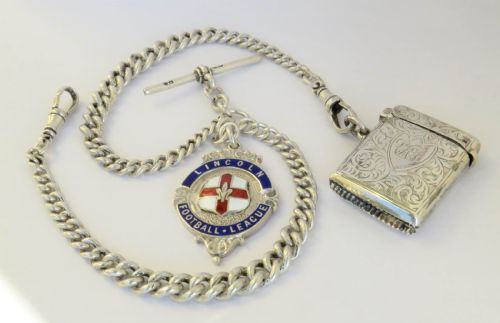
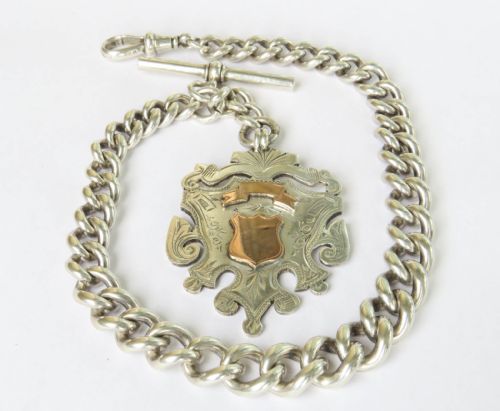
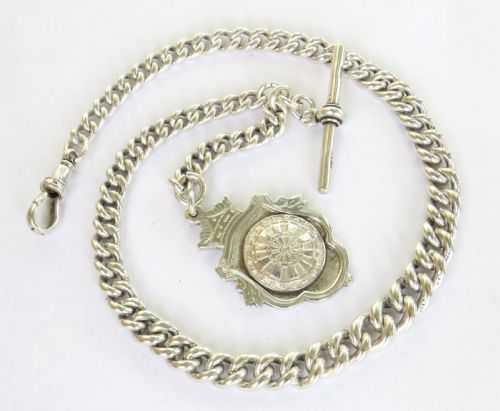
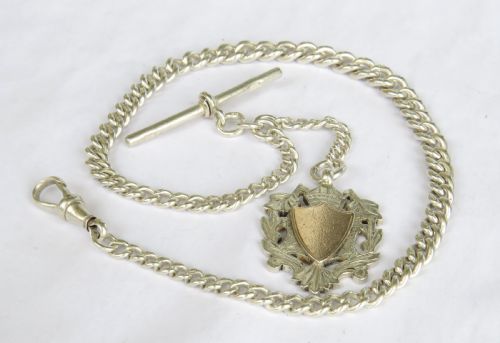
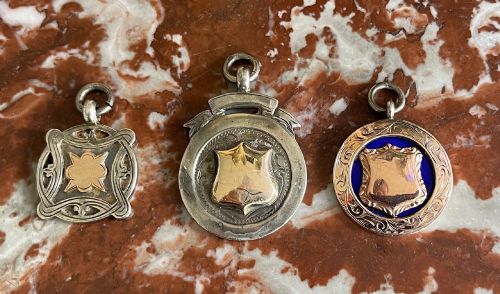
The most common versions on this page are watch chains paired with fobs, often featuring swivel fittings, keys, bloodstone inserts, or darts motifs. Pieces span late Victorian, Edwardian, and adjacent decades into the early twentieth century.
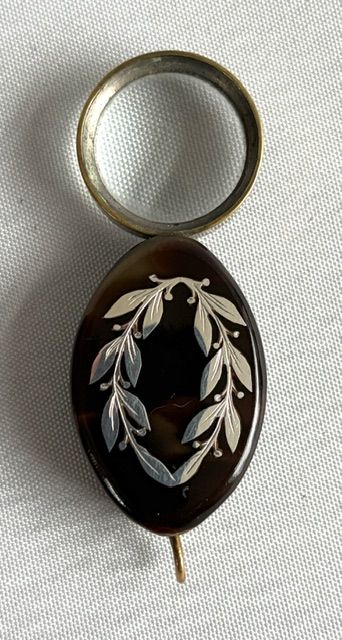
Makers and hubs such as Birmingham and Chester feature in the evidence alongside timepieces bearing regional or international origins. Collectors also find sovereign cases, vesta cases, and magnifying loupes grouped within these categories.
Defining Quality
Substance and scale separate heavier components from lighter iterations, with weighty chains and large fobs commanding greater presence. The inclusion of integrated elements like bloodstone swivels, keys, or vestas adds complexity to the assembly.
Craftsmanship shows in the articulation of links, the clarity of hallmarks from offices like Birmingham or Chester, and the preservation of delicate materials such as enamel and tortoiseshell.
Victorian Silver Pocket Watch Fob Retail Price Guide 2026
Typical asking prices for victorian silver pocket watch fob among the pieces listed under this phrase on Sellingantiques today, from the lower quarter to the upper quarter. They describe what is for sale here now, not the wider market.
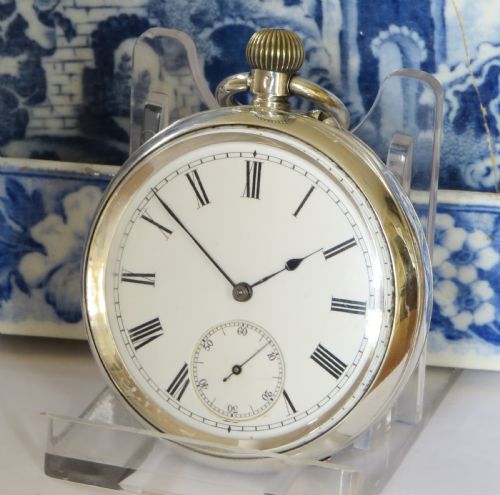
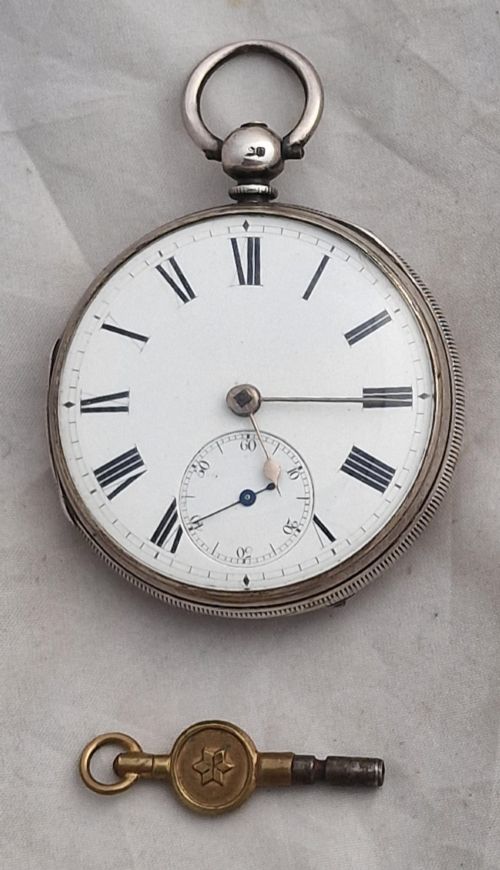
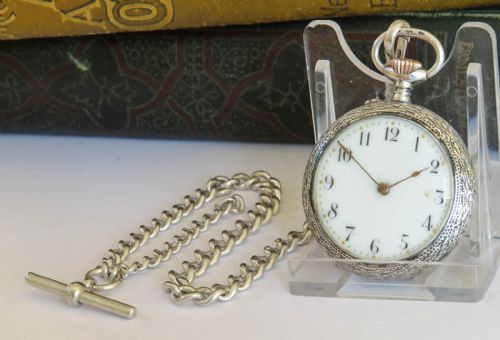
Object forms include magnifying loupes, sovereign cases, vesta cases, fusee pocket watches, and full hunter watches alongside standard albert chains.
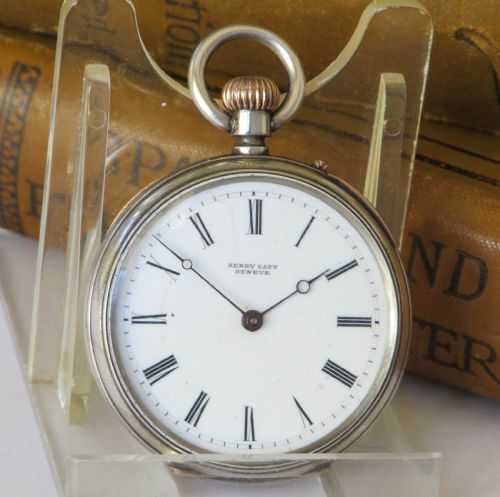
Henry Capt·Longines·Stauffer·Waltham·Waterbury USA
The Victorian Silver Pocket Watch Fob Glossary
- T-bar
- A transverse bar of metal attached to the end of a watch chain, designed to slip through a waistcoat buttonhole to secure the chain. This component anchors the entire assembly in place.
- Sovereign case
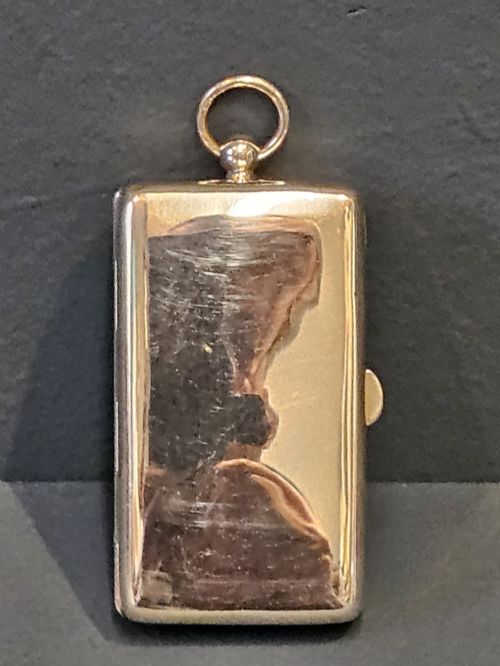
- A small, hinged container made to hold British sovereign gold coins securely in a pocket. They often feature spring-loaded mechanisms and suspension loops for attachment to watch chains.
- Vesta case
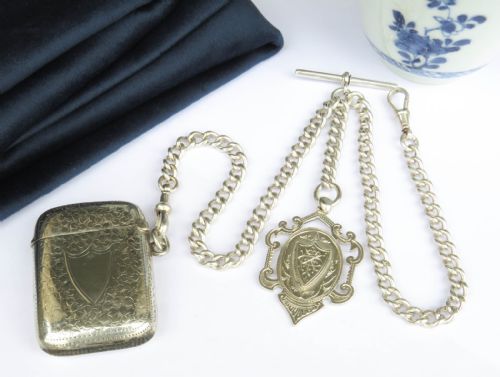
- A small matchsafe used for carrying safety matches during the Victorian period. These containers frequently match the silverwork of the accompanying watch chain or fob.
- Full hunter
- A pocket watch featuring a spring-loaded metal cover that protects the glass face from scratches and damage. The cover opens via a push-piece on the crown.
Victorian Silver Pocket Watch Fob: Frequently Asked Questions
How do I wear a pocket watch fob?
The T-bar on the chain slips through a central buttonhole of a waistcoat, while the watch itself rests in the pocket. The fob and any attached charms hang outward as a decorative pendant.
Heavier chains provide a balanced drop for larger fobs or sovereign cases. Lighter chains work well with simpler setups or alternative wearable arrangements.
What is the difference between a double and single albert chain?
A single albert chain runs from the buttonhole to the watch pocket in one continuous strand with a drop for a fob. A double albert chain loops from one pocket across the waistcoat to another pocket, supporting a central drop.
Double chains offer a symmetrical look across the front of a garment. They also accommodate multiple hanging items like keys or vesta cases.
How can I date my silver watch chain or fob?
Hallmarks stamped onto the silver provide the most reliable dating evidence, showing assay office marks from locations like Birmingham or Chester alongside date letters. Stylistic indicators like trombone links or specific fob stones also point toward late Victorian or Edwardian periods.
Many pieces reflect the manufacturing standards of the eighteen-eighties and nineties. Comparing the clip styles and construction methods helps narrow the decade of production.
What items typically hang from these chains?
Common hanging elements include swivel fobs set with bloodstone, miniature keys for winding timepieces, and decorative darts. Sovereign cases and small magnifying loupes also appear as suspended items.
These additions served practical functions for gentlemen of the period while displaying personal taste. Over time, chains often accumulated various charms added by successive owners.