




Victorian Silver Plate Cooler
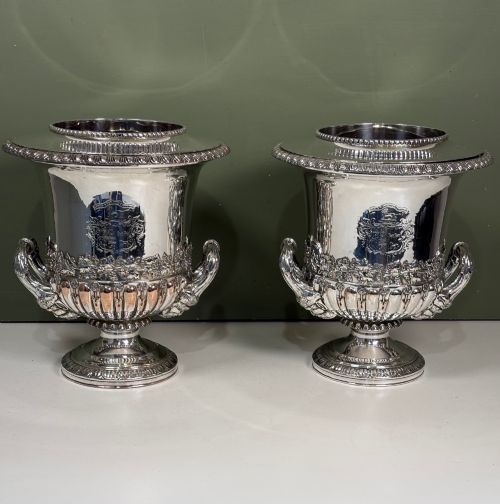
These Victorian silver plate coolers are substantial table vessels designed to keep wine and champagne chilled for the dining room.
Victorian Silver Plate Cooler
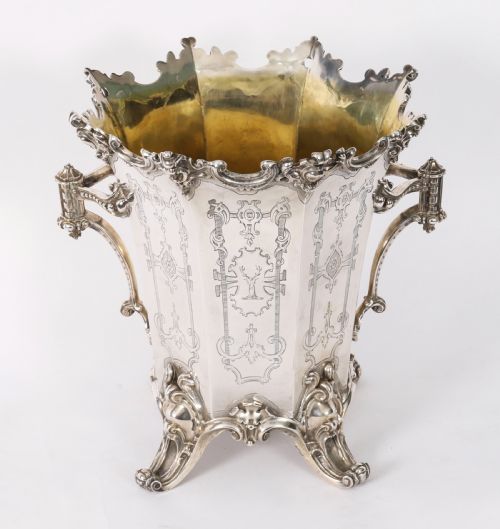
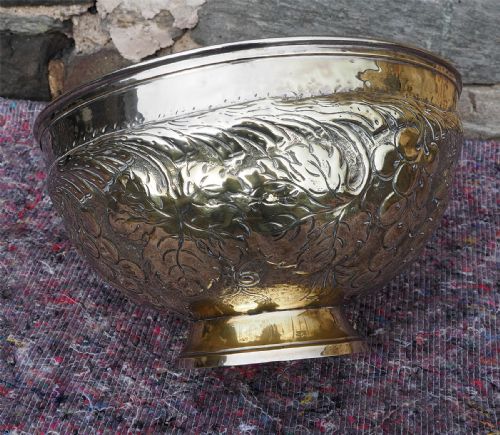
A victorian silver plate cooler is typically found as a wine cooler, champagne bucket, or punch bowl dating from the nineteenth century. The selection ranges from plain nineteenth-century cylinders to decorative Victorian Rococo Revival pairs and novelty designs.
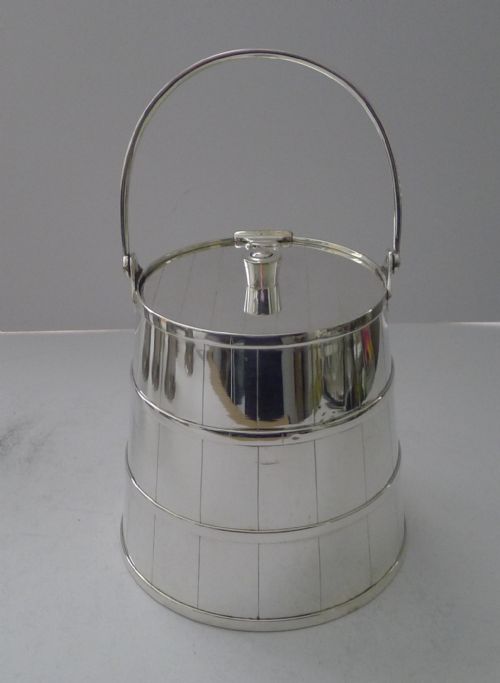
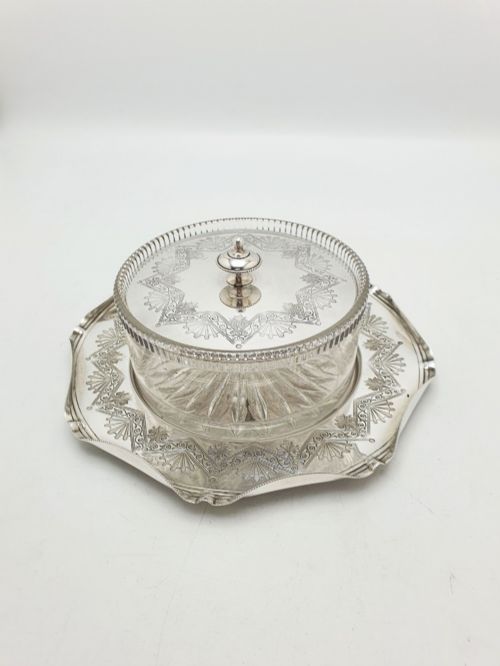
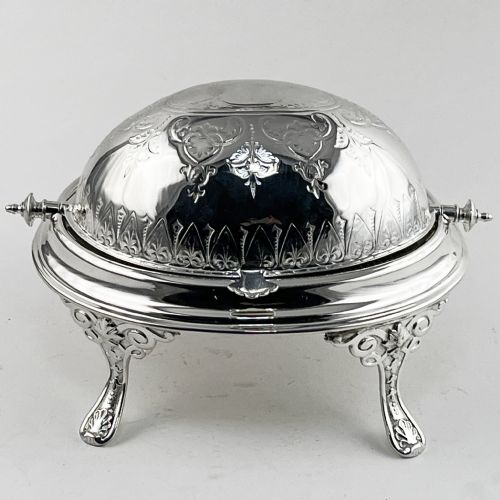
You will also encounter related serveware such as ice buckets, biscuit barrels, and butter dishes featuring glass or ceramic liners alongside the metal body. These pieces reflect the expanding dining rituals of the period, demanding dedicated vessels for ice and chilled bottles.
Materials and construction
Makers utilised silver plate over a base metal, frequently applying silver plate on copper or electroplated nickel silver to achieve a bright metallic finish. The durability of these pieces relied on the strength of the underlying metal, combined with interior linings of glass or ceramic.
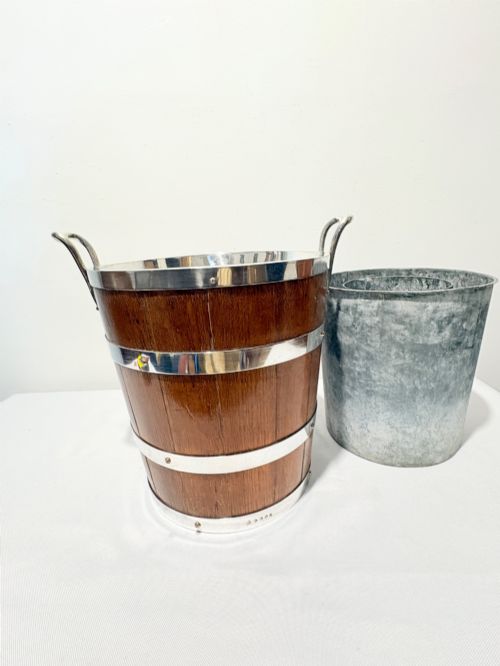
Structural elements often incorporate mixed media, pairing the plated metal with turned oak bodies or cut glass inserts. This combination of materials provided both insulation properties and decorative contrast for the dining table.
Listings feature items spanning the nineteenth century through the Edwardian period, utilising silver plate, oak, glass, and copper.
Assessing quality and craftsmanship
Quality rests in the weight of the metal and the crispness of any chased or engraved ornament, particularly within Rococo Revival examples where heavy cast mounts distinguish finer pieces. The integrity of the underlying copper or nickel silver where the plating thins also dictates long-term durability.
The sophistication of the form separates standard vessels from exceptional ones, with novelty shapes or matched pairs commanding greater attention. Surviving original glass or ceramic liners add further integrity to the piece.
Elkington Mason And Co·Hawksworth Eyre And Co·Benjamin Smith II·Mappin And Webb
The Victorian Silver Plate Cooler Glossary
- Electroplated nickel silver
- A base alloy of copper, nickel, and zinc coated with a layer of pure silver through an electrical process. This method superseded older plating techniques in the nineteenth century.
- Silver plate on copper
- An earlier manufacturing method where a thin sheet of silver was fused to a thicker copper core before shaping. The underlying copper often shows through wear on high points.
- Rococo Revival
- A nineteenth-century decorative style drawing on mid-eighteenth-century motifs of C-scrolls, asymmetry, and naturalistic foliage. It appears frequently on Victorian hollowware.
- Old Sheffield plate
- The original fused-plate technique created by sandwiching copper between silver sheets before rolling. Pieces made this way display characteristic seams upon close inspection.
Victorian Silver Plate Cooler: Frequently Asked Questions
How were victorian silver plate coolers used?
These vessels were filled with ice or cold water to lower the temperature of wine and champagne bottles during formal meals. They sat directly on the dining table or on dedicated side furniture.
Larger punch bowls served a similar communal function for mixed drinks, while smaller iterations functioned as ice buckets or covered biscuit barrels.
How do I clean my silver plate cooler?
Maintenance requires warm water, mild soap, and a soft cloth to remove dust and tarnish without abrading the plated surface. Avoid harsh chemical dips that strip the remaining silver layer.
Dry the vessel thoroughly after washing to prevent spotting on the metal. Store the piece in a dry environment away from direct humidity.
What is the difference between a cooler and an ice bucket?
Wine and champagne coolers are generally deeper vessels shaped to hold a bottled beverage upright surrounded by ice. Their walls are thick to maintain low temperatures.
Ice buckets are typically wider and shorter, designed specifically to hold loose ice cubes for service into glasses rather than chilling bottles.
Are these coolers marked with maker details?
Many nineteenth-century examples bear stamped hallmarks or maker initials underneath the base or near the rim. These stamps indicate the manufacturing firm and sometimes the plating method used.
Some pieces include registry marks that date the exact day or year the design was officially registered with the British Patent Office.