



Victorian Silver Pen
These Victorian silver pen accessories and desk pieces bring nineteenth-century writing desks to life with solid silver and plated metalwork.
Victorian Silver Pen
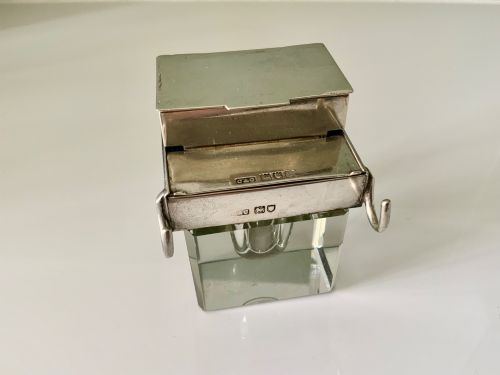
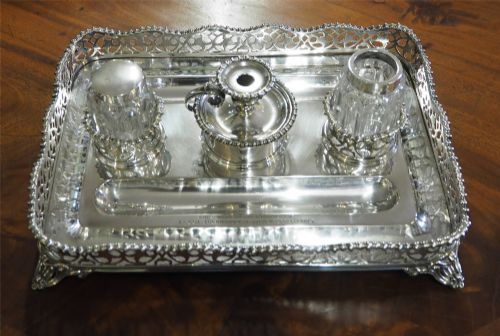
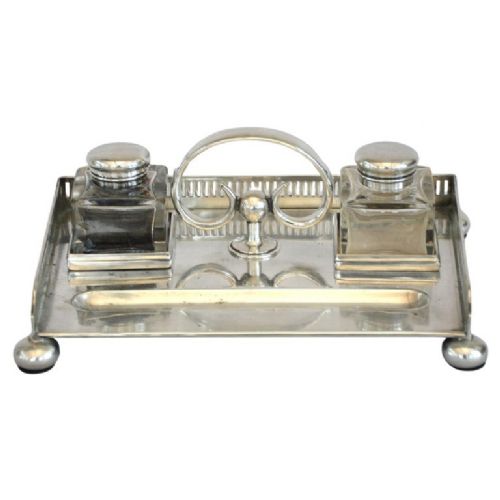
A victorian silver pen accessory usually forms part of a larger desk arrangement, including inkstands, inkwells, and pen wipes designed for nineteenth-century correspondence. These objects combine practical writing tools with decorative desk furniture made during the Victorian and Edwardian eras.
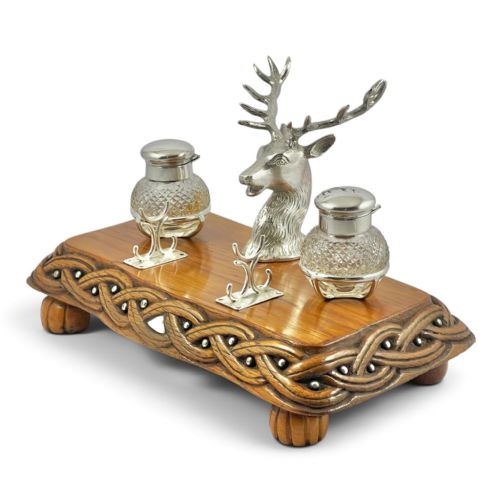
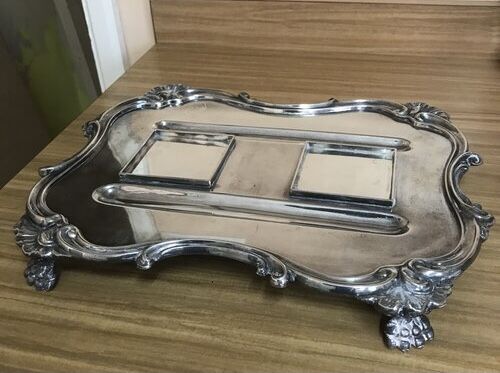
The pieces appearing on this page range from heavy sterling silver novelty inkwells shaped like birds to substantial oak and silver-mounted desk stands. Most examples incorporate silver or silver plate alongside glass, horn, or timber to create functional items for the Victorian study.
Materials and construction
Silversmiths utilised sterling silver and silver plate over base metal to shape desk stands, inkwells, and trays. Many workshops combined these metallic elements with organic materials such as oak, coromandel, satinwood, horn, and antler.
Glass liners protect the silver and plated bodies of inkwells from corrosive ink, while novelty pieces incorporate details like glass eyes into animal forms. Metal mounts, hinges, and pen rests secure the functional components together.
Victorian Silver Pen Retail Price Guide 2026
Typical asking prices for victorian silver pen among the pieces listed under this phrase on Sellingantiques today, from the lower quarter to the upper quarter. They describe what is for sale here now, not the wider market.
Victorian writers wiped their steel nibs on ceramic or fabric birds, turning a messy desk chore into a feathered tabletop menagerie.
Standards of manufacture
Quality in these desk accessories rests on the weight of the metal and the precision of the silversmith's chasing or casting. Pieces produced by established makers demonstrate heavier gauge silver and more detailed modelling in novelty items.
The choice of secondary materials also separates standard items from exceptional ones, with exotic timbers like coromandel and mounted Scottish horn indicating higher production ambitions.
Elkington·Walker And Hall·Walker Knowles·Robert Garrard·Rupert Favell
The Victorian Silver Pen Glossary
- Inkstand
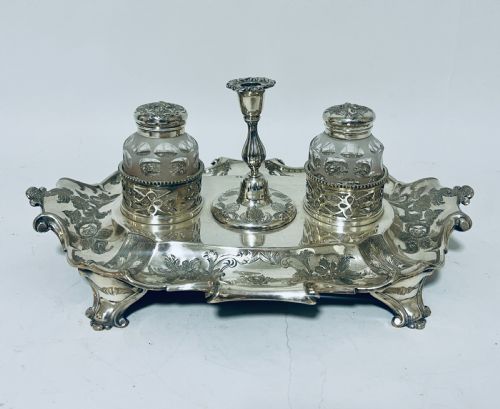
- A fitted tray or stand holding one or more inkwells alongside pen rests and sometimes a chamberstick or sander.
- Pen wipe
- A small desk accessory made from fabric or novelty materials used to clean excess ink from steel pen nibs.
- Sheffield plate
- An early form of composite material fusing a thin layer of silver to a thicker copper base before electroplating became common.
- Sterling silver
- A silver alloy containing ninety-two point five percent pure silver by mass, standard for quality British hallmarked desk items.
- Novelty inkwell
- An ink container modelled into a playful or pictorial shape, such as an owl, a pheasant, or a giant pen nib.
Victorian Silver Pen: Frequently Asked Questions
What is a victorian silver pen wipe?
A victorian silver pen wipe is a small desk accessory designed to clean steel writing nibs. These pieces often feature silver mounts combined with fabric or novelty animal figures.
Collectors encounter them in various animal forms, including birds and pheasants, sitting alongside larger inkstands on nineteenth-century desks.
How do I identify silver plate from solid silver?
Solid sterling silver pieces carry official British hallmarks indicating the assay office, standard, and date of manufacture. Silver plated items lack these specific sterling marks and may show base metal underneath where wear occurs.
Examining the underside or interior edges usually reveals the manufacturing method used by the maker.
What materials accompany the silver on these desk stands?
Makers combined silver and silver plate with a range of domestic and exotic materials. Oak, coromandel, satinwood, glass, horn, and antler frequently appear in the construction of these desk accessories.
These natural textures provided a contrasting backdrop for the polished metal mounts and inkwell lids.
Were these items used in offices or homes?
Desk stands and inkwells served both domestic writing rooms and professional offices during the nineteenth century. Elaborate pieces with multiple inkwells and chambersticks belonged on large library desks.
Smaller novelties and pen wipes added personal character to private writing tables and secondary studies.