



Victorian Silver Fob Pendant
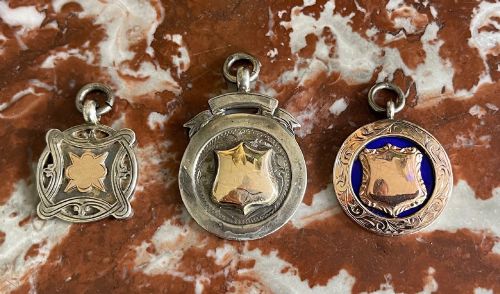
These victorian silver fob pendant pieces are small, functional treasures of the late nineteenth and early twentieth centuries, offering a tangible connection to personal adornment of the past.
Victorian Silver Fob Pendant
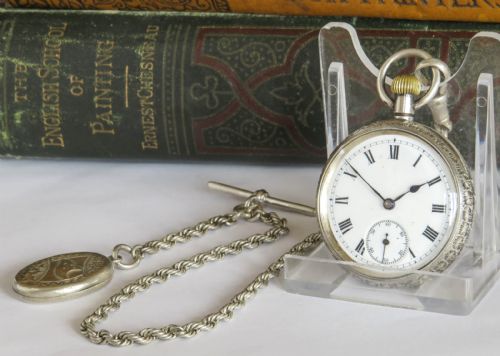
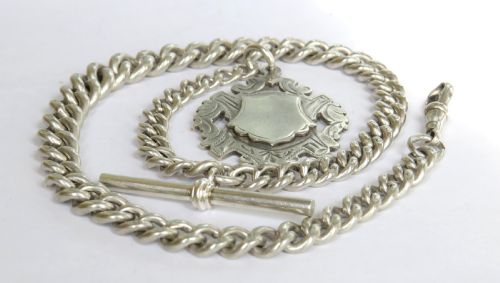
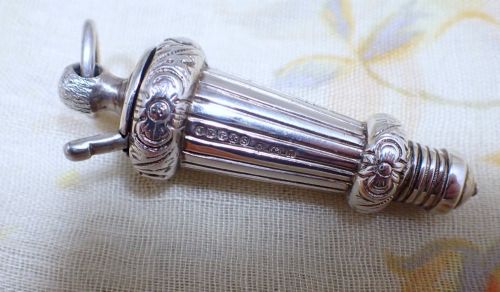
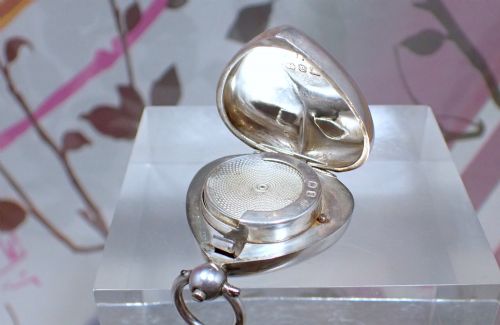
A victorian silver fob pendant comprises a diverse group of pocket watch attachments, charms, medals, and small utility items spanning the Victorian, Edwardian, and George V periods. You will regularly encounter pocket watch chains, watch fobs, sovereign cases, vesta cases, and whistle pendants suspended from split rings.
The objects originate primarily from British workshops, with several Birmingham hallmarks appearing across the selection. Many pieces double as functional items, such as stamp cases, compasses, propelling pencils, and strike-tinder boxes.
While some items date directly to the 19th Century and specific decades like 1880, 1890, and 1900, others extend into the 1910 and 1920 Edwardian and George V eras. The range balances utility items designed for daily use with commemorative medallions and novelty animal charms.
Materials and construction
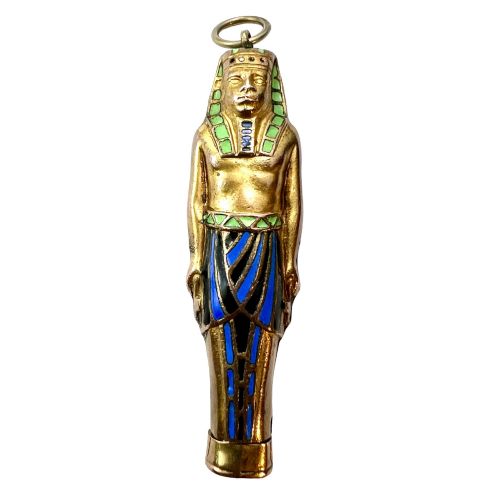
Makers utilised sterling silver as the primary structural metal, frequently complemented by gold accents, gold gilt, and gilt metal highlights. Enamel work adds vibrant colour to specific designs, such as jockey silks and Egyptian motifs.
Listings span from the late 19th Century through the Edwardian period into the 1920s, incorporating sterling silver, enamel, and hardstone materials.
Distinctions in quality
The standard of craftsmanship is visible in the crispness of leaf and scroll engraving and the structural integrity of hinged items like sovereign holders and vesta cases. Superior examples retain clear hallmarks and secure, original clasps.
Novelty pieces and items featuring detailed enamel work or specialised mechanisms, such as propelling pencils and compasses, often demonstrate higher execution complexity. The clarity of cast details, particularly on animal charms and figural pendants, distinguishes finer workshops from standard production.
Hamilton & Co. Calcutta·Fred Archer
The Victorian Silver Fob Pendant Glossary
- Hallmark
- An official stamp applied to precious metals indicating the standard of purity, the assay office, and the year of manufacture. Birmingham was a primary hub for silver assaying during the Victorian era.
- Vesta Case
- A small pocket container designed to hold matches and keep them dry. These often feature hinged lids and striking surfaces on the base.
- Sovereign Case
- A circular container engineered to hold British gold sovereign coins securely. They typically feature spring-loaded mechanisms or snap-shut lids.
- Albert Chain
- A type of watch chain attached to a pocket watch, named after Prince Albert. Fob pendants commonly suspend from the centre drop of these chains.
- Hardstone
- Naturally occurring semi-precious stones cut and polished for use in jewellery and decorative objects. They provide durable coloured inlays.
Victorian Silver Fob Pendant: Frequently Asked Questions
What is a silver fob pendant?
A silver fob pendant is a small decorative or utility item originally designed to hang from a pocket watch chain. These pieces include medals, compasses, whistles, and miniature cases.
Over time, many of these pendants became detached from their original chains and are now worn independently as charms or necklaces.
How do I date a silver fob?
Dating relies primarily on hallmarks stamped into the silver, which reveal the assay office and year of manufacture. Stylistic clues like Egyptian Revival motifs or Edwardian scrollwork also help narrow the timeframe.
Maker marks and registration numbers provide additional historical context for specific pieces.
Were these items worn daily?
Many of these items served practical daily functions, such as holding matches in vesta cases, carrying coins in sovereign holders, or telling time with miniature compasses. Owners wore them attached to heavy watch chains across waistcoats.
Utility items show wear patterns consistent with regular handling and pocket storage during the Victorian and Edwardian periods.
How should I clean antique silver?
Antique silver benefits from gentle cleaning with a soft cloth to remove active tarnish while preserving the darker recessed details that highlight the engraving. Harsh dips can strip the character and historical patina from the metal.
Stored pieces require dry environments to prevent moisture accumulation, particularly for items containing enamel or hardstone.