
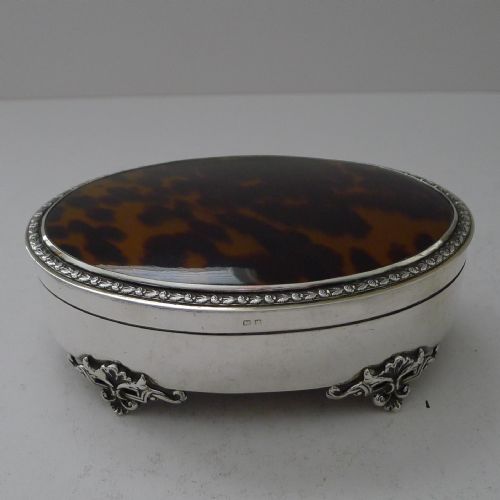


Victorian Silver Fitted Case
When you examine a victorian silver fitted case, you are holding a bespoke portable vault designed to organise personal luxury during travel.
Victorian Silver Fitted Case
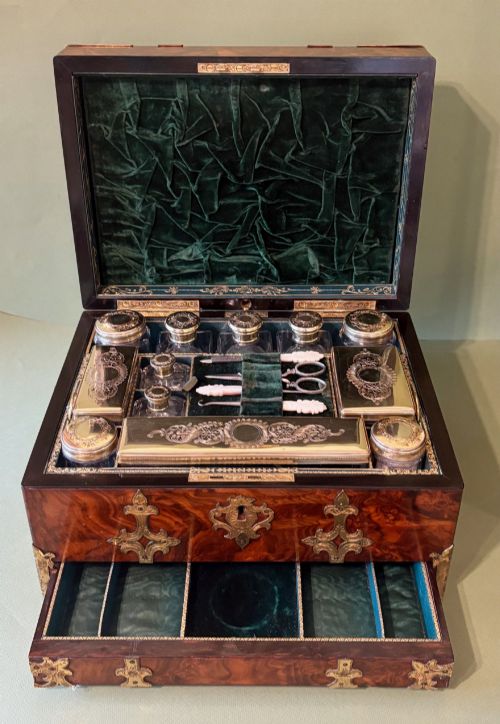
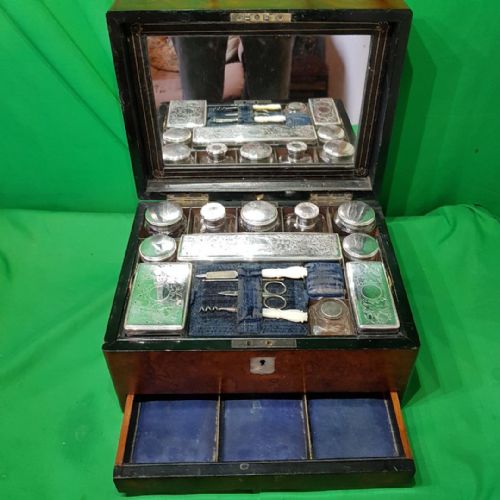
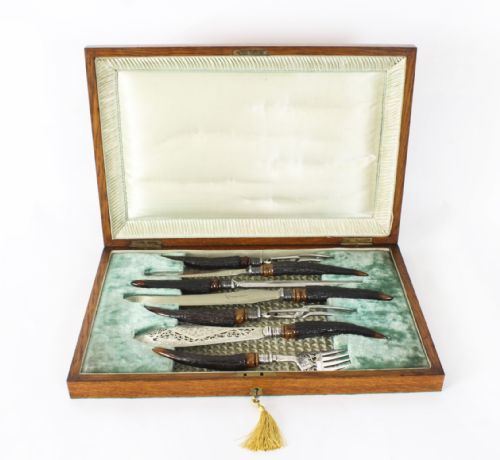
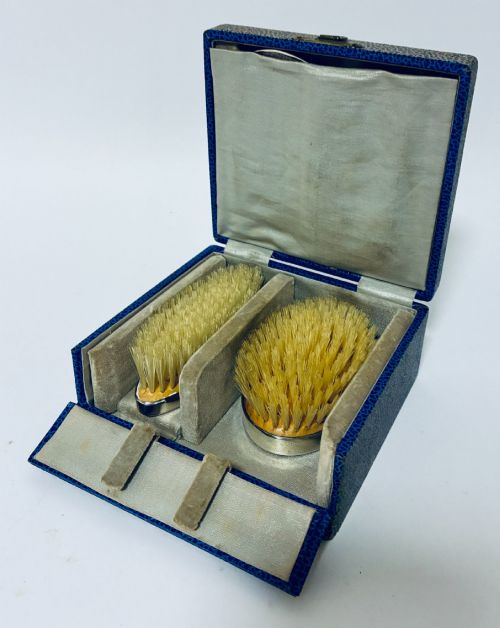
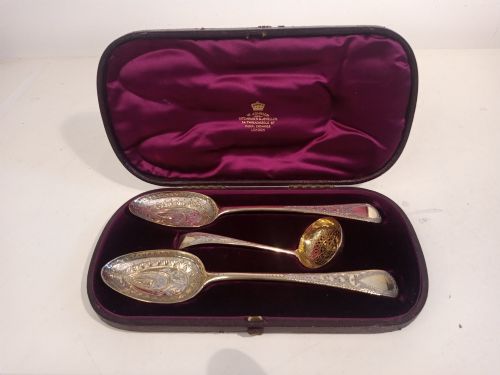
A victorian silver fitted case brings together elaborate travelling boxes and dedicated presentation sets housing precious implements. The pieces include large ladies and gentlemen travelling vanity boxes, compact jewellery cases, and specialised cased sets for fruit, fish, and salt.
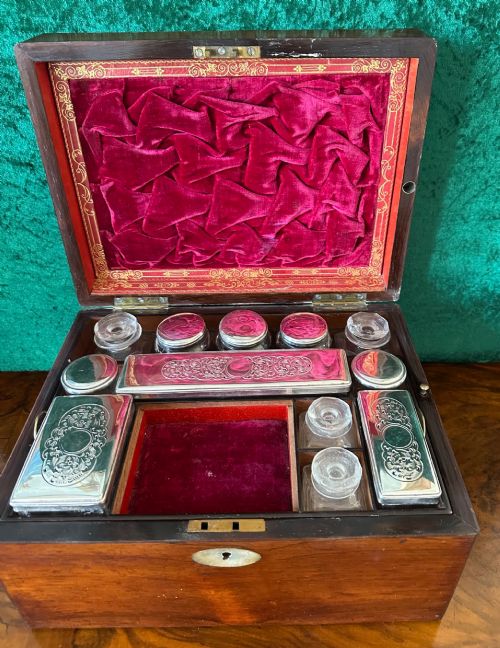
The most common examples encountered here are substantial wooden dressing boxes veneered in burr walnut, mahogany, or coromandel. These interiors are meticulously organised with sterling silver topped glass bottles, jars, and grooming implements.
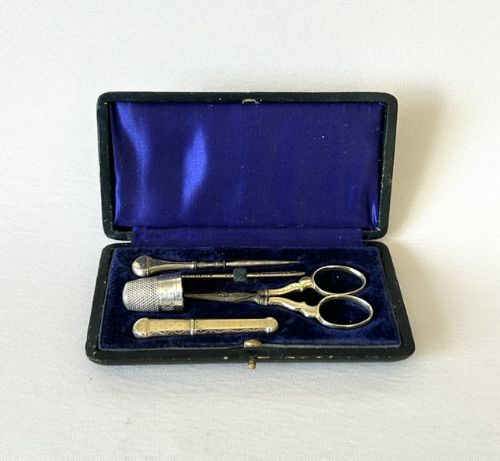
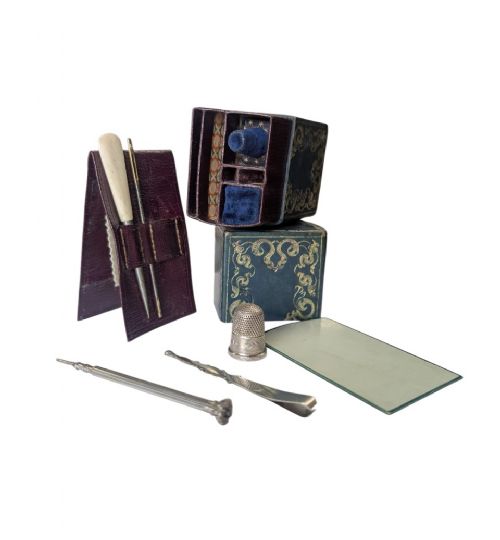
Beyond vanity boxes, buyers will also find smaller fitted cases protecting delicate silver card cases, thimbles, and cutlery services. These items originate predominantly from the Victorian period alongside related Edwardian and 19th-century French pieces.
What varies in quality
The distinction between ordinary and exceptional examples rests in the completeness and integrity of the original fitted contents. Retaining every matching glass jar, silver lid, and specialised tool elevates a piece significantly.
Material selection and execution of the internal layout drive value further. Luxury boxes feature solid exotic veneers, fully hallmarked sterling silver rather than silver plate, and clever secret drawers operated by hidden spring mechanisms.
Some ingenious Victorian travelling cases include hidden spring-loaded compartments that pop open only when you press an unmarked section of the wooden lining.
Charles Horner·Hukin and Heath·Parkins and Gotto·Sampson Mordan·Cronin and Wheeler·Walker and Hall
The Victorian Silver Fitted Case Glossary
- Fitted case
- A custom-built box containing dedicated slots, velvet recesses, or straps designed to hold a specific set of tools or vessels securely. This internal architecture ensures fragile items survive travel intact.
- Sterling silver
- An alloy consisting of ninety-two point five percent silver and seven point five percent other metals, typically copper. British pieces bear assay office hallmarks confirming this standard.
- Silver plate
- A base metal, often copper or nickel brass, coated with a thin layer of pure silver. This technique provided the visual weight of solid silver at a lower cost.
- Coromandel
- A dense, heavily figured exotic timber imported from Asia, prized for its dark brown colour and contrasting pale streaks. It was frequently selected for high-end Victorian dressing cases.
- Repoussé
- A metalworking technique where silver is hammered from the reverse side to form a raised design in relief. Artisans then refined the details from the front using chasing tools.
- Compendium
- A multi-purpose boxed set containing various matching implements for sewing, writing, or grooming. These portable suites allowed Victorians to maintain domestic habits while away from home.
Victorian Silver Fitted Case: Frequently Asked Questions
What was inside a gentleman vanity box?
Gentlemen travelling boxes typically contained cut-glass cologne bottles with heavy silver lids, shaving brushes, razors, and dedicated compartments for collar studs and combs. Many also included manicure sets with steel and silver-gilt implements.
These utilitarian interiors were lined in durable leather or morocco rather than delicate velvet to withstand daily grooming routines during transit.
How do I identify a complete fitted case?
A truly complete case retains every original glass jar, bottle, and tool specified by the interior layout, with matching hallmarks across all silver components. Empty slots or mismatched replacement bottles indicate missing elements.
Makers often numbered individual glass pieces and their corresponding silver caps to prevent confusion during packing.
Were these boxes meant for permanent travel?
They were designed for wealthy Victorians undertaking extended journeys by train, carriage, or steamship, serving as portable dressing tables. The robust exterior woods and secure brass locks protected personal valuables on the move.
Once arriving at a destination, owners typically transferred the boxes to a bedroom or dressing room for daily use.
What is the difference between coromandel and walnut?
Walnut and burr walnut offer a warm, swirling grain pattern that was extremely popular for mid-Victorian decorative boxes. Coromandel is a much heavier, rarer exotic wood featuring dramatic dark stripes against a golden-brown background.
Boxes veneered in coromandel generally indicate a higher tier of luxury and a more substantial initial cost.