

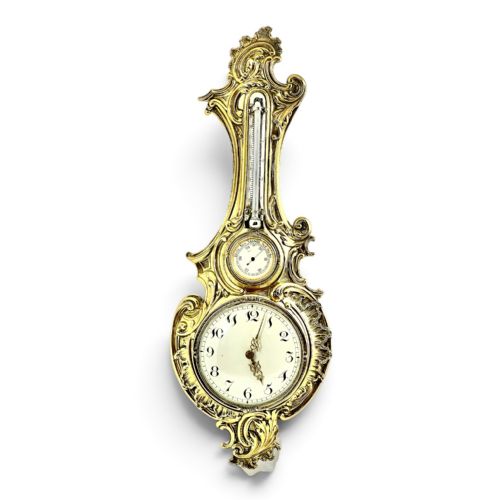
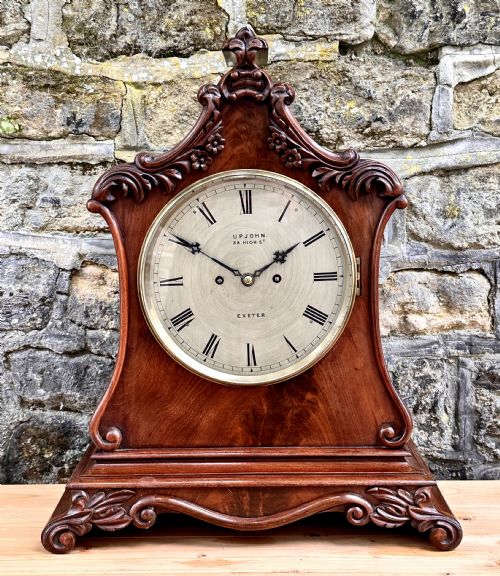


Victorian Silver Clock
These pieces combine domestic timekeeping with precious metal casing, offering a reliable mantel focus from the nineteenth century.
Victorian Silver Clock
A victorian silver clock unites mechanical timekeeping with precious metal housings, ranging from miniature carriage designs to larger library and desk pieces. The listings show a strong presence of portable carriage timepieces alongside library models and bracket clocks.
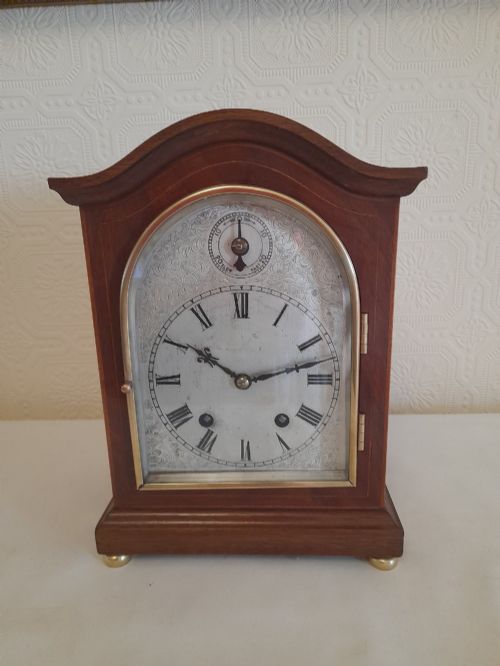
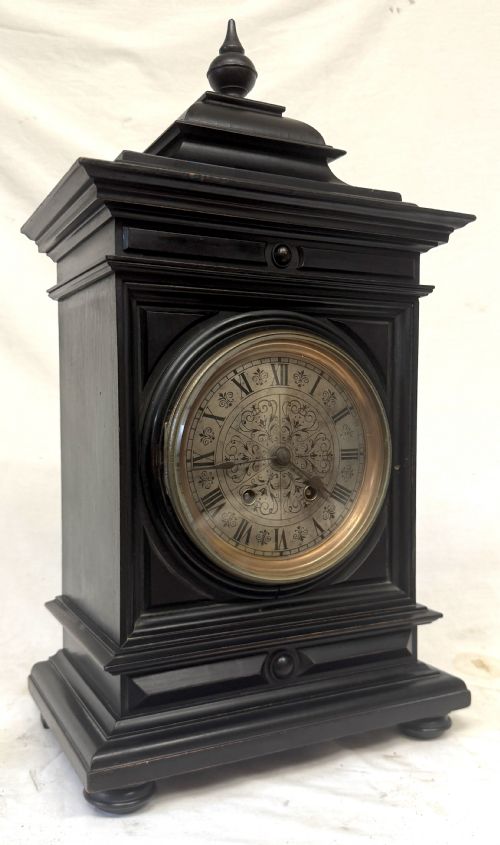
Makers housed these movements in silver, silver gilt or silver plated cases, frequently pairing them with glass panels, brass frameworks and mahogany or ebonised wood bodies. The periods span the nineteenth century, drawing on styles from Gothic revival to French rococo influences.
How They Were Made
Craftsmen built these mechanisms using brass wheelwork, steel components and fusee movements to regulate the pull of the mainspring evenly. Cases combined solid silver, silver gilt or plated mounts with bevelled glass windows and wooden plinths in mahogany, rosewood or burr walnut.
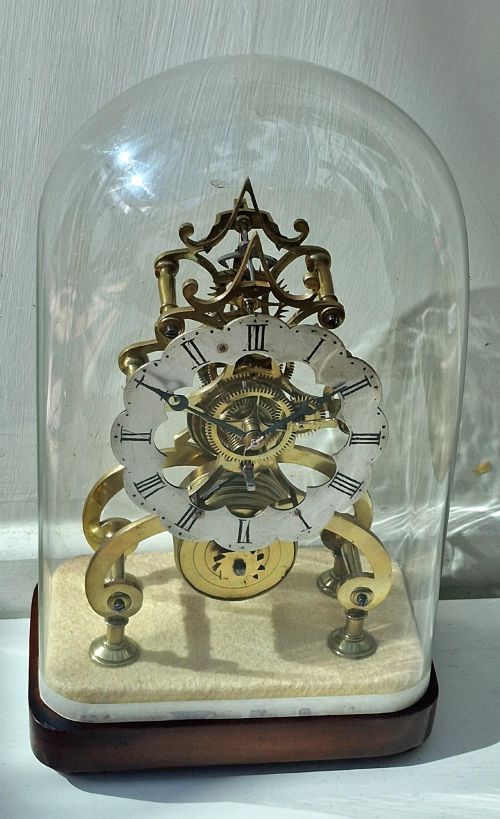
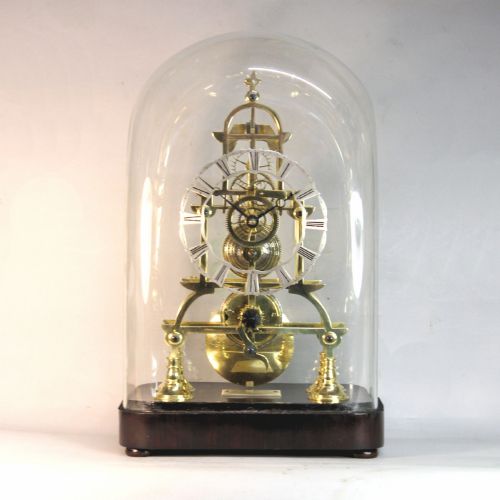
Dials received silvered metal chapter rings, enamel finishes or chased silver ornamentation, while complex skeleton designs exposed the brass gear trains under protective glass domes.
Victorian Silver Clock Retail Price Guide 2026
Typical asking prices for victorian silver clock among the pieces listed under this phrase on Sellingantiques today, from the lower quarter to the upper quarter. They describe what is for sale here now, not the wider market.
Listings feature movements by German and English makers housed in materials including silver, mahogany, marble and bevelled glass.
What Varies in Quality
The standard of a victorian silver clock rests upon the crispness of the chased silver case work, the precision of the engraved silvered dials and the reputation of the movement maker. Signed mechanical works by established makers command attention for their intricate escapements and durable gear trains.
The integrity of the original glass panels, the weight of the silver casing and the refinement of the movement finishing set finer library and carriage examples apart from standard production pieces.
William Comyns·Lenzkirch·Thwaites of London·Walker·Dent·Thomas Cole·James Cole·Winterhalder and Hofmeier·Mappin and Webb·Kendal and Dent
The Victorian Silver Clock Glossary
- Fusee
- A conical pulley used in mechanical clocks to maintain an even force on the gear train as the mainspring unwinds. This mechanism improves timekeeping accuracy across the power reserve.
- Carriage Clock
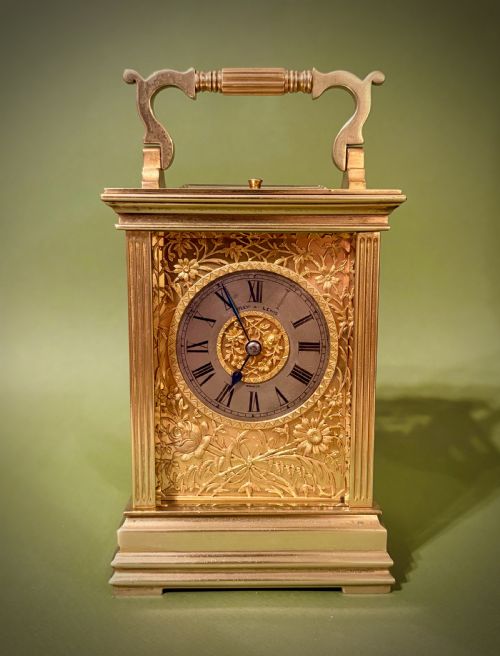
- A small, portable spring driven timekeeper originally designed for travelling officers and gentry. They typically feature a glass sided brass or silver case with a swinging handle.
- Skeleton Clock
- A timepiece designed with an open frame that exposes the entire gear train and wheelwork. These pieces usually sit beneath a blown glass dome to protect the delicate motion.
- Chapter Ring
- The outer ring on a clock dial that bears the hour numerals. In these pieces, it is frequently fashioned from silvered metal with engraved markings.
- Silver Gilt
- Silver that has been coated with a thin layer of gold on its surface. This technique provides the rich warmth of gold whilst utilising a silver base.
Victorian Silver Clock: Frequently Asked Questions
How do I wind a carriage clock safely?
Insert the key into the winding arbor at the base or back of the movement and turn it gently until resistance is felt. Avoid over winding to protect the mainspring.
Keep the clock upright during the process and handle the silver casing with a soft cloth to preserve the finish.
Where should I place a library clock?
Position the piece on a stable, level surface away from direct sunlight and draughts. Mantelpieces, desks and secure wooden tables provide ideal settings.
Ensure the location experiences minimal temperature fluctuations to maintain the accuracy of the internal metal components.
How do I identify a fusee movement?
Look through the glass panels or open the back door to inspect the gear train for a conical pulley connected to the mainspring by a fine chain or cord. This distinct component drives the motion.
Fusee movements do not feature the standard barrel winding setup found in simpler spring driven clocks.
How do I care for silver clock cases?
Dust the exterior regularly with a dry, lint free cloth and avoid applying liquid polishes near the dial or exposed mechanical parts. Chemical residue can damage enamel and silvered metal.
Consult a professional horologist if the movement requires cleaning or oiling rather than attempting amateur repairs.