


Victorian Silver Candle Stands
Victorian silver candle stands bring steady light and ornamental weight to a room, ranging from simple desk pieces to grand multi-light candelabras.
Victorian Silver Candle Stands
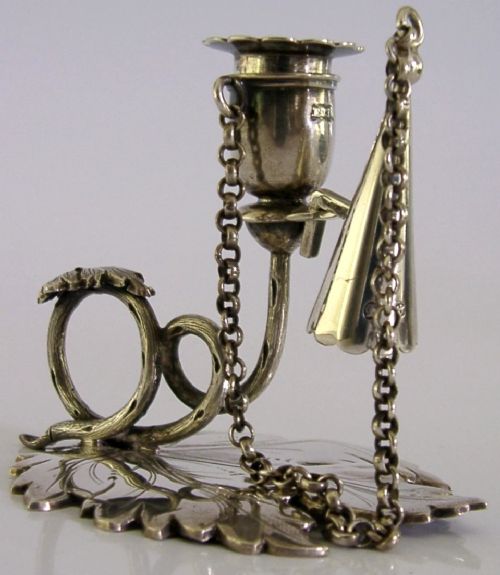
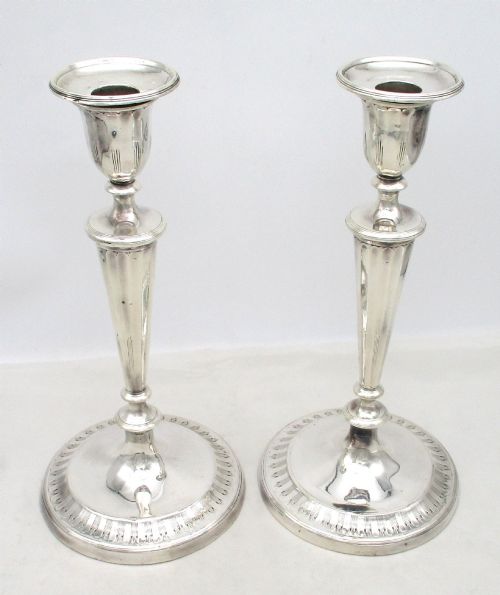
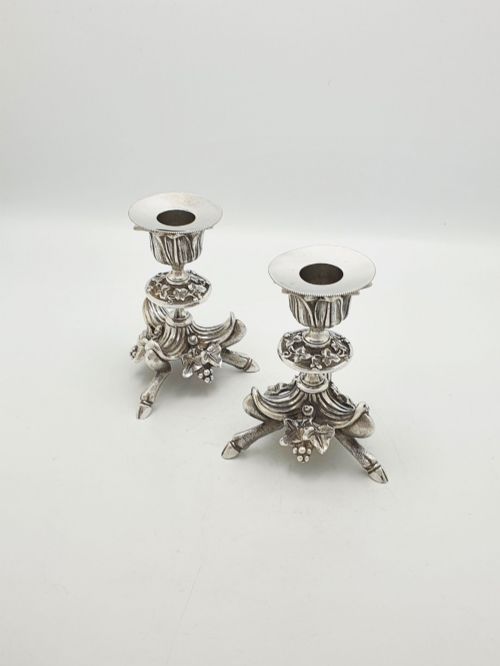
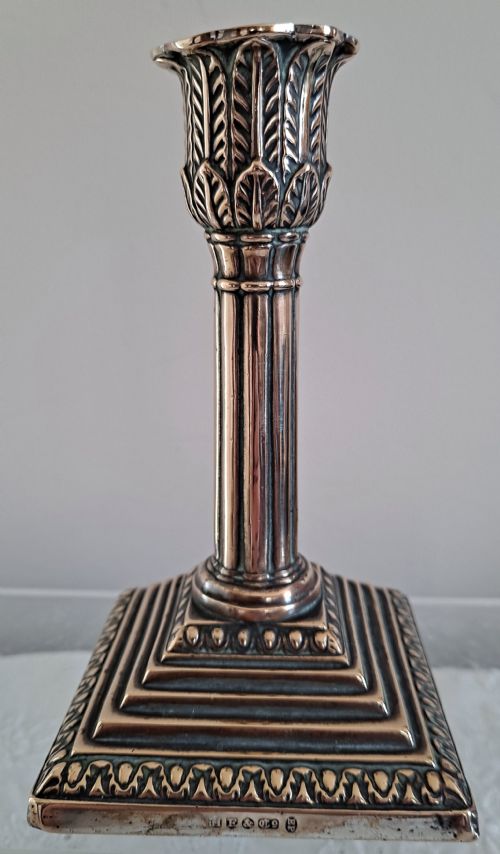
Victorian silver candle stands appear most frequently as matched pairs of candlesticks, alongside multi-light candelabras and smaller desk or mantlepiece forms. The selections span the nineteenth century, utilising styles from plain classical columns to ornate revival designs.
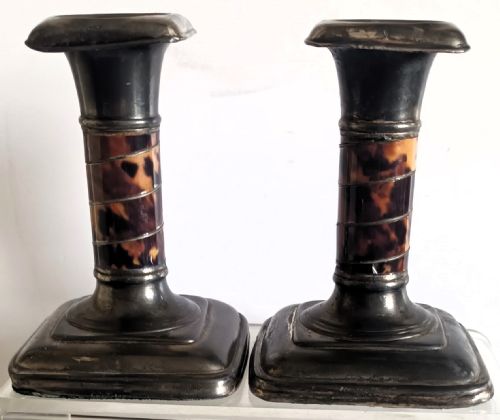
Makers and manufacturers produced these items in sterling silver, silver plate, and electroplated nickel silver, often pairing metal with glass, pewter, copper, brass, tortoiseshell, horn, or ruby glass. Buyers encounter both domestic English pieces and continental European work from the period.
The objects served practical lighting needs in parlours, dining rooms, and studies before electricity became common, which accounts for the range in height from miniature desk examples up to tall pillar designs.
Materials and construction
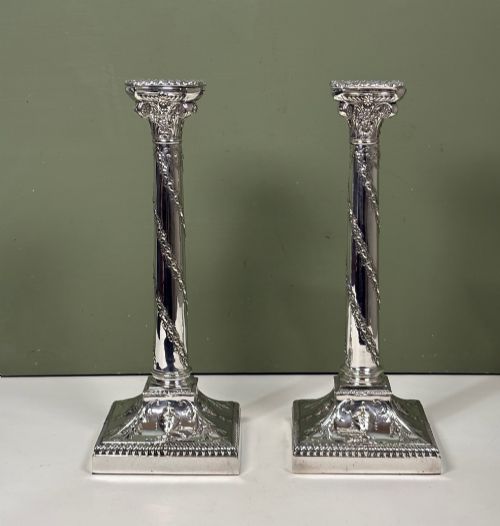
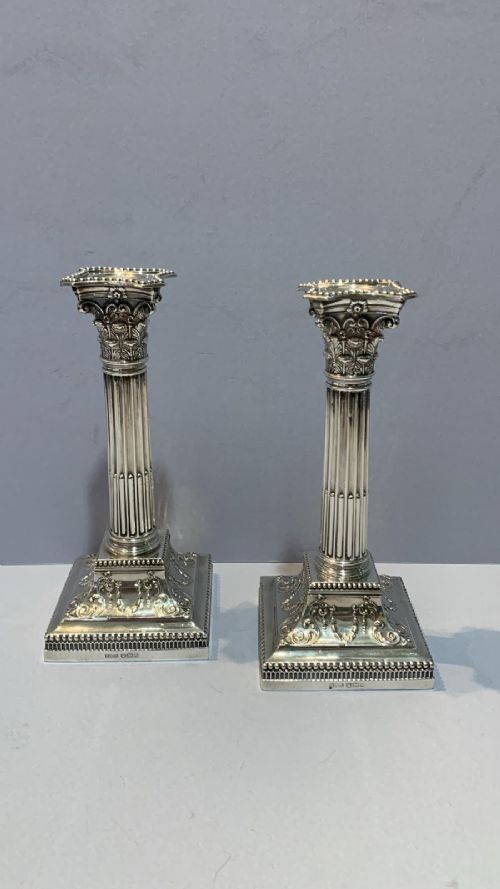
Silversmiths and manufacturers shaped sterling silver and silver plate over base metals or filled cores, utilising techniques such as Sheffield plating and electroplating on nickel silver. These methods allowed workshops to produce complex figural motifs, Corinthian capitals, and neoclassical columns without excessive weight.
Makers combined silver with contrasting elements like ruby glass, horn, tortoiseshell, and pewter to create decorative texture. Cast components were joined to spun shafts and weighted bases to provide stability for holding wax candles safely.
Qualities of distinction
Quality depends upon the crispness of the casting in figural and revival styles, where sharper detail in drapery, floral motifs, or classical capitals separates finer production from softer, mass-market items. The integrity of the plating or the thickness of the sterling silver dictates how well the surface survives centuries of handling and cleaning.
Proportion and structural balance define the better examples, ensuring that telescopic mechanisms, multi-light branches, and weighted bases function correctly without leaning. Maker attribution to established firms also elevates the standing of a piece within the range.
Smith & Sissons & Co·Elkington·WMF
The Victorian Silver Candle Stands Glossary
- Candelabra
- A branched candlestick holding multiple candles on a single base. These larger pieces often feature removable branches to function as single candlesticks.
- Sheffield plating
- An early method of fusing a thin sheet of sterling silver onto a copper base before electroplating was invented. Pieces made this way show characteristic copper seams under wear.
- Electroplated nickel silver
- A base metal alloy of copper, nickel, and zinc coated with a layer of silver using an electrical current. It became widely used for domestic tableware in the Victorian period.
- Corinthian
- A classical architectural order featuring capitals decorated with acanthus leaves. This style appeared frequently on Victorian column candlesticks.
- Silver gilt
- Sterling silver that has been coated with a thin layer of gold on the surface. This technique imparts a warm, yellow-toned metallic lustre.
Victorian Silver Candle Stands: Frequently Asked Questions
How do I clean silver plated candle stands?
Use a soft cloth and a specialised silver polish designed for plated items to remove tarnish gently. Avoid harsh abrasive cleaners that can wear through thin silver layers.
Take care around weighted bases and mixed materials like glass or horn to prevent moisture damage during cleaning.
Were these stands used for dining tables?
Yes, pairs and larger sets provided ambient illumination during Victorian evening meals before gas and electric lighting became standard in homes.
Shorter pairs were also placed on desks, dressing tables, and mantlepieces for localized task lighting.
What is the difference between silver plate and sterling silver?
Sterling silver consists of solid precious metal throughout, marked with standardised purity hallmarks. Silver plate applies a thin layer of silver over a base metal such as copper or nickel silver.
Both materials were common during the Victorian era, with plated items offering decorative elegance at a lower cost.
How do I identify the period of a candle stand?
Look for stylistic clues such as the heavy ornament of Rococo Revival, the strict symmetry of Neoclassical columns, or the organic curves of Art Nouveau. Maker marks, registry numbers, and silver hallmarks provide precise dates where present.
Construction methods, such as early Sheffield plating versus later electroplating, also help narrow down the decade of manufacture.