


Victorian Silver Bottle
A victorian silver bottle brings together precious metal and coloured glass to hold scent, wine, or ink.
Victorian Silver Bottle
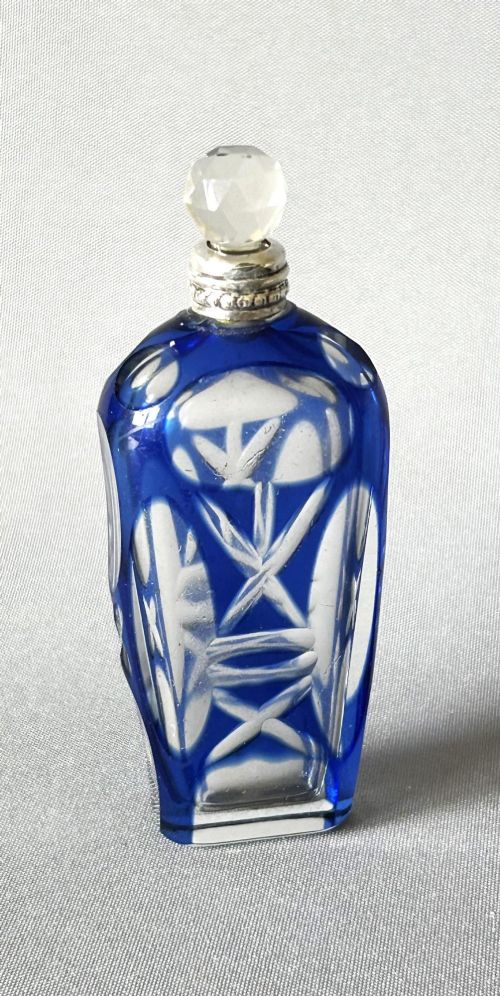
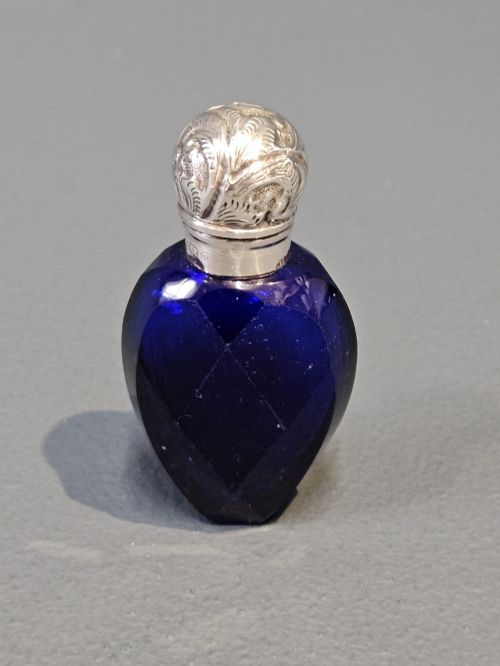
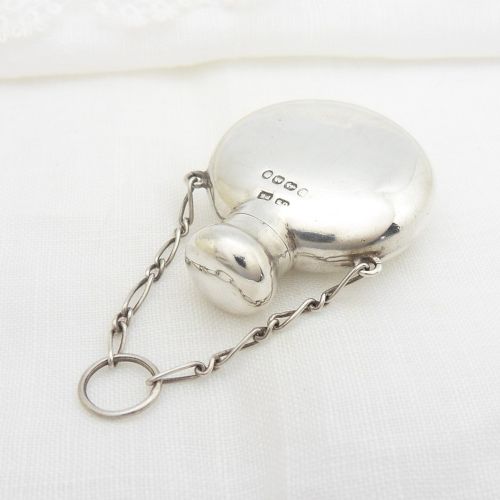
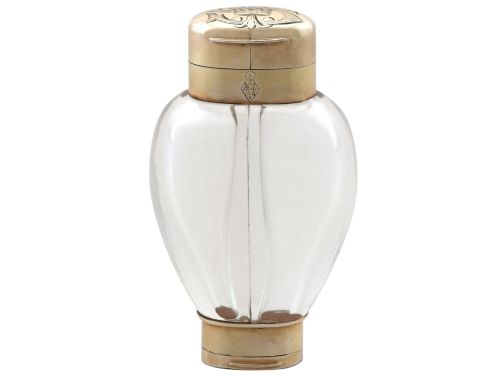
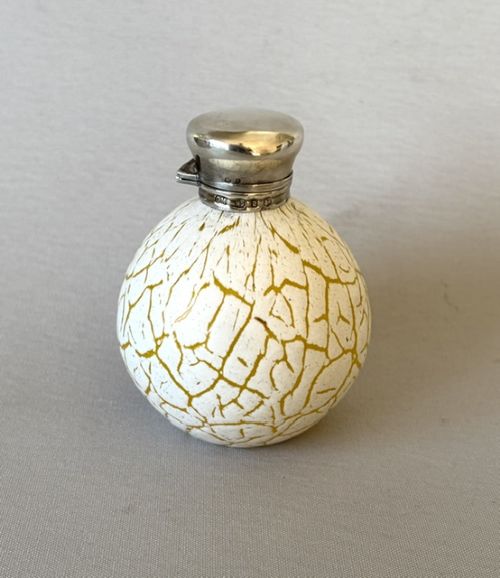
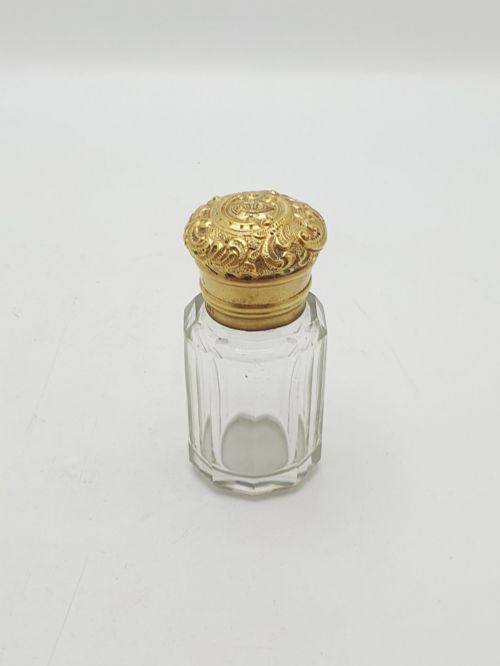
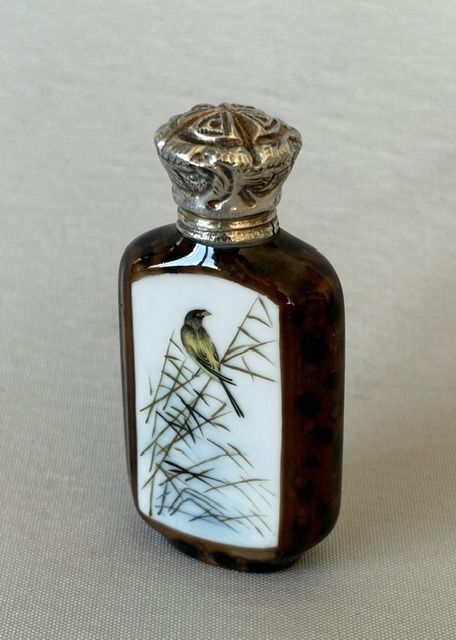
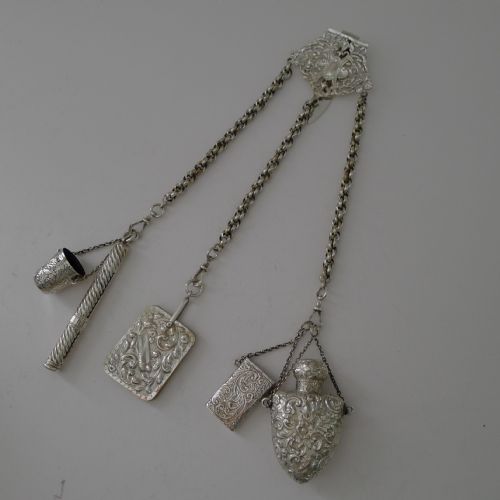
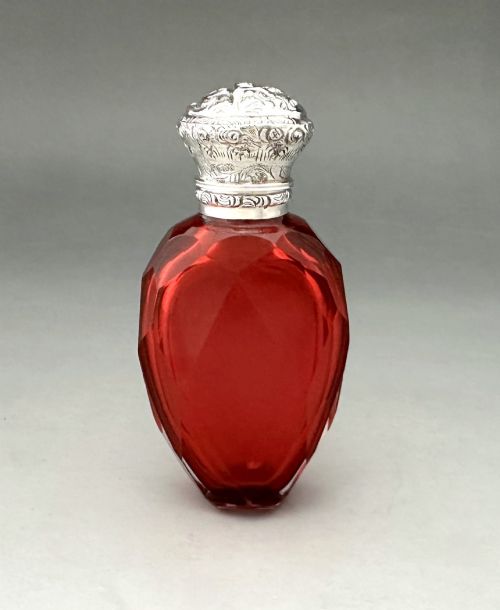
A victorian silver bottle most frequently takes the form of a scent bottle or perfume flask, designed for the pocket or the dressing table. These pieces combine sterling silver mounts, collars, or chatelaines with coloured, cut, or opaline glass bodies.
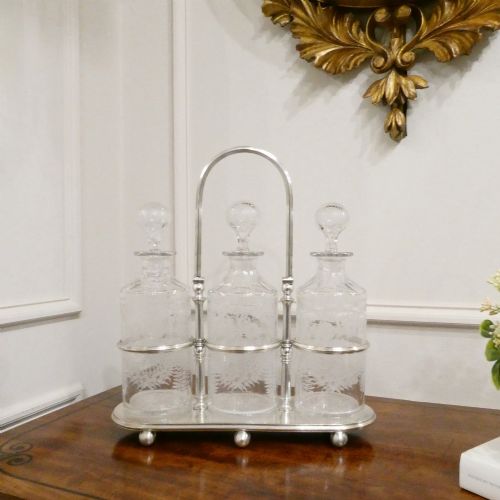
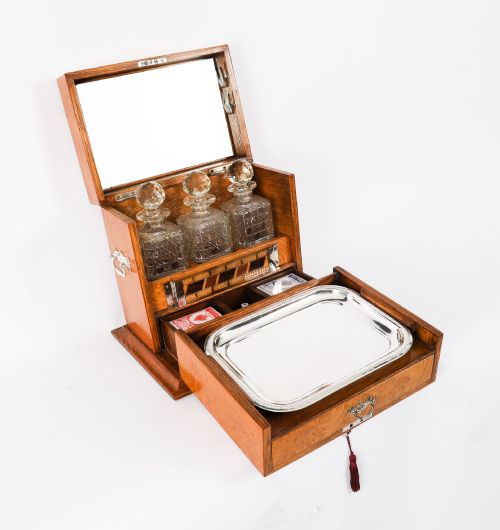
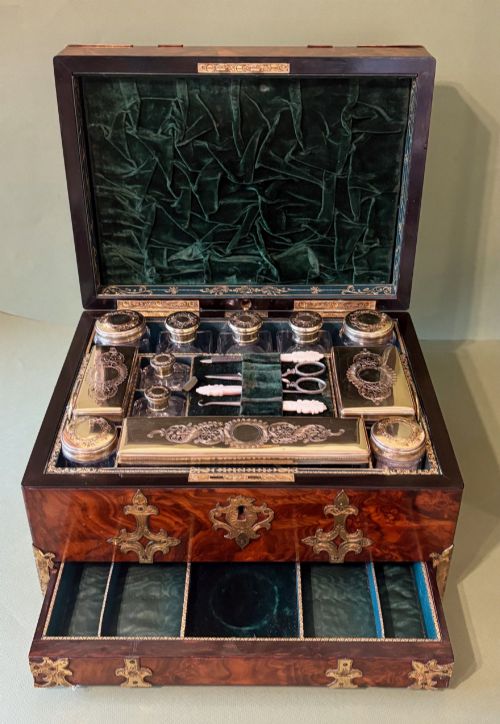
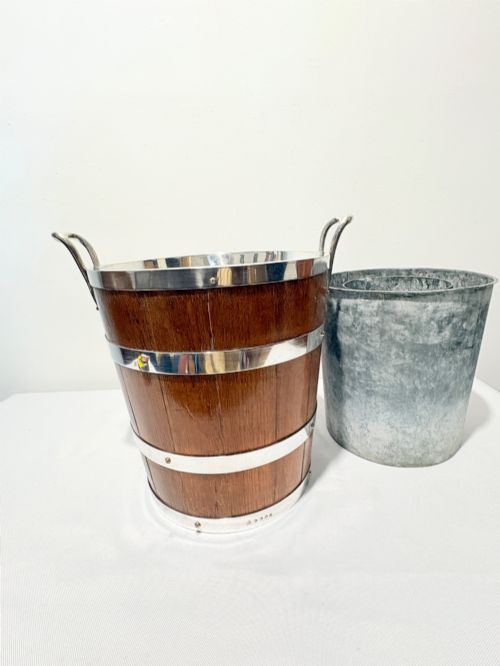
Beyond personal scent containers, the category extends to larger vessels such as decanters, cruet sets, and tantalus frames housed in oak. The domestic utility of these items spanned the dining room, the study, and the travelling dressing case.
Originating predominantly within the nineteenth century, these objects reflect the decorative tastes of the Victorian and Edwardian eras. Makers utilised techniques ranging from simple silver collars to elaborate novelty designs shaped like hunting horns and violins.
How They Were Made
Craftsmen combined sterling silver or silver plate with various glass bodies, including Bristol green, ruby, cranberry, and opaline glass. Metal mounts were shaped, chased, or engraved to fit snugly over glass necks and stoppers.
Glass production involved techniques such as cutting, moulding, and casing, creating heavy crystal or layered glass that contrasted with the brightness of the silver. Internal glass stoppers often paired with hinged metal outer caps to ensure a secure seal for volatile perfumes.
Victorian Silver Bottle Retail Price Guide 2026
Typical asking prices for victorian silver bottle among the pieces listed under this phrase on Sellingantiques today, from the lower quarter to the upper quarter. They describe what is for sale here now, not the wider market.
Materials recorded across the inventory include sterling silver, silver plate, silver gilt, and various cut or coloured glasses.
What Varies in Quality
Quality rests in the weight and clarity of the glass, the crispness of the silver chasing, and the integration between metal and glass. Pieces bearing clear hallmarks from established makers demonstrate superior metalworking standards.
The complexity of the form dictates distinction, separating simple collars from intricate double-ended bottles, enamel-painted surfaces, or novelty shapes. Preservation of original glass stoppers and undamaged silver hinges maintains the integrity of the piece.
Sampson Mordan·William Comyns And Sons·Saunders And Shepherd·Walker And Hall
The Victorian Silver Bottle Glossary
- Sterling silver
- A silver alloy containing 92.5 percent pure silver and 7.5 percent other metals, typically copper, used for structural mounts and decorative collars.
- Double-ended scent bottle
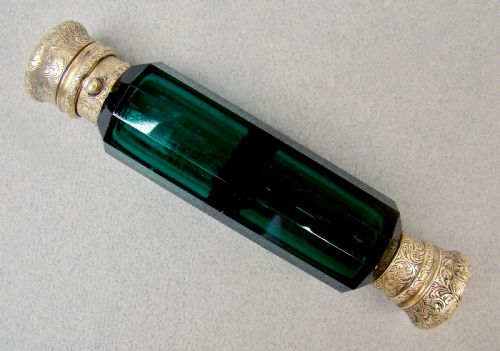
- A vessel featuring two separate compartments accessed from opposite ends, often containing different fragrances or a scent and smelling salts.
- Vinaigrette
- A small ornamental box with a pierced inner grill that held a sponge soaked in aromatic vinegar.
- Tantalus
- A locked wooden frame displaying decanters to prevent unauthorized access to the contents while keeping them visible.
- Chatelaine
- A decorative belt hook worn at the waist from which chatelaine scent bottles, chatelaine bags, and sewing implements hung.
Victorian Silver Bottle: Frequently Asked Questions
What is a double ended scent bottle?
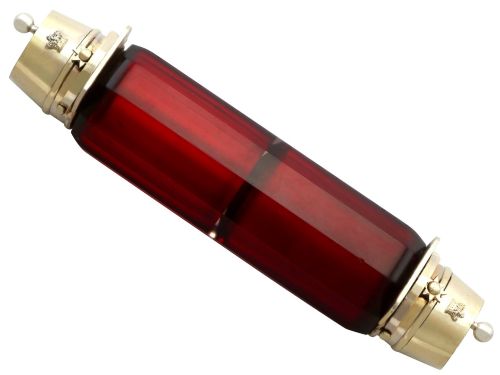
A double-ended scent bottle contains two distinct compartments with separate stoppers at either end of the piece. This design allowed a Victorian lady to carry two different perfumes or a combination of liquid scent and smelling salts in one portable container.
The silver caps screw or hinge independently, keeping each compartment sealed securely. These items frequently utilised coloured glass bodies such as Bristol green or ruby glass.
What is cranberry glass?
Cranberry glass is a pinkish-red transparent glass produced by adding gold chloride to the molten glass batch. It gained popularity during the Victorian era for decorative tableware, decanters, and perfume bottles.
The rich colour complemented sterling silver mounts and cut crystal patterns. Articles made from this material often appeared in dressing cases and cruet sets.
How do I date a silver bottle?
Dating a silver bottle relies primarily on the assay office marks, date letters, and maker's marks stamped onto the silver mount. British sterling silver pieces carry hallmarks that indicate the year of manufacture and the town where they were tested.
Stylistic cues such as Aesthetic Movement engraving or Edwardian proportions also help narrow down the period. Comparing the glass type and manufacturing technique provides additional confirmation of the date.