

Victorian Side Table Castors
Victorian side table castors are small metal or ceramic rollers fitted to nineteenth-century tables to ease movement across carpets and floorboards.
Victorian Side Table Castors
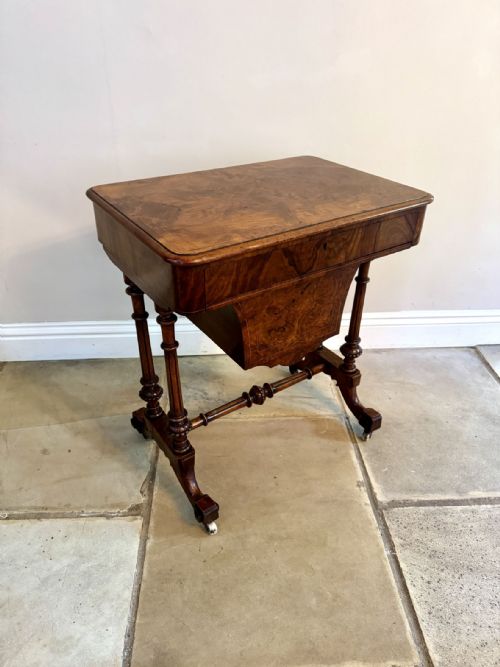
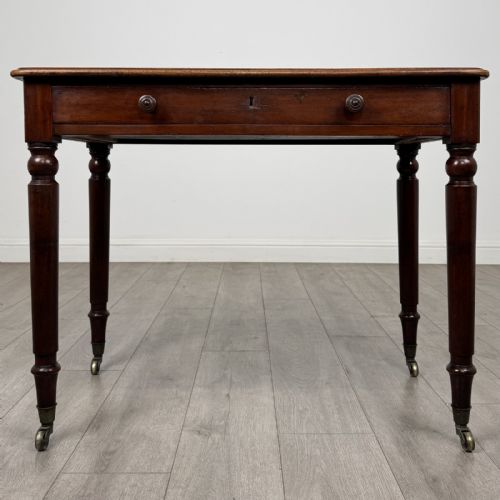
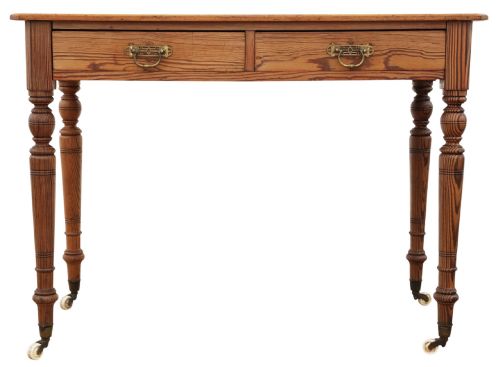
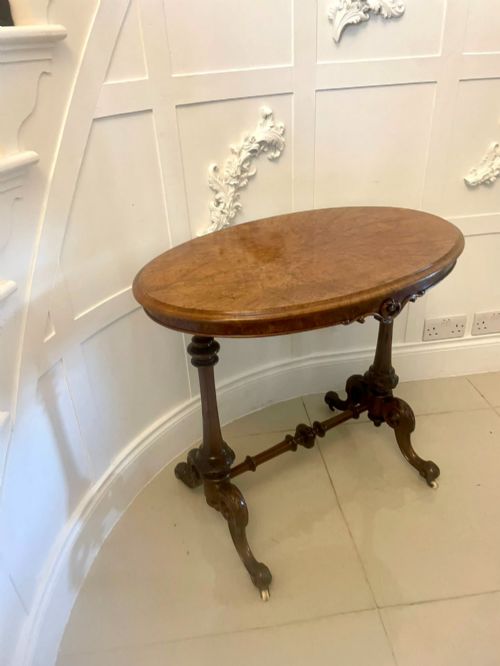
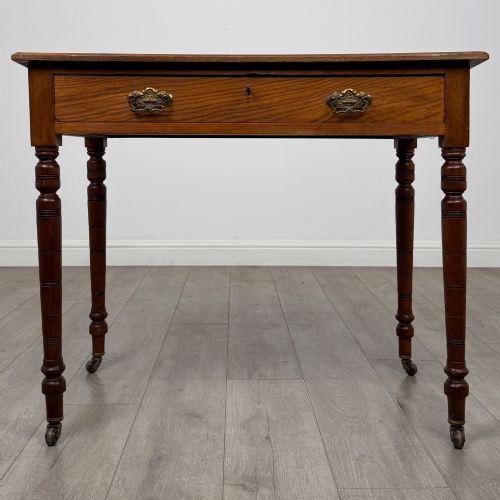
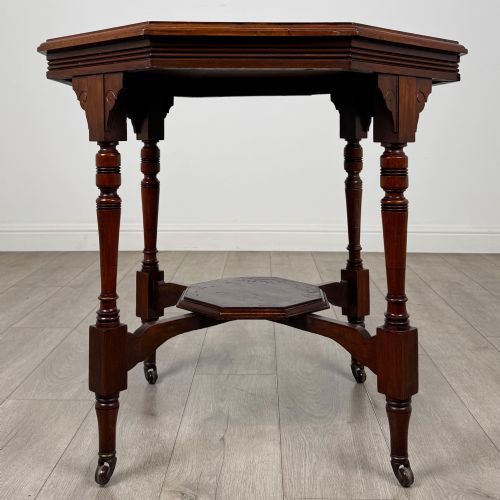
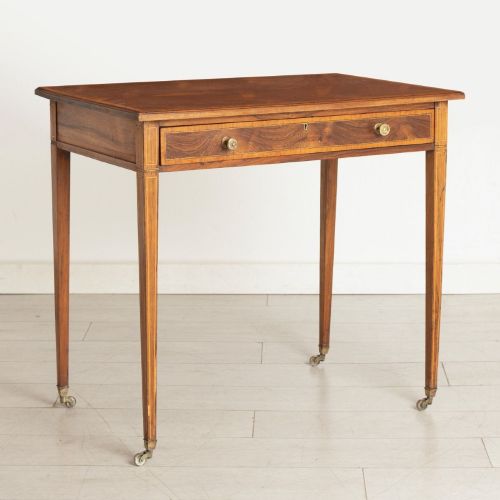
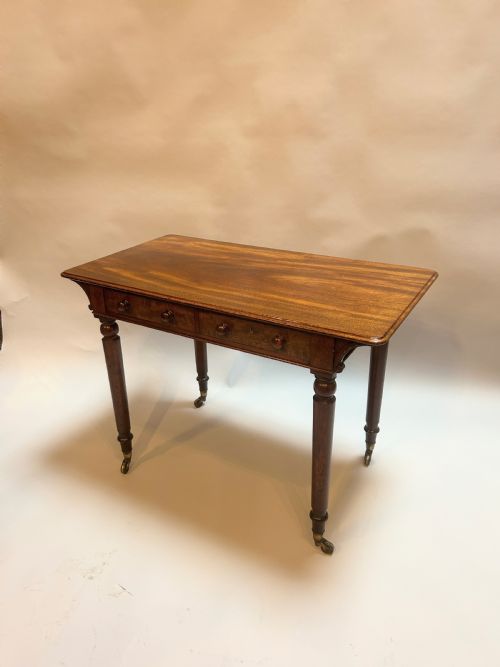
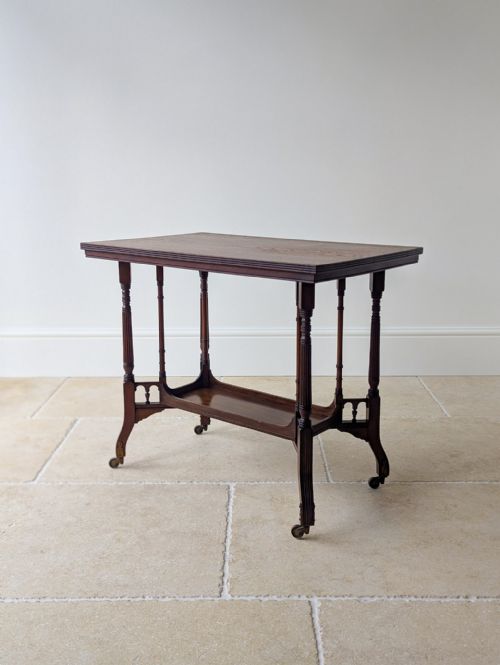
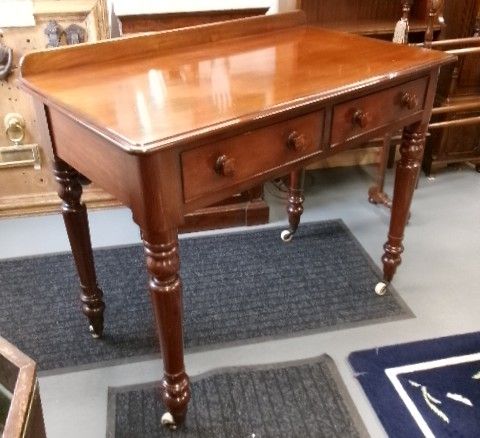
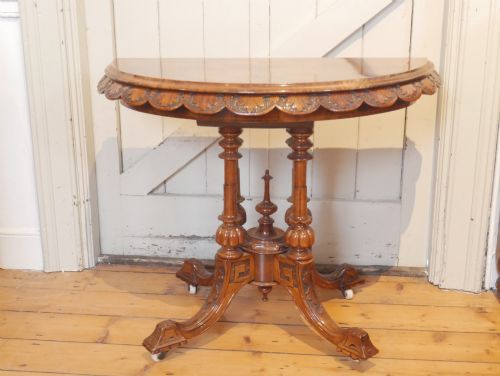
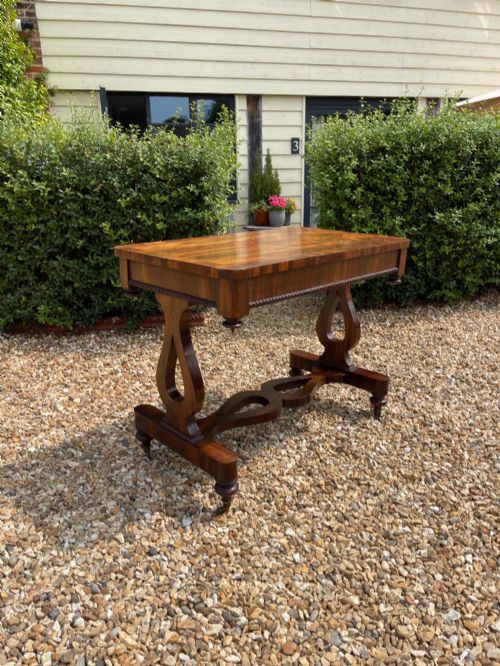
Victorian side table castors appear on occasional pieces, writing desks, and lamp tables dating primarily from the nineteenth century. These fittings support tables fashioned in mahogany, walnut, oak, and rosewood across styles ranging from Regency and William IV to the Aesthetic Movement. Most examples sit beneath timber frames built for daily domestic utility in parlours, studies, and drawing rooms.
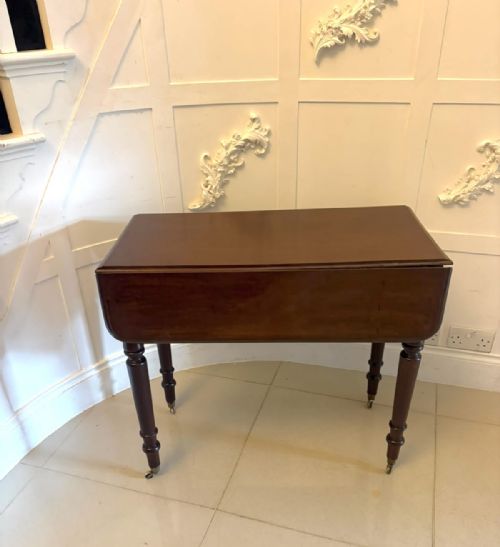
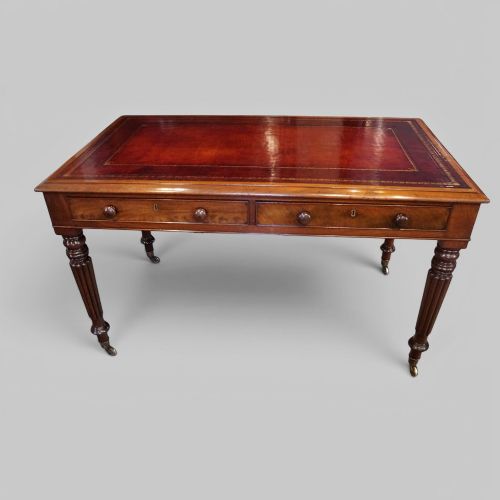
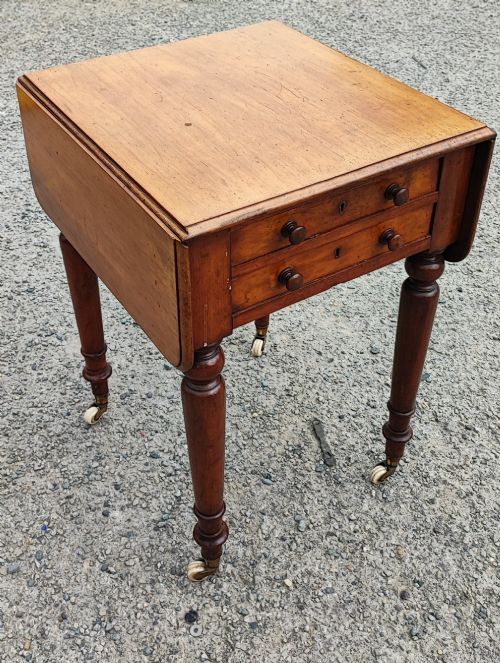
The assortment on this page includes drop-leaf pembroke tables, multi-tiered etageres, and writing desks resting upon the original wheel attachments. Buyers encounter both plain utility models in pine and highly decorative designs in burr walnut or ebonised wood. The periods span the broader nineteenth century, touching upon Georgian survivals and Edwardian adaptations.
Materials and construction
Makers fashioned these rollers using cast brass for the sockets, stems, and forks, frequently pairing them with solid wood timber frames. Wheels themselves might consist of turned wood, cast brass, or ceramic porcelain designed to bear the weight of heavy hardwoods like mahogany and rosewood. Metal components were cast and turned by hand, ensuring a snug fit into the rebated legs of the table.
Wooden elements of the associated tables display traditional joinery, including dovetailed drawers and pegged mortise and tenon joints. Secondary timbers such as pine or oak appear inside drawer linings, whilst primary surfaces showcase veneered burr walnut, satinwood, or solid mahogany planks.
Listings feature woods such as mahogany, walnut, burr walnut, rosewood, oak, pitch pine, and satin birch across the nineteenth century.
Assessing quality in the pieces
Quality reveals itself in the crispness of the brass casting and the smoothness of the timber turning. Superior examples retain their matching original castors, fixed securely into uncompromised leg timber without loose sockets or stripped screw holes. The selection of timber also dictates grade, with figured burr walnut and dense Honduras mahogany marking out the better workshops.
Finer tables demonstrate meticulous attention to secondary details, such as hand-cut dovetails, polished drawer interiors, and sophisticated marquetry or inlay. Lesser items utilise simpler pine carcases and coarser fittings that lack the bespoke refinement of branded cabinet makers.
Gillows·Gregory & Co·W Williamson & Sons·Carters Of London·Johnstone and Jeanes·Jenks & Woods
The Victorian Side Table Castors Glossary
- Castor
- A small wheel mounted on a swivel, attached to the bottom of a piece of furniture to allow easy movement. They are commonly made of brass and ceramic.
- Pembroke table
- A small table with hinged drop leaves on either side, often fitted with a single drawer. This form dates back to the eighteenth century but remained popular through the Victorian era.
- Etagere
- A set of open shelves for displaying small objects, frequently mounted on small wheels. These pieces highlight the lighter side of nineteenth-century interior display.
- Burr walnut
- A veneer sliced from the gnarled growth of a walnut tree, prized for its swirling, decorative grain patterns. Makers used it on high-end Victorian lamp and occasional tables.
- Aesthetic Movement
- A late nineteenth-century design style that emphasised decorative art for its own sake, often featuring ebonised finishes and Japanese-inspired details.
Victorian Side Table Castors: Frequently Asked Questions
Are these castors original to the tables?
Original castors show matching patination, wear patterns, and correct period fixings that align with the timber of the leg.
Replacements often leave enlarged screw holes or feature brass alloys that differ in colour from the rest of the brassware.
What rooms were side tables used in?
These tables served primarily in drawing rooms, studies, and parlours for writing, holding lamps, or displaying small decorative objects.
Their mobility allowed residents to reposition them easily near firesides or window light as needed throughout the day.
How do I care for wooden tables with castors?
Keep timber surfaces polished with traditional beeswax and avoid placing them in direct sunlight or beside heat sources.
Lift the table slightly when moving it across heavy carpets rather than rolling it, to prevent straining the leg joints.
What is an Aesthetic Movement table?
Aesthetic Movement tables embrace simpler lines and dark ebonised finishes, often influenced by Japanese design principles.
They stand apart from heavily carved Victorian brown furniture through their restrained geometry and decorative brass hardware.