
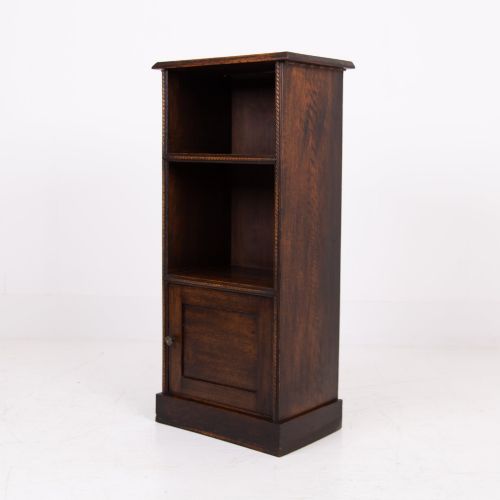
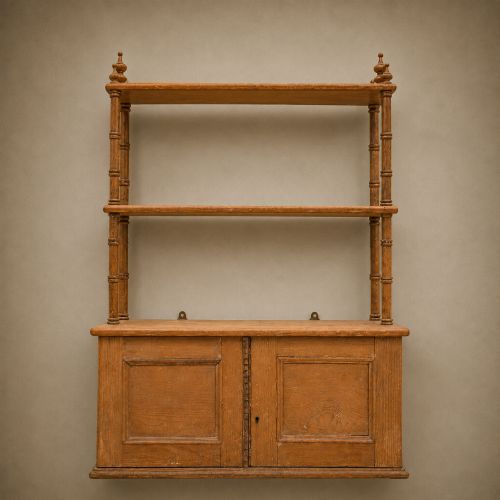
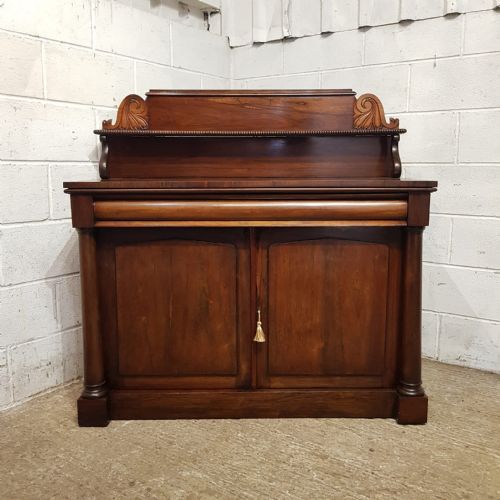
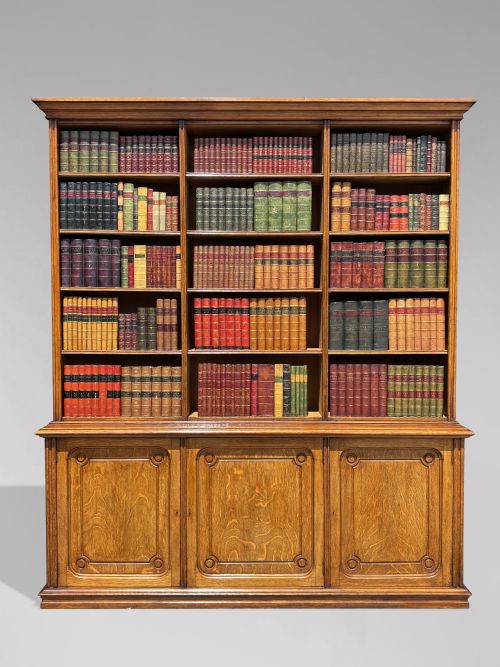
Victorian Shelf with Cupboard
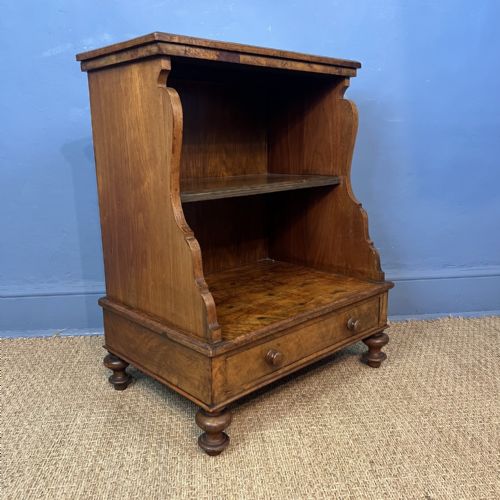
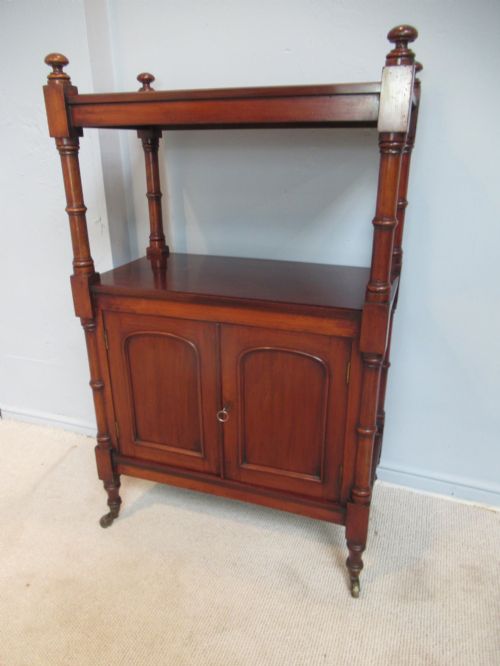
When you select victorian shelf with cupboard, you find practical nineteenth-century combinations of upper display space and enclosed lower storage.
Victorian Shelf with Cupboard
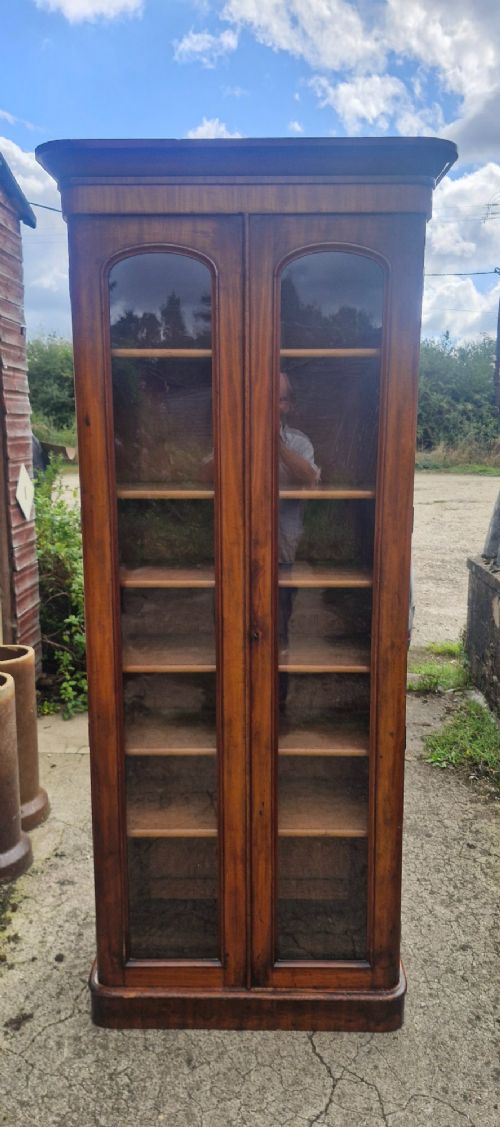
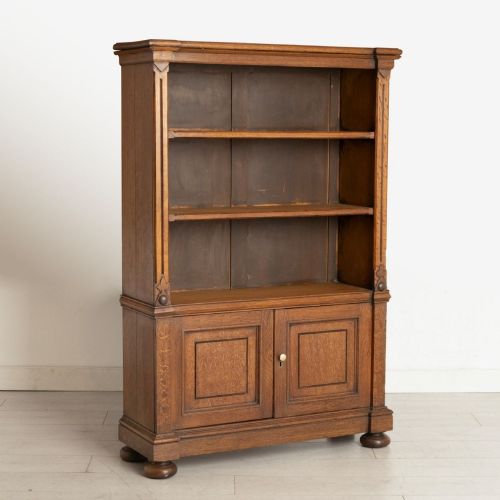
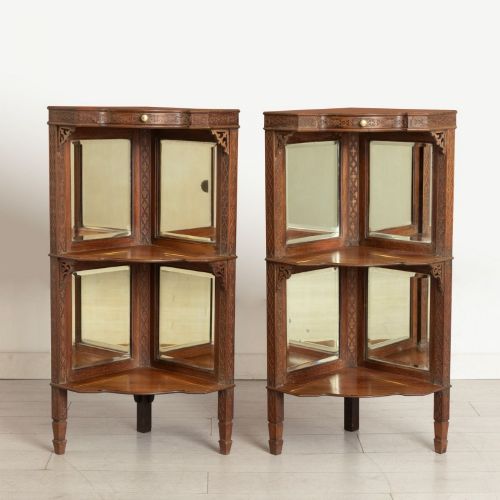
A victorian shelf with cupboard unites open display surfaces for books or plates with closed storage compartments beneath, offering dual functionality for domestic organisation.
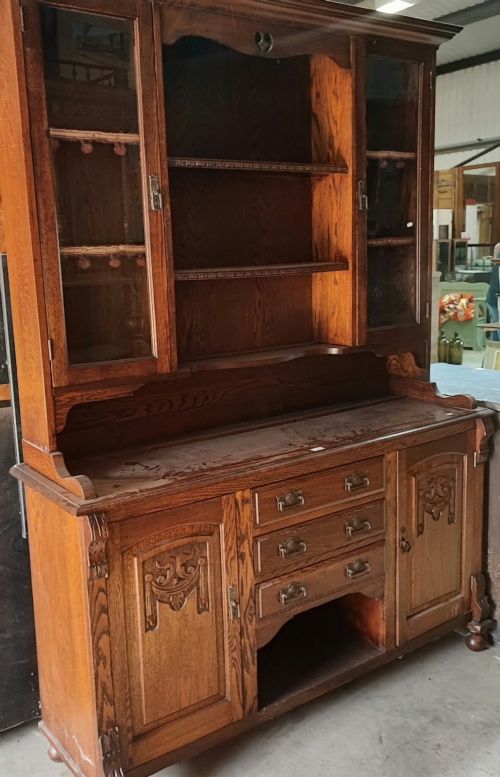
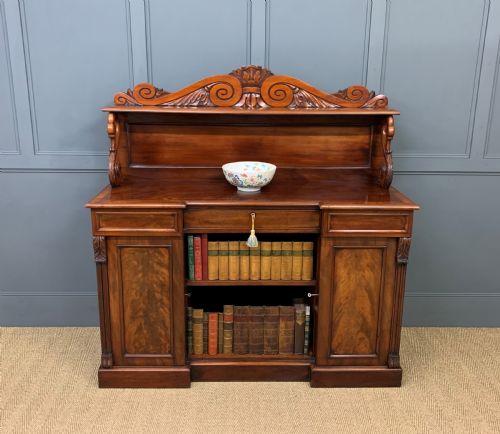
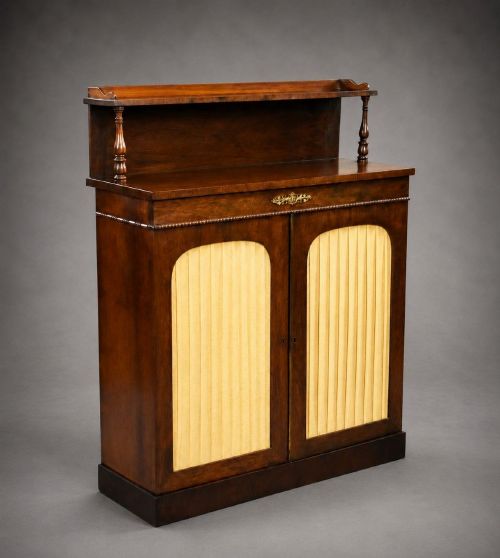
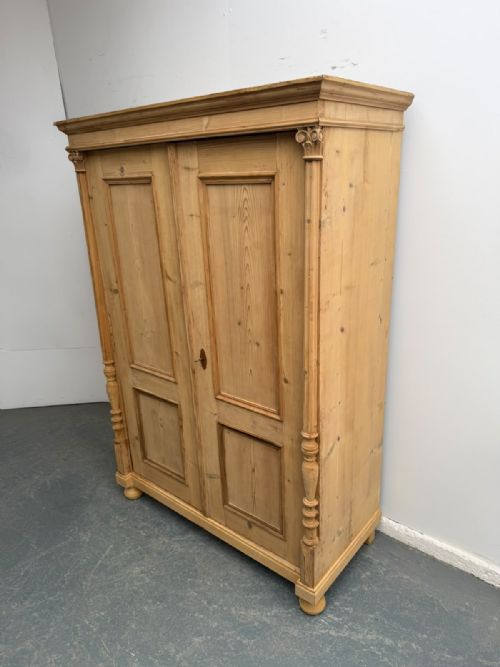
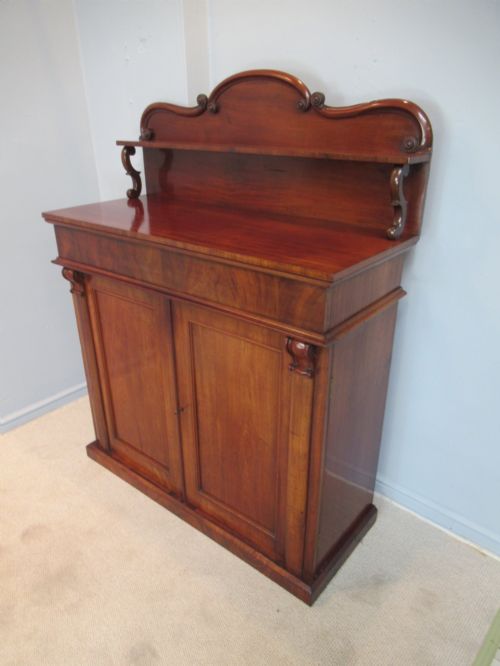
The pieces appearing in this selection span diverse regional and formal categories, ranging from mahogany chiffoniers and side cabinets to pine kitchen wall shelves and Welsh dressers.
Originating predominantly across the nineteenth century, these items reflect both formal parlour cabinetry and robust vernacular workshop traditions.
How They Were Made
Cabinetmakers utilised dense hardwoods such as mahogany, rosewood, walnut, and oak alongside softer domestic timbers like pine, frequently applying decorative veneers including flame mahogany and burr walnut.
Construction techniques incorporated dovetailed drawer boxes, fielded or glazed cupboard doors, and adjustable shelving supported by wooden racks or brass pins.
Surface finishes varied from polished French polish on formal parlour furniture to plain wax or painted treatments on utility pine pieces.
Secret drawers hidden behind cushion mouldings on chiffonier bases offered nineteenth-century owners a secure spot for pocket watches.
What Varies in Quality
The standard of timber selection and veneer matching defines the grade of a piece, distinguishing finely figured plum pudding mahogany or solid satinwood from plain utility pine.
Joinery execution separates superior workshop production from standard output, visible in the tightness of mitres, the movement of drawers, and the integration of architectural mouldings.
Hardware integrity, such as original brass fittings, working locks with keys, and intact glazed panels, preserves the original character and contextual accuracy of the furniture.
Druce & Co·James Shoolbred & Co·Robert Strahan
The Victorian Shelf with Cupboard Glossary
- Chiffonier
- A low sideboard fitted with enclosed cupboards beneath, frequently topped by a shelf tier for displaying ornaments. This form gained popularity during the nineteenth century for parlour use.
- Flame Mahogany Veneer
- A thin layer of timber sliced from the point where branches join the trunk, creating a characteristic fiery, undulating pattern. Cabinetmakers applied this to prominent surfaces for visual impact.
- Glazed Top
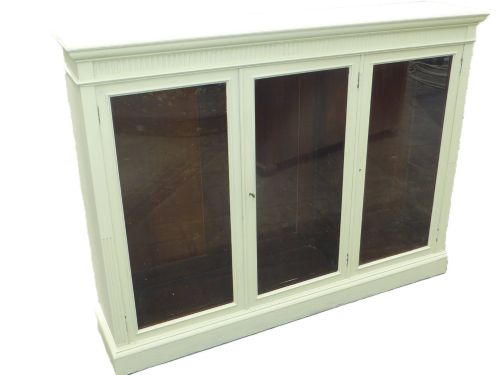
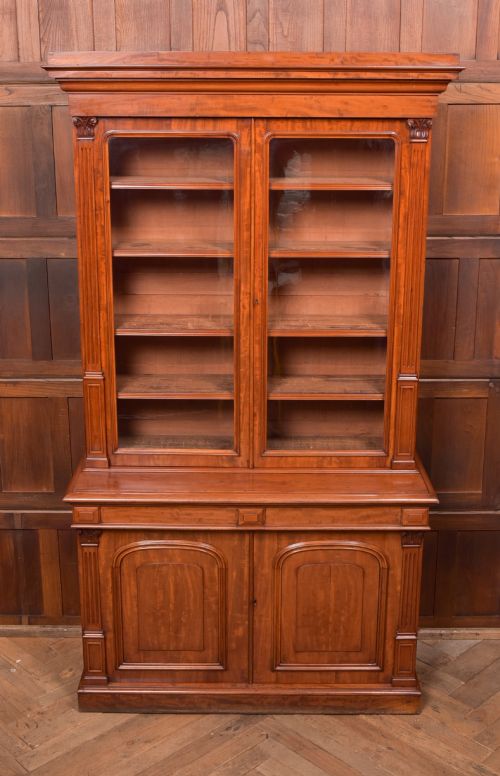
- An upper section enclosed by glass-paned doors designed to protect books or display ceramics. These doors often feature wooden astragals dividing the panes.
- Adjustable Shelves
- Shelves that can be moved to different heights using internal notches, wooden supports, or metal pins. This system allowed owners to accommodate books or objects of varying sizes.
- Welsh Dresser
- A traditional kitchen or dining room furniture piece combining lower cupboards or drawers with upper plate racks or shelves. Regional examples often utilise native timbers like oak or pine.
Victorian Shelf with Cupboard: Frequently Asked Questions
How do I choose the right size?
Measure your available floor area and wall height carefully, accounting for the projecting depth of lower cupboard doors when fully opened.
Consider the vertical clearance needed between shelves if you plan to store tall volumes or large decorative plates.
Can I adjust the shelf heights?
Many nineteenth-century bookcases and cabinets include adjustable shelving systems supported by rackwork strips or pin holes.
Fixed shelves do appear in certain vernacular or simpler workshop pieces, so checking the internal configuration is advisable.
Where were these cabinets used?
Formal chiffoniers and side cabinets belonged in nineteenth-century drawing rooms and parlours to hold glassware, linens, or books.
Sturdier pine and oak variants served in kitchens, sculleries, or dining areas for everyday utensils and provisions.
How do I care for the wood?
Maintain finished hardwood surfaces by dusting with a dry cloth and applying occasional natural beeswax to nourish the timber.
Keep these pieces away from direct heat sources and strong sunlight to prevent veneer lifting and timber splitting.