
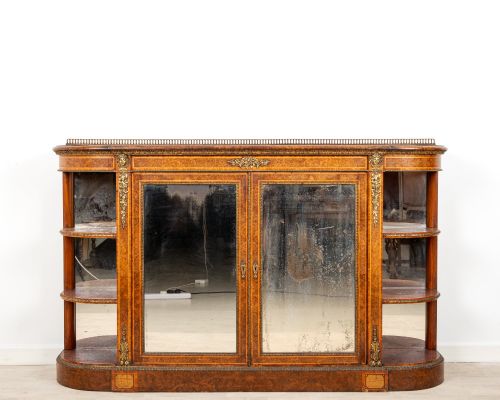
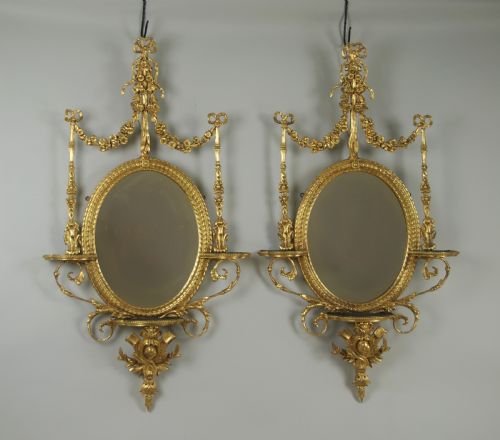
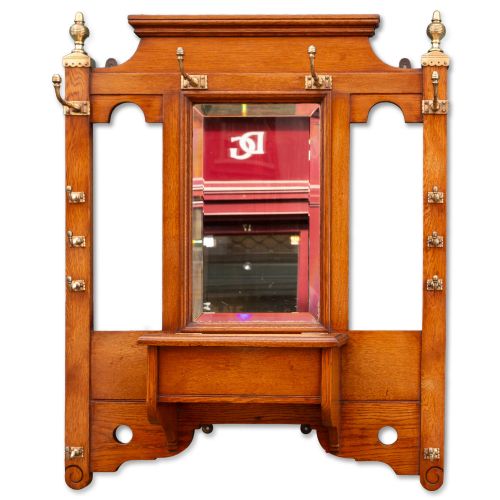
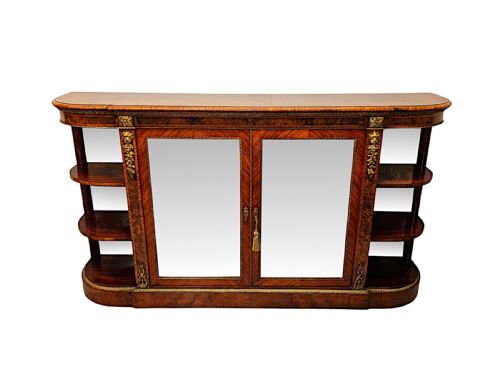

Victorian Shelf Mirror
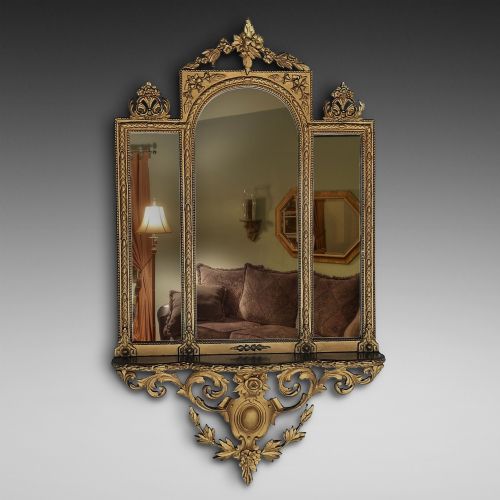
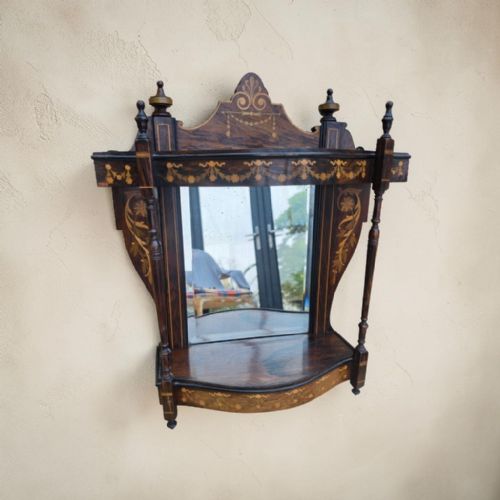
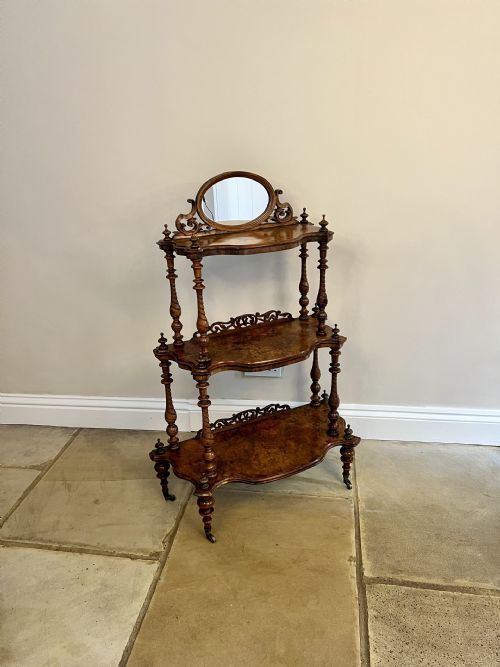
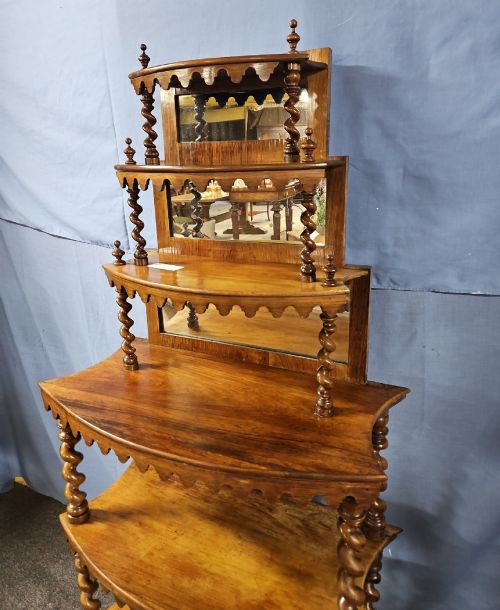
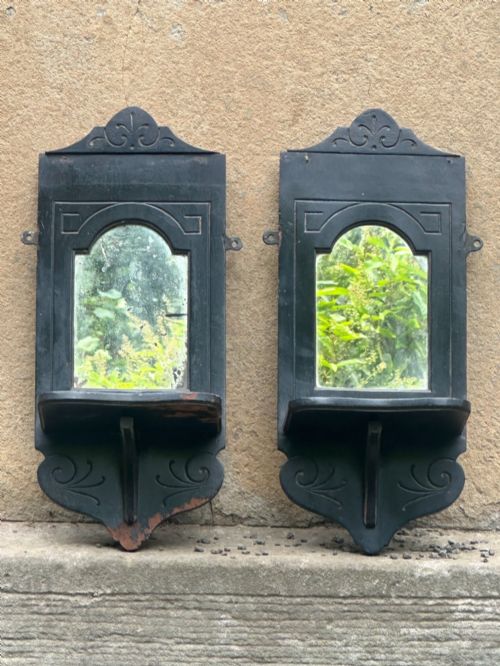
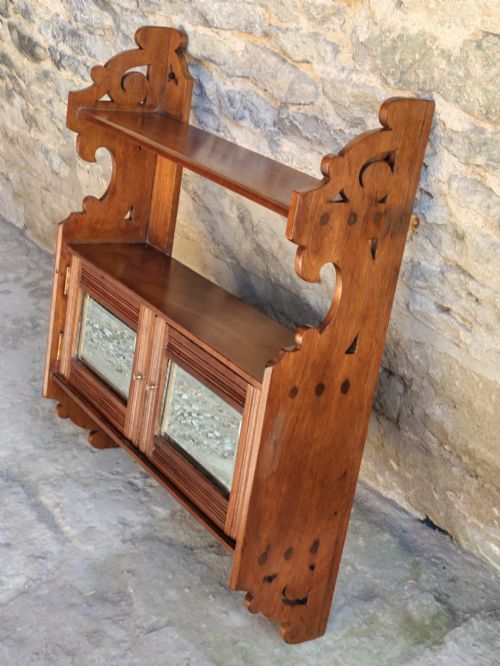
A victorian shelf mirror combines a functional looking glass with practical display ledges, offering a space to exhibit small ornaments or hold everyday essentials.
Victorian Shelf Mirror
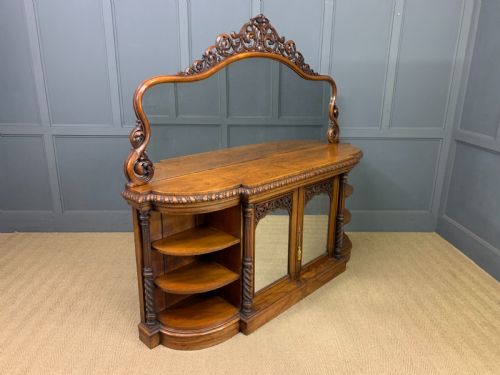
A victorian shelf mirror serves both a reflective and a display purpose, appearing in various formats from compact hall stands with integrated ledges to larger wall-mounted units and overmantels.
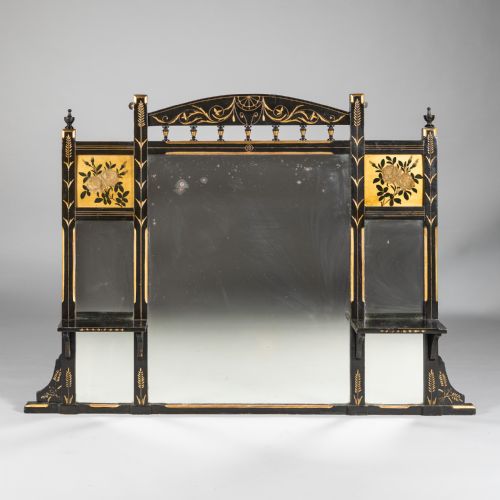
The pieces on this page span the nineteenth century into the edwardian era, heavily influenced by victorian and aesthetic period designs in woods such as walnut, mahogany, and oak.
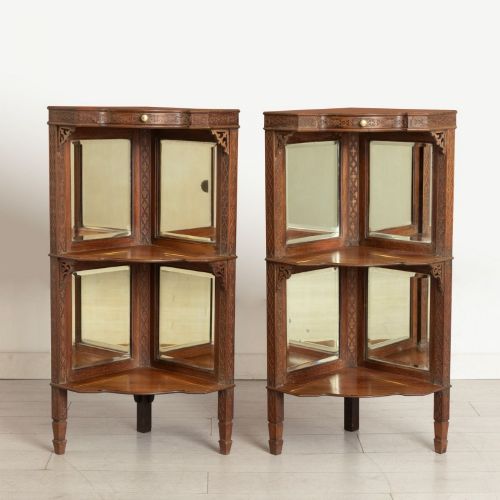
Buyers encounter smaller hall or bedroom mirrors alongside substantial overmantel mirrors fitted with brackets, ledges, or miniature shelves for small objects.
Materials and construction
Cabinet makers utilised richly grained timbers including burr walnut, rosewood, and mahogany, frequently applying marquetry inlay or parcel-gilt details to enrich the surfaces.
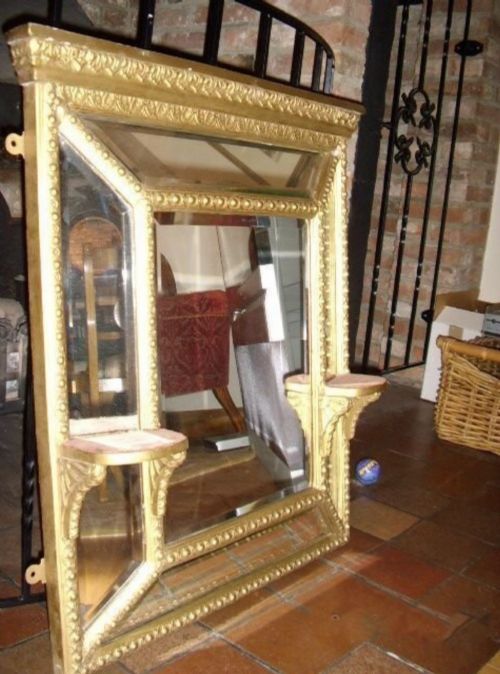
Many examples incorporate bevel-cut glass plates held within sturdy wooden or giltwood frames, alongside brass fittings or marble shelves designed to support decorative items securely.
The listings on this page span the nineteenth century and the edwardian era, utilising materials like burr walnut, rosewood, oak, brass, and giltwood.
Craftsmanship and proportion
Quality rests in the depth of the timber figuring, particularly in burr walnut and rosewood veneers, and the crispness of any applied brass mounts, ormolu, or hand-carved ornamentation.
Superior examples demonstrate meticulous joinery around the shelf brackets and frame joints, ensuring the ledges remain structurally sound while bearing weight.
Gillows·Edwards & Roberts·Cottier & Co.·Liberty & Co·John Stow Ltd of Bradford
The Victorian Shelf Mirror Glossary
- Overmantel mirror
- A large looking glass designed to hang on the wall directly above a fireplace mantel, often incorporating shelves for display.
- Giltwood
- Wood that has been coated with gold leaf or a gold-coloured metallic finish, commonly used on decorative nineteenth-century frames.
- Burr walnut
- A highly prized wood veneer taken from the burl growth of a walnut tree, showing intricate swirling patterns and rich colour.
- Aesthetic period
- A late nineteenth-century design movement focusing on visual beauty rather than narrative or moral function, associated with ebonised finishes and gilt details.
- Girandole
- A decorative wall mirror featuring attached candle sconces or ornamental brackets that reflect candlelight around the room.
Victorian Shelf Mirror: Frequently Asked Questions
Where should I hang a victorian shelf mirror?
These pieces suit entrance halls, living rooms, or bedrooms where the ledge provides a convenient spot for letters, small vases, or decorative ornaments.
Ensure the wall fixings match the weight of the timber frame and any items placed upon the display shelf.
How do I care for the wood and glass?
Dust the timber frames gently with a dry, soft cloth and avoid chemical polishes that might damage antique polished surfaces.
Clean the mirror glass carefully with a cloth slightly dampened with water, keeping moisture away from the wooden edges.
What is the difference between a wall mirror and an overmantel?
Wall mirrors are generally scaled for standard room placement, whereas overmantels are broader and heavier, built to sit above fireplace surrounds.
Both variants frequently incorporate built-in ledges or display brackets characteristic of the period.