







Victorian Sewing Novelty
These playful victorian sewing novelty pieces turn everyday sewing tools into miniature silver animals, chairs, and household items that collectors prize for their whimsical detail.
Victorian Sewing Novelty
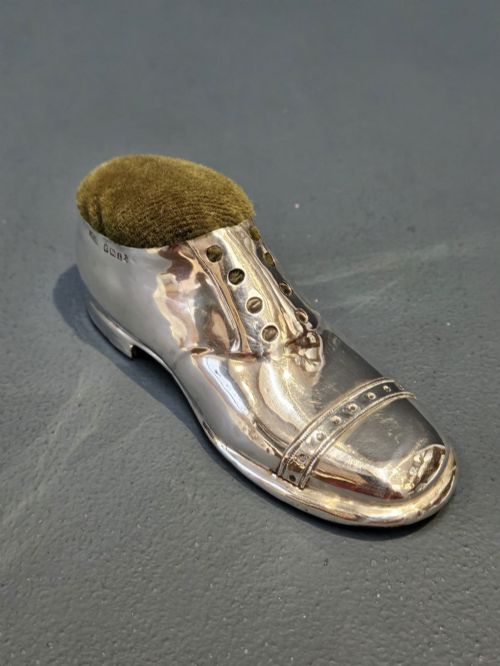
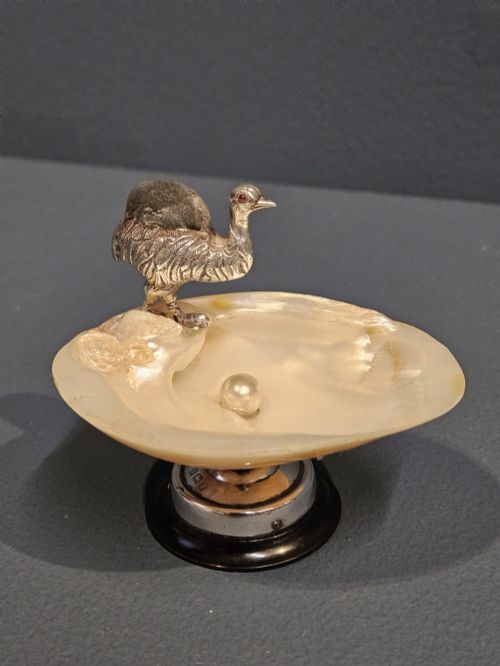
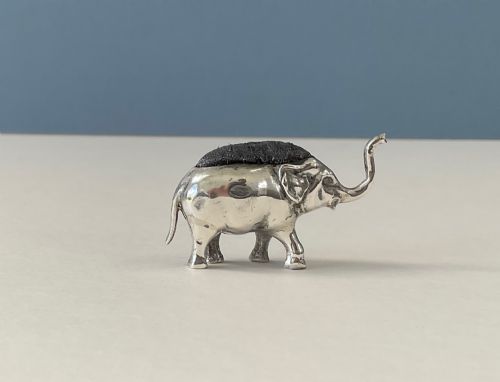
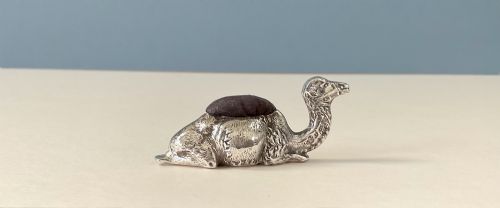
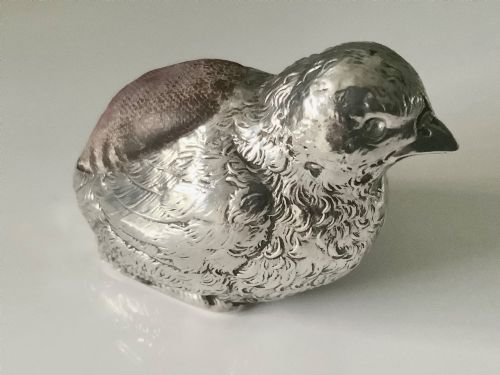
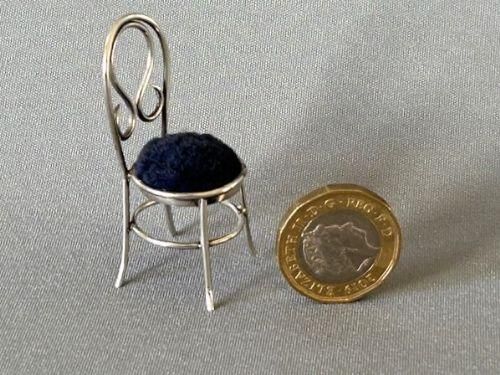
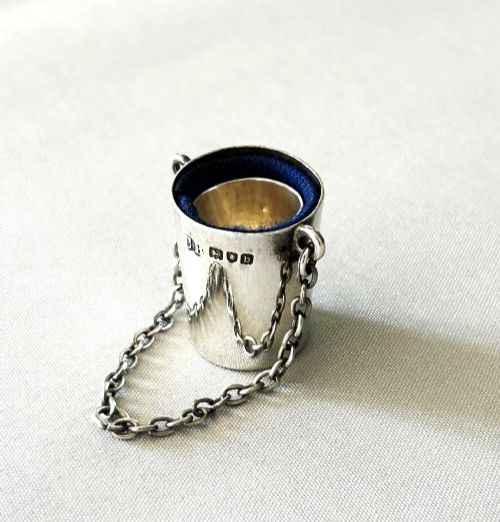
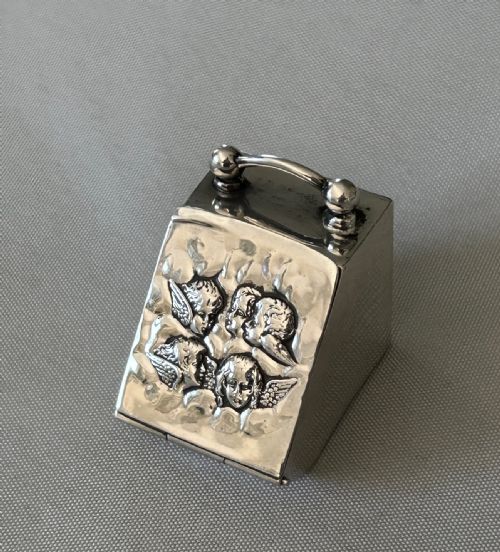
A victorian sewing novelty takes the form of an unexpected object designed to hold pins, needles, or thimbles. Buyers encounter miniature figures ranging from chairs and teapots to camels, birds, and dogs.
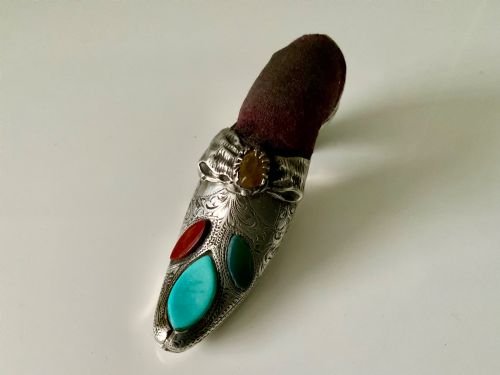
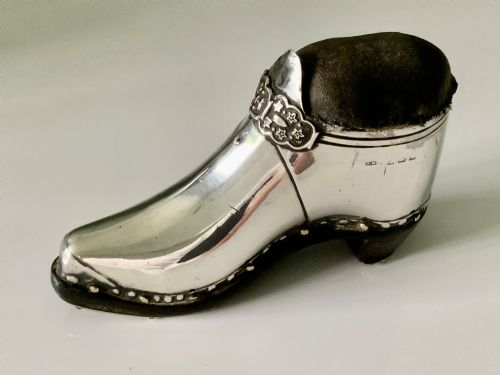
Most examples originate from the Victorian and Edwardian periods, stretching into the early twentieth century. Common forms include pin cushions shaped as footwear, animals, and transport alongside dedicated thimble buckets and stands.
Materials and construction
Silver and sterling silver form the primary structure for these small items, often paired with velvet or fabric inserts to hold pins. Other pieces incorporate brass, glass, mother of pearl, and shell.
Craftsmen utilised detailed metalwork techniques to shape miniature chairs, animals, and vehicles, sometimes applying cold painted bronze finishes to create realistic textures on figures such as ibexes.
Victorian Sewing Novelty Retail Price Guide 2026
Typical asking prices for victorian sewing novelty among the pieces listed under this phrase on Sellingantiques today, from the lower quarter to the upper quarter. They describe what is for sale here now, not the wider market.
Needlework enthusiasts once pinned their hopes on tiny silver pigs, beetles, and railway lamps.
Defining quality
The choice and execution of the secondary material, such as the neatness of the velvet cushion inset or the inclusion of a matching thimble, indicate the care taken during production.
Laurence Emanuel
The Victorian Sewing Novelty Glossary
- Pin cushion
- A small stuffed pad designed to hold pins safely until needed. In these pieces, the cushion is integrated into the back or body of a silver novelty object.
- Novelty silver
- Silver items shaped to resemble whimsical figures, animals, or everyday objects rather than standard tableware or vanity wares. They gained immense popularity during the late nineteenth and early twentieth centuries.
- Cold painted bronze
- A method where bronze figures are painted with oil-based paints that are not fired in a kiln. This technique allows for subtle coloration on animal novelties.
- Thimble bucket
- A miniature container shaped like a bucket, created specifically to store a sewing thimble. These often appear alongside companion sewing accessories.
Victorian Sewing Novelty: Frequently Asked Questions
How were pin cushion novelties used?
Owners placed these miniature silver items on sewing tables or laps to keep pins and needles secure and accessible during stitching work. The integrated velvet or fabric pads held the sharp points safely.
Beyond basic utility, these novelties served as decorative conversation pieces and fashionable gifts among Victorian and Edwardian gentlefolk.
How do I date a silver novelty?
Dating relies on hallmarks stamped into the silver, which indicate the assay office, standard of metal, and year of production. Stylistic clues also help, as naturalistic animal figures and household objects became particularly fashionable across the Victorian and Edwardian eras.
Examining the construction methods and the wear on the underlying silver or fabric provides further context for the period of manufacture.
What materials appear in these pieces?
Silver and sterling silver dominate the construction of these novelties, frequently enclosing velvet or fabric inserts to function as pin cushions. Some examples incorporate brass, glass, mother of pearl, and shell.
Certain pieces also feature painted bronze finishes to render animal subjects with realistic surface textures and colours.