


Victorian Sewing Antiques
Victorian sewing antiques comprise charming small implements and substantial tables designed for needlework, offering both functional utility and period craftsmanship.
Victorian Sewing Antiques
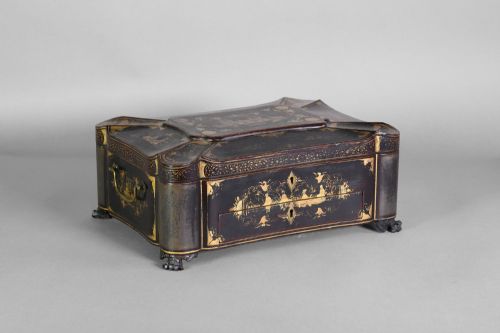
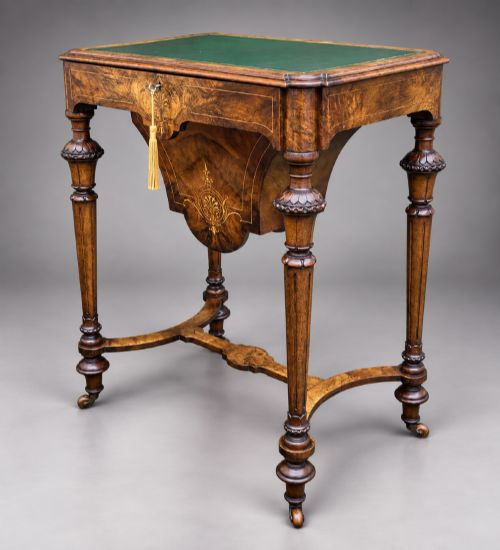
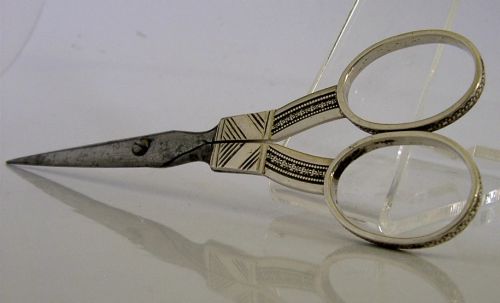
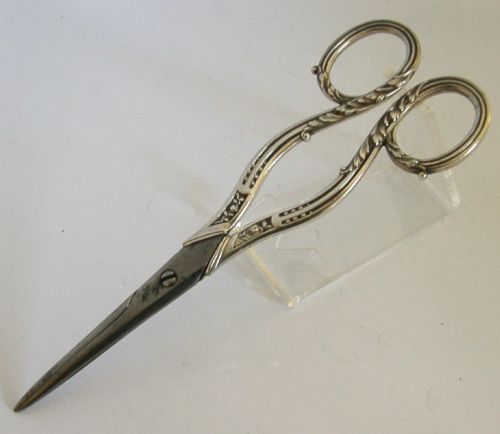
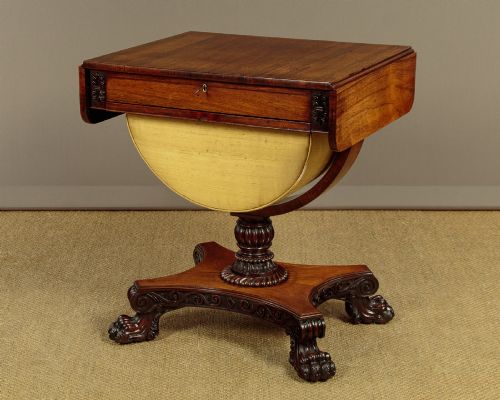
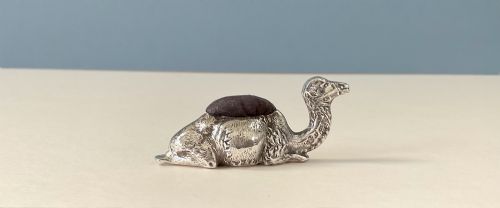
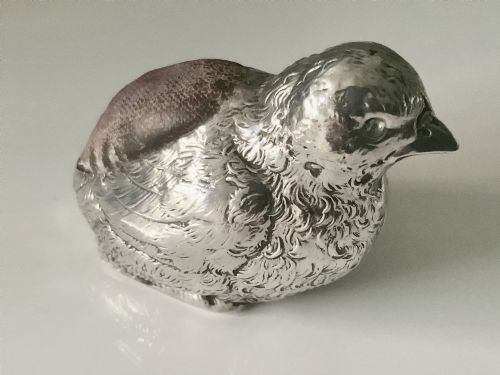
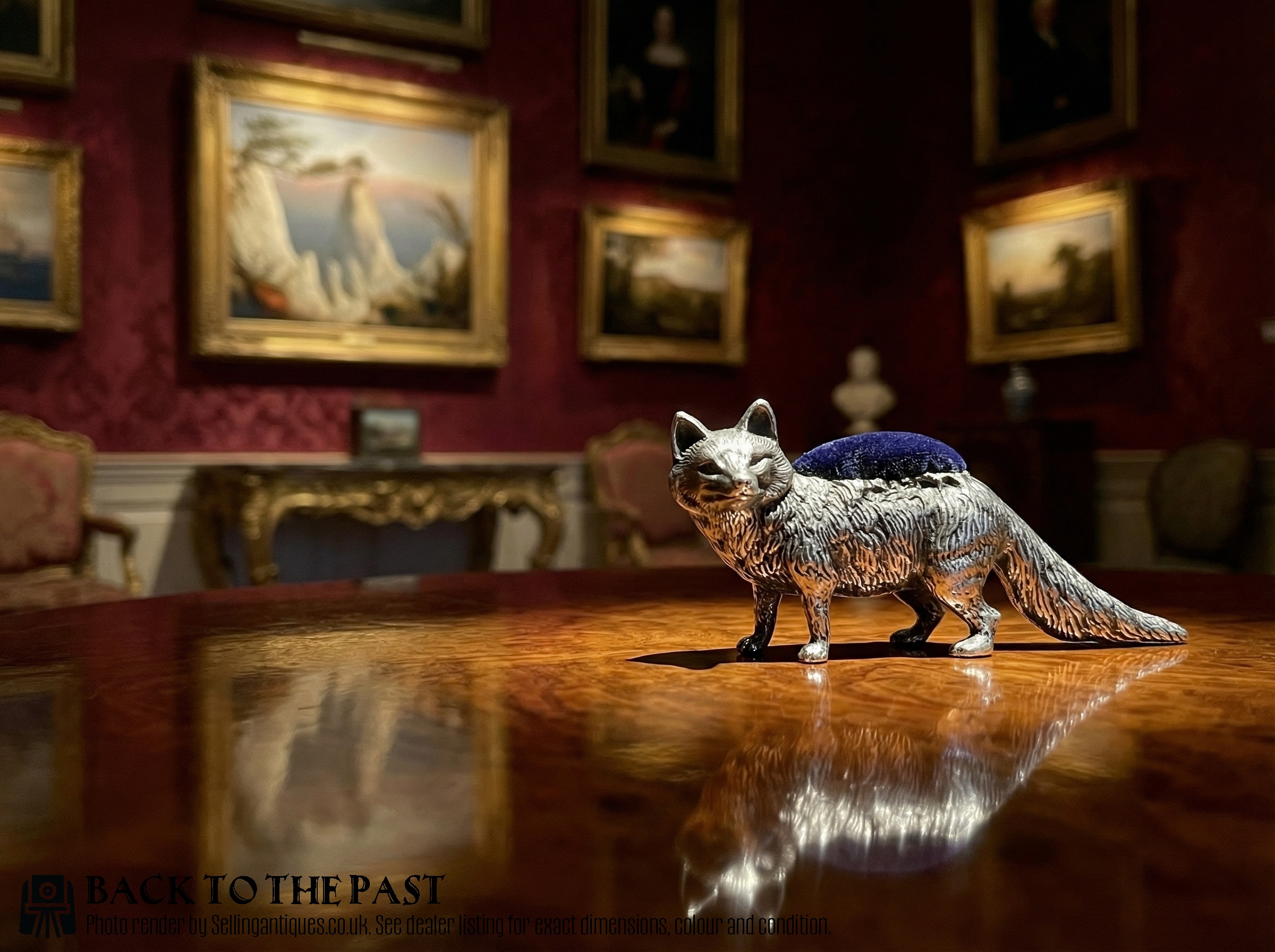
When buyers search for victorian sewing antiques, they encounter a diverse range of objects that span small desktop accessories and larger furniture pieces intended for needlework and textile crafts. The selection encompasses elaborate silver pin cushions, delicate thimble cases, and specialised work tables designed to house cotton reels and scissors.
Smaller acquisitions include novelty silver items shaped like animals or everyday objects, alongside intricately decorated caskets and holders. These pieces reflect the immense popularity of sewing as a domestic pursuit in the Victorian era, preserved today for their decorative appeal and historical utility.
Materials and Construction Techniques
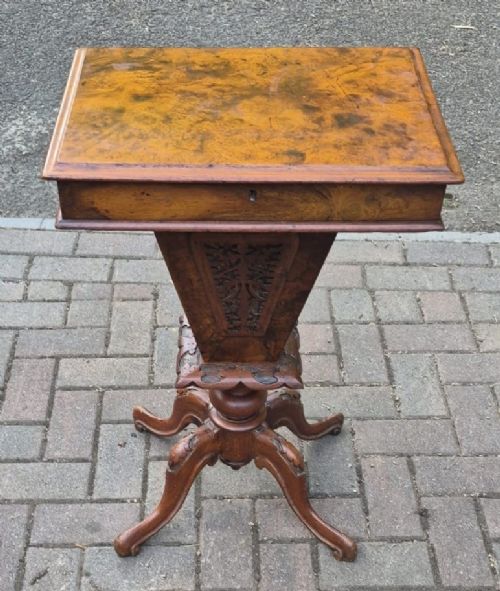
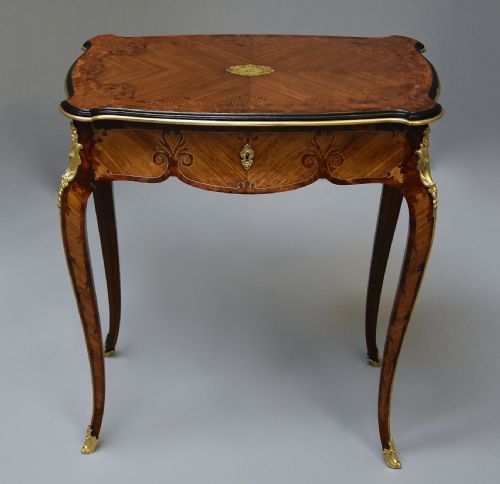
Makers utilised dense hardwoods including rosewood, walnut, and mahogany for furniture, frequently employing burr veneers to create striking surface patterns on table tops and work caskets. Solid silver and sterling silver formed the basis for many smaller accessories, occasionally enhanced with gilding or stone settings.
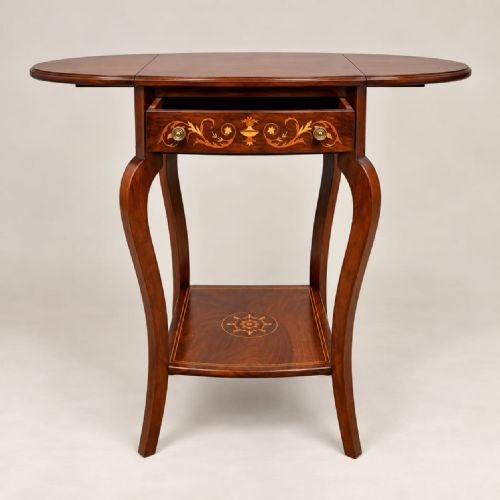
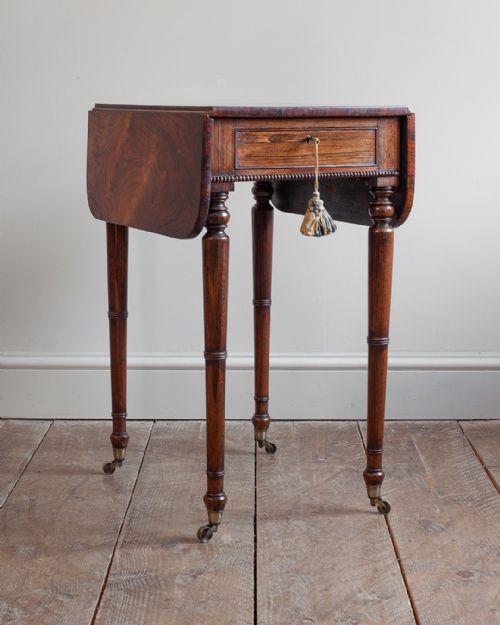
Cabinetmakers employed techniques such as drop leaves, bobbin turning, and intricate marquetry or inlay to construct multifaceted sewing and games tables. Smaller items like pin cushions and chatelaine cases involved detailed metal casting, chasing, and fabric upholstery to secure pins and needles safely.
Evaluating Quality and Craftsmanship
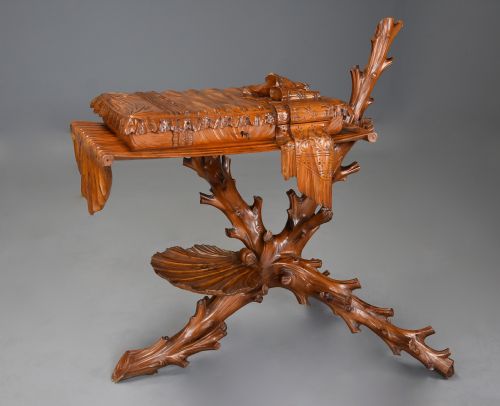
Quality in these pieces is dictated by the fineness of the carving, the selection of timber veneers, and the sophistication of any internal mechanisms or compartments. Superior examples demonstrate meticulous attention to detail in metalwork, such as crisp casting on silver novelties or precise inlay on wooden caskets.
The integrity of fitted interiors and original components separates exceptional items from standard examples, as many sewing tables and boxes rely on complex internal trays. Pieces that retain their original silk skein holders, fitted thimble buckets, or functioning mechanisms command greater appreciation among collectors.
The Victorian Sewing Antiques Glossary
- Pin Cushion
- A small stuffed pad or decorative object used for holding pins during sewing. They often took elaborate novelty forms such as animals, shoes, or miniature furniture in silver and velvet.
- Work Table
- A specialised piece of furniture featuring drawers, bags, or compartments designed to hold needlework supplies. These tables often doubled as occasional or games tables.
- Chatelaine
- A decorative belt hook worn with a series of suspended chains carrying household implements such as scissors, thimbles, and thread holders. They combined practical utility with ornamental status.
- Tunbridge Ware
- Small wooden objects decorated with intricate mosaic patterns made from tiny wood blocks of various natural colours. This technique created geometric designs and pictorial scenes on boxes and holders.
Victorian Sewing Antiques: Frequently Asked Questions
What is a Victorian sewing table?
A Victorian sewing table is a dedicated piece of furniture designed to store needlework materials, often featuring a pull-out bag, drawers, or fitted interior compartments.
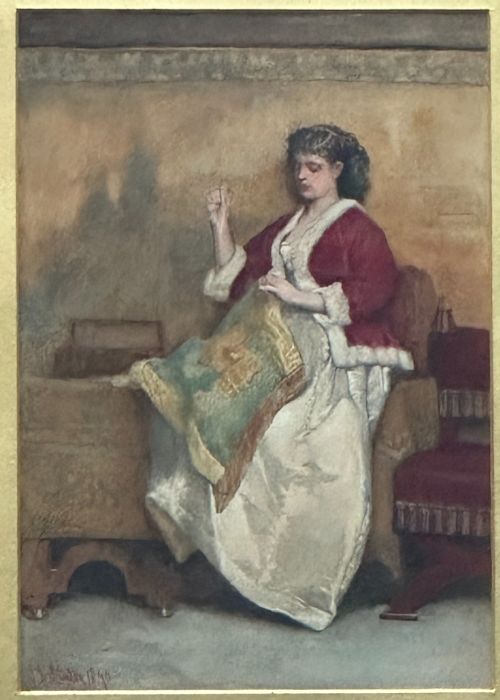
These tables were used in domestic parlours by women engaged in embroidery, mending, and lace-making during the nineteenth century.
What materials are common in these antiques?
Common materials include dense hardwoods like rosewood, walnut, mahogany, and kingwood, alongside sterling silver, brass, fabric, and velvet.
Cabinetmakers selected these timbers for their rich grain and durability, while metals and textiles provided contrast in smaller accessories.
How do I care for wooden sewing tables?
Wooden sewing tables require gentle cleaning with a soft, dry cloth and protection from direct sunlight and extreme humidity changes.
Maintaining a stable indoor environment preserves the delicate veneers and polished timber finishes without damaging historical surfaces.