



Victorian Section Bookcase
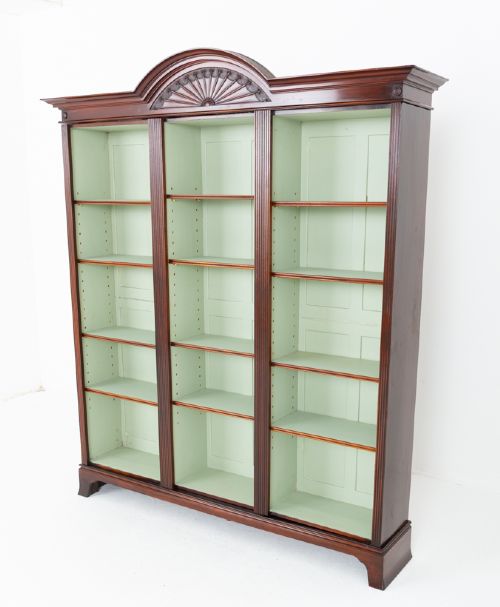
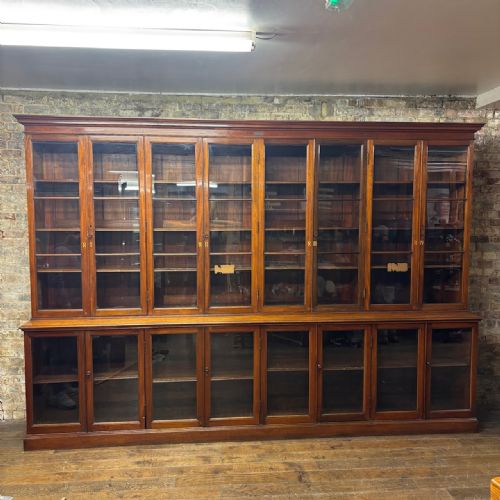
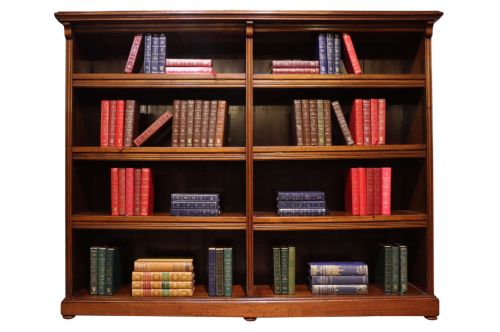
A victorian section bookcase organises a large library with multiple modular parts, bringing fine timber and adjustable shelves to a grand interior.
Victorian Section Bookcase
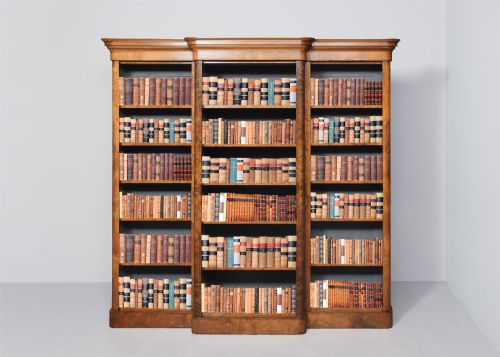
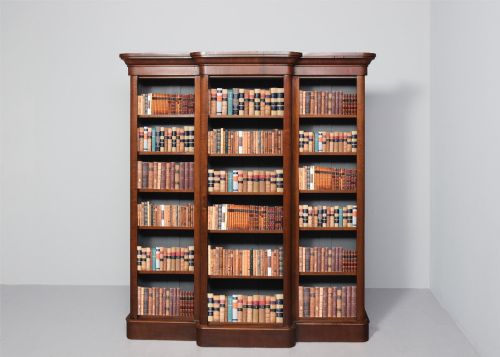
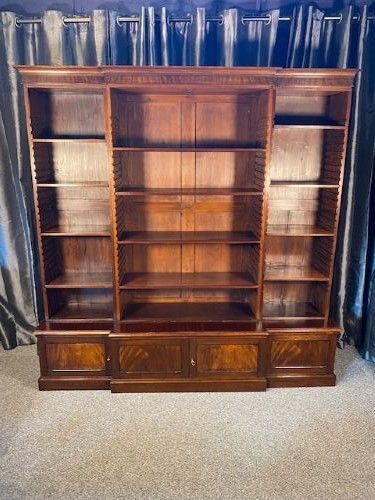
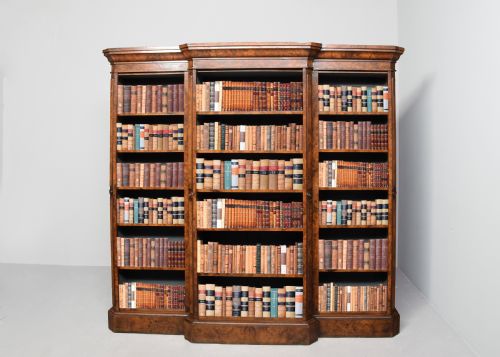
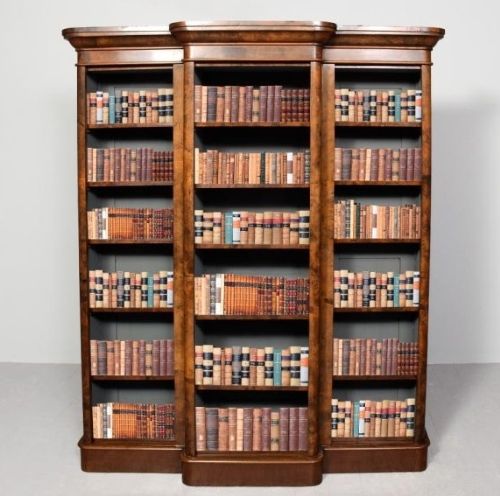
A victorian section bookcase brings substantial capacity to a room through modular parts that stack or align side by side. These pieces range from early to late nineteenth century forms, encompassing breakfront configurations and open shelf designs.
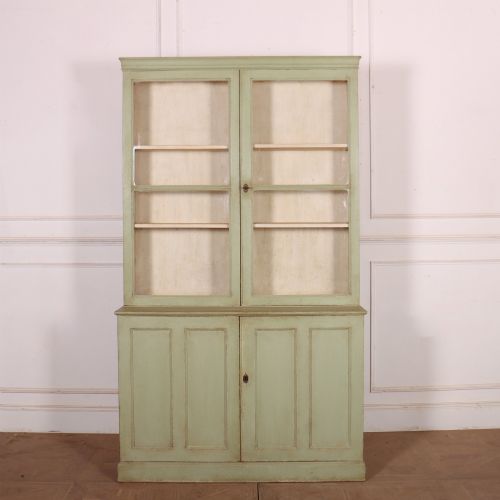
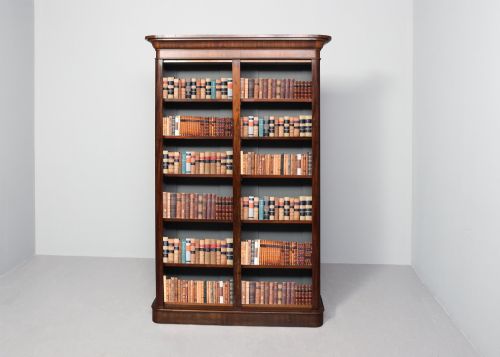
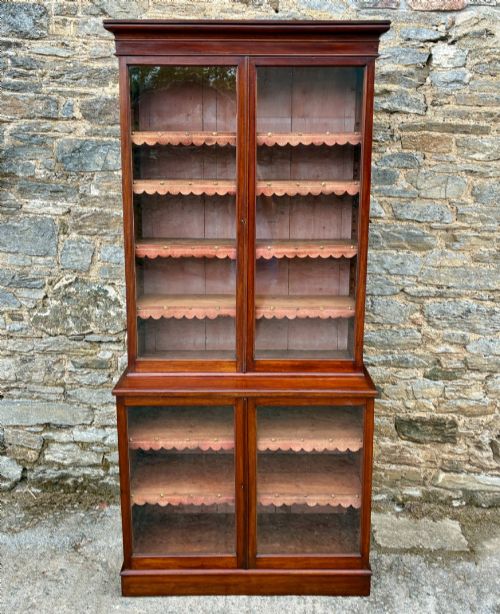
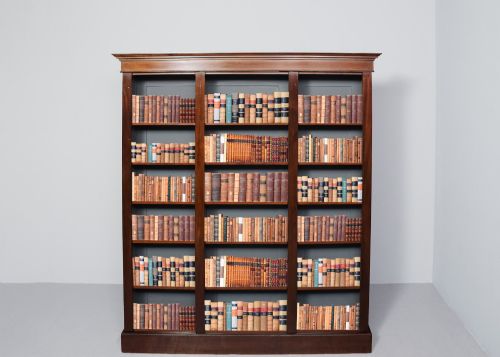
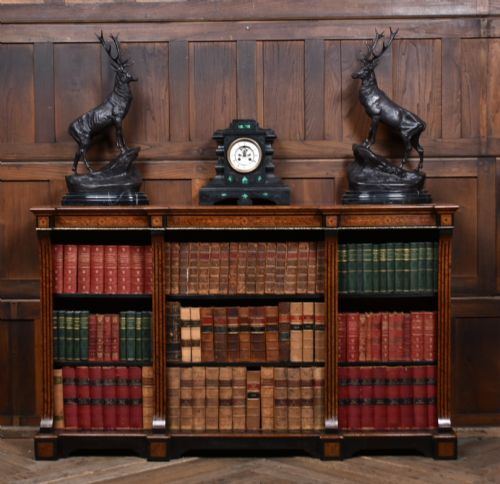
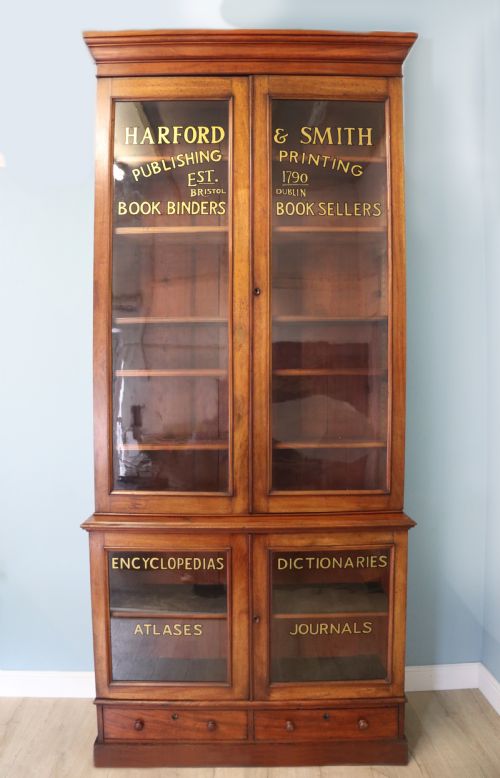
Most examples met on this page span the mid to late Victorian eras, frequently employing three-section layouts with adjustable timber shelving. Formats vary from open bookcases to glazed cabinets and specialised lawyer book troughs.
Styles stretch beyond strict Victorian to include Arts and Crafts interpretations and Georgian Revival influences, alongside pieces designed by Sir Charles Barry. Mahogany, burr walnut, and birdseye maple dominate the structural forms.
Judging Quality and Craftsmanship
Superior examples display exceptional grain selection in burr walnut, flame mahogany, or birdseye maple veneers. The choice of timber sets the visual standard for the entire piece.
Refined craftsmanship shows in the execution of breakfront proportions, clean inlaid lines, and the smooth operation of adjustable shelving. Superior surface finishes preserve a mellow colour and distinct patina.
Victorian Section Bookcase Retail Price Guide 2026
Typical asking prices for victorian section bookcase among the pieces listed under this phrase on Sellingantiques today, from the lower quarter to the upper quarter. They describe what is for sale here now, not the wider market.
Current listings feature materials ranging from mahogany and burr walnut to birdseye maple, ebonised wood, brass, and glass.
The Victorian Section Bookcase Glossary
- Breakfront
- A cabinet design where the central section projects forward from the flanking wings. This configuration creates architectural depth in large library rooms.
- Burr Walnut
- A timber harvested from walnut tree growths, valued for its swirling, highly figured grain patterns. Cabinetmakers used it for decorative veneering on high-status furniture.
- Adjustable Shelves
- Shelving supported by movable pins or racks rather than fixed dado joints. This mechanism allows a library to accommodate books of varying heights.
- Parcel-Gilt
- A decoration technique where portions of an object are partially gilded with gold leaf. It highlights carved details against an ebonised wooden background.
Victorian Section Bookcase: Frequently Asked Questions
How do I install a multi-section bookcase?
Sectional bookcases divide into manageable parts to ease transport and placement within a room. Each modular unit aligns alongside its neighbour to form a continuous library facade.
Ensure the floor is level so that breakfront sections meet evenly at the joints. Adjustable feet or shims may be required to prevent cabinet doors from binding.
Are the shelves adjustable on these bookcases?
Many nineteenth-century open bookcases feature removable timber shelves supported by adjustable pins. This adaptability suits collections containing volumes of diverse sizes.
Inspect the interior uprights for the rows of original peg holes or ratchets. This system permits custom spacing tailored to your specific books.
What wood types should I expect to find?
Mahogany remains the predominant timber across these listings, appearing in plain, flame, and inlaid variations. Walnut and burr walnut also feature prominently in grander breakfront formats.
More unusual selections include amboyna, birdseye maple, and elm. Ebonised finishes and parcel-gilt details appear on select decorative cabinet pieces.
How do I date a Victorian bookcase?
Dating relies on stylistic shifts from early Victorian mahogany pieces to late Victorian inlaid Sheraton revivals and Arts and Crafts designs. Construction methods and secondary woods offer further clues to the decade of manufacture.
Architectural details like breakfront symmetry and the presence of adjustable shelving systems help narrow the period. Mid-century examples often favour figured burr walnut veneers.