





Victorian Seascape
A victorian seascape brings the dramatic power of the nineteenth-century coast directly into a room through oil paint or delicate watercolour.
Victorian Seascape
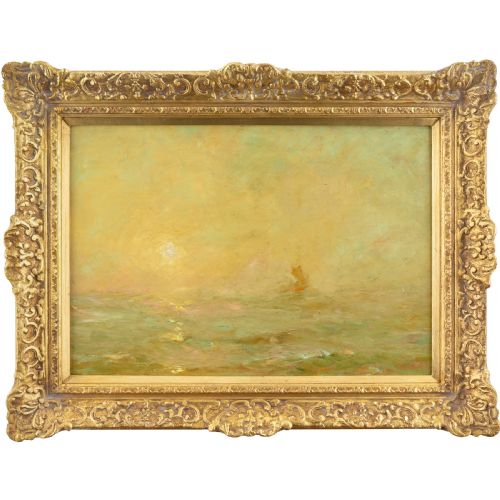
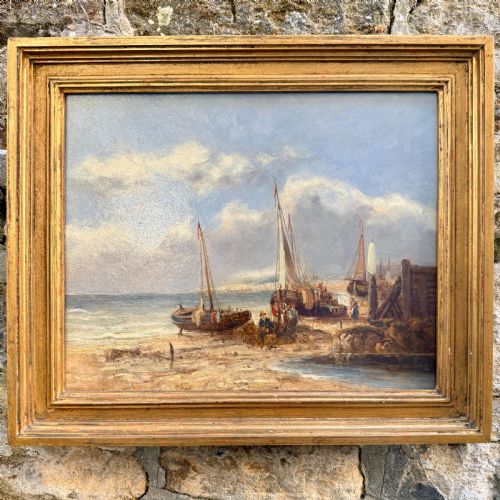
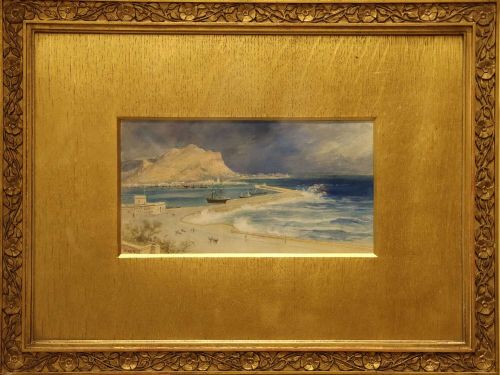
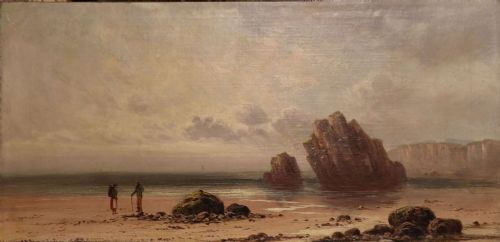
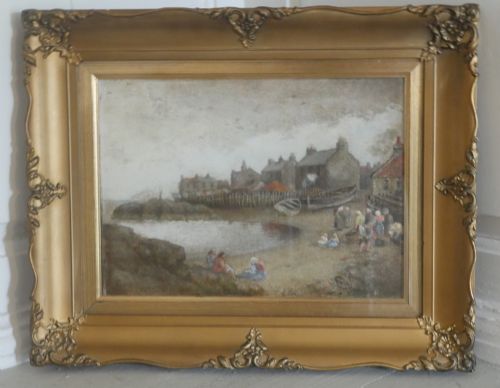
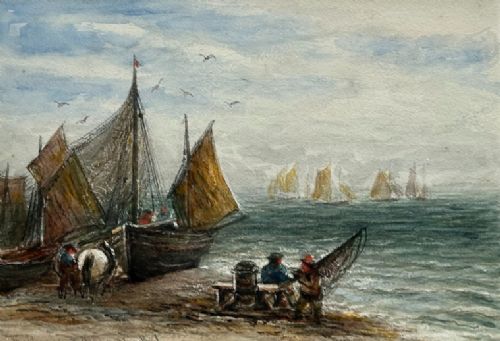
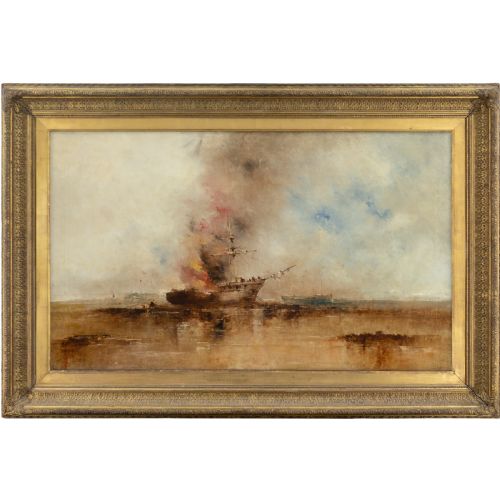
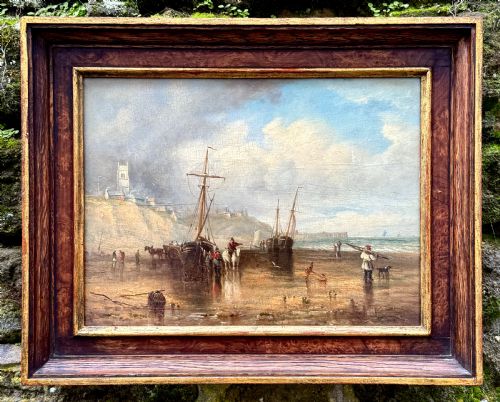
When searching for a victorian seascape, a buyer encounters a diverse record of nineteenth-century maritime life, bustling harbours, and turbulent coastal waters. These works capture specific locations from British and European shores, ranging from busy fishing ports to lonely rocky beaches.
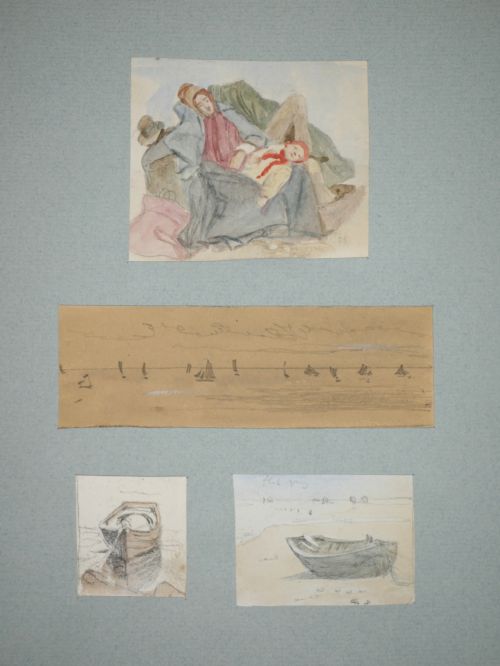
The most common formats on this page are oil paintings on canvas and board alongside works on paper. Many are housed in their original gilt wood frames, preserving the complete historical object from the period.
How They Were Made
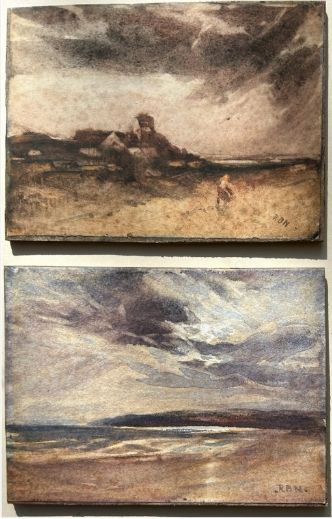
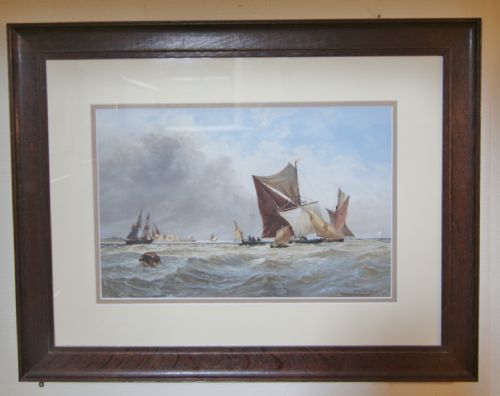
Artists of this era typically worked with oil paint on canvas or board, building rich textures to depict churning waves and dramatic skies. Alternatively, watercolour on paper allowed painters to capture the translucent light and atmospheric conditions of harbours and coastal inlets.
Presentation was integral to the creation of these pieces, with makers enclosing canvases in heavy gilt wood frames designed to enhance the depth and luminosity of the maritime scene.
Victorian Seascape Retail Price Guide 2026
Typical asking prices for victorian seascape among the pieces listed under this phrase on Sellingantiques today, from the lower quarter to the upper quarter. They describe what is for sale here now, not the wider market.
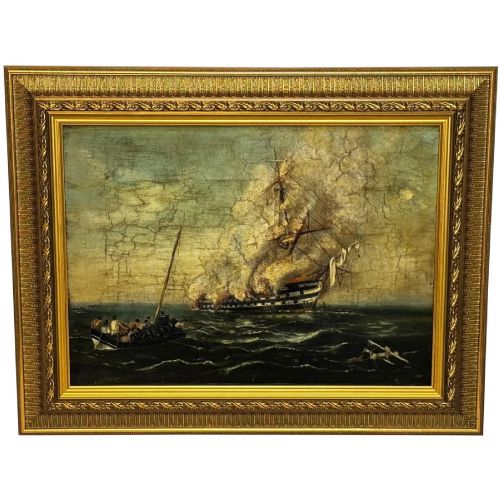
Several artists preferred painting stormy seas, ensuring their maritime canvases capture plenty of salt spray and dramatic wind.
What Varies in Quality
The distinction between standard works and exceptional pieces lies in the artist's ability to render movement, light, and atmosphere convincingly. Superior paintings demonstrate a confident handling of water and weather, whereas lesser examples rely on rigid composition and flat brushwork.
The survival of the original gilt wood frame significantly influences the integrity of the piece. Works that retain their period framing offer a more complete representation of nineteenth-century artistic presentation.
Robert Buchan Nisbet·James Orrock·William Banks Fortescue·John Rose Miles·Francis Moltino·Hector Caffier·Thomas Creswick·T B Hardy·John Wilson Carmichael·Lai Fong·Joseph Farquharson·John Moore of Ipswich·Nicholas Condy·William Henry Williamson·John Holland·Bernard Benedict Hemy·George Stanfield Walters·Abraham Hulk I·Henry Barlow Carter
The Victorian Seascape Glossary
- Seascape
- A work of art depicting the sea, coastal views, ships, or harbour scenes. These compositions focus primarily on maritime subjects rather than inland topography.
- Oil on Canvas
- A traditional painting technique where pigments bound in oil are applied to a woven fabric support. This method permits rich colour blending and textured brushstrokes.
- Watercolour
- A painting method where fine pigment powders are suspended in a water-based solution and applied to paper. It yields translucent washes of colour well suited to atmospheric marine sketches.
- Gilt Wood
- Wood carved and coated with a thin layer of gold leaf or metallic gilt finish. It serves as the standard period framing material for nineteenth-century fine art.
- Maritime Art
- Fine art that depicts or draws inspiration from the sea, ships, and coastal life. This broad genre encompasses historical naval battles, merchant shipping, and local fishing fleets.
Victorian Seascape: Frequently Asked Questions
What subjects appear in these paintings?
The compositions record British and European coastal views, bustling harbour scenes, and stormy seas. Artists frequently painted local fishing vessels, merchant ships, and dramatic rock formations along the shore.
Specific locations range from domestic fishing ports like St Ives and Scarborough to international harbours such as Venice and Palermo. Naval subjects and historical maritime rescues also feature prominently among the works.
How do I care for a nineteenth-century painting?
Keep the artwork away from direct sunlight and sources of extreme heat to prevent the canvas or paper from drying out. Maintaining stable room humidity protects both the paint layer and any original wood frame.
Dust the surface gently with a soft, dry brush and avoid using liquid cleaners on the paint or gilt surfaces. Professional conservators should handle any deeper cleaning or canvas repairs.
Are these works signed by the artist?
Many of the paintings and watercolours on this page feature artist signatures, initials, or contemporary inscriptions. These markings help attribute the work to specific nineteenth-century painters and regional schools.
Unsigned pieces often display distinct stylistic traits that link them to particular schools of maritime art or contemporaneous circles of painters. Attribution is typically established through technique, subject matter, and historical records.
What defines a Victorian marine painting?
These works reflect the nineteenth-century fascination with maritime trade, naval power, and coastal industry. Painters sought to capture the raw power of the sea alongside the daily toil of fishermen and sailors.
The use of rich oil paints or fluid watercolours distinguishes the period, often paired with elaborate gilt wood frames that reflect nineteenth-century taste in interior display.