
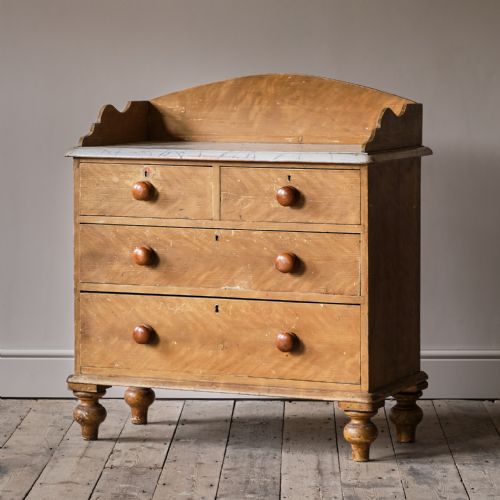
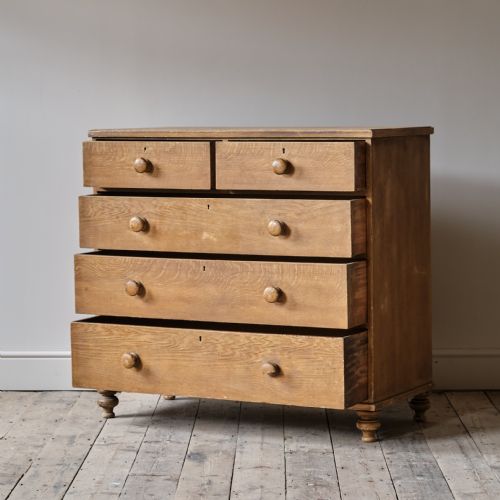
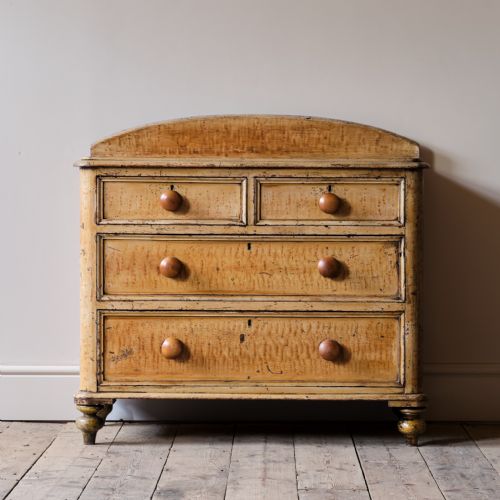
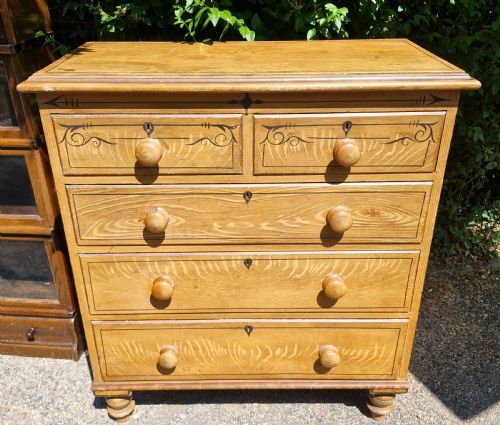
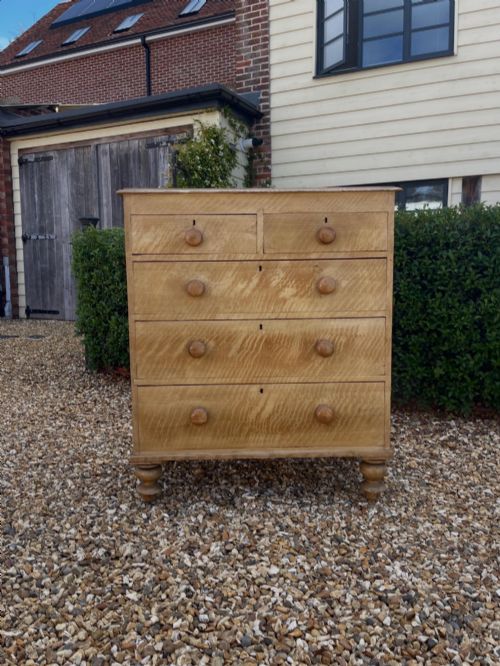
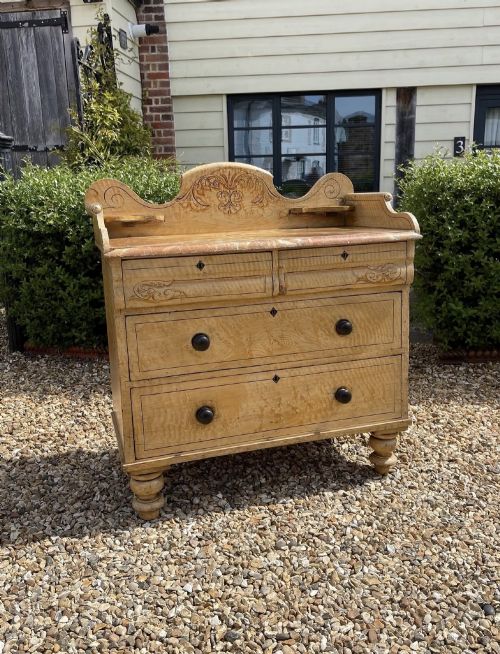

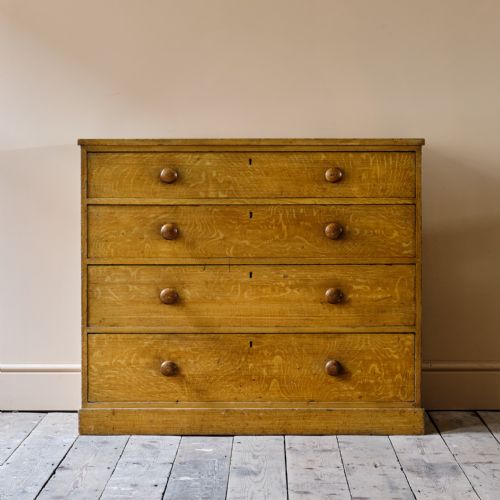


Victorian Scumbled Pine Dresser
These robust victorian scumbled pine dresser pieces offer honest domestic utility and characterful painted surfaces that anchor a room.
Victorian Scumbled Pine Dresser
A victorian scumbled pine dresser brings traditional domestic storage into modern interiors through substantial forms such as kitchen dressers, dresser bases, housekeeper cupboards and chests of drawers. Most examples date from the nineteenth century, specifically between the decades of 1870 and 1890, showing regional variations like West Country and Scottish origins.
Buyers searching for a victorian scumbled pine dresser will frequently encounter related painted pine storage furniture including washstands and kitchen dressers alongside the core dresser bases. These items generally display robust vernacular construction intended for practical daily use in country houses and farmhouses.
Materials and construction
Makers constructed these pieces using solid pine timber, incorporating glass, brass, iron and ceramic hardware details where functional. Joinery relied on straightforward traditional methods suited to workshop production in the nineteenth century.
The defining decorative technique is scumbling, where artisans applied layers of paint and manipulated the wet topcoat using combs, feathers or brushes to simulate the grain of more costly hardwoods. This painted finish was sealed directly onto the softwood base to provide both decoration and protection.
A nineteenth-century painter's wrist movement lives on inside every combed grain.
Assessing quality in painted pine
Quality rests primarily on the preservation and skill of the original scumbled paint finish, with superior pieces showing complex graining effects and minimal later intervention. The depth of the decorative glaze and the retention of authentic painted surfaces separate standard utilitarian items from finer examples of folk art.
Proportional balance and structural integrity also dictate worth, as heavier vernacular cupboards and large kitchen dressers require sound timber frames to support daily use. Pieces that retain their original brass or iron fixtures without extensive timber replacement command greater appreciation.
The Victorian Scumbled Pine Dresser Glossary
- Scumbling
- A decorative painting technique involving a translucent topcoat manipulated over a lighter base colour to imitate wood grain. This process creates the distinctive mottled pattern seen on nineteenth-century country furniture.
- Dresser base
- The lower section of a kitchen dresser featuring cupboards and drawers without the upper plate rack. These sturdy items function independently as sideboards in contemporary rooms.
- Housekeeper cupboard
- A large tall storage cabinet traditionally utilised in large domestic properties for linen and dry goods. These imposing pieces represent utilitarian nineteenth-century joinery at its most robust.
- Washstand
- A specialised low chest or table designed to hold a basin and jug for personal washing. They frequently share the same pine construction and painted finishes as larger kitchen dressers.
- Vernacular furniture
- Domestic items made by local tradesmen rather than urban cabinetmakers, prioritising utility and local materials over fashionable academic styles.
Victorian Scumbled Pine Dresser: Frequently Asked Questions
What is scumbled paint?
Scumbling is a decorative technique where a darker translucent glaze is applied over a paler base colour and worked with tools to mimic costly timber grain.
Craftsmen in the nineteenth century used this method on plain pine to create an affordable yet decorative finish for domestic furniture.
How do I clean a painted pine dresser?
Dust surfaces gently with a dry, soft cloth and avoid chemical cleaning agents that can soften historic paint layers.
Preserving the original nineteenth-century surface requires minimal moisture and careful handling of the fragile decorative glaze.
Where were these pieces used?
Kitchen dressers and housekeeper cupboards originated in farmhouses, country houses and rural cottages for storing provisions and crockery.
Their practical designs ensured they served as hard-working furniture in the busiest parts of the historic home.
Are all these dressers Victorian?
The listings span the nineteenth century, including specific pieces dated to the 1870s, 1880s and 1890s under the broader Victorian umbrella.
Makers followed traditional rural patterns throughout this period, meaning construction styles remained consistent across the decades.