
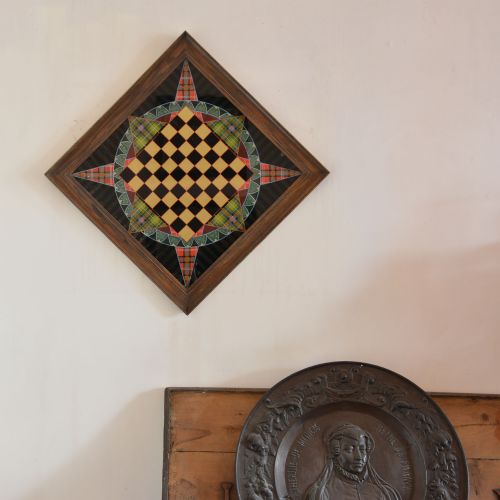


Victorian Scottish Folk Art
Victorian Scottish folk art brings tactile domestic objects and rural curiosities into the home, prized for their genuine local character and handmade individuality.
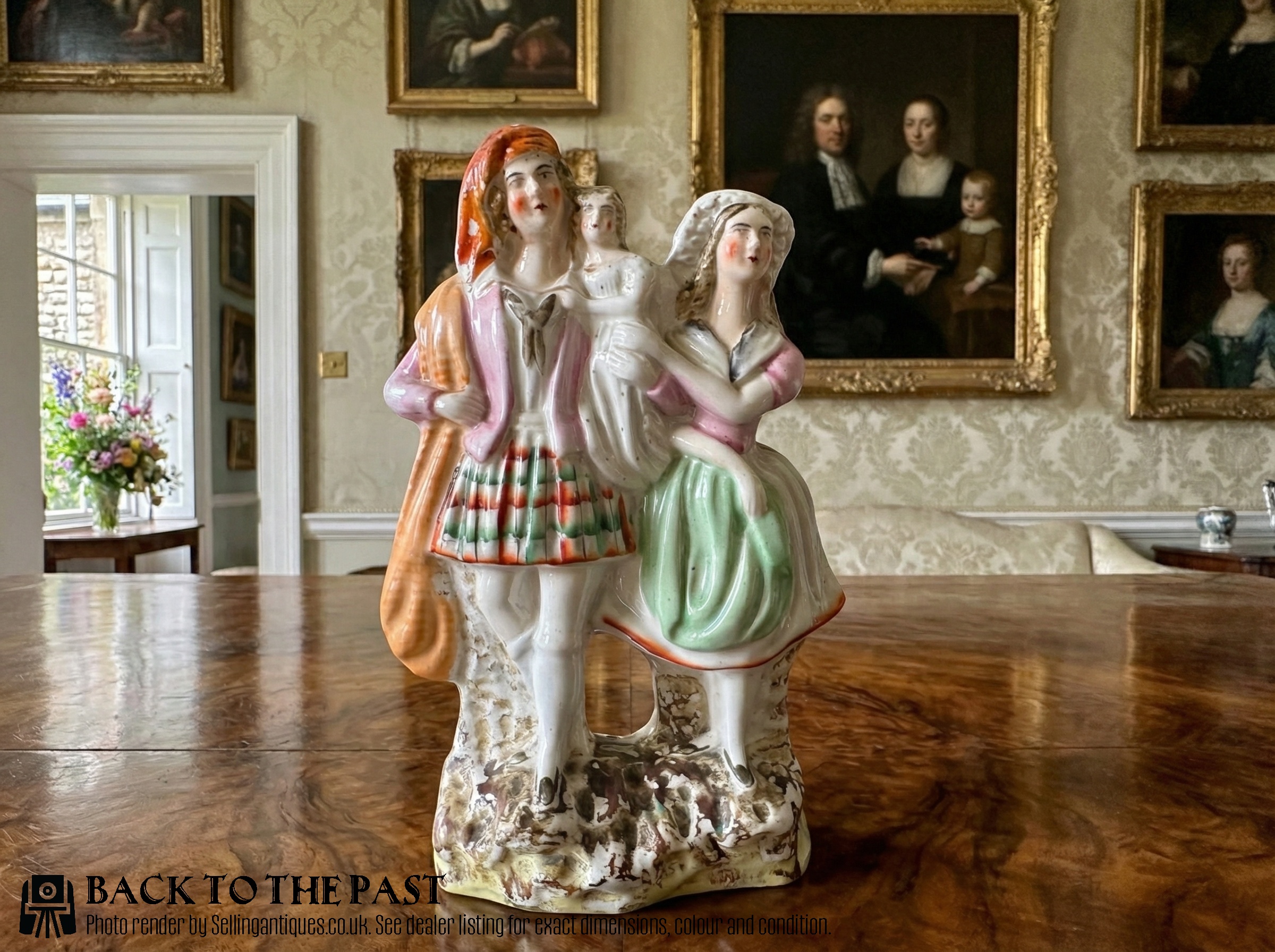
Victorian Scottish Folk Art
Victorian Scottish folk art encompasses a varied range of handmade domestic objects, practical utensils, and decorative pieces rooted in nineteenth-century rural traditions. These items capture everyday Scottish life through vernacular forms made for practical use or local trade.
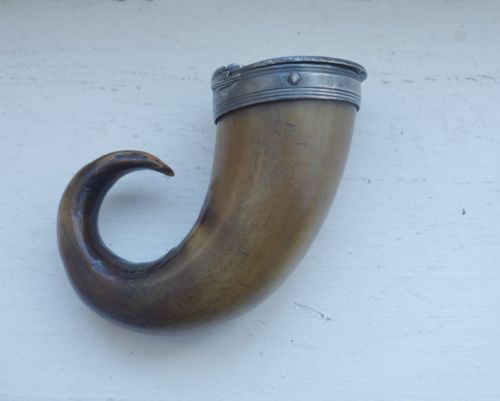
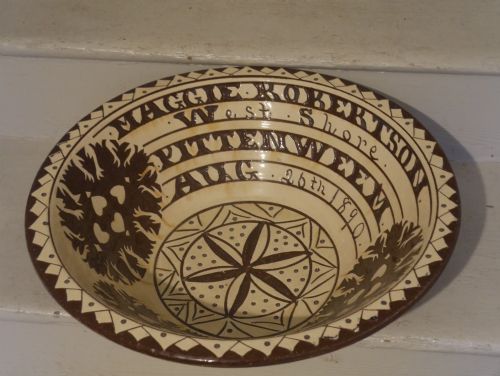
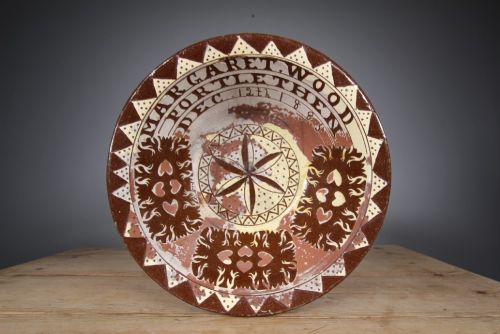
Buyers frequently encounter everyday utilitarian items such as horn snuff mull boxes, carved wooden bannock turners, and games boards alongside earthenware vessels from regional potteries. Earthenware dairy bowls and slipware bowls represent the domestic pottery output of this period.
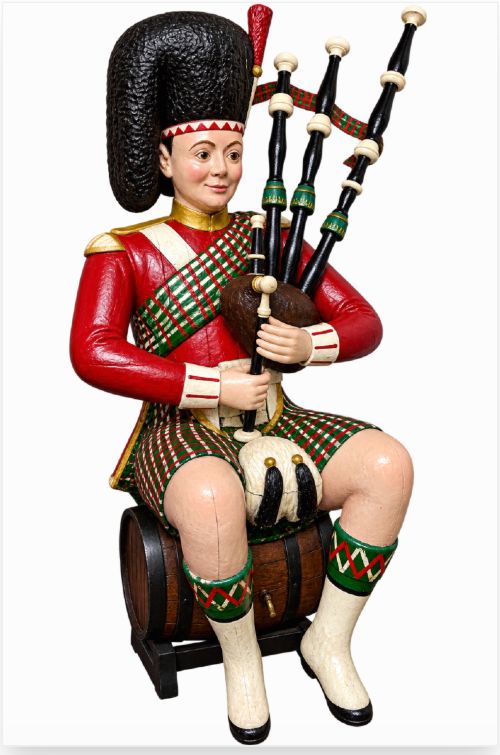
Figurines and wall plaques, including Portobello pottery figures and tradesmen's figures like the Highland bagpiper, illustrate the sculptural side of these vernacular traditions. Oil paintings depicting Scottish fisher folk add a pictorial record of the communities that produced these pieces.
How they were made
Makers utilised readily available local materials, shaping natural horn into snuff mulls and cribbage boards while carving wood for kitchen utensils and games boards. Animal horn and timber required straightforward hand tools and traditional shaping methods.
Potters shaped earthenware bodies on the wheel or in moulds, finishing the vessels with lead glaze, slip glaze, or polychrome paint. Portobello and Seaton potteries produced utilitarian bowls and commemorative plaques using these standard regional ceramic techniques.
A staghorn cribbage board provides a tactile reminder of fireside evenings spent keeping score with bone pegs.
What varies in quality
Quality rests in the directness of the carving and the strength of the vernacular form, where confident handling elevates simple materials into engaging objects. Pieces that retain their original surface texture and unblemished natural grain show superior craftsmanship.
Seaton Pottery·Portobello Pottery·James G Faulds
The Victorian Scottish Folk Art Glossary
- Snuff Mull
- A pocket container used for holding powdered tobacco, typically fashioned from animal horn in Scottish traditions. These containers often feature hinged lids and metal mounts.
- Bannock Turner
- A flat wooden kitchen utensil designed for baking oatcakes or flatbreads on a griddle. They display simple, practical carving suited to domestic chores.
- Slip Glaze
- A liquid clay mixture applied to pottery before firing to impart a smooth, coloured surface. It provides both decoration and a functional waterproof coating on earthenware bowls.
- Portobello Pottery
- Earthenware manufactured in the Portobello district near Edinburgh during the nineteenth century. The kilns produced utilitarian vessels, plaques, and figures.
- Reverse Glass Painting
- An artistic technique where the image is painted directly onto the back of a glass panel and viewed from the front. This method creates a glossy, protected surface often seen on game boards.
Victorian Scottish Folk Art: Frequently Asked Questions
What materials are common in this folk art?
Makers used natural animal horn, carved wood, and local earthenware clay for these domestic items. These substances were readily available in nineteenth-century rural workshops.
Pottery pieces often feature lead glaze, slip glaze, or polychrome paint decoration. Horn and wood objects rely on the natural grain and texture of the raw material.
How were horn snuff mulls used?
Owners carried horn snuff mulls in their pockets to hold and dispense pinches of powdered tobacco. They served as personal everyday accessories for men and women.
The hinged lids kept the dry contents secure during outdoor work or travel. Their robust construction ensured they withstood daily handling.
What is a bannock turner?
A bannock turner is a flat wooden paddle used in Scottish kitchens for flipping oatcakes or flatbreads on a hot girdle. Their simple shapes reflect practical domestic needs.
Carpenters and household members carved them from local timber using basic hand tools. Their survival shows the preservation of everyday vernacular kitchenware.
How do I identify Portobello figures?
Portobello figures are nineteenth-century earthenware pieces produced by potteries near Edinburgh. They often depict notable local characters, animals, or commemorative subjects with hand-painted details.
These ceramic items display characteristic lead glazes and primitive modelling styles. Their rustic charm sets them apart from factory-made Staffordshire ceramics.