
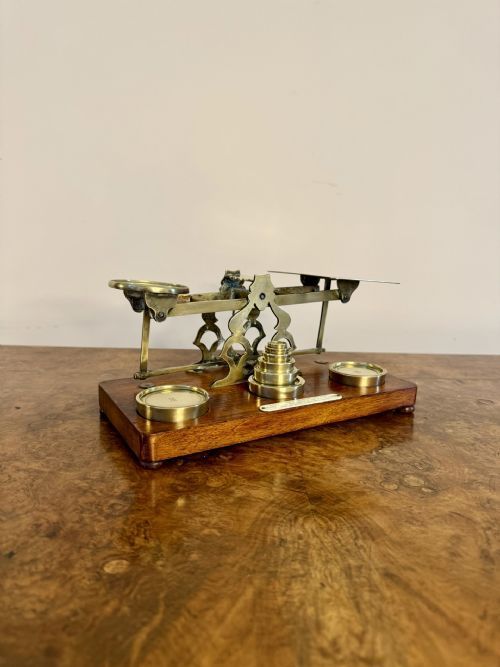


Victorian Scale Weights
Victorian scale weights provide tangible contact with nineteenth-century commerce, utilising brass and iron to balance daily trade and correspondence.
Victorian Scale Weights
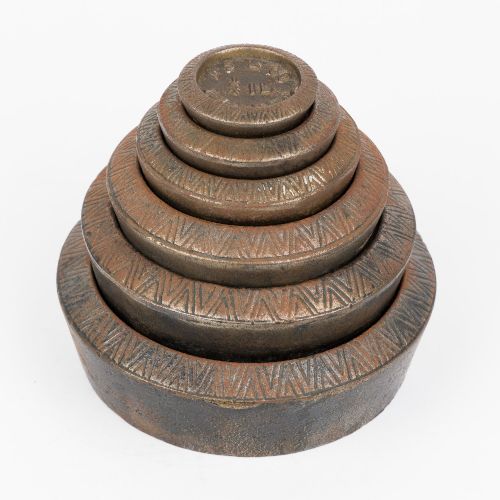
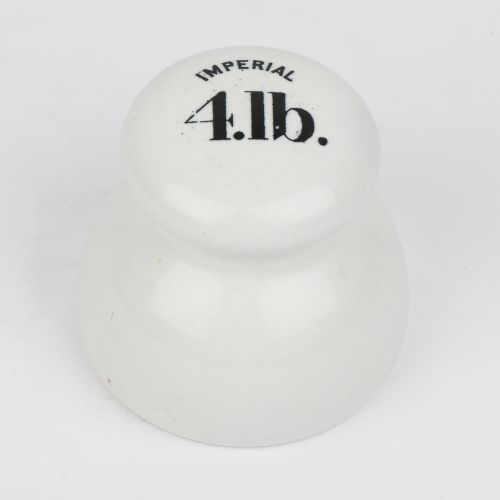
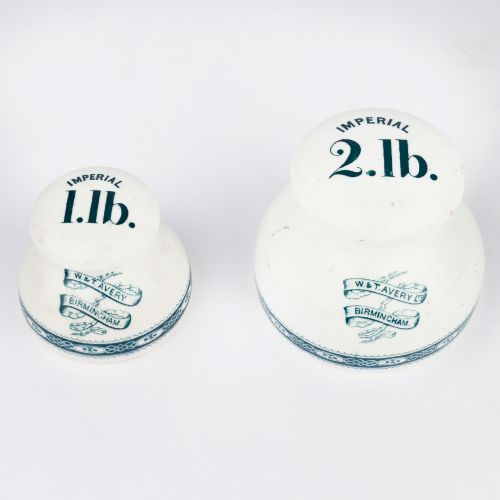
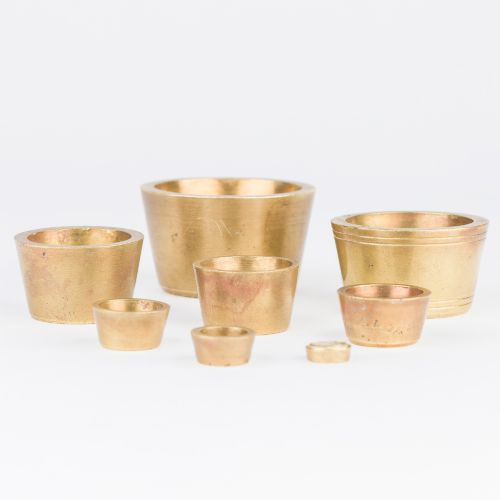
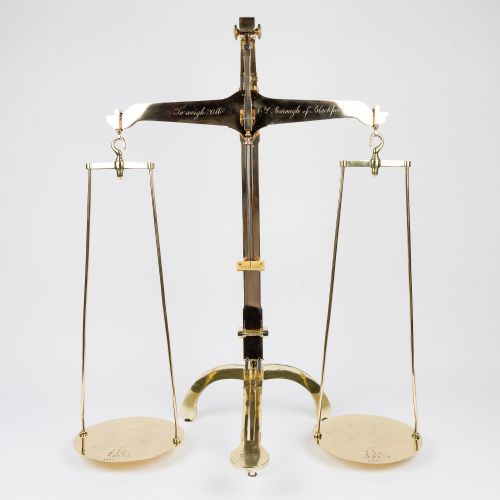
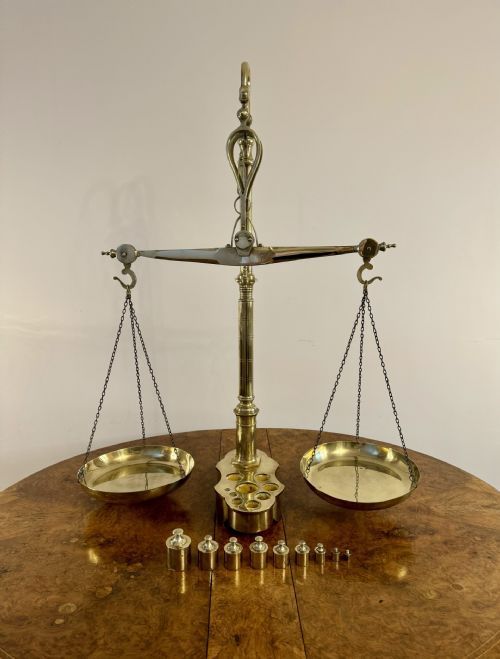
When you search for victorian scale weights, you encounter the solid metal standards used to verify trade, post, and provisions during the nineteenth century. These objects appear frequently as matching sets of brass imperial units, bell weights, or ceramic additions designed to sit beside postal and counter balances.
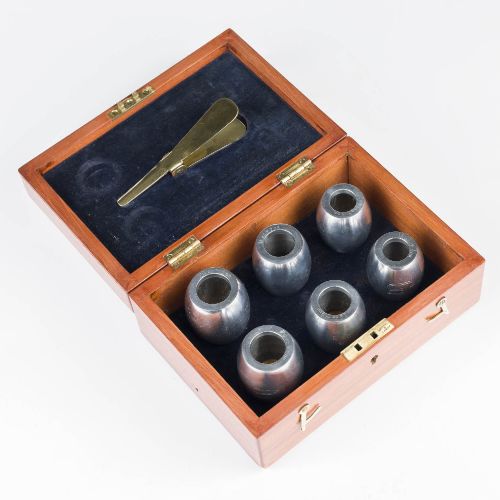
The selection ranges from small apothecary boxes holding Troy ounces to heavy sets stamped for regional boroughs and inspectors. Postal scales and grocers balances dominate the offerings, usually accompanied by their original stacking or block weights.
How they were made
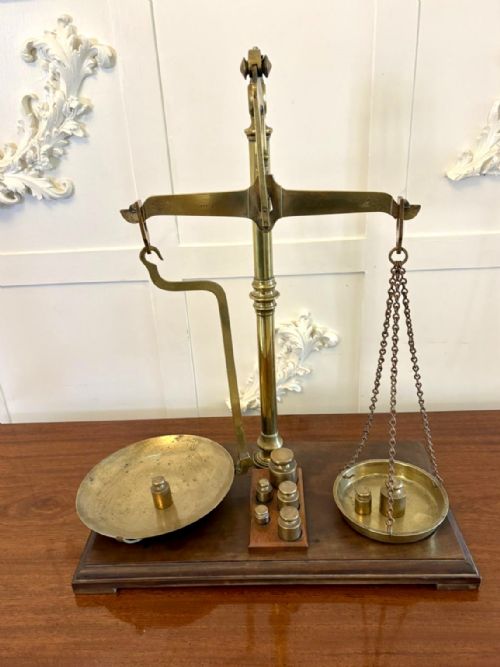
Makers relied primarily on cast iron and polished brass for the heavy components, combining these metals with wooden bases fashioned from mahogany, oak, or walnut. Individual pieces often incorporated fitted velvet linings inside original storage blocks to protect delicate denominations.
Foundries stamped or engraved these items with official verification marks, regional crests, and maker details to certify accuracy for public markets and post offices.
Listings feature brass, iron, mahogany, oak, and velvet across postal scales, apothecary sets, and grocers balances.
What varies in quality
Distinctions in quality rest on the clarity of official verification stamps and the completeness of matching sets. Surviving items retain their original fitted wooden blocks and unbroken sequences of denominations, whereas lesser examples show mismatched replacements or worn stampings.
The integration of fine timber bases, such as figured mahogany or walnut, alongside crisp brass casting elevates certain utilitarian pieces into sophisticated examples of period scientific hardware.
De Grave Short And Co·W And T Avery·S Mordan And Co·Day And Millward·Hunt And Co·Young And Son
The Victorian Scale Weights Glossary
- Bell weight
- A heavy brass counter weight shaped like a small bell with a vertical loop handle on top. These were commonly utilised on dairy, butcher, and grocers scales.
- Apothecary weight
- A precise standard used by pharmacists for measuring medicinal ingredients. These frequently include small Troy ounce denominations housed in original wooden block stands.
- Imperial standard
- An official measure of mass aligned with British government regulations. Many pieces bear regional borough stamps to confirm their legal status for trade.
- Beam scale
- A weighing device utilising a central pivot and balanced arms to determine mass. They often pair with sets of stacking brass weights.
Victorian Scale Weights: Frequently Asked Questions
How do I store heavy brass weights?
Keep them in a dry environment to prevent verdigris from forming on the brass surface.
Store complete sets within their original wooden blocks or velvet-lined compartments to avoid surface scratches.
Were these used in homes?
Many postal scales served in writing desks for weighing daily correspondence before dispatch.
Heavier formats remained strictly within shops, dairies, and official borough inspection offices.
What do the stamped marks mean?
Official stamps indicate regional verification by local authorities, such as county boroughs or inspectors.
Maker stamps identify the manufacturing foundry or scientific instrument firm responsible for the calibration.
Are wooden bases always mahogany?
Mahogany appears frequently on better quality postal and balance scales from the period.
Other examples utilise oak or walnut depending on the workshop and the intended commercial application.