
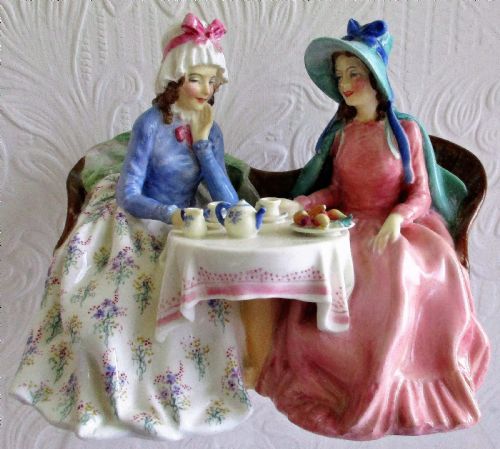


Victorian Royal Ceramic Statuette
These Victorian royal ceramic statuette pieces capture nineteenth-century portraiture and character study with remarkable detail.
Victorian Royal Ceramic Statuette
A victorian royal ceramic statuette represents figures, maidens, musicians, and historical or royal personages produced during the nineteenth century. Buyers searching this phrase encounter figures, porcelain figurines, and decorative statuettes originating from prominent English potteries. The pieces range from Staffordshire pottery royal portraits to elaborate Worcester models created by named designers.
How they were made
Specialised modellers sculpted complex forms such as maidens on stumps with lizards, cherubs with baskets, and orientalist water carriers. Pieces such as the Hadley designs required precise handling of clay bodies before firing and hand-painting.
Victorian households delighted in ceramic monks and mischievous satyrs peering from their mantelpieces, proving that nineteenth-century decor possessed a genuine sense of humour.
What varies in quality
The distinction between standard commercial output and exceptional pieces rests in the modelling depth and the precision of the hand-painting. Sculptural works designed by named modellers display finer anatomical proportions and more intricate facial expressions than generic factory figures. The application of gilding, enamel, and specialised metallic or blush finishes defines the visual richness of the surface.
Scale and ambition also differentiate the range, with large figures and complex multi-figure subjects demanding higher technical skill in firing and balancing. Well-preserved painted surfaces without rubbing or fading retain the intended aesthetic impact of the Victorian period.
Royal Worcester·James Hadley·Kerr and Binns·Royal Dux·Royal Doulton
The Victorian Royal Ceramic Statuette Glossary
- Majolica
- A type of colourful lead-glazed earthenware popular during the Victorian era. It often exhibits vibrant tones and naturalistic botanical or figural themes.
- Parian
- A fine white unglazed porcelain resembling marble, frequently used for nineteenth-century portrait busts and sculptural figures. It takes its name from Parian marble found in Greece.
- Staffordshire Pottery
- Earthenware produced in the industrial region of Staffordshire. Figures from this area often depict royalty, theatrical performers, and notable public figures for the domestic market.
Victorian Royal Ceramic Statuette: Frequently Asked Questions
What subjects do these statuettes depict?
The pieces portray royal personages like the Prince of Wales and Prince Albert alongside allegorical subjects, musicians, children, and orientalist figures. Sculptors drew inspiration from classical mythology, daily life, and contemporary portraiture.
Many figures tell a narrative story, such as water carriers, snake charmers, or figures struggling against the wind. Each subject reflects the Victorian interest in character studies and exoticism.
How are these figures displayed at home?
These ceramic works suit placement on mantelpieces, occasional tables, and inside glass-fronted cabinets where their detailed painting can be appreciated close up. Large pieces mounted on rustic bases serve as focal points on sturdy sideboards or pedestals.
Because glazed and painted surfaces benefit from stable indoor conditions, collectors generally keep them away from direct sunlight and areas of high moisture. Gentle dusting with a soft brush maintains the finish.
How do I identify the period?
Nineteenth-century pieces often bear factory marks, registration numbers, or impressed ciphers on the unglazed underside of the base. Stylistic clues such as Victorian classical revival or aesthetic movement motifs help narrow down the date.
Consulting manufacturer date codes and pattern numbers provides a reliable guide to the exact decade of production. Stylist signatures or modeller names incised into the clay offer further chronological markers.
Who created these ceramic figures?
Major English factories such as Royal Worcester and Staffordshire potteries produced the majority of these works. Individual designers and modellers, notably James Hadley, created specific sculptural models that bear their distinct artistic style.
Firms like Royal Dux and Royal Doulton also contributed European and later English porcelain statuettes to the broader tradition. Examining the base marks clarifies the specific workshop responsible.