

Victorian Rosewood Pedestal
These pieces of victorian rosewood pedestal furniture bring rich grain and solid proportions to a room, offering both practical surface space and traditional craftsmanship.
Victorian Rosewood Pedestal
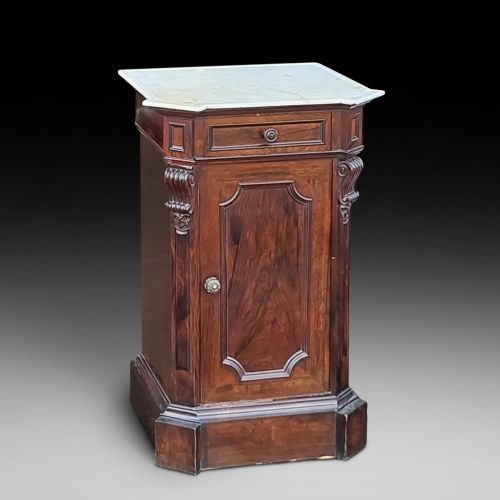
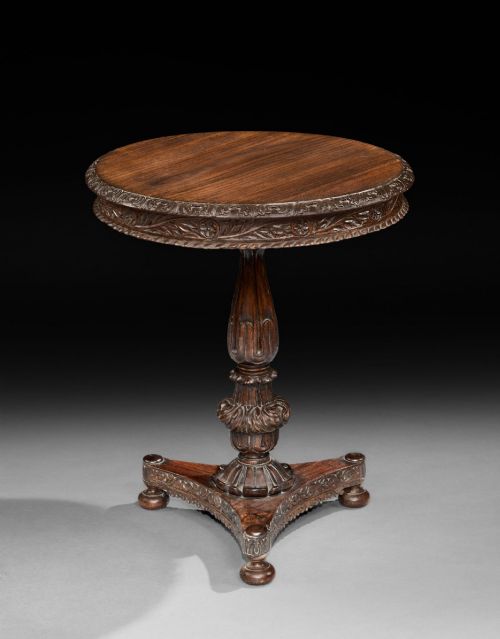
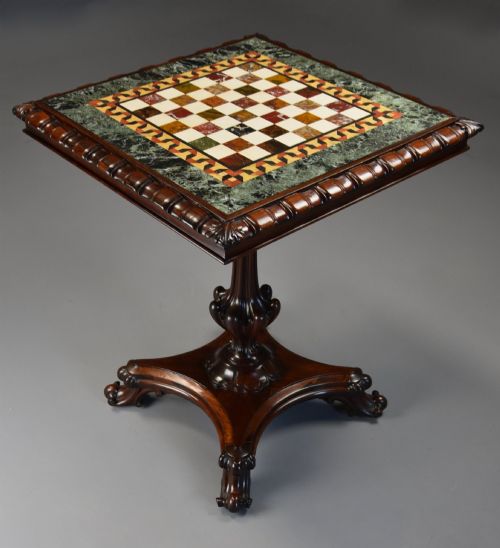
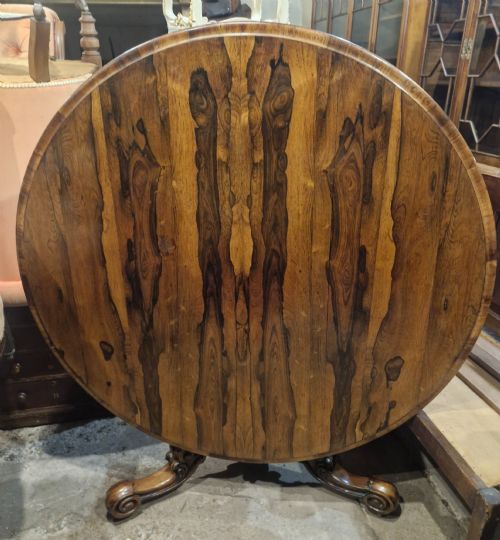
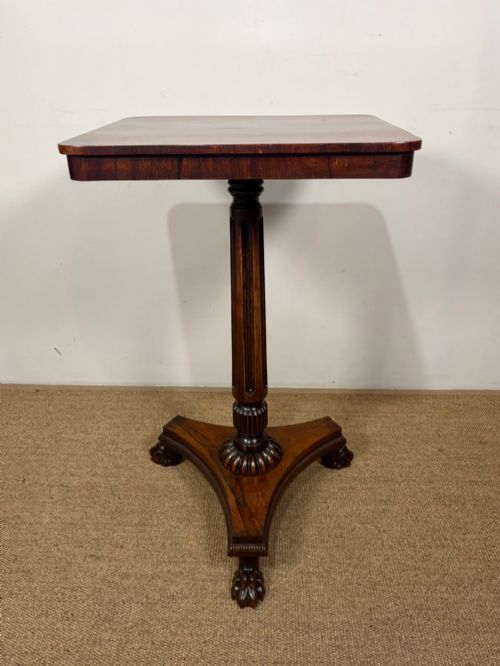
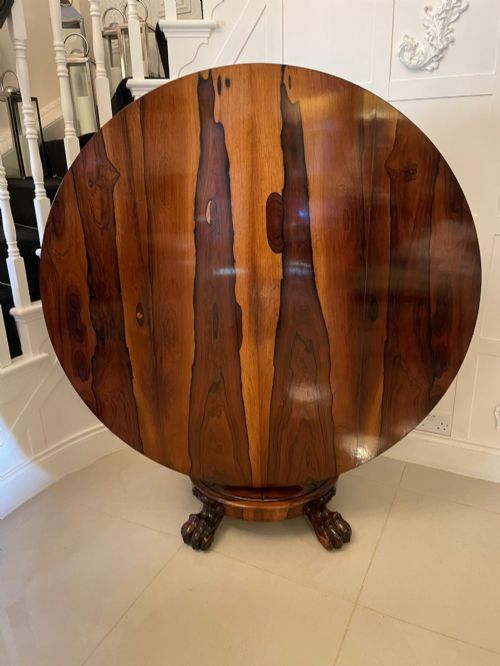
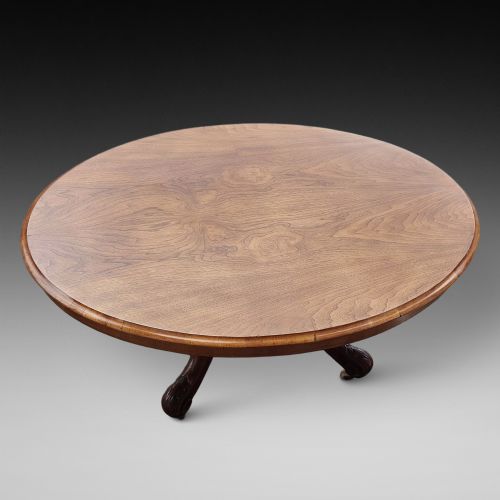
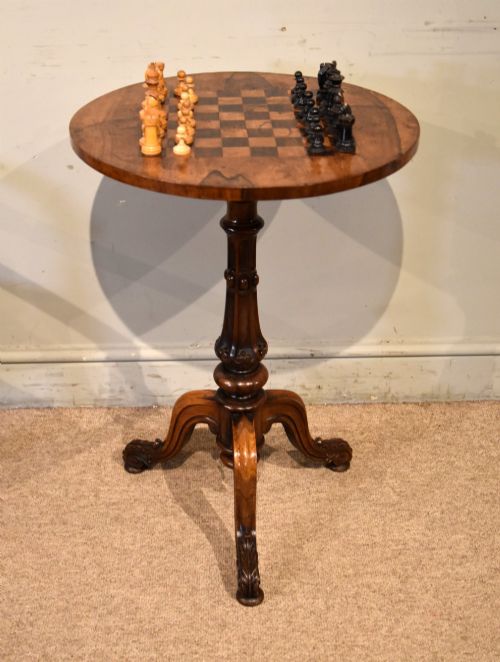
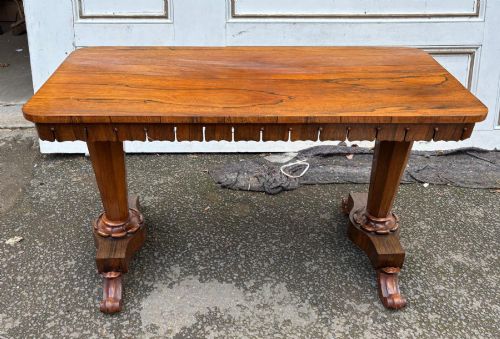
A victorian rosewood pedestal typically takes the form of a freestanding centre table, dining table, or games table supported by a central pillar and base. You will frequently encounter circular dining and lamp tables from the nineteenth century featuring tilt-top mechanisms or carved tripod supports.
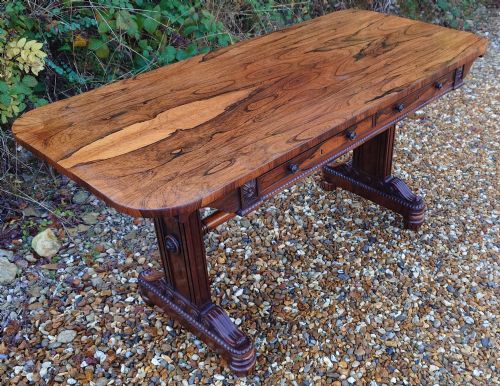
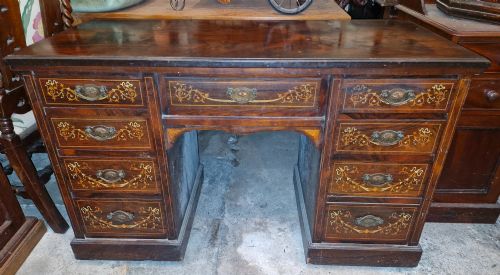
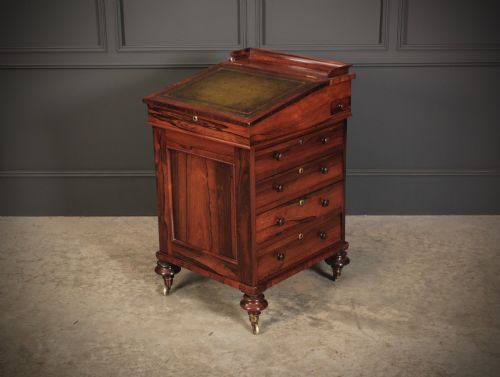
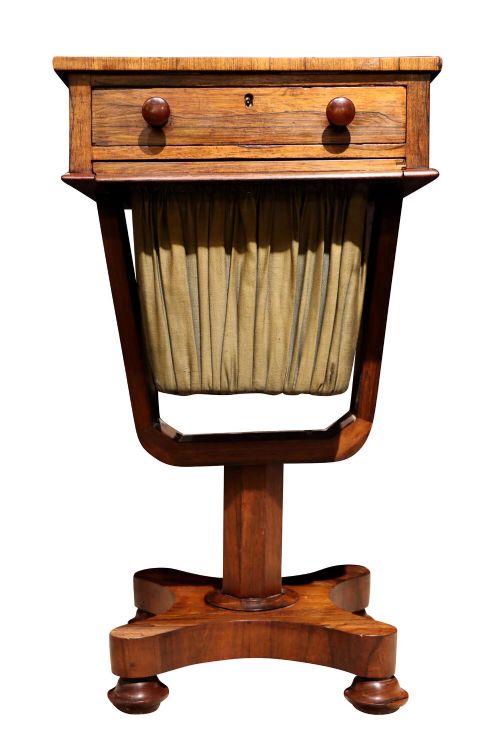
Beyond tables, the category encompasses desks such as davenports, writing tables, and sewing or work tables resting on central columns or pedestals. These items served specific domestic functions in nineteenth-century sitting rooms and libraries, combining enclosed storage with decorative presence.
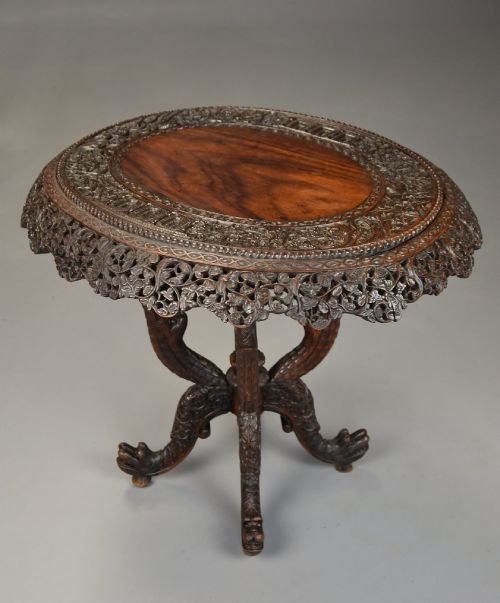
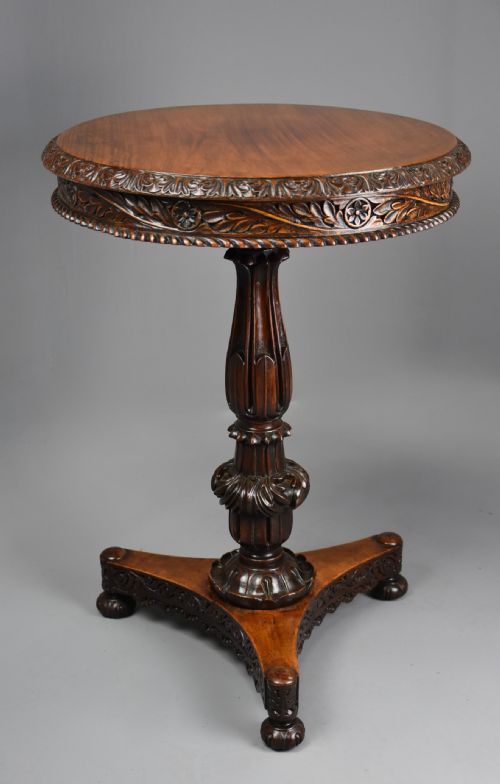
While many examples date directly from the Victorian era, related pieces from the William IV, Regency, and Georgian periods appear alongside Anglo-Indian variations. These cross-period designs share the characteristic dark timber pillar and sturdy footing that define the grouping.
Materials and construction
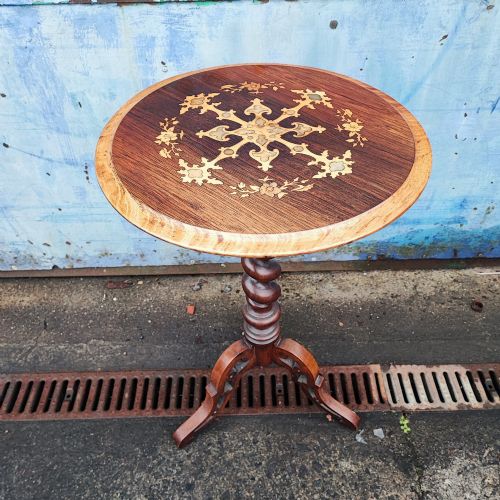
Cabinet makers utilised dense, richly figured rosewood for the primary surfaces and columns, often combining it with secondary timbers such as walnut, satinwood, and padouk. Selected pieces incorporate decorative inlays of bone, mother-of-pearl, and lighter woods to accentuate the borders and tabletops.
Structural stability relied on solid turned pillars fixed to tripartite or quadrupartite platform bases, sometimes fitted with brass castors. Table tops frequently featured tilt mechanisms allowing the surface to fold vertically when not in use.
Victorian Rosewood Pedestal Retail Price Guide 2026
Typical asking prices for victorian rosewood pedestal among the pieces listed under this phrase on Sellingantiques today, from the lower quarter to the upper quarter. They describe what is for sale here now, not the wider market.
The listings show pieces spanning the Georgian, Regency, William IV, and Victorian periods, constructed from rosewood, padouk, and walnut.
Distinctions in craftsmanship
The degree of hand-carving on the central pillar and base marks the distinction between standard production and finer workshops. Crisp, deep relief work in the solid timber indicates superior cabinet making.
The selection of rosewood veneer and solid stock dictates visual depth, where highly figured grain patterns and matched timber sections elevate a piece. Integrated secondary materials like specimen marble tops or intricate bone inlay further separate standard tables from exceptional examples.
T & G Seddon·Gillows·Mein of Kelso
The Victorian Rosewood Pedestal Glossary
- Rosewood
- A dense, heavy tropical timber prized for its dark purple-brown colour and contrasting black grain figures. It polishes to a smooth lustre that defines nineteenth-century cabinet work.
- Pedestal table
- A freestanding table supported by a single central pillar rising from a stable foot or plinth. This design maximises legroom around the perimeter of the top.
- Tilt-top
- A hinged tabletop mechanism that pivots ninety degrees to stand vertically against the central column. It enabled tables to be stored flat against walls when space was required.
- Davenport
- A compact writing desk featuring a sloping desktop above a bank of drawers. The writing surface is often lined with leather for a smooth workspace.
- Anglo-Indian
- Furniture made in the Indian subcontinent during the British period, often featuring elaborate carved foliage and exotic timbers such as padouk. These pieces combined traditional British forms with local woodworking techniques.
Victorian Rosewood Pedestal: Frequently Asked Questions
What is a pedestal table used for?
These tables served various domestic purposes including dining, playing games, or displaying lamps and decorative objects.
Their central pillar design allowed users to sit around the perimeter without obstruction from corner legs.
How do I identify a Victorian piece?
Nineteenth-century items typically display deep-coloured rosewood timber, hand-carved pillars, and traditional joinery methods.
Details like brass castors, tilt-top mechanisms, and specific period hardware help distinguish them from later reproductions.
How do I care for rosewood furniture?
Keep the timber away from direct sunlight and steady heat sources to prevent the wood from drying out or splitting.
Regular dusting with a soft cloth preserves the natural polish without building up excess residue.