



Victorian Rose Gold Bangle
A victorian rose gold bangle carries the unmistakable warm hue of nineteenth-century jewellery, offering a tactile piece of history to wear daily.
Victorian Rose Gold Bangle
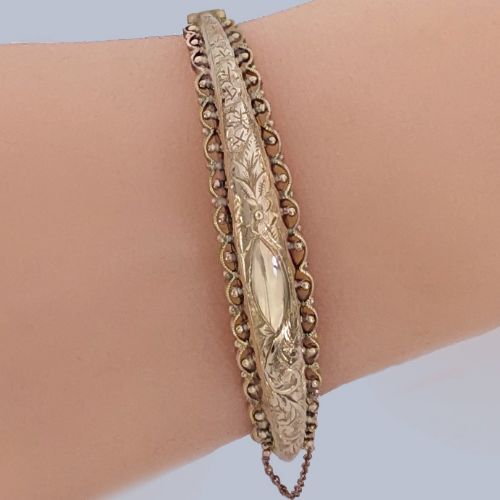
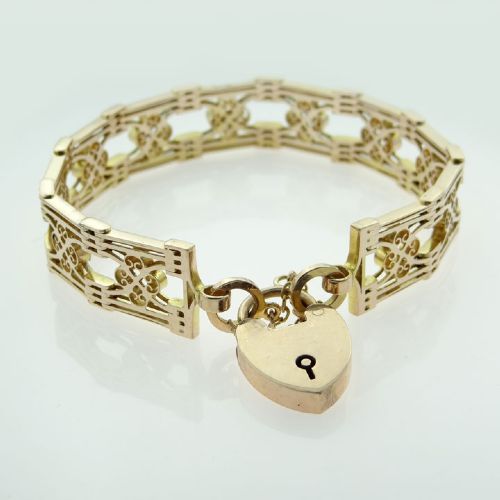
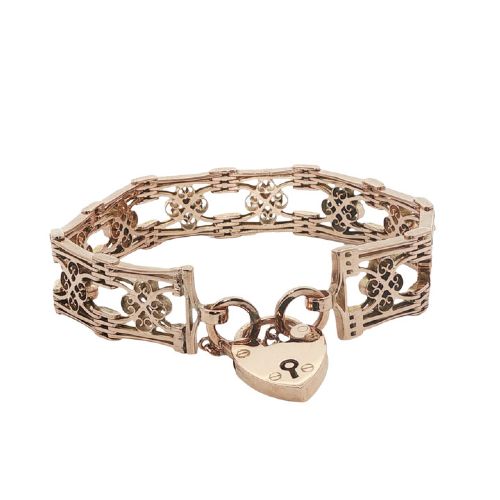
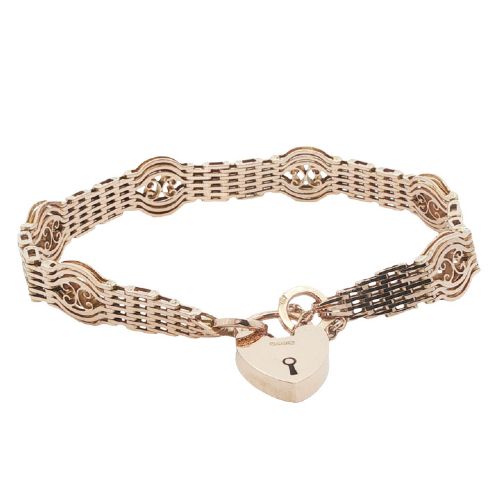
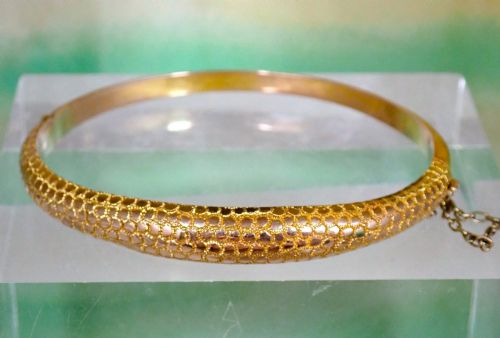
A victorian rose gold bangle brings together the characteristic reddish gold alloy of the nineteenth century and the solid hinged cuff or flexible gate bracelet formats of the era. Buyers seeking a victorian rose gold bangle will discover hinged solid cuffs alongside elaborate gate links secured with heart padlocks, reflecting the diverse domestic output of the period.
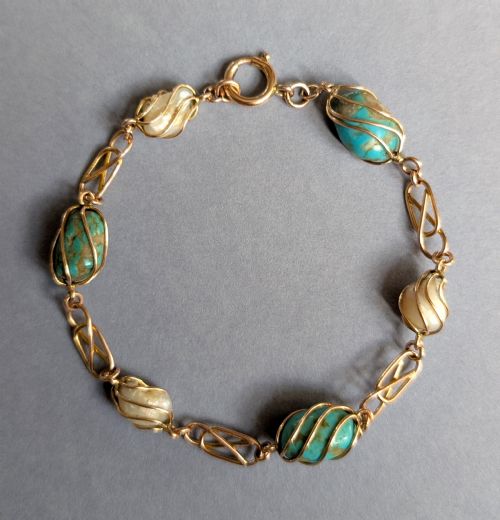
The materials paired with the gold define the specific character of these pieces, moving from plain polished surfaces to gem-set designs. Listings frequently combine rose gold with turquoise, seed pearls, diamonds, rubies, garnets, and opals, often arranged in floral motifs, lover's knots, or multi-stone rows.
While the label points squarely to the Victorian era, surviving examples span from the nineteenth century into the Edwardian years and the early twentieth century, including pieces dated to 1890, 1900, 1910, and 1920. This continuity shows how makers adapted traditional rose gold forms across several decades.
The markers of distinction
Quality rests in the structural integrity of the hinge and the security of the clasp mechanism, particularly on hollow gate bracelets and heavy cuffs where wear concentrates. Pieces that retain their original heart padlocks, safety chains, and uncompromised links command greater regard than those with replaced components.
The fineness of the gem-setting and the clarity of the chased or applied decorative motifs separate standard production from finer examples. Uniformity in the rose gold colour across all parts of the bangle and crisp hallmarks further indicate superior workshop origin.
Victorian Rose Gold Bangle Retail Price Guide 2026
Typical asking prices for victorian rose gold bangle among the pieces listed under this phrase on Sellingantiques today, from the lower quarter to the upper quarter. They describe what is for sale here now, not the wider market.
Several Victorian bangles feature secret heart padlocks that double as working clasps to keep your wrist securely locked in style.
Chauvet
The Victorian Rose Gold Bangle Glossary
- Gate bracelet
- A flexible bracelet formed of repeating parallel metal bars connected by central links, resembling a garden gate. This style often terminates in a heart-shaped padlock clasp.
- Rose cut
- An antique diamond cut featuring a flat base and a domed crown composed of triangular facets that rise to a point. It imparts a soft, subtle gleam rather than modern brilliance.
- Lover's knot
- A decorative motif formed by two interlaced strands tied in an overhand knot, symbolising affection and fidelity. It appears frequently on Victorian bangles in chased gold or applied wirework.
- Seed pearl
- A very small natural or cultured pearl, typically under two millimetres in diameter. Makers clustered these tiny pearls into floral patterns and starbursts.
- Aesthetic movement
- A nineteenth-century design philosophy that emphasised art for art's sake, resulting in asymmetrical motifs and stylised natural forms on jewellery and silver.
Victorian Rose Gold Bangle: Frequently Asked Questions
How do I wear an antique bangle daily?
These hinged cuffs and gate bracelets suit daily wear when treated with reasonable care, though delicate gem-set versions benefit from being removed during manual tasks.
Store them separately in a lined box to prevent scratching against other items in your collection.
What is rose gold?
Rose gold is an alloy created by combining yellow gold with a higher proportion of copper, which yields the distinctive pinkish or reddish tint seen in nineteenth-century pieces.
The specific hue varies slightly depending on the exact ratio of copper and other metals used in the alloy.
Can I date a piece without hallmarks?
Stylistic clues such as the presence of rose cut diamonds, specific motifs like lover's knots, and construction techniques help determine the age of unmarked items.
Comparing the form to hallmarked counterparts from the same decades provides a reliable guide to the period of manufacture.