



Victorian Rolled Gold
Victorian rolled gold pieces are resilient everyday accessories offering the warm lustre of solid metal without the immense cost, making them sought-after treasures for historical wear.
Victorian Rolled Gold
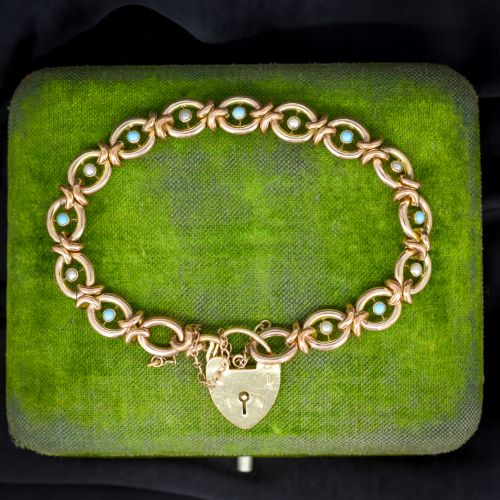
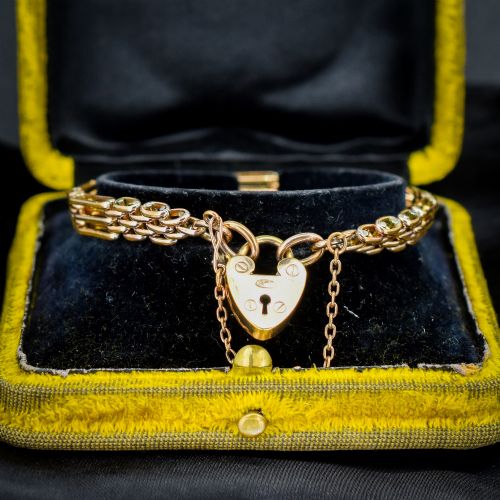
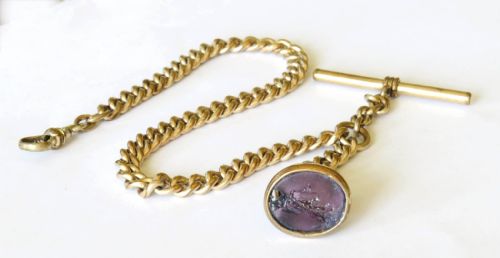
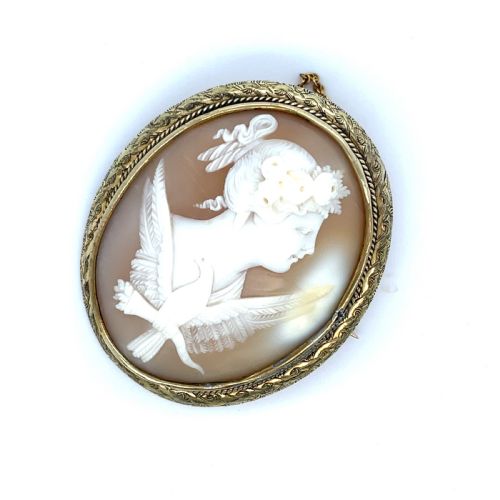
When you search for Victorian rolled gold, you encounter durable personal adornments and functional daily items from the late nineteenth and early twentieth centuries. These pieces encompass robust pocket watch chains, hinged bangles, padlocked charm bracelets, and hinged lockets designed for daily use.
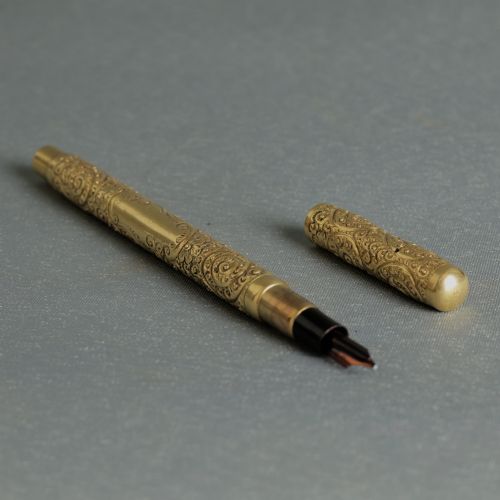
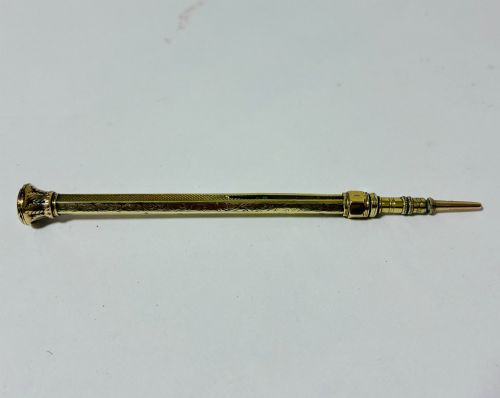
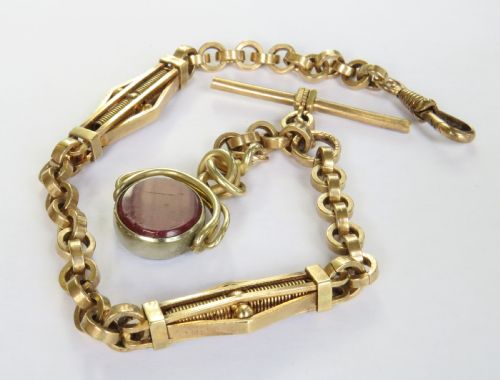
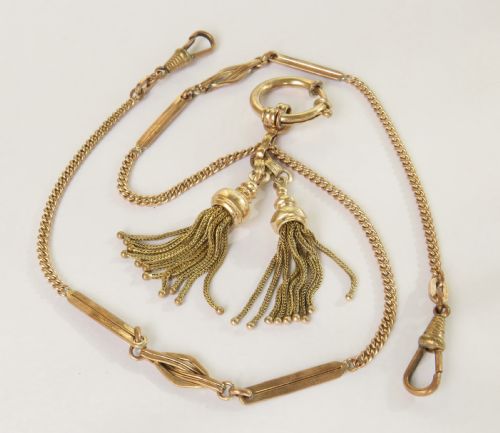
The objects frequently span adjacent eras, including Edwardian and Art Deco pieces alongside strictly Victorian items. Pocket watch chains, often termed alberts, dominate the selections alongside lockets and occasional writing instruments.
Many items incorporate decorative elements such as carnelian, enamel, glass, paste, pearls, and turquoise. These stones and pastes add colour and focal detail to the durable base metal foundations.
How they were made
Makers produced rolled gold by fusing a thin sheet of gold to a base metal core, often brass or copper, through heat and pressure. This mechanical bonding method created a thick layer of precious metal far superior to mere surface plating.
Craftspeople shaped the resulting composite metal into interlocking chain links, rigid bangles, and hollow locket cases. Artisans then embellished these forms through hand engraving, stone setting, and enamel inlay.
Victorian Rolled Gold Retail Price Guide 2026
Typical asking prices for victorian rolled gold among the pieces listed under this phrase on Sellingantiques today, from the lower quarter to the upper quarter. They describe what is for sale here now, not the wider market.
What varies in quality
Quality rests primarily on the thickness of the gold layer and the integrity of the mechanical core. Pieces retaining a substantial depth of gold withstand decades of friction without exposing the underlying metal.
Artisanal skill in the initial fabrication and subsequent hand decoration distinguishes finer examples. Superior items feature crisp engraving, secure box clasps, and well-matched decorative stones rather than cast or glued substitutes.
Mabie Todd Swan
The Victorian Rolled Gold Glossary
- Rolled gold
- A manufacturing method where a sheet of gold is mechanically fused to a base metal core. This technique provides greater durability than standard electroplating.
- Albert chain
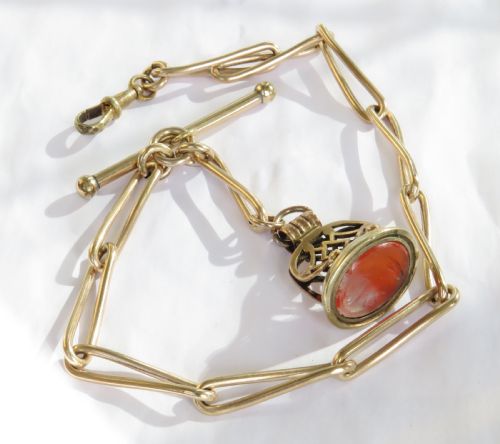
- A pocket watch chain designed to be worn across a waistcoat or attached to a belt. These chains often feature swivel fobs and T-bars.
- Padlock bracelet
- A popular bracelet style featuring a functional or decorative padlock clasp. They frequently incorporate fancy gate links.
- Paste
- Hand-cut lead glass used to imitate gemstones. In antique pieces, paste is meticulously set by hand into metal mountings.
- Intaglio
- A gem or seal carved into the surface so that the design sits beneath the flat plane. They were often used as wax seals on fob pendants.
Victorian Rolled Gold: Frequently Asked Questions
What is rolled gold?
Rolled gold is a durable composite material created by fusing a layer of gold to a base metal core using heat and pressure. This differs from simple plating because the bonded layer is significantly thicker and more resistant to wear.
Items made this way offer the appearance and longevity of solid gold items at a more accessible price point. The technique allowed nineteenth-century makers to produce robust everyday items like watch chains and lockets.
How do I wear a pocket watch chain?
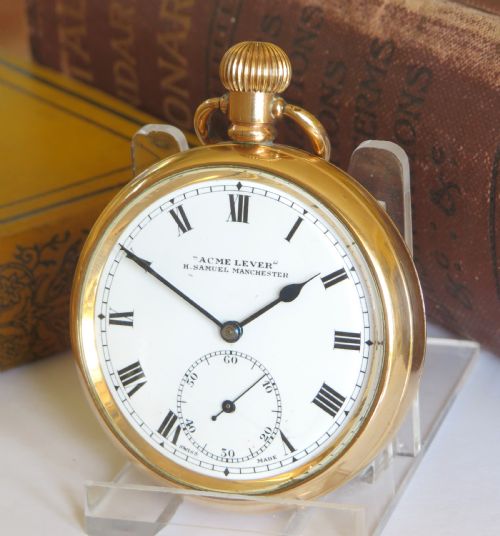
A pocket watch chain, or albert, was traditionally threaded through a waistcoat buttonhole with the watch secured in a pocket and a fob dangling below. Today, these versatile chains can be doubled and worn around the neck as a substantial necklace or wrapped as a bracelet.
Single alberts feature a T-bar at one end to anchor through cloth, while double alberts have drops on both sides. You can attach charms, lockets, or swivel fobs to the central drop.
Are these pieces solid gold?
No, these items are not solid gold throughout, though some listings denote carat measurements like 12ct or 18ct to describe the purity of the bonded gold surface layer. The core consists of a base metal for strength and structural rigidity.
This construction method provides the visual warmth of high-carat gold combined with the practical toughness required for functional items like writing instruments and heavy chains.
How do I care for rolled gold?
Care for these pieces by cleaning them gently with a soft cloth and warm soapy water to remove surface oils and dirt. Avoid harsh chemical dips or abrasive polishing compounds that can wear away the outer gold layer.
Store items individually in soft pouches to prevent scratching against other jewellery. Take care with hinged components like locket snaps and bracelet clasps to preserve their mechanical integrity.